. 2023 Nov 9;18(11):e0294065.
doi: 10.1371/journal.pone.0294065. eCollection 2023.

AUM302, a novel triple kinase PIM/PI3K/mTOR inhibitor, is a potent in vitro pancreatic cancer growth inhibitor

Affiliations

AUM302, a novel triple kinase PIM/PI3K/mTOR inhibitor, is a potent in vitro pancreatic cancer growth inhibitor

Komala Ingle et al. PLoS One. .

Abstract

Pancreatic cancer is one of the leading causes of cancer deaths, with pancreatic ductal adenocarcinoma (PDAC) being the most common subtype. Advanced stage diagnosis of PDAC is common, causing limited treatment opportunities. Gemcitabine is a frequently used chemotherapeutic agent which can be used as a monotherapy or in combination. However, tumors often develop resistance to gemcitabine. Previous studies show that the proto-oncogene PIM kinases (PIM1 and PIM3) are upregulated in PDAC compared to matched normal tissue and are related to chemoresistance and PDAC cell growth. The PIM kinases are also involved in the PI3K/AKT/mTOR pathway to promote cell survival. In this study, we evaluate the effect of the novel multikinase PIM/PI3K/mTOR inhibitor, AUM302, and commercially available PIM inhibitor, TP-3654. Using five human PDAC cell lines, we found AUM302 to be a potent inhibitor of cell proliferation, cell viability, cell cycle progression, and phosphoprotein expression, while TP-3654 was less effective. Significantly, AUM302 had a strong impact on the viability of gemcitabine-resistant PDAC cells. Taken together, these results demonstrate that AUM302 exhibits antitumor activity in human PDAC cells and thus has the potential to be an effective drug for PDAC therapy.


Conflict of interest statement

The authors have declared that no competing interests exist.

Figures
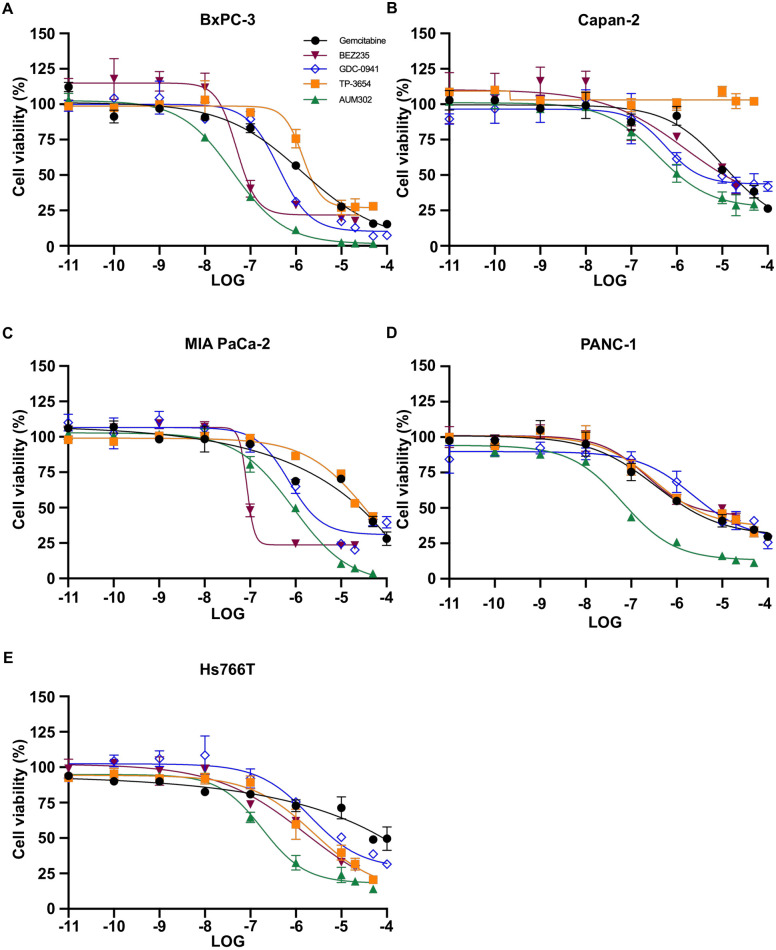
Fig 1
Fig 1. Gemcitabine, BEZ235, GDC-0941, TP-3654, and AUM302 inhibit viability of multiple pancreatic cancer cell lines.
Pancreatic cancer cell lines BxPC-3 (A), Capan-2 (B), MIA PaCa-2 (C), PANC-1 (D), and Hs766T (E) were treated with variable concentrations of gemcitabine or BEZ235 or GDC-0941 or TP-3654 or AUM302 twenty-four hours after seeding. Cells were treated with test compounds for 72 hours and cell viability was measured using Cell Titer-Glo. Each experiment was performed in triplicate and the results are shown as mean ±SD (N = 3).
Fig 2
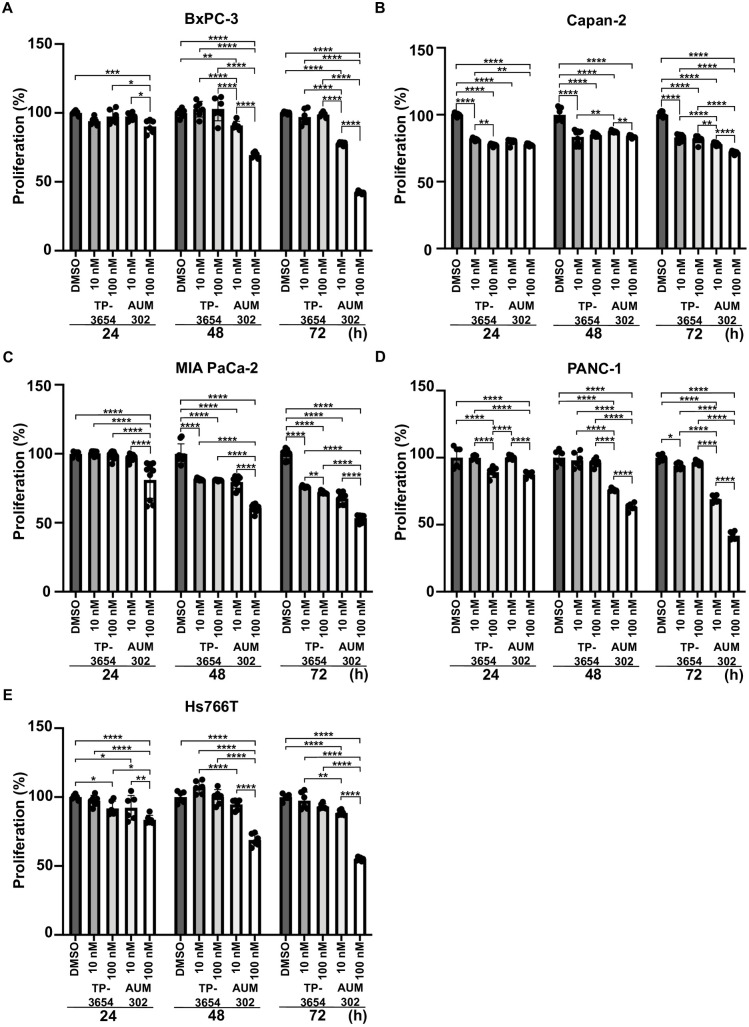
Fig 2. AUM302 inhibits the proliferation of multiple pancreatic cancer cell lines.
The following pancreatic cancer cell lines, BxPC-3 (A), Capan-2 (B), MIA PaCa-2 (C), PANC-1 (D), and Hs766T (E), were treated with DMSO or TP-3654 (10 nM and 100 nM), or AUM302 (10 nM and 100 nM). Cell count was determined 24, 48, and 72 hours after treatment using a cell counter. The measurement of the control (cells with DMSO) was defined as 100%. Data represent mean ±SD (N = 6). *p<0.05; **p<0.01; ***p<0.001; ****p<0.0001 calculated with two-way ANOVA.
Fig 3
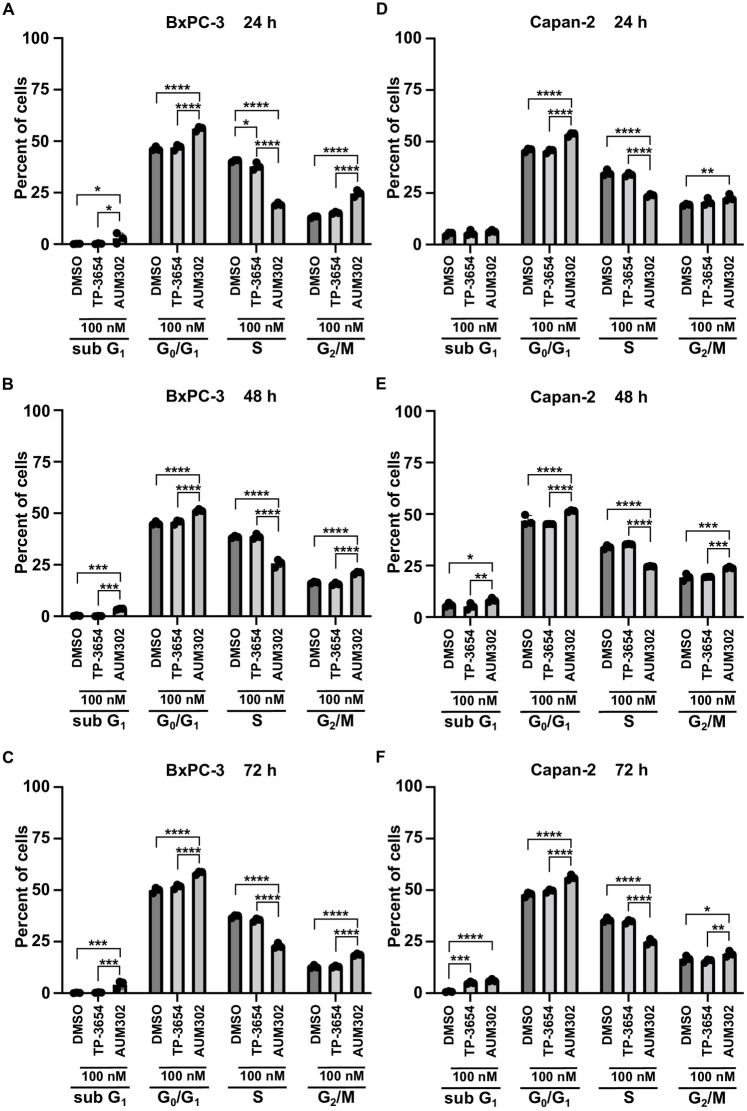
Fig 3. AUM302 changes the cell cycle profile of BxPC-3 and Capan-2 pancreatic cancer cell lines.
Cells were treated with DMSO or TP-3654 (100 nM) or AUM302 (100 nM) for 24 (A and D), 48 (B and E), and 72 hours (C and F). Cells were stained with propidium iodide and analyzed by FACS analysis. Data are represented as mean ±SD, N = 3, *p<0.05; **p<0.01; ***p<0.001; ****p<0.0001 calculated with two-way ANOVA.
Fig 4
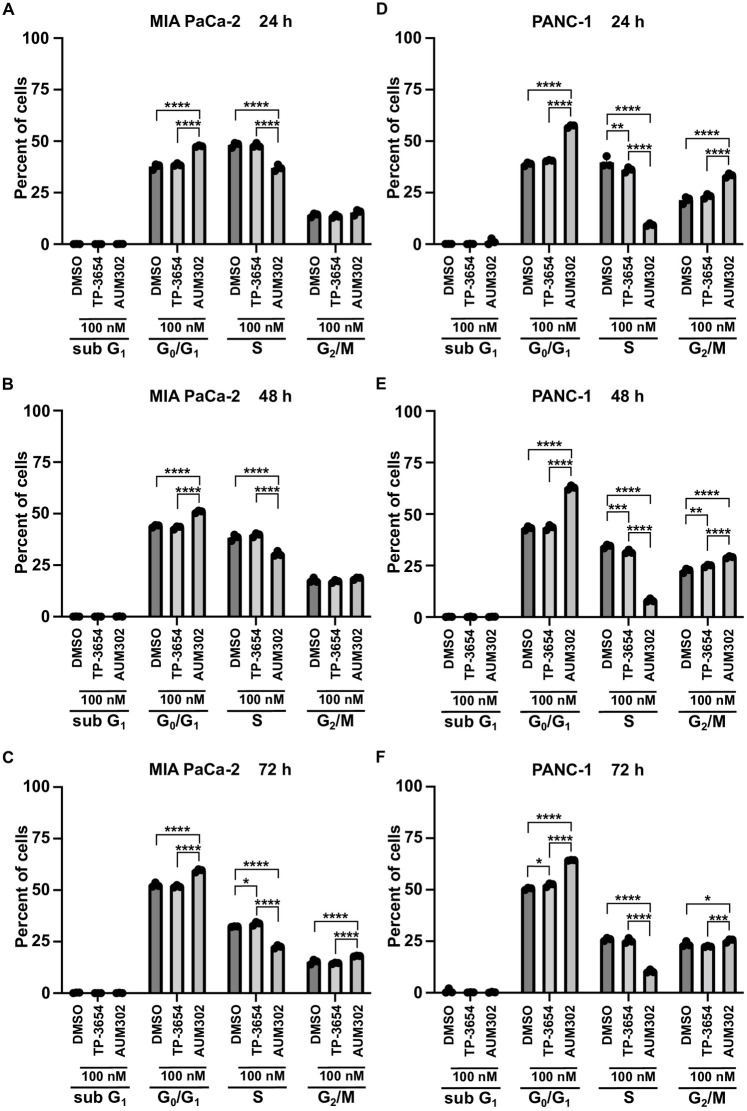
Fig 4. AUM302 changes the cell cycle profile of MIA PaCa-2 and PANC-1 pancreatic cancer cell lines.
Cells were treated with DMSO or TP-3654 (100 nM) or AUM302 (100 nM) for 24 (A and D), 48 (B and E), and 72 hours (C and F). Cells were stained with propidium iodide and analyzed by FACS analysis. Data are represented as mean ±SD, N = 3, *p<0.05; **p<0.01; ***p<0.001; ****p<0.0001 calculated with two-way ANOVA.
Fig 5
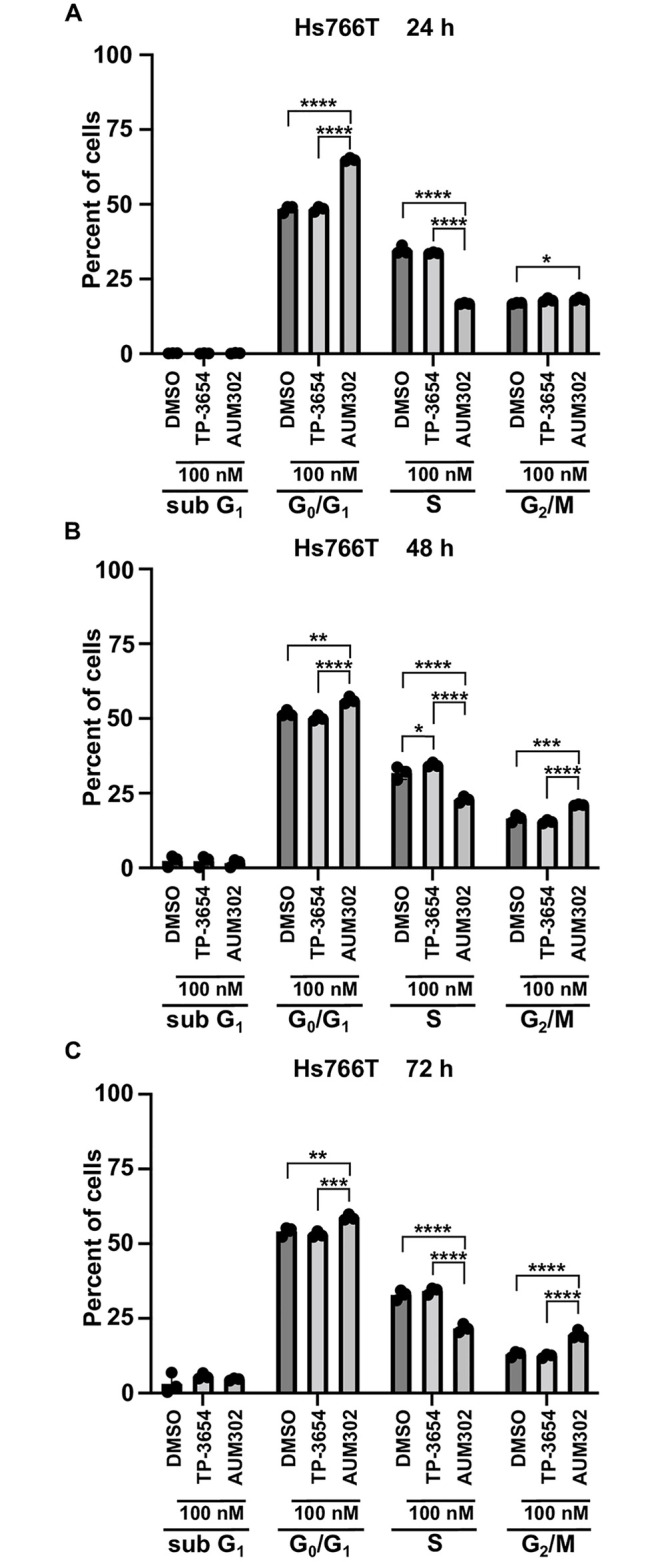
Fig 5. AUM302 changes the cell cycle profile of Hs766T pancreatic cancer cell line.
Cells were treated with DMSO or TP-3654 (100 nM) or AUM302 (100 nM) for 24 (A), 48 (B), and 72 hours (C). Cells were stained with propidium iodide and analyzed by FACS analysis. Data are represented as mean ±SD, N = 3, *p<0.05; **p<0.01; ***p<0.001; ****p<0.0001 calculated with two-way ANOVA.
Fig 6
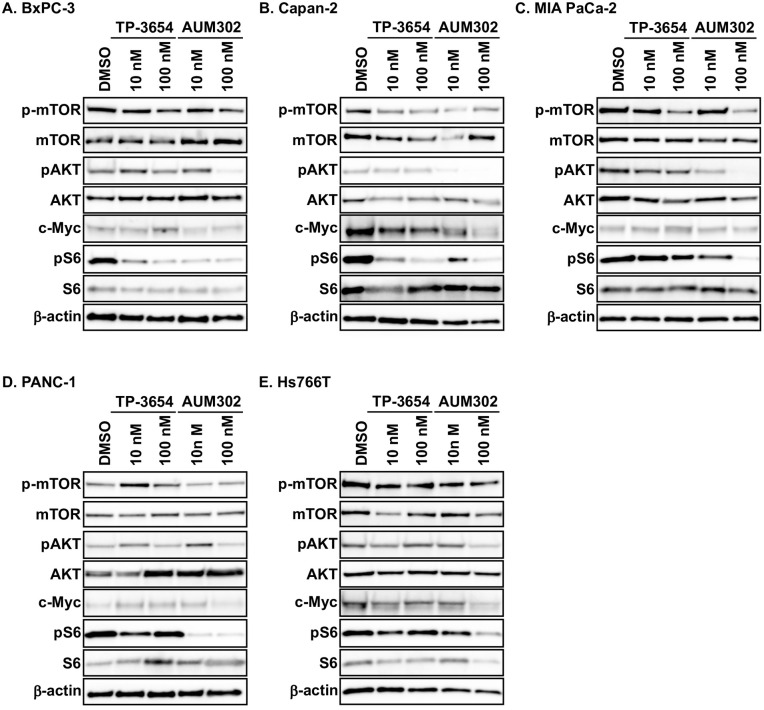
Fig 6. AUM302 inhibits the cell signaling pathways regulated by PIM kinases and PI3K/mTOR pathway.
BxPC-3 (A), Capan-2 (B), MIA PaCa-2 (C), PANC-1 (D), and Hs766T (E) cells were treated with DMSO (vehicle) or TP-3654 (10 and 100 nM) or AUM302 (10 and 100 nM) for 24 hours.
Fig 7
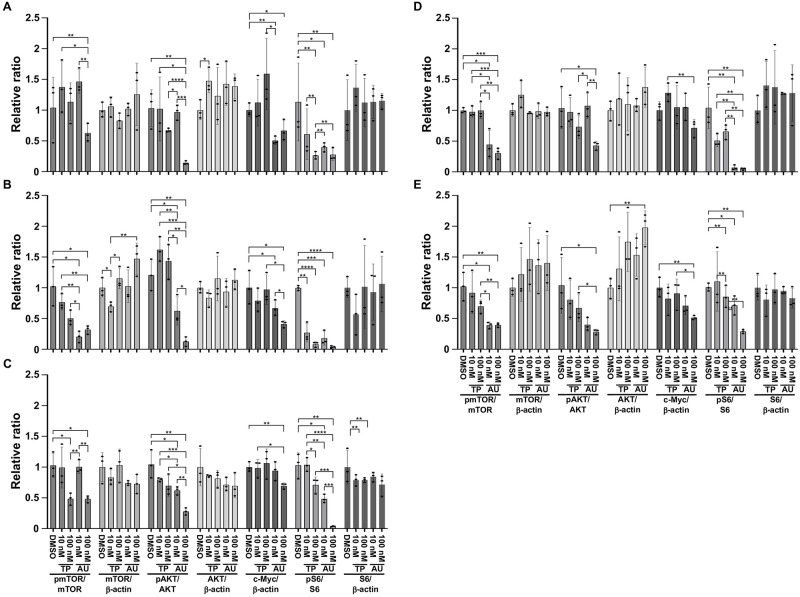
Fig 7. Densitometry analysis of western blots results of protein regulated by PIM and PI3K/mTOR pathway.
BxPC-3 (A), Capan-2 (B), MIA PaCa-2 (C), PANC-1 (D), and Hs766T (E) cells were treated with DMSO (vehicle) or TP-3654 (10 and 100 nM) or AUM302 (10 and 100 nM) for 24 hours. Each experiment was performed in triplicate and the results are shown as mean ±SD (N = 3). Densitometry analysis was performed using FIJI software [61]. Statistical analysis was performed using the Student’s test followed by an analysis of the normal distribution (Tukey’s test). *p<0.05; **p<0.01; ***p<0.001; ****p<0.0001.
Fig 8
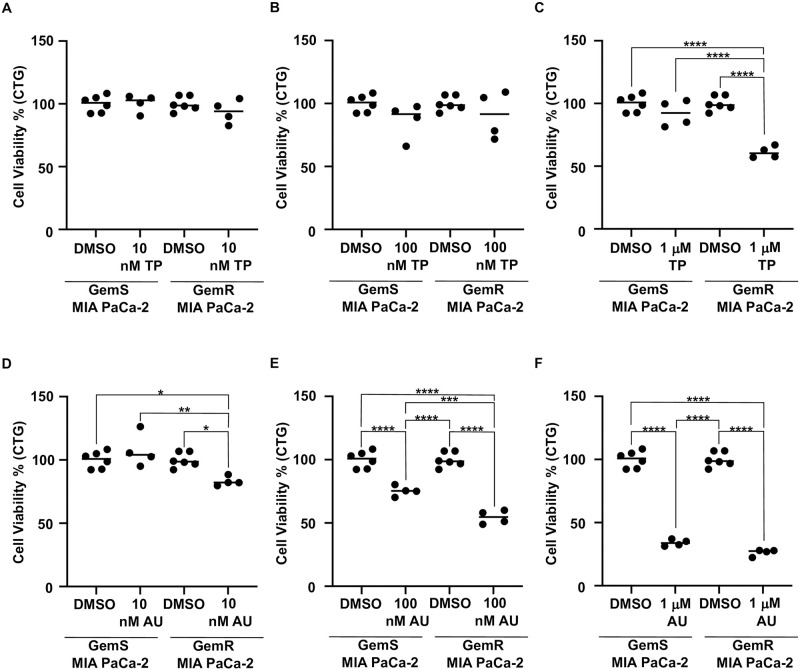
Fig 8. AUM302 and TP-3654 decrease the cell viability of MIA PaCa-2 gemcitabine-resistant (GemR) cell line.
MIA PaCa-2 GemR cell line was treated with 10 nM, 100 nM, or 1 μM of TP-3654 (A, B, & C) or AUM302 (D, E, & F) twenty-four hours after seeding. Cells were treated with test compounds for 72 hours and cell viability was measured using Cell Titer-Glo. Data represents mean ±SD (N = 6 and N = 4). *p<0.05; **p<0.01; ***p<0.001; ****p<0.0001 calculated with two-way ANOVA.
Fig 9
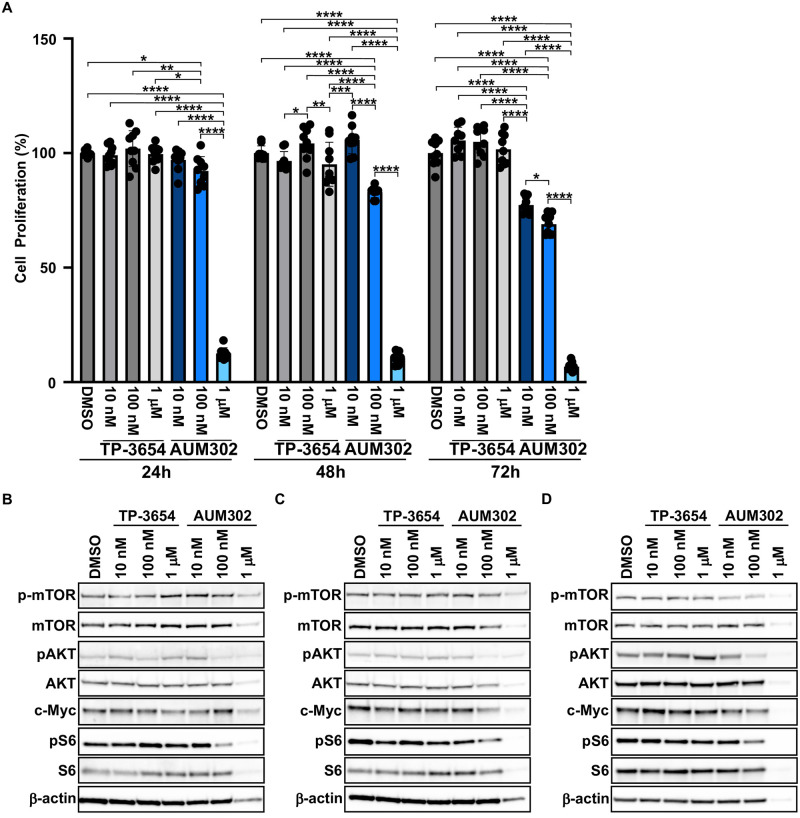
Fig 9. AUM302 inhibits the proliferation of MIA PaCa-2 gemcitabine-resistant (GemR) cells and activity of multiple signaling pathways.
(A) MIA PaCa-2 GemR cells were treated with 10 nM, 100 nM, and 1 μM of TP-3654 or AUM302. Cell count was determined 24, 48, and 72 hours after treatment using a cell counter. The measurement of the control (cells with DMSO) was defined as 100%. Data represent mean ±SD (N = 9). *p<0.05; **p<0.01; ***p<0.001; ****p<0.0001 calculated with two-way ANOVA. (B—D) MIA PaCa-2 GemR cells were treated with DMSO (vehicle) or TP-3654 or AUM302 (10 nM, 100 nM, and 1 μM) for 24 (B), 48 (C), and 72 (D) hours and analyzed with western blot.

References

    1. Rawla P, Sunkara T, Gaduputi V. Epidemiology of Pancreatic Cancer: Global Trends, Etiology and Risk Factors. World J Oncol. 2019;10(1):10–27. Epub 2019/03/06. doi: 10.14740/wjon1166 - DOI - PMC - PubMed
    1. Rahib L, Wehner MR, Matrisian LM, Nead KT. Estimated Projection of US Cancer Incidence and Death to 2040. JAMA Netw Open. 2021;4(4):e214708. Epub 2021/04/08. doi: 10.1001/jamanetworkopen.2021.4708 - DOI - PMC - PubMed
    1. Siegel RL, Miller KD, Fuchs HE, Jemal A. Cancer statistics, 2022. CA Cancer J Clin. 2022;72(1):7–33. Epub 2022/01/13. doi: 10.3322/caac.21708 . - DOI - PubMed
    1. Zhang Q, Zeng L, Chen Y, Lian G, Qian C, Chen S, et al.. Pancreatic Cancer Epidemiology, Detection, and Management. Gastroenterol Res Pract. 2016;2016:8962321. Epub 2016/03/05. doi: 10.1155/2016/8962321 - DOI - PMC - PubMed
    1. Gillen S, Schuster T, Meyer Zum Buschenfelde C, Friess H, Kleeff J. Preoperative/neoadjuvant therapy in pancreatic cancer: a systematic review and meta-analysis of response and resection percentages. PLoS Med. 2010;7(4):e1000267. Epub 2010/04/28. doi: 10.1371/journal.pmed.1000267 - DOI - PMC - PubMed

Publication types

MeSH terms