


A longitudinal study of polygenic score and cognitive function decline considering baseline cognitive function, lifestyle behaviors, and diabetes among middle-aged and older US adults
- PMID: 37950263
- PMCID: PMC10636974
- DOI: 10.1186/s13195-023-01343-1
A longitudinal study of polygenic score and cognitive function decline considering baseline cognitive function, lifestyle behaviors, and diabetes among middle-aged and older US adults
Abstract
Background: Genomic study of cognition decline while considering baseline cognition and lifestyle behaviors is scarce. We aimed to evaluate the impact of a polygenic score for general cognition on cognition decline rate, while considering baseline cognition and lifestyle behaviors, among the general population and people with diabetes, a patient group commonly affected by cognition impairment.
Methods: We tested associations of the polygenic score for general cognition with annual changing rates of cognition measures in 8 years of follow-up among 12,090 White and 3100 Black participants of the Health and Retirement Study (HRS), a nationally representative sample of adults aged 50 years and older in the USA. Cognition measures including word recall, mental status, and total cognitive score were measured biannually. To maximize sample size and length of follow-up, we treated the 2010 wave of survey as baseline, and follow-up data until 2018 were analyzed. Baseline lifestyle behaviors, APOE status, and measured cognition were sequentially adjusted. Given racial differences in polygenic score, all analyses were conducted by race.
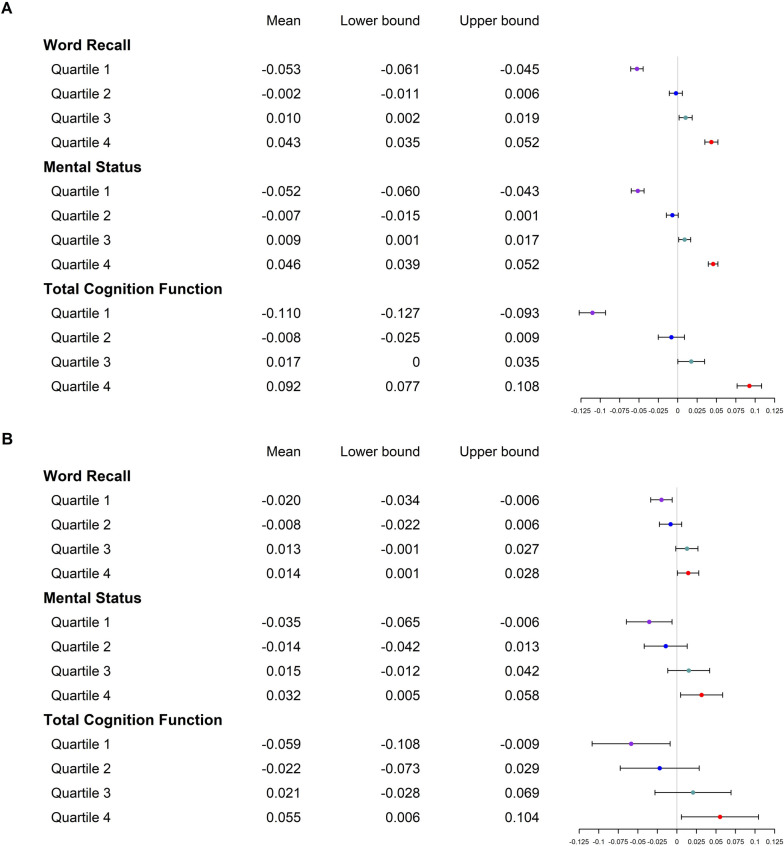
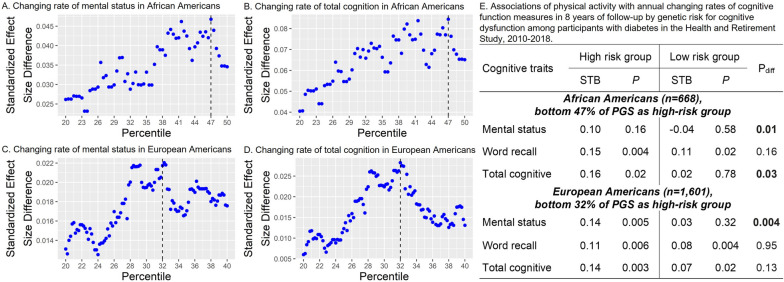
Results: The polygenic score was significantly associated with annual changing rates of all cognition measures independent of lifestyle behaviors and APOE status. Together with age and sex, the polygenic score explained 29.9%, 15.9%, and 26.5% variances of annual changing rates of word recall, mental status, and total cognitive scores among Whites and explained 17.2%, 13.9%, and 18.7% variance of the three traits among Blacks. Among both White and Black participants, those in the top quartile of polygenic score had the three cognition measures increased annually, while those in the bottom quartile had the three cognition measures decreased annually. After further adjusting for the average cognition assessed in 3 visits around baseline, the polygenic score was still positively associated with annual changing rates of all cognition measures for White (P ≤ 2.89E - 19) but not for Black (P ≥ 0.07) participants. In addition, among participants with diabetes, physical activity offset the genetic susceptibility to decline of mental status (interaction P ≤ 0.01) and total cognitive scores (interaction P = 0.03).
Conclusions: Polygenic score predicted cognition changes in addition to measured cognition. Physical activity offset genetic risk for cognition decline among diabetes patients.
Keywords: Cognitive function decline; Interaction; Lifestyle; Polygenic score.
© 2023. The Author(s).
Conflict of interest statement
The authors declare no competing interests.
Figures
References
-
- Alzheimer’s Association. 2021 Alzheimer’s disease facts and figures. Alzheimers Dement. 2021;17(3):327–406. - PubMed
Publication types
MeSH terms
Substances
Grants and funding
LinkOut - more resources
Full Text Sources
Medical
Miscellaneous
