


Needle Decompression Causing Pericardial and Pulmonary Artery Injuries in Patients With Blunt Trauma: Two Case Reports and Literature Review
- PMID: 37950344
- PMCID: PMC10640802
- DOI: 10.1177/23247096231211063
Needle Decompression Causing Pericardial and Pulmonary Artery Injuries in Patients With Blunt Trauma: Two Case Reports and Literature Review
Abstract
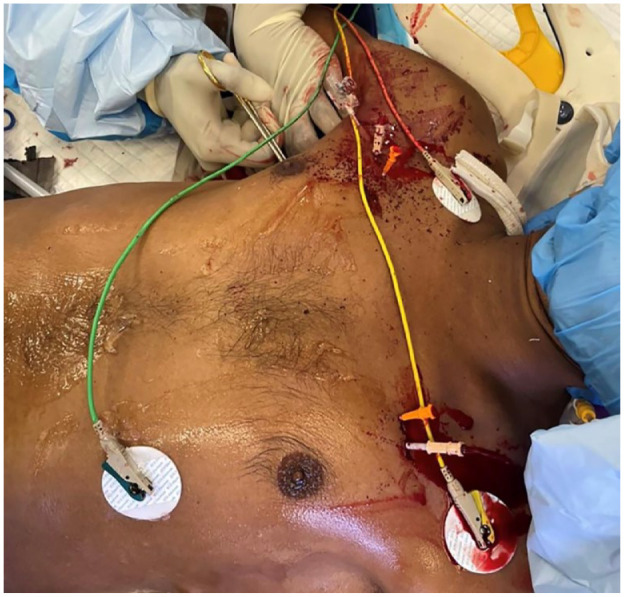
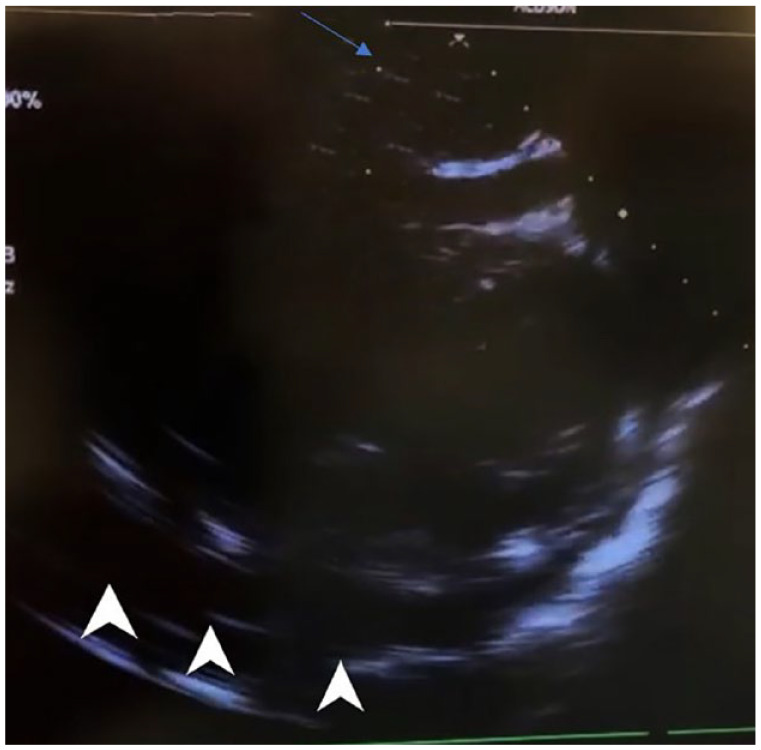
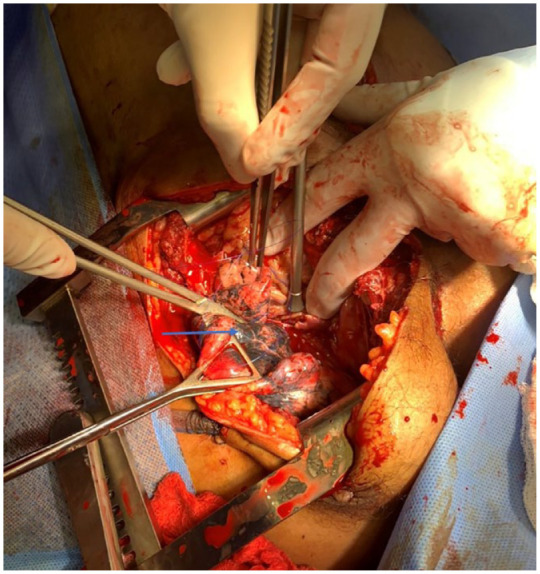
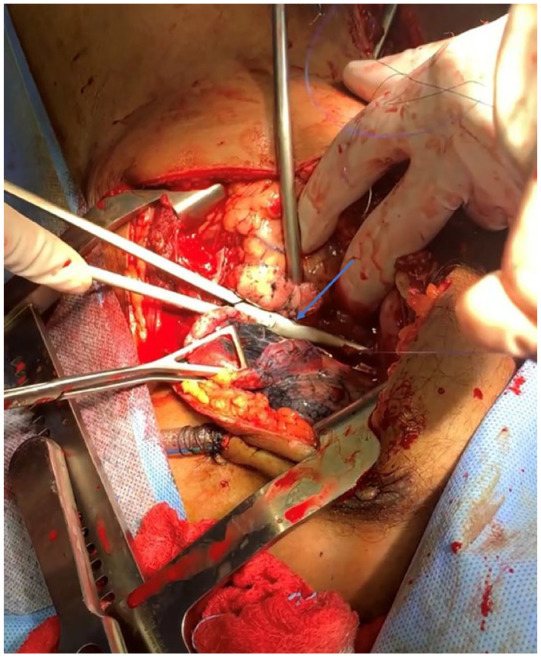
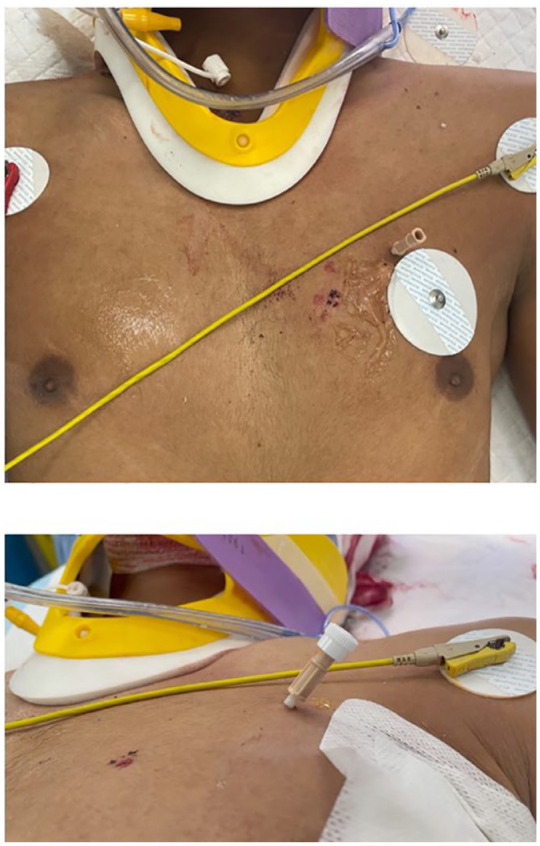
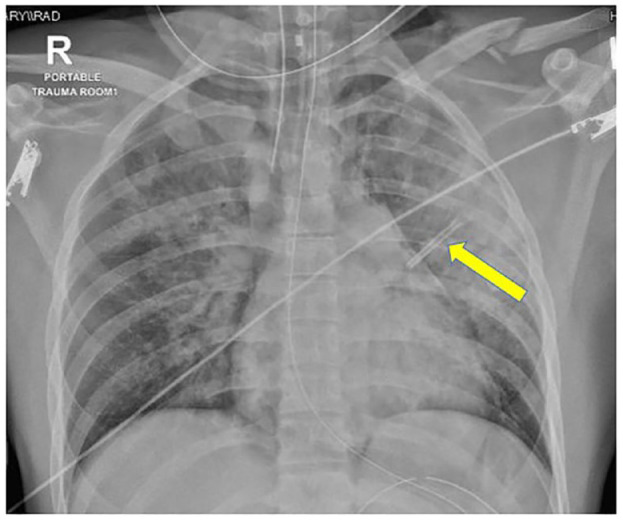
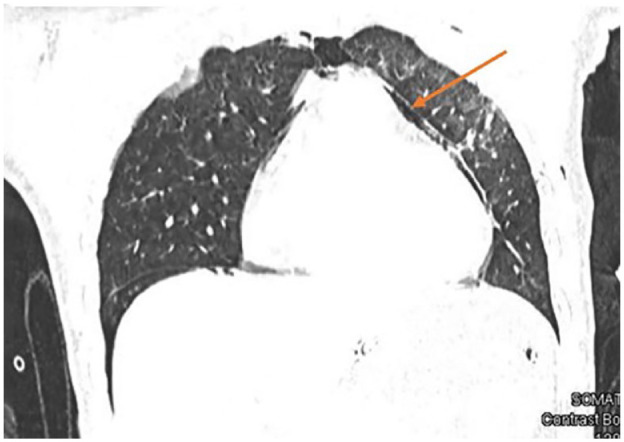
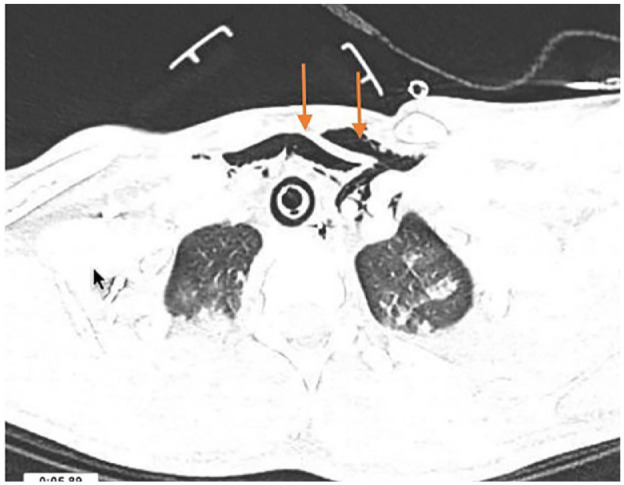
Tension pneumothorax (TPX) is a severe chest complication of blunt or penetrating trauma. Immediate decompression is the lifesaving action in patients with TPX. Needle decompression (ND) is frequently used for this purpose, particularly in limited resources setting such as the prehospital arena. Despite the safe profile, the blind nature of the procedure can result in a serious range of complications, including injury to the vital intrathoracic structures such as the lungs, great vessels, and heart. Here, we reported 2 cases of blunt chest trauma resulting in TPX demanding immediate ND; however, nonintentional pericardial and pulmonary artery injuries occurred. The first case was a 42-year-old man with a needle-related pulmonary artery injury that required surgery. The second case was a 19-year-old man in whom a needle-related pneumopericardium occurred and was treated conservatively. In both cases, trained personnel performed the ND. Although ND in the field is a lifesaving intervention, it may further complicate the patient condition. Therefore, it should be performed in adherence to the universal guidelines.
Keywords: needle decompression; pneumopericardium; tension pneumothorax; trauma.
Conflict of interest statement
Declaration of Conflicting InterestsThe author(s) declared no potential conflicts of interest with respect to the research, authorship, and/or publication of this article.
Figures
References
-
- Sharrock MK, Shannon B, Garcia Gonzalez C, et al.. Prehospital paramedic pleural decompression: a systematic review. Injury. 2021;52(10):2778-2786. - PubMed
-
- Kotwal RS, Montgomery HR, Kotwal BM, et al.. Eliminating preventable death on the battlefield. Arch Surg. 2011;146:1350-1358. - PubMed
-
- Jalota R, Sayad E. Tension Pneumothorax. Updated August 11, 2020. StatPearls. https://www.ncbi.nlm.nih.gov/books/NBK559090/
-
- American College of Surgeons Committee on Trauma: Advanced Trauma Life Support for Doctors . ATLS Student Course Manual. American College of Surgeons; 2018.
-
- Cusmà Piccione R. “DOPES”: acronym to help critical care nurses in the intensive care unit during the COVID Age. Dimens Crit Care Nurs. 2021;40:129-130. - PubMed
Publication types
MeSH terms
LinkOut - more resources
Full Text Sources
Medical
