


Evaluation of the Acute flaccid paralysis surveillance indicators in Zambia from 2015-2021: a retrospective analysis
- PMID: 37951902
- PMCID: PMC10640734
- DOI: 10.1186/s12889-023-17141-1
Evaluation of the Acute flaccid paralysis surveillance indicators in Zambia from 2015-2021: a retrospective analysis
Abstract
Background: The resurgence of poliovirus infection in previously polio free regions and countries calls for renewed commitment to the global polio eradication efforts including strengthening of Acute Flaccid Paralysis (AFP) surveillance systems. Zambia is one of the countries substantially at risk for the importation of poliovirus infection from neighbouring countries including Malawi, Mozambique, and Democratic Republic of the Congo (DRC). This study describes a seven-year AFP surveillance, assesses the surveillance indicators, and highlights areas for improvement.
Methods: We conducted retrospective analysis of the routinely collected AFP surveillance data from January 2015 to December 2022. The AFP surveillance indicators performance was assessed using the World Health Organisation's recommended minimum AFP surveillance indicators performance.
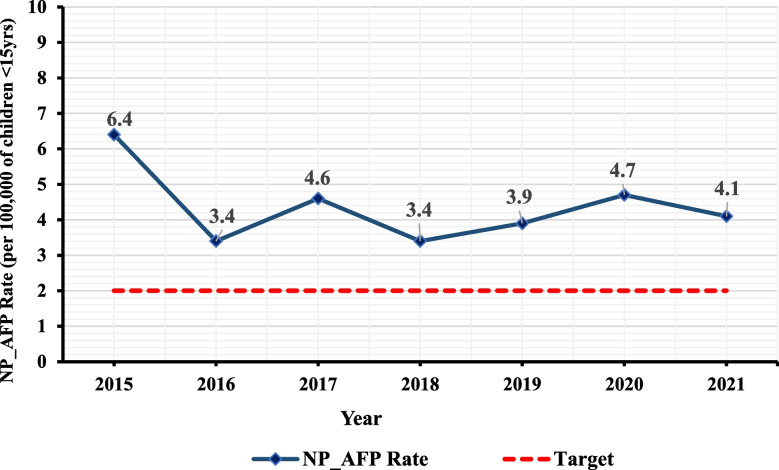
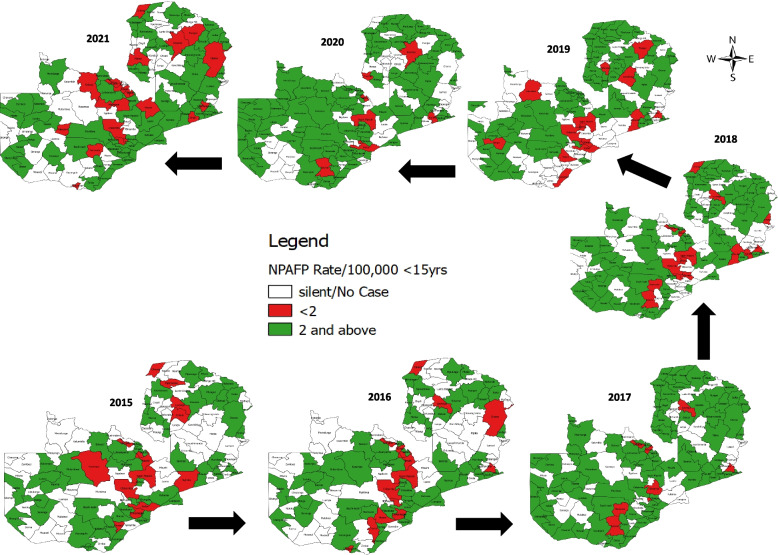
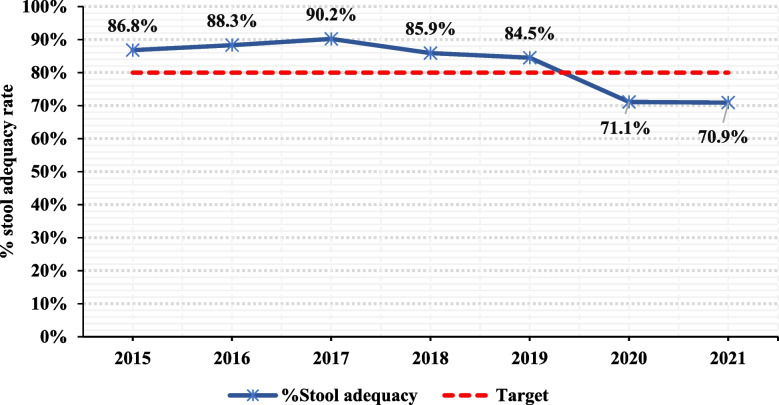
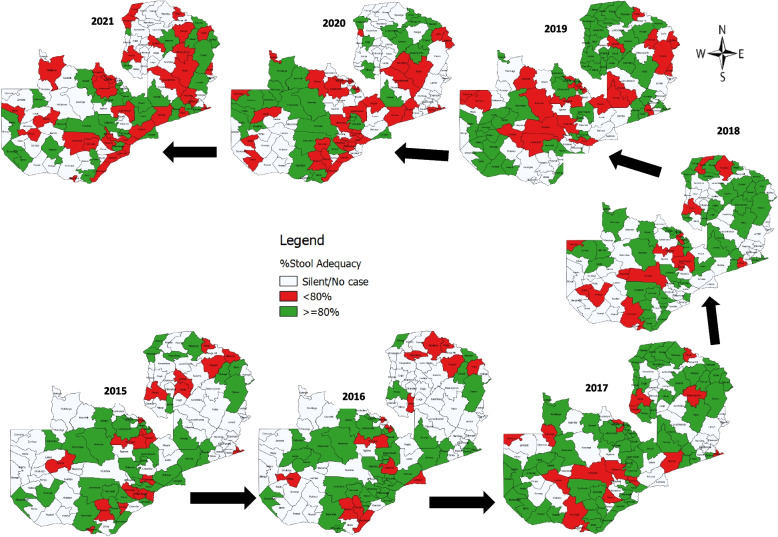
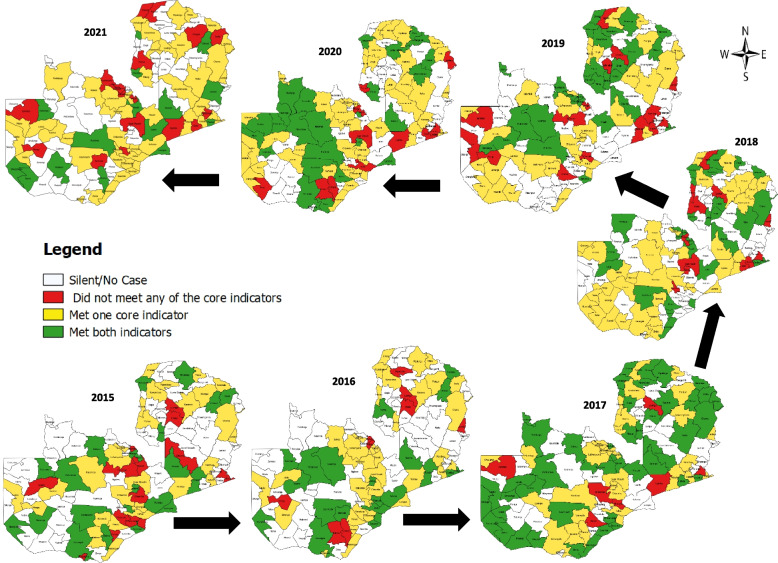
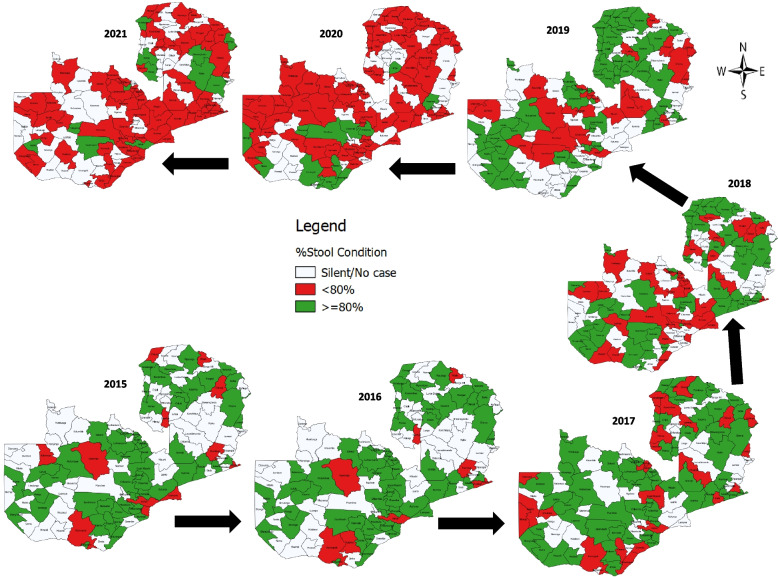
Results: Cumulatively, a total of 1715 AFP cases were reported over the study period. More than half, 891 (52%) of reported cases were aged < 5 years with 917 (53.5%) of males. More than half, 1186 (69.2%) had fever at onset, 718 (41.9%) had asymmetric paralysis and 1164 (67.9%) had their paralysis progressed within 3 days of onset. The non-polio AFP rate ranges from 3.4 to 6.4 per 100,000 children < 15 years old and stool adequacy ranging from 70.9% to 90.2% indicating sensitive surveillance with late detection of cases. The percentage of cases with early stool collection, timely transportation was above the World Health Organisation (WHO) minimum of 80% but with declining proportion of stools arriving in the laboratory in optimal condition. Completeness of 60-days follow-up evaluation was suboptimal ranging from 0.9% to 28.2%.
Conclusion: The AFP surveillance system in Zambia is doing well. However, additional efforts are needed to improve early detection of cases; stool sample collection, transportation and monitoring to ensure arrival in good condition in the laboratory; and improve 60-days follow-up evaluation for evidenced-based classification of inadequate AFP cases and proper care.
Keywords: Acute Flaccid Paralysis; Indicators; Poliomyelitis; Surveillance; Zambia.
© 2023. The Author(s).
Conflict of interest statement
The authors declare no competing interests.
Figures
References
Publication types
MeSH terms
Substances
Supplementary concepts
Grants and funding
LinkOut - more resources
Full Text Sources
Medical
