Surgical considerations for the "perfect" colorectal anastomosis
- PMID: 37969832
- PMCID: PMC10643590
- DOI: 10.21037/jgo-23-41
Surgical considerations for the "perfect" colorectal anastomosis
Abstract
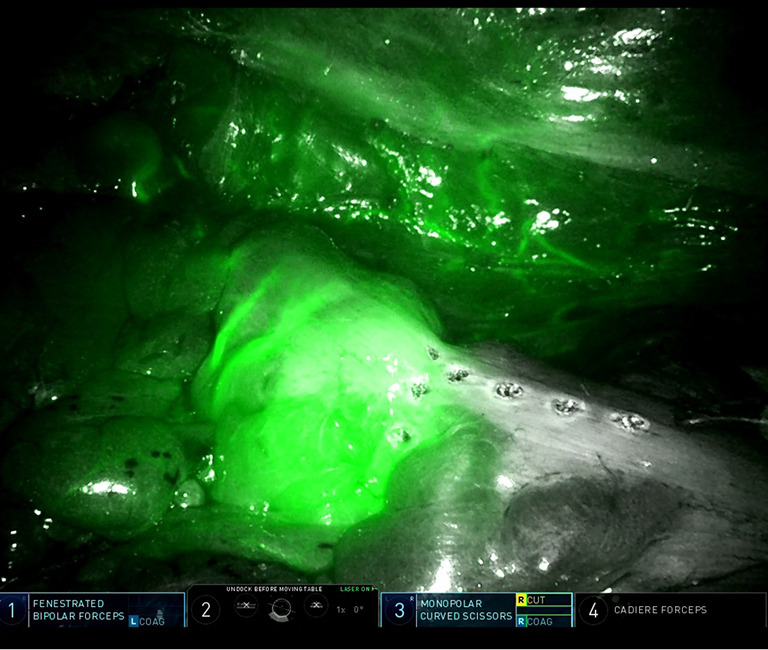
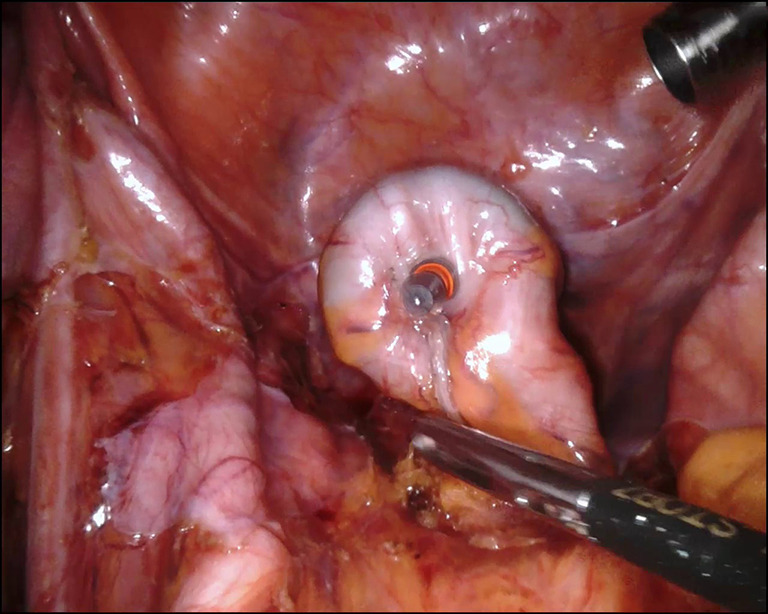
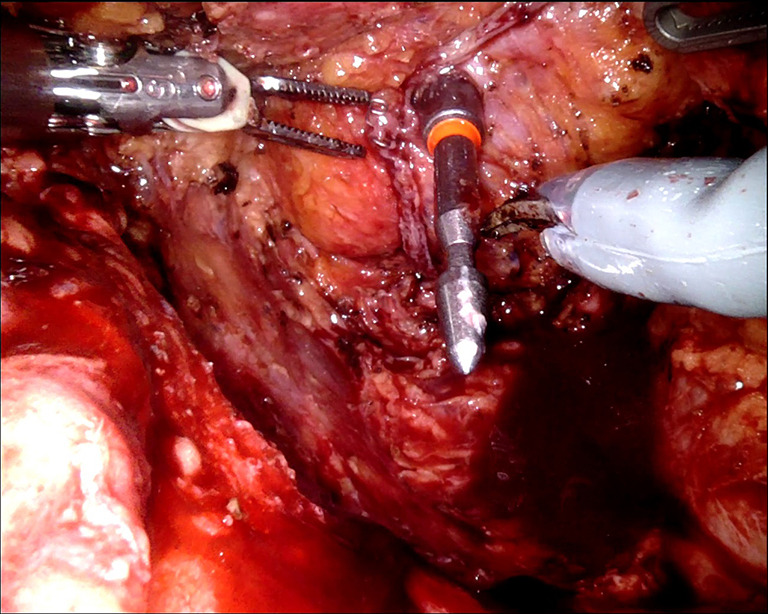
A technically sound colorectal anastomosis is paramount in optimising outcomes and reducing complications such as anastomotic leak which can lead to prolonged hospital stay, repeated operations, stoma formation, anastomotic stricture formation and even mortality in patients. Therefore, thorough consideration should be given to all aspects of its construct, from its basic mechanical configuration to subsequent evaluation of anastomosis integrity and perfusion. Risk factors for anastomotic leakage are well established and are usually classified into modifiable and non-modifiable risk factors. In this review article, we will focus on and discuss the modifiable surgical risk factors and how the authors incorporate latest evidence and surgical principles in creating a "perfect" colorectal anastomosis. We review the latest evidence on the proper mechanical construct of a colorectal anastomosis, enhanced recovery after surgery (ERAS), high versus low ligation of inferior mesenteric artery (IMA), routine splenic flexure mobilisation (SFM), the use of indocyanine green (ICG), as well as methods used for the evaluation of the anastomosis integrity. New adjuncts described in the literature to reinforce anastomoses are also discussed. In summary, meticulous technique with nuanced refinements based on our understanding of surgical principles, together with the adoption of relevant new technologies, are essential in our strive towards the "perfect" colorectal anastomosis.
Keywords: Colorectal anastomosis; anastomosis construct; indocyanine green use (ICG use); inferior mesenteric artery ligation (IMA ligation); surgical considerations.
2023 Journal of Gastrointestinal Oncology. All rights reserved.
Conflict of interest statement
Conflicts of Interest: All authors have completed the ICMJE uniform disclosure form (available at https://jgo.amegroups.com/article/view/10.21037/jgo-23-41/coif). The authors have no conflicts of interest to declare.
Figures
References
Publication types
LinkOut - more resources
Full Text Sources