


Intraoral medical devices for sustained drug delivery
- PMID: 37982874
- PMCID: PMC10713785
- DOI: 10.1007/s00784-023-05377-5
Intraoral medical devices for sustained drug delivery
Abstract
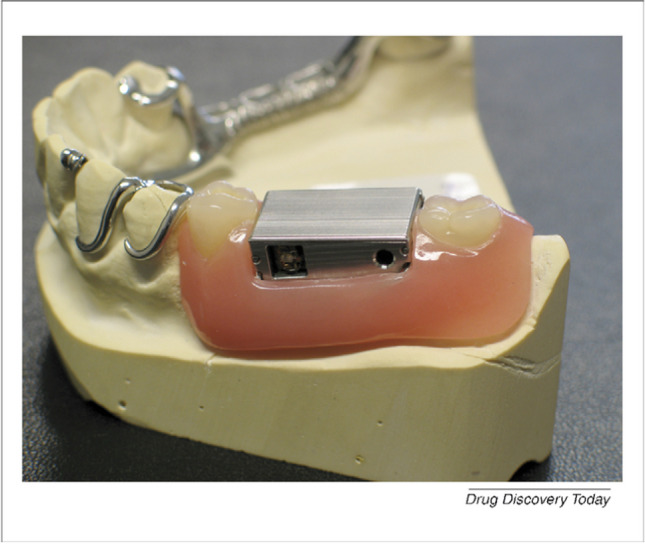
Objectives: The oral cavity constitutes an attractive organ for the local and systemic application of drug substances. Oromucosal tablets, gels, or sprays are examples of the formulations applied. Due to the elution through the saliva, the residence time of the formulation at the application site is relatively short. Medical devices placed in the oral cavity, with a reservoir for an active substance, play an important role in solving this problem.
Materials and methods: In this review, we discuss the devices described in the literature that are designed to be used in the oral cavity, highlighting the advantages, disadvantages, and clinical applications of each of them.
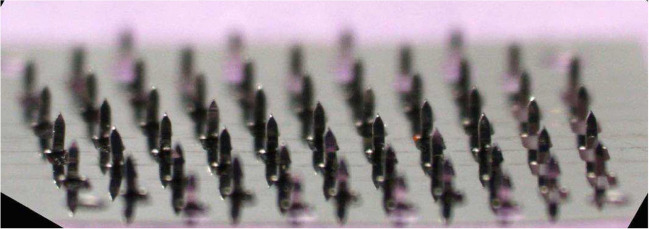
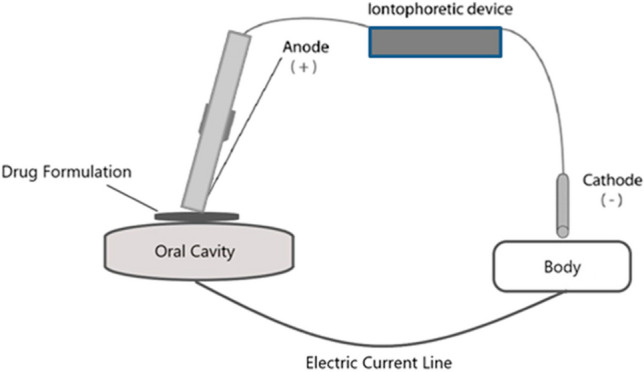
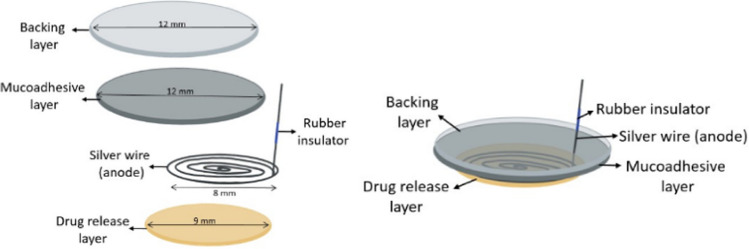
Results: Among the intraoral medical devices, special types are personalized 3D-printed devices, iontophoretic devices, and microneedle patches.
Conclusion: We anticipate that with the development of 3D printing and new polymers, the technology of flexible and comfortable devices for prolonged drug delivery in the oral cavity will develop intensively.
Clinical relevance: The presented review is therefore a useful summary of the current technological state, when in fact none of the existing devices has been widely accepted clinically.
Keywords: 3D printing; Iontophoresis; Medical device; Microneedle patch; Oral cavity.
© 2023. The Author(s).
Conflict of interest statement
All authors declare no conflict of interest in this work.
Figures


References
-
- Achong RA, Briskie DM, Hildebrandt GH, Feigal RJ, Loesche WJ. Effect of chlorhexidine varnish mouthguards on the levels of selected oral microorganisms in pediatric patients. Pediatr Dent. 1999;21:169–175. - PubMed
-
- Ahanthem N, Gazge N. Orodental local drug delivery. J Heal Sci Res. 2015;6:41–46. doi: 10.5005/jp-journals-10042-1019. - DOI
-
- Akhtar N. Microneedles: an innovative approach to transdermal delivery- a review. Int J Pharm Pharm Sci. 2014;6:18–25.
Publication types
MeSH terms
Substances
LinkOut - more resources
Full Text Sources
