Review
. 2023 Nov 14;91(6):516-531.
doi: 10.3390/arm91060038.

E-Cigarettes and Associated Health Risks: An Update on Cancer Potential

Affiliations
Review

E-Cigarettes and Associated Health Risks: An Update on Cancer Potential

Rakesh Sahu et al. Adv Respir Med. .

Abstract

The potential cancer risk associated with electronic-cigarette (e-cigarette) use is ongoing and remains a subject of debate. E-Cigarettes work by heating a liquid that usually contains nicotine, flavorings, and other chemicals. When the liquid is heated, users inhale an aerosol into their lungs. While e-cigarettes are generally considered less harmful than traditional tobacco products, they still contain potentially harmful chemicals, which can damage DNA and lead to cancer. Several studies have investigated the potential cancer risk associated with e-cigarette use, while other studies have suggested that e-cigarette aerosol may contain carcinogenic chemicals that could increase the risk of lung and bladder cancer in humans. However, these studies are limited in their scope and do not provide conclusive evidence. Overall, the long-term cancer risk associated with e-cigarette use remains uncertain, more research is needed to fully understand the potential risks and benefits of e-cigarettes. However, this review will allow the investigator to get more recent updates about e-cigarettes.

Keywords: cancer; chemicals in e-cigarette; e-cigarette; flavors of e-cigarette; generation of e-cigarette.


Conflict of interest statement

The authors declare no conflict of interest.

Figures
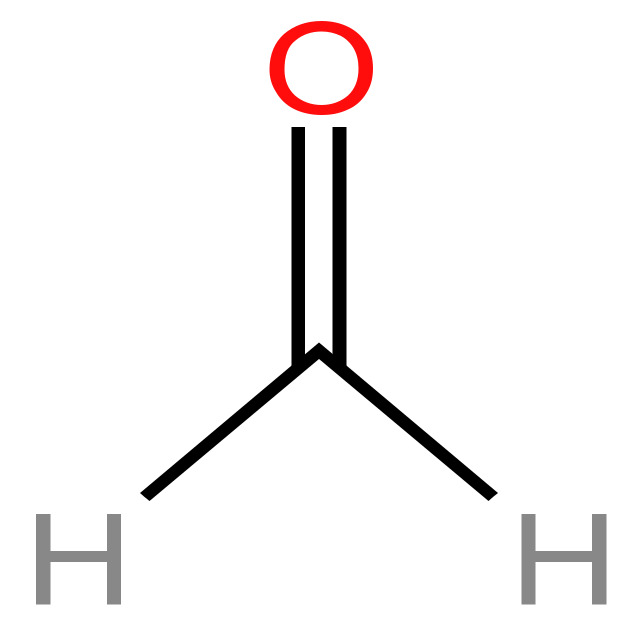
Figure 1
Figure 1
Chemical structure of formaldehyde [53].
Figure 2
Figure 2
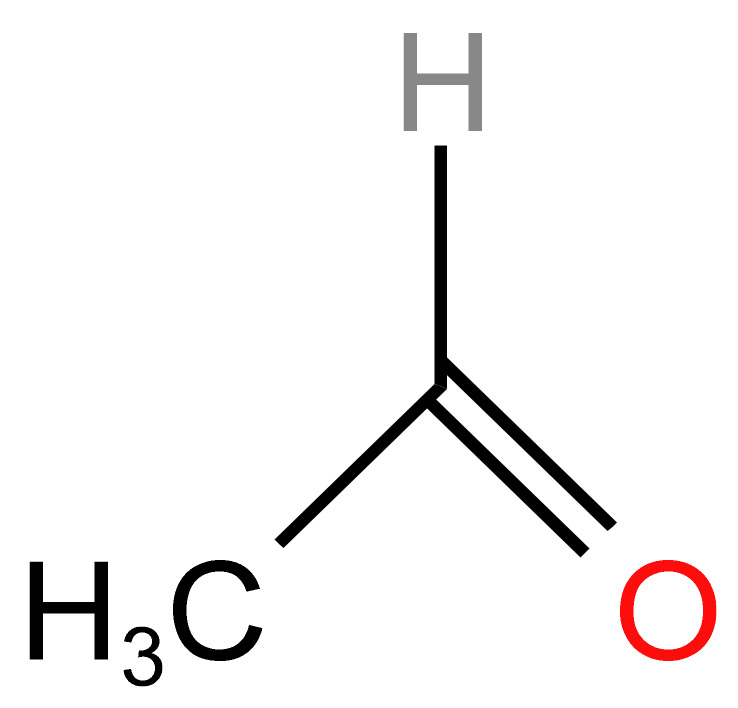
Chemical Structure of Acetaldehyde [54].
Figure 3
Figure 3
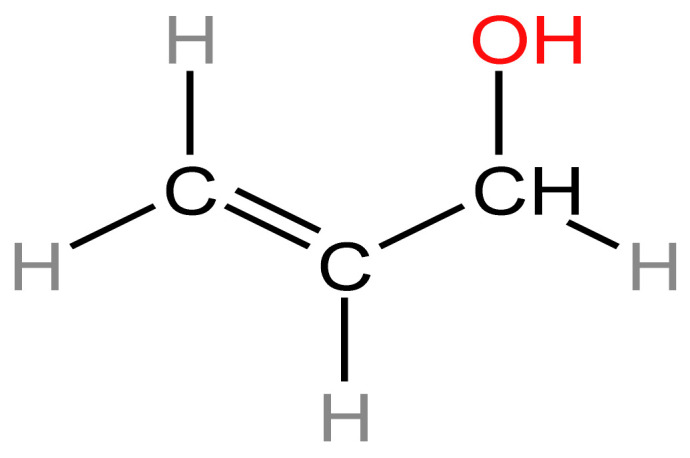
Chemical structure of acrolein [54].
Figure 4
Figure 4
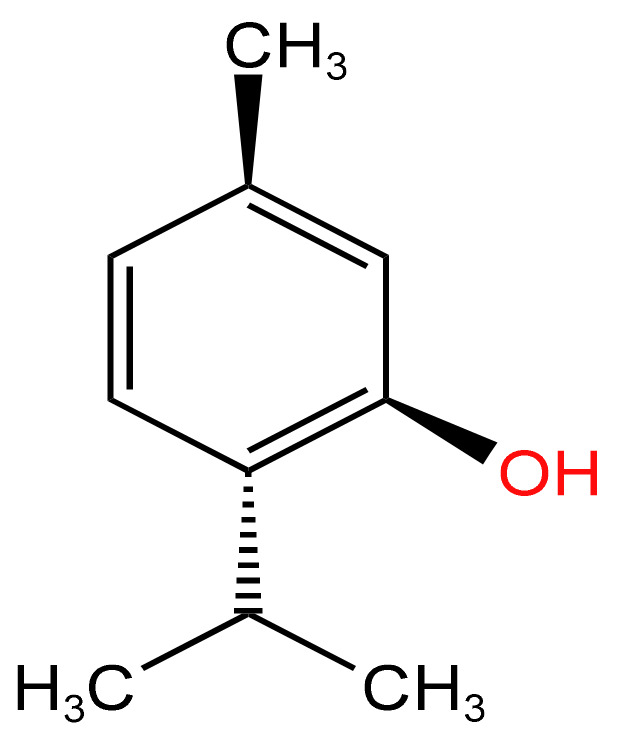
Chemical structure of menthol [65].
Figure 5
Figure 5
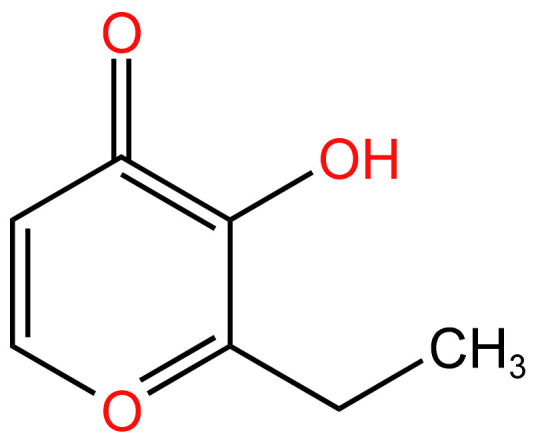
Chemical structure of ethyl maltol [67].
Figure 6
Figure 6
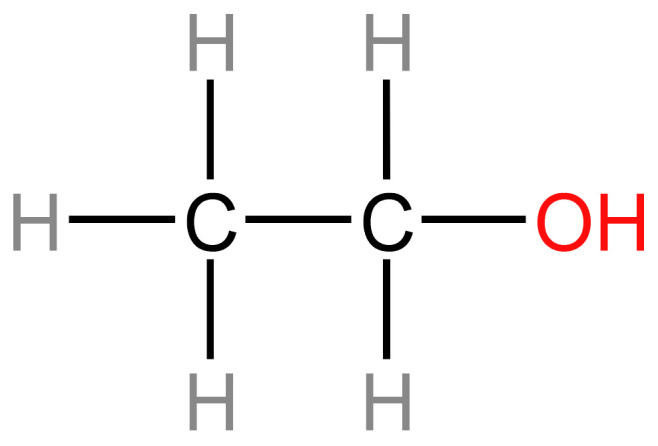
Chemical structure of ethanol [69].
Figure 7
Figure 7
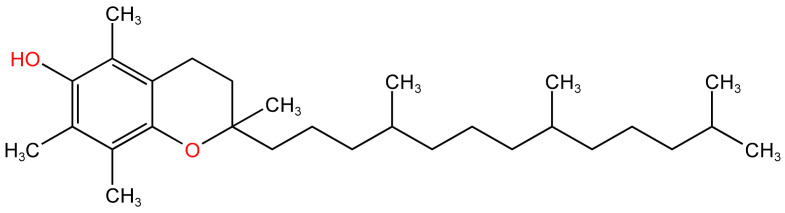
Chemical structure of tocopherol [75].
Figure 8
Figure 8
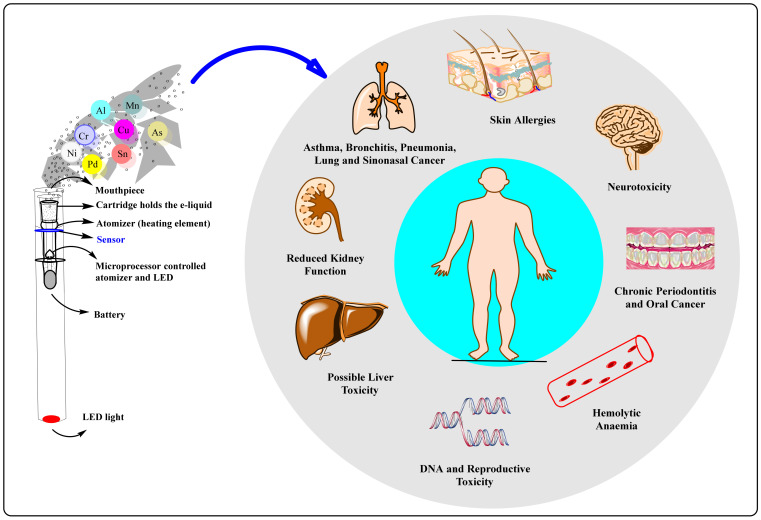
Important parts of e-cigarette and health impacts of releasing trace metals.

References

    1. Hajek P., Etter J.F., Benowitz N., Eissenberg T., McRobbie H. Electronic cigarettes: Review of use; content; safety; effects on smokers and potential for harm and benefit. Addiction. 2014;109:1801–1810. doi: 10.1111/add.12659. - DOI - PMC - PubMed
    1. Walley S.C., Jenssen B.P., Section on Tobacco Control Electronic nicotine delivery systems. Pediatrics. 2015;136:1018–1026. doi: 10.1542/peds.2015-3222. - DOI - PubMed
    1. Al-Attas S.A., Ibrahim S.S., Amer H.A., Darwish Z.E.-S., Hassan M.H. Prevalence of potentially malignant oral mucosal lesions among tobacco users in Jeddah, Saudi Arabia. Asian Pac. J. Cancer Prev. 2014;15:757–762. doi: 10.7314/APJCP.2014.15.2.757. - DOI - PubMed
    1. Al-Kaabba A.F., Saeed A.A., Abdalla A.M., Hassan H.A., Mustafa A.A. Prevalence and associated factors of cigarette smoking among medical students at King Fahad Medical City in Riyadh of Saudi Arabia. J. Fam. Community Med. 2011;18:8–12. doi: 10.4103/1319-1683.78631. - DOI - PMC - PubMed
    1. Natto Z.S. Dental students’ knowledge and attitudes about electronic cigarettes: A cross-sectional study at one Saudi university. J. Dent. Educ. 2020;84:27–33. doi: 10.21815/JDE.019.162. - DOI - PubMed