. 2023 Jan 27:5:100056.
doi: 10.1016/j.obpill.2023.100056. eCollection 2023 Mar.

Obesity, diabetes mellitus, and cardiometabolic risk: An Obesity Medicine Association (OMA) Clinical Practice Statement (CPS) 2023

Affiliations

Obesity, diabetes mellitus, and cardiometabolic risk: An Obesity Medicine Association (OMA) Clinical Practice Statement (CPS) 2023

Harold Edward Bays et al. Obes Pillars. .

Abstract

Background: This Obesity Medicine Association (OMA) Clinical Practice Statement (CPS) is intended to provide clinicians an overview of type 2 diabetes mellitus (T2DM), an obesity-related cardiometabolic risk factor.

Methods: The scientific support for this CPS is based upon published citations and clinical perspectives of OMA authors.

Results: Topics include T2DM and obesity as cardiometabolic risk factors, definitions of obesity and adiposopathy, and mechanisms for how obesity causes insulin resistance and beta cell dysfunction. Adipose tissue is an active immune and endocrine organ, whose adiposopathic obesity-mediated dysfunction contributes to metabolic abnormalities often encountered in clinical practice, including hyperglycemia (e.g., pre-diabetes mellitus and T2DM). The determination as to whether adiposopathy ultimately leads to clinical metabolic disease depends on crosstalk interactions and biometabolic responses of non-adipose tissue organs such as liver, muscle, pancreas, kidney, and brain.

Conclusions: This review is intended to assist clinicians in the care of patients with the disease of obesity and T2DM. This CPS provides a simplified overview of how obesity may cause insulin resistance, pre-diabetes, and T2DM. It also provides an algorithmic approach towards treatment of a patient with obesity and T2DM, with "treat obesity first" as a priority. Finally, treatment of obesity and T2DM might best focus upon therapies that not only improve the weight of patients, but also improve the health outcomes of patients (e.g., cardiovascular disease and cancer).

Keywords: Adiposopathy; Cardiometabolic; Diabetes mellitus; Obesity.


Figures

Fig. 1
Fig. 1
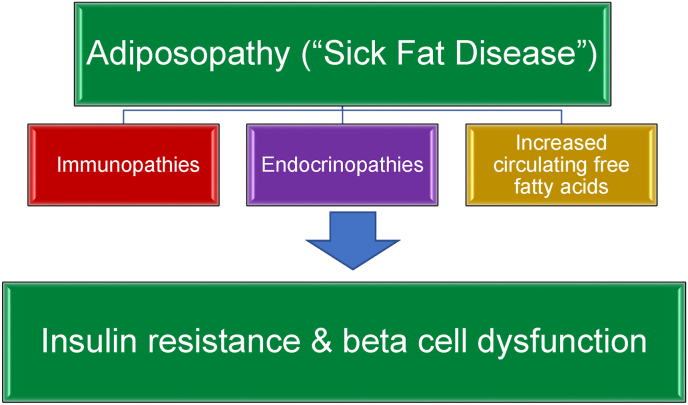
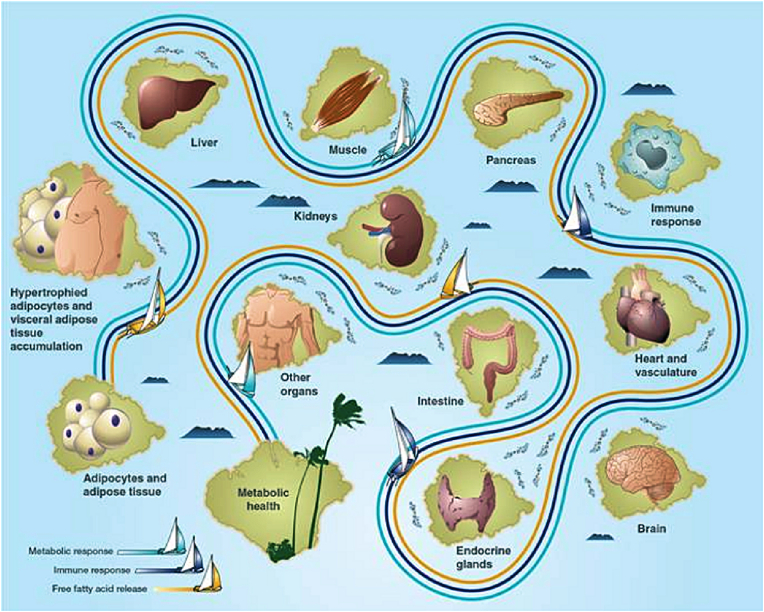
How does obesity (adiposopathy) contribute to type 2 diabetes mellitus? In addition to biomechanical abnormalities leading to “fat mass disease” [2] obesity may cause adiposopathy, or “sick fat disease [34].” Adipose tissue immunopathies, endocrinopathies, and increased circulating free fatty acids may lead to insulin resistance and beta cell dysfunction [[5], [6], [7], [8],32,33]. The degree by which the adiposopathic consequences of obesity promotes hyperglycemia depends on the crosstalk, interactions, and biometabolic responses of other body organs such as liver, muscle, pancreas, kidney and brain.
Fig. 2
Fig. 2
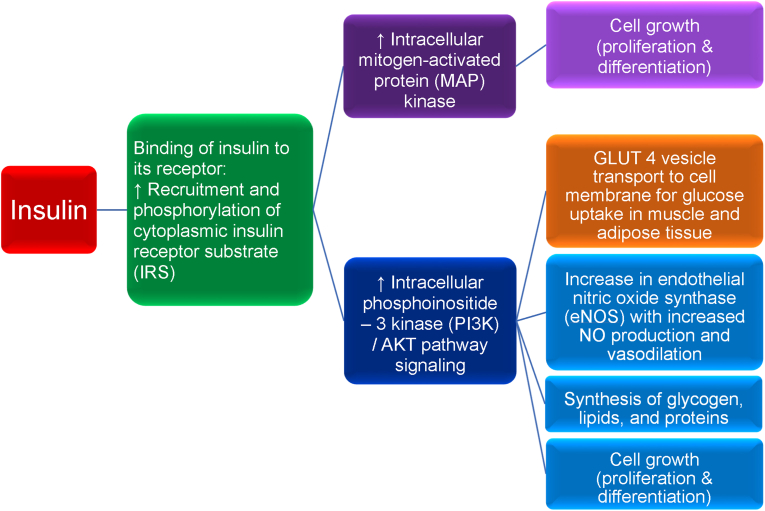
Insulin and insulin receptor functions. Diminished insulin activity can be due to an absolute or relative decrease in circulating insulin and/or impaired insulin signaling via reduced number of insulin receptors and/or impaired post-receptor insulin signaling [22,28]. Normoglycemia can be maintained in the early stages of insulin resistance by increased basal insulin (i.e., hyperinsulinemia), as often occurs in patients with obesity. However, over time, insulin secretion may no longer be sufficient to overcome insulin resistance, resulting in hyperglycemia. Obesity and the hyperglycemia of type 2 diabetes mellitus (T2DM) may result in a relative decrease in pancreatic insulin secretion, potentially due to elevations in leptin levels [35] as well as due to apoptosis with decreased pancreatic beta cell mass [4] as the result of: (a) beta cell exhaustion/overload [36], (b) glucolipotoxicity [4,37], (c) increase in pro-inflammatory factors, and (d) decrease in anti-inflammatory factors (e.g., adiponectin) [38]. Insulin is a peptide hormone released by pancreatic beta cells in response to a rise in blood glucose (e.g., postprandial response to carbohydrate ingestion). Fructose, some amino acids and fatty acids can also augment insulin release [39]. Insulin binds to the extracellular alpha subunit portion of the transmembrane insulin cellular receptor of body tissues (e.g., liver, muscle, fat, brain). This activates a phosphorylation cascade involving transmembrane insulin receptor beta subunits that process tyrosine kinase activity, auto-phosphorylating insulin receptor tyrosines, and promoting the phosphorylation and activation of cytoplasmic insulin receptor substrate (IRS). Activated IRS stimulates intracellular mitogen-activated protein (MAP) kinase, which in turn, promotes cell growth (e.g., proliferation and differentiation of tissues such as skeletal muscle cells [40] and fat cells [41]). While insulin mainly functions as a physiologic mitogenic facilitator, hyperinsulinemia may predispose to unregulated mitogenesis and cancer [[42], [43], [44]] Insulin-mediated phosphorylation of IRS also facilitates the phosphoinositide 3-kinase (PI3K)/AKT pathway (i.e., AKT is also known as protein kinase B) which is responsible for most of insulin's metabolic effects – such as the transport of glucose vesicle transporters (GLUT 4) to outer cellular membranes resulting in glucose uptake from the circulation into body tissues – thus lowering blood glucose. Insulin-dependent GLUT 4 is found in skeletal muscle and adipose tissue; insulin-independent GLUT 2 is found in liver. Increased PI3K/AKT signaling also promotes (a) increase in endothelial nitric oxide synthase (eNOS) that facilitates increased nitric oxide production, increased vasodilation, and increased adipose tissue perfusion allowing for enhanced glucose and free fatty acids uptake in adipocytes for storage, (b) synthesis of glycogen, lipids, and proteins and (c) cell growth (i.e., proliferation & differentiation). Dysregulation of the PI3K-AKT pathway for cell proliferation/differentiation is the most common activated pathway in human cancer [44,45]. Among patients with obesity and T2DM, in addition to reduced number of insulin receptors potentially as the result of impaired insulin receptor delivery to the cell surface due to endoplasmic reticulum stress, severe insulin resistance is mainly described as a post insulin receptor signaling defect, via disruption of the IR/IRS cascade. Specifically, obesity may result in adiposopathic increases in inflammatory factors (e.g., cytokines such as tumor necrosis factor and interleukins) and free fatty acids that may impair PI3K/AKT signaling, potentially contributing to post-receptor insulin resistance, prediabetes, and/or T2DM [46].
Fig. 3
Fig. 3
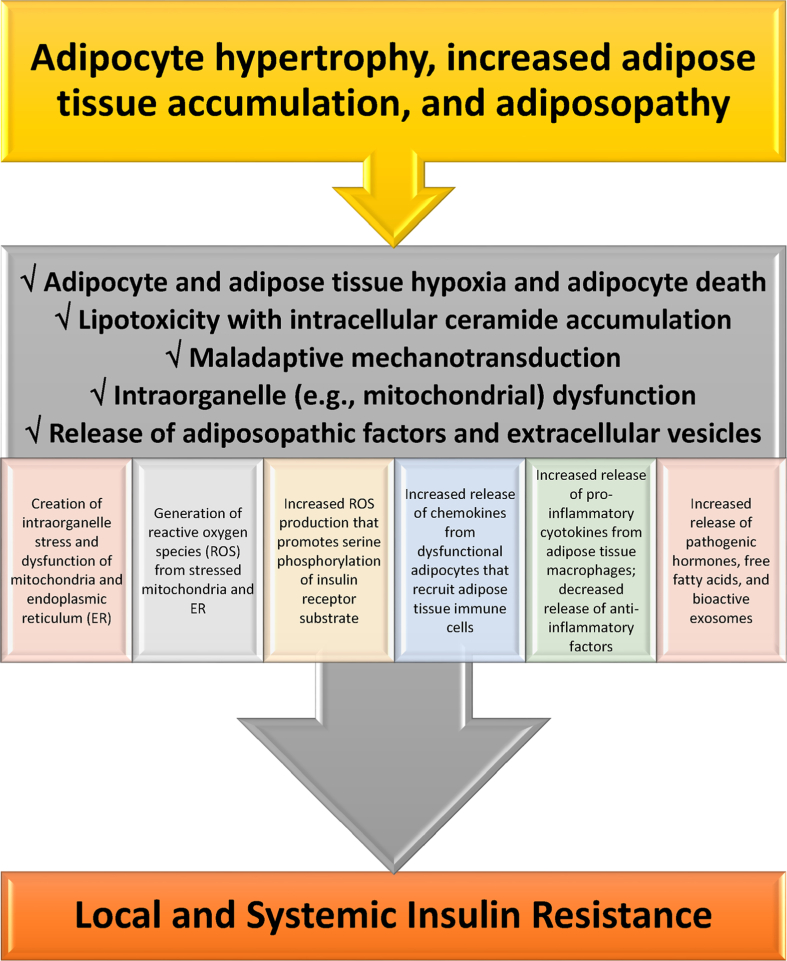
Mechanisms how adiposopathic processes lead to insulin resistance. If obesity-mediated adipocyte hypertrophy and adipose tissue accumulation outgrows vascular supply, then the insufficient delivery of oxygen may contribute to adipocyte and adipose tissue hypoxia and increased adipocyte death. Adipocyte and adipose tissue hypoxia may adversely affect multiple metabolic processes regarding angiogenesis, adipocyte proliferation, adipocyte differentiation, reactive oxygen species generation, inflammation, and fibrosis. Beyond adipocyte and adipose tissue hypoxia, excessive intracellular lipids in the form of fatty acids may lead to ceramide (i.e., a unit of sphingolipids) and diacylglycerol (DAG) formation in adipocytes, where similar to adverse effect of increased fatty acid influx and ceramide and DAG accumulation in liver and muscle, may cause lipotoxicity leading to adipocyte dysfunction [47], such as: (a) inhibiting AKT Protein Kinase B and thus decreasing glucose uptake via GLUT 4, (b) inhibiting hormone sensitive lipase and thus decreasing adrenergic-mediated lipolysis, and (c) impairing mitochondrial function [47], all contributing to insulin resistance. Mechanotransduction occurs when cells sense, integrate, and respond to mechanical stimuli via biologic signaling and adaptations. During healthful expansion, adipose tissue responds by adapting to its microenvironment (e.g., formation, dissolution, and reformation of extracellular matrix) via continuous remodeling to maintain its structural and functional integrity. During positive caloric balance, especially if proliferation is impaired, adipose tissue expansion is often accompanied by hypertrophy of existing adipocytes. Adipocyte hypertrophy, immune cells infiltration, fibrosis and changes in vascular architecture may generate mechanical stress on adipose cells, alter healthful adaptive mechanotransduction, and disrupt healthful adipose cell expansion physiology. Maladaptive mechanotransduction may promote obesity-associated dysfunction in adipose tissue (i.e., adiposopathy) [48]. Overall, contributors to mitochondrial dysfunction include adipocyte and adipose tissue hypoxia, lipotoxicity [47,49], maladaptive mechanotransduction, hyperglycemia [50], and high fat dietary intake [51]. Adipocyte mitochondrial dysfunction is a potential primary cause of adipose tissue inflammation [52]. Among the adverse consequences of adiposopathic mitochondrial (and endoplasmic reticulum) dysfunction is the generation of reactive oxygen species (ROS). ROS are unstable molecules containing oxygen that easily react with other cellular molecules, contributing to deoxynucleic acid damage, cancer, fibrosis, and aging [44]. Other contributors to increased ROS production are hyperglycemia [53] and adiposopathic increases in cytokines such as tumor necrosis factor. Increased tumor necrosis factor-mediated mitochondrial ROS production may facilitate JNK activation, increase serine phosphorylation of insulin receptor substrate-1 (IRS-1), decrease insulin-stimulated tyrosine phosphorylation of IRS-1, and thus contribute to obesity-mediated insulin resistance [54,55]. In summary, adipocyte hypertrophy leading to initial adipocyte dysfunction results in local proinflammatory effects that, in turn, further worsen adipocyte function, resulting in worsening adiposopathy and adipocyte insulin resistance. Systemically, adiposopathic proinflammatory factors, pathogenic hormones, and free fatty acids may be released into the circulation either directly from adipose tissue, or via adipocyte extracellular vesicles (e.g., bioactive molecules such as lipids, proteins, and nucleic acids that are packaged and transferred from adipocytes to other body tissues via exosomes, microvesicles, and apoptotic bodies formed as the result of adipocyte necroptosis or pyroptosis). The increase in pro-inflammatory factors (e.g., tumor necrosis factor and interleukins 1 beta and 6) [56] and decrease secretion of anti-inflammatory factors (e.g., adiponectin) [57] may promote insulin resistance (i.e., reduced cellular surface insulin receptors and post-insulin receptor defects) in susceptible non-adipose tissue peripheral organs, such as skeletal muscle and liver, contributing to “inflexibility” in managing, responding or adapting to changes in metabolic substrates.
Fig. 4
Fig. 4
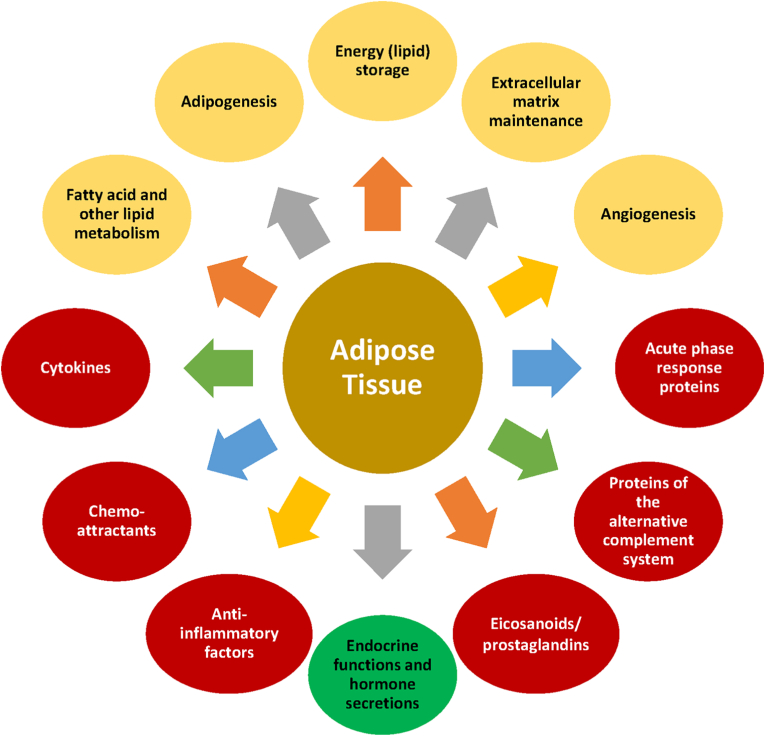
Illustrative adipose tissue functions potentially altered by obesity-mediated immunopathies. Adipose tissue is an active immune (and endocrine organ) that regulates multiple body processes critical to body homeostasis and body health. Disruption of adipose immune functions (i.e., adiposopathy) contributes to metabolic diseases and adverse cardiac and cancer outcomes. Many of the cytokines released with obesity may act locally. Systemic cytokine effects depend upon individual responses of non-adipose tissue organs [4].
Fig. 5
Fig. 5
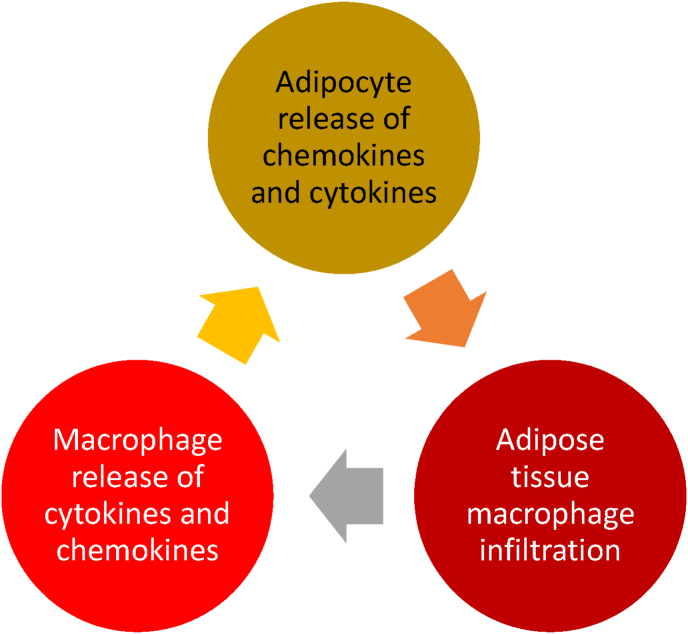
Obesity and the adiposopathic inflammatory cycle. Adipocyte hypertrophy and adipose tissue accumulation may lead to relative or absolute hypoxia, lipotoxicity, altered mechanotransduction, and intraorganellar dysfunction prompting release of cytokines (e.g., tumor necrosis factor) and chemokines [e.g., monocyte chemoattractant protein-1 (MCP-1)]. Adipocyte secreted MCP-1 attracts monocytes to adipose tissue that differentiate into macrophages. Adipose tissue macrophages produce additional MCP-1, that recruits more inflammatory cells to adipose tissue. Adipose tissue macrophages also produce proinflammatory cytokines such as tumor necrosis factor, that among pathogenic effects, includes the promotion of MCP-1 production from adipocytes, recruiting yet more immune cells to adipose tissue.
Fig. 6
Fig. 6
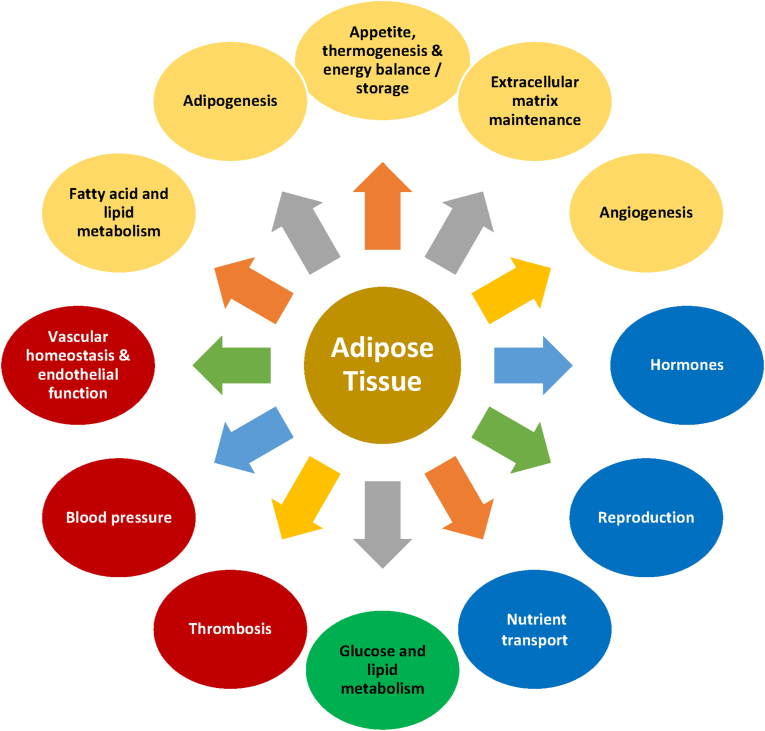
Illustrative adipose endocrine functions. Adipose tissue is an active endocrine (and immune) organ that regulates multiple body processes critical to body homeostasis and health. Adipocytes have cellular receptors for traditional hormones, nuclear receptors for other hormones, receptors for cytokines or adipokines, receptors for neuronal hormones, as well as receptors for adenosine, lipoproteins, neuropeptide Y1 and Y5, prostaglandins, vascular endothelial growth factor and endocannabinoids. Dysfunction of adipose tissue (adiposopathy) may lead to adverse endocrinopathies and immunopathies leading to adverse clinical outcomes (e.g., diabetes mellitus, hypertension, dyslipidemia, alterations in reproductive hormones, cardiovascular disease, and cancer).
Fig. 7
Fig. 7
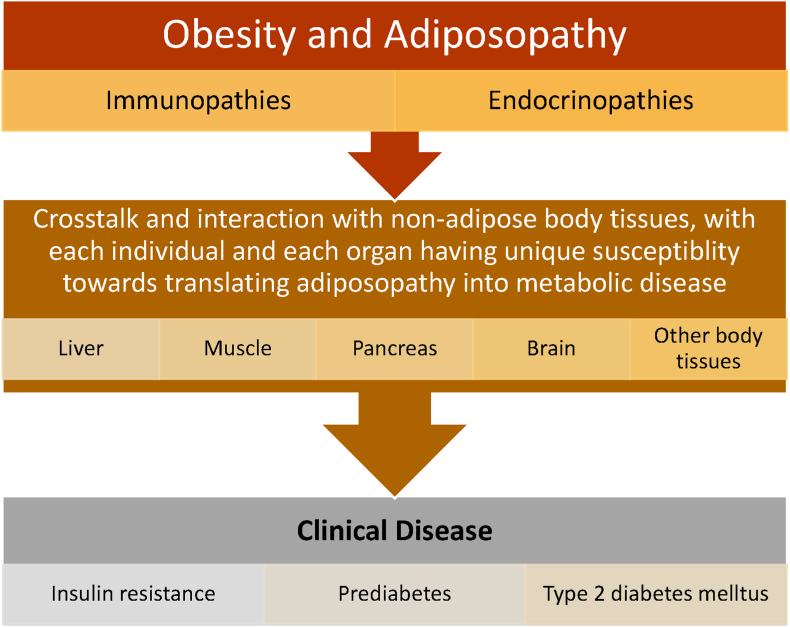
Importance of non-adipose tissue in obesity-related glucose dysregulation (and other cardiometabolic diseases). The degree the immunopathies and endocrinopathies of adiposopathy result in adverse clinical consequences (e.g., abnormalities in glucose metabolism) largely depend on crosstalk, interactions, and biometabolic responses from non-adipose body tissues. Prediabetes and type 2 diabetes mellitus (T2DM) are mostly caused by multi-organ insulin resistance in conjunction with a decline in pancreatic beta cell insulin secretory function [4] The degree that weight reduction improves body organ function (e.g., adipose tissue, liver, muscle, pancreas, kidney, brain) varies among different individuals and among different organs within the individual. For example, insulin sensitivity in the liver (insulin-mediated suppression of glucose production) and adipose tissue (insulin-mediated suppression of lipolysis) may be maximally improved with 5%–8% weight reduction, while greater amounts of weight reduction may further improve skeletal muscle insulin sensitivity [4].
Fig. 8
Fig. 8
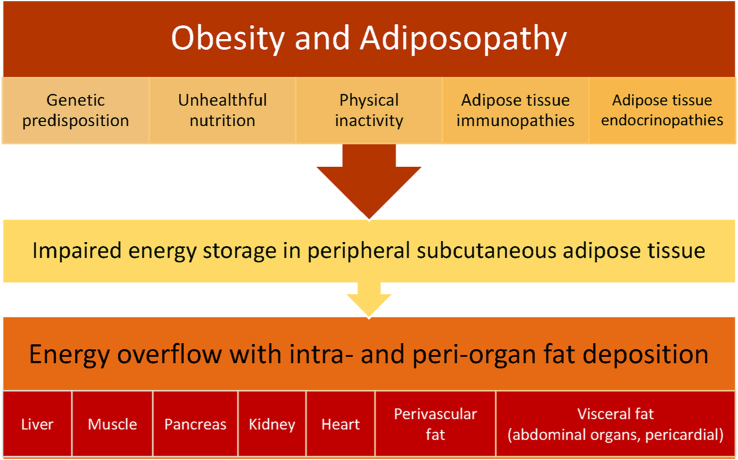
Obesity, adiposopathy, energy overflow, and fat deposition within and around body organs. If during positive caloric balance, energy is stored in peripheral subcutaneous adipose tissue through unfettered adipocyte proliferation and differentiation, then while this may still result in biomechanical obesity complications described by “fat mass disease,” this may mitigate the adiposopathic “sick fat disease” immunopathies and endocrinopathies. However, if during positive caloric balance, either adipocyte proliferation or differentiation is impaired, then this may cause adipose tissue dysfunction (See Fig. 3) and limit energy storage in adipose tissue. This may result in immunopathies (See Fig. 4), endocrinopathies (See Fig. 6), and energy overflow with fat that may be deposited within and around body organs (i.e., fatty liver, fatty muscle, fatty heart), potentially resulting in “lipotoxicity” (See Fig. 3), depending on the susceptibility of the non-adipose tissue organ (See Fig. 7). The determination of energy (i.e., fat) storage distribution during positive caloric balance within the individual is dependent upon such factors as age [14], sex [14], race [14], genetics, medications (e.g., hormones, thiazolidinediones [98]), and concurrent illnesses (e.g., lipodystrophy). In general, among patients with overweight/pre-obesity and/or obesity undergoing weight reduction interventions, subcutaneous adipose tissue undergoes the greatest absolute amount of fat mass reduction through healthful nutrition, routine physical activity, anti-obesity medications, and bariatric surgery, largely because subcutaneous adipose tissue usually makes up most body fat (i.e., 90% or more). That said, the reduction of visceral adipose tissue correlates with reduction of subcutaneous adipose tissue, and the proportion of visceral fat reduction is often greater than subcutaneous fat reduction [99], with the degree of percent visceral fat reduction influenced by the same beforementioned factors that originally contributed to visceral fat accumulation.
Fig. 9
Fig. 9
Navigating potential adiposopathic health consequences of adipocyte hypertrophy and visceral adiposity. Obesity, adipocyte hypertrophy, and accumulation of adipose tissue in the visceral and android regions often reflects pathogenic adipose tissue immune and endocrine responses, as well as increased circulating free fatty acids, that may be lipotoxic to peripheral organs. The pathogenic potential of adipose tissue to cause clinical disease largely depends on crosstalk, interactions, and responses of multiple body tissues. The liver, muscle, and other body organs among unique individuals may elicit unique responses to physiological/pathophysiological interaction and crosstalk with their adipose tissue (e.g., the adiposopathic immune, endocrine, and fatty acid onslaught that often occurs with obesity). Body organ metabolic flexibility is the ability of the organ to respond or adapt to changes in metabolic substrates. Adipokines influence metabolic flexibility in adipocytes. Similarly, myokines and hepatokines act on metabolism in muscle and liver, respectively, through paracrine and endocrine signaling [100]. Thus, the predisposition towards developing nonalcoholic fatty liver disease, for example, might best be explained by a “multiple hit” model. Beyond the immunopathies, endocrinopathies, increased free fatty acids, and insulin resistance consequences of adiposopathy, contributors to nonalcoholic fatty liver disease also include qualitative nutritional factors, physical inactivity, gut microbiota, concomitant medications, and especially genetic and epigenetic factors [65,101] An inability to adequately metabolize adiposopathic free fatty acid overload (i.e., hepatic metabolic inflexibility) is key towards the development of nonalcoholic fatty liver disease, with lipotoxicity, mitochondrial dysfunction and cellular stress leading to inflammation, apoptosis and fibrogenesis [102].Similarly, insulin sensitivity in skeletal muscle differs, depending on genetic predisposition [103]. Skeletal muscle accounts for about 70% of insulin-mediate glucose disposal [104]. Potentially as the result of adiposopathic insulin resistance, not only might skeletal muscle be “inflexible” in its metabolism of glucose (thus contributing to hyperglycemia), but mitochondrial dysfunction and decreased mitochondrial oxidation of free fatty acid influx from adiposopathy may re-route fatty acids towards ceramide synthesis in skeletal muscle, further worsening insulin signaling and contributing to worsening of insulin resistance [105] and thus contributing to obesity-mediated prediabetes or type 2 diabetes mellitus (Figure copied with permission from Ref. [7]).
Fig. 10
Fig. 10
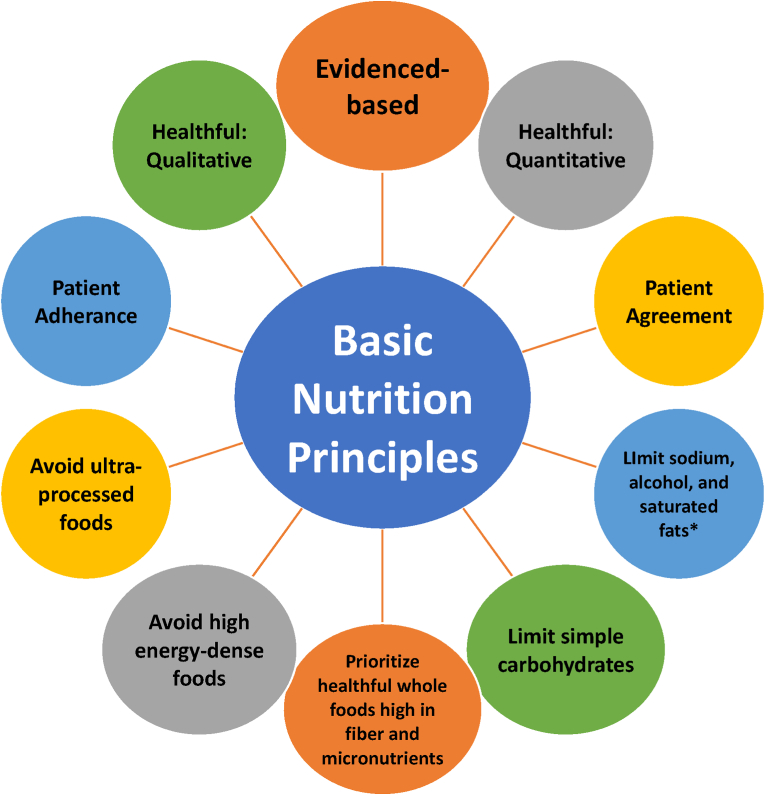
Basic healthful nutrition principles [112,113]. Dietary principles that apply to patients with obesity without diabetes mellitus are similar to nutritional recommendations for patients with obesity and type 2 diabetes mellitus (T2DM), as well as similar to nutritional interventions for patients with other potential adiposopathic conditions such as high blood pressure, dyslipidemia, and/or cardiovascular disease and cancer. Prescriptive dietary recommendations should be evidenced-based [3] and be healthful both qualitatively and quantitatively. Nutritional recommendation should be sufficiently patient-centered and culturally sensitive as to facilitate patient agreement and adherence [113,[124], [125], [126]]. In general, patients should avoid ultra-processed, high energy-dense foods, limit sodium, alcohol, and simple carbohydrates. Conversely, it is generally more healthful to prioritize whole foods that are high in fiber and micronutrients (e.g., whole fruits and vegetables). Especially in patients with diabetes mellitus, complex carbohydrates are preferred over simple carbohydrates, which often have a higher glycemic index/load. ∗ Many natural foods contain varying amounts of saturated, polyunsaturated, and monounsaturated fat. The data regarding the relationship of saturated fat-containing dairy products and cardiovascular disease is inconsistent and may be related to the size of the component fatty acids (i.e., number of carbons). Dairy food intake is often a component of “healthful” diets, such as the Mediterranean Diet. Additionally, most studies supporting saturated fats as unhealthful (e.g., especially regarding increased cardiovascular disease risk) evaluated isocaloric substitution for other nutrients as opposed to health effects of different types of saturated fats during clinically meaningful weight reduction. Weight reduction via carbohydrate restricted nutritional intervention in patients with pre-obesity or obesity, and pre-diabetes or T2DM, may contribute to improvement or remission in diabetes mellitus, reduction in high blood pressure, and improvement in blood lipids such as triglycerides and high-density lipoprotein cholesterol. That said, patients with genetic dyslipidemias, or patients with increased intestinal cholesterol absorption with weight reduction, may experience moderate to marked increases in low-density lipoprotein cholesterol with carbohydrate restriction, which if excessive or uncontrolled, may suggest the need to replace saturated fats with poly or monounsaturated fats and restrict dietary intake of dietary cholesterol, or perhaps consider medications such as cholesterol absorption inhibitors (e.g., ezetimibe) or statins [112].
Fig. 11
Fig. 11
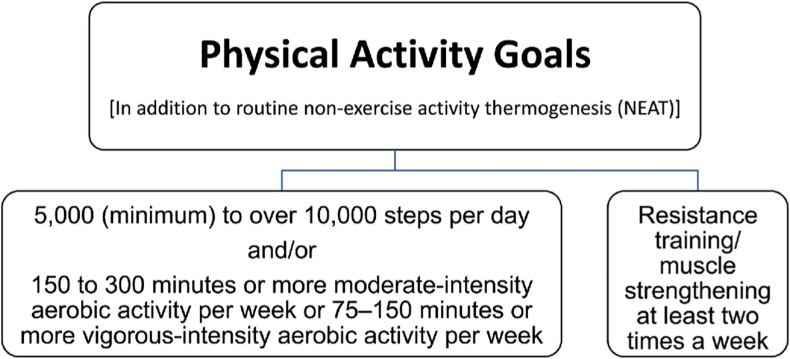
Obesity Medicine Association (OMA) physical activity [112] recommendations. The OMA physical activity recommendations may differ from other physical activity recommendations by explicitly including daily steps as an acceptable goal for dynamic/aerobic physical activity. Averaging around 5000 steps per day may be a good starting point for many patients with obesity who have limited mobility, or who were previously physically inactive. Evidence supports that 5000 steps or more per day may reduce mortality compared to 2700 steps per day [127]. Among those who engage in over 10,000 steps per day, the risk of incident type 2 diabetes mellitus (T2DM) is substantially reduced [128]. The health benefits of increasing steps per day appear to be linear up to 10,000 steps per day, with each 2000-step increment above inactivity associated with 6% lower risk of progression toward T2DM [129]. Similarly, especially among those ≥60 years of age, the reduction in risk for cardiovascular disease events is generally linear from minimal to 7000/10,000 steps per day [130]. It is unclear that step intensity is associated with mortality after adjusting for total steps per day [131].
Fig. 12
Fig. 12
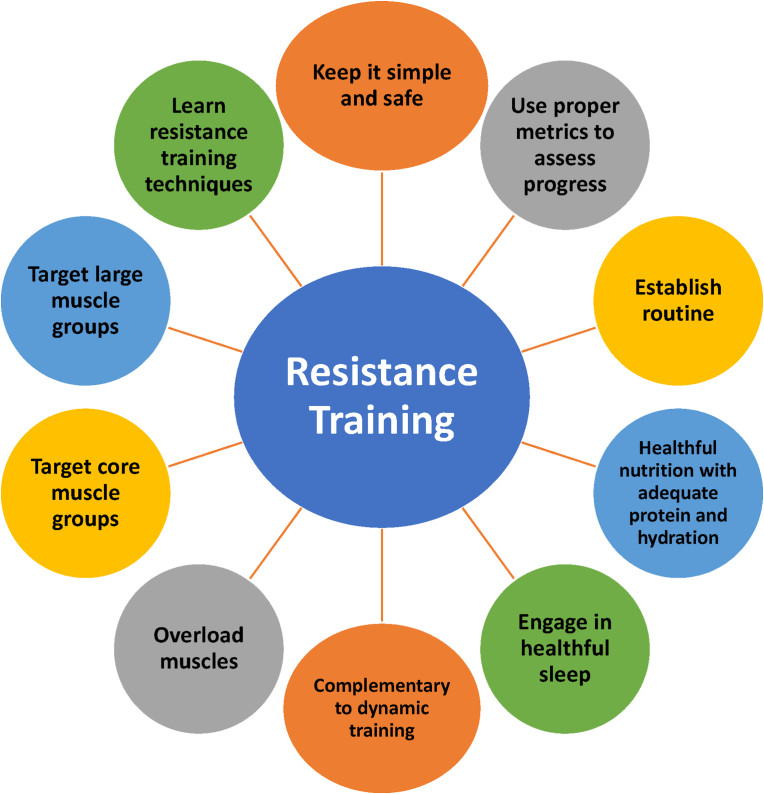
Summary of resistance training recommendations for patients with obesity [14,112]. The #1 priority in resistance training is primum non nocere (“first do no harm”), which is best achieved by a pre-physical-exercise health assessment (e.g., cardiovascular, pulmonary, musculoskeletal, and neurologic body systems) and patient education on safe resistance training techniques. Further, it is often advantageous to focus on the basic principles of this figure, with the use of an individual physical exercise prescription, rather than pursue a “quick fix” strategy via unproven and potentially interventions such as unsafe training practices and use of unproven supplements. Resistance training progress may best include muscle tape measurements and body composition, as opposed to body weight or the amount of weight lifted. Among the more efficient ways to increase total muscle mass is to train large muscle groups. Healthy posture, balance stabilization, back muscle strength, and endurance might best be achieved with physical exercise directed at developing “core” muscles. In most cases, both low load training (i.e., lower weights per set with more repetitions) and high load training (i.e., heavier weights with fewer repetitions) resistance will promote muscle fiber hypertrophy. In either case, muscle hypertrophy mainly occurs with sufficient effort that results in muscle overload. That said, just as with dynamic/aerobic training, what may matter most is adhering to a routine. For most individuals, adequate protein intake for muscle development can be achieved with healthful nutrition via natural food sources. Healthful sleep can favorably affect multiple body processes [132], including the effectiveness of resistance training; resistance physical exercise may in turn, improve sleep quality. Finally, resistance training should be considered as complementary to (and not a substitute for) dynamic/aerobic exercise training.
Fig. 13
Fig. 13
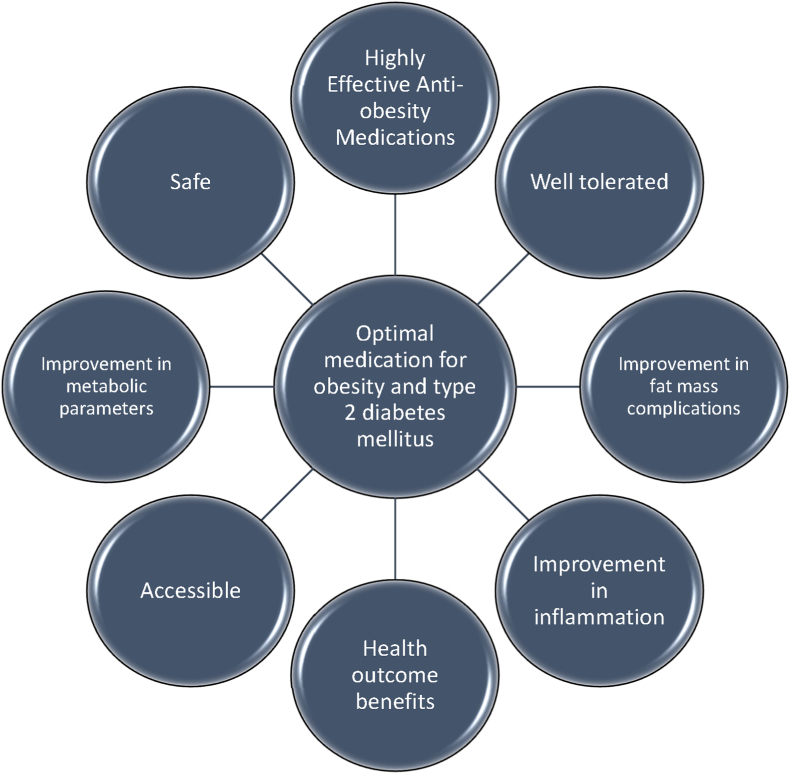
Optimal anti-obesity medications. Several factors determine the choice of optimal anti-obesity medications, which is best determined by developing an individualized plan based upon the patient's specific needs. While weight reduction as little as 5% among patients with obesity may improve metabolic parameters, clinical outcome benefits are best achieved by 15% weight reduction or more, which can be achieved by highly effective anti-obesity medications (heAOM) [31].
Fig. 14
Fig. 14
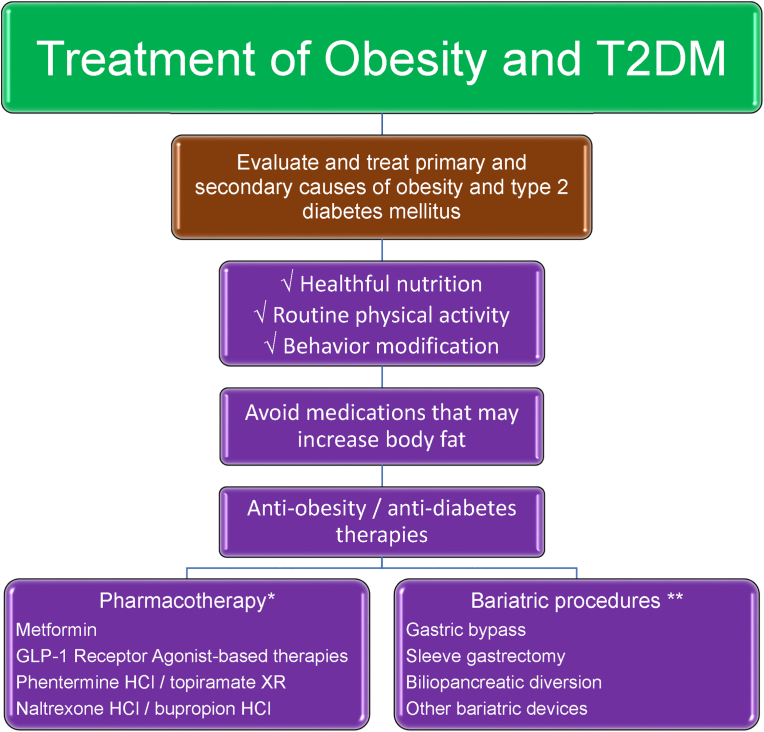
Treatment of patients with obesity and type 2 diabetes mellitus (T2DM). Determining optimal therapy begins with diagnosing and treating the causes of the diseases of obesity and T2DM. Healthful nutrition, routine physical activity, and behavioral therapy are recommended to achieve and maintain ≥5% weight reduction for most patients with T2DM and pre-obesity/overweight or obesity. Additional weight reduction often results in further improvements in glycemic control and reducing cardiovascular disease (CVD) risk factors, and potentially a reduction in CVD event risk [15,[133], [134], [135]]. Factors that determine the optimal choice of anti-obesity/anti-diabetes medications in patients with pre-obesity/overweight or obesity include safety, efficacy, effects on body weight, effect on blood glucose, effect on potential diabetes remission, improvement in cardiovascular disease (CVD) risk factors, and evidence of reduced CVD outcomes [133]. ∗ Most participants in the cardiovascular outcomes trials of anti-diabetes medications proven to reduce CVD risk included patients treated with baseline metformin. However, organizations such as the American Diabetes Association (ADA), have recommended metformin as an optional concurrent treatment to reduce CVD risk [136]. Metformin has limited data supporting beneficial CVD outcomes [137], and the glucose lowering effects of metformin may wane over time, with among the greatest predictors of metformin failure being higher levels of baseline hemoglobin A1c [138]. Among patients at CVD risk, the ADA gives preference to anti-diabetes therapies with proven CVD benefits, such as glucagon like peptide – 1 receptor agonist (GLP-1 RA) and sodium glucose transporter 2 inhibitors (SGLT2i) [136]. GLP- 1 RA – based anti-diabetes therapies with cardiovascular outcomes trials supporting reduction in major adverse cardiovascular events (MACE) include liraglutide, semaglutide, dulaglutide, and efpeglenatide. Tirzepatide is a GLP-1 RA and glucose-dependent insulinotropic polypeptide that improves multiple CVD risk factors and that is currently undergoing CVD outcomes trials [139,140]. SGLT2i with proven CV benefits are also recommended; however, SGLT2i promote only mild weight reduction and no SGLT2i is indicated to treat obesity [15,134,135]. Data are lacking regarding long-term, prospective, randomized, clinical efficacy and safety of phentermine monotherapy for glycemic control and CVD risk. Many patients with obesity are at high risk for CVD. T2DM is a major cardiovascular disease risk factor. Phentermine is contraindicated in patients with CVD [115]. ∗∗ Metabolic/bariatric surgery [118] can improve glucose control in patients with T2DM and obesity, and may also promote remission of T2DM [133,141].
Fig. 15a
Fig. 15a
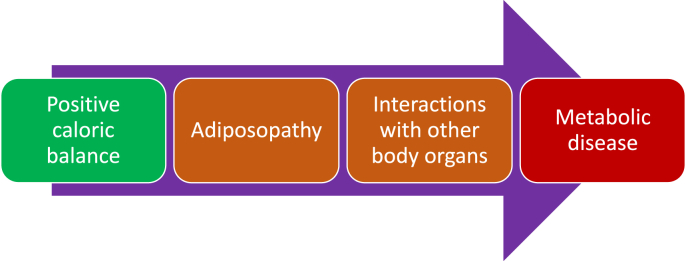
Adipocentric paradigm.
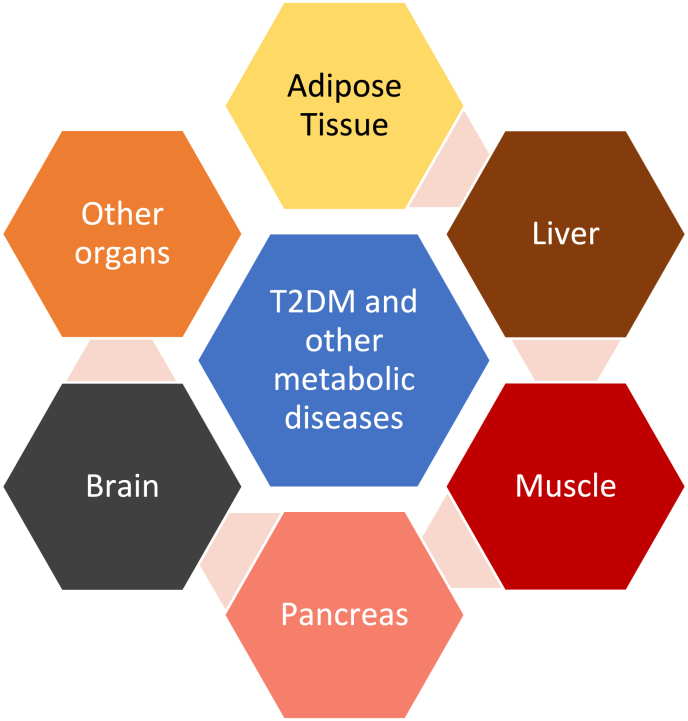
Fig. 15b
Fig. 15b
Discordant multiorgan interaction paradigm. Major risk factors for T2DM include increased body fat, age ≥45, physical inactivity, and genetics (family history and race). Not all cases of common metabolic diseases are attributable to increased body fat [3]. For example, some cases of T2DM can be caused by rare conditions such as hemochromatosis, hypercortisolism, excessive growth hormone, pancreatic insufficiency, side effects of concomitant therapies, genetic syndromes of insulin resistance, and genetic syndromes of limited pancreatic insulin secretion [3]. No matter the paradigm, T2DM is most often due to discordant multiorgan interactions (See Fig. 15b), and not just an increase in body fat. In fact, T2DM can sometimes be due to reduced body fat (not increased body fat), as occurs with lipodystrophy [156]. This line of thinking may potentially lead to the dubious conclusion that caloric intake, adipocyte hypertrophy, adipose tissue accumulation, and adipose tissue dysfunction (e.g., endocrinopathies or immunopathies) are irrelevant to the pathogenesis of most cases of cardiometabolic diseases such as T2DM [3]. However, the clinical data supports that obesity and adiposopathy are the most common modifiable factors when assessing the cause and treatment of metabolic diseases such as T2DM. Because even when remission of T2DM is correlated with a reduction in excess fat from the liver and pancreas [157], this is usually within the context of substantial weight reduction [158]. Furthermore, among those with obesity, the origin of free fatty acids delivered to the liver in the postabsorptive state is usually about 20% from lipolysis from visceral fat (although as high as 50% in some individuals), and 80% from lipolysis of subcutaneous adipose tissue [4]. The origin of most systemic free fatty acids delivered to muscle is from subcutaneous adipose tissue, and not visceral adipose tissue (which is drained into the liver via the portal circulation) [159]. Thus, both subcutaneous and visceral adipose tissue play a role in fatty liver, fatty muscle, and thus play a central role in insulin resistance and T2DM. Weight reduction via hypocaloric diets result in reduction in subcutaneous adipose tissue, visceral adipose tissue, pancreatic fat, and liver fat, with the reduction of liver lipid content being the strongest predictor of insulin resistance improvement after weight reduction [160], likely because a reduction in intraorgan fat (i.e., hepatic fat) and reduction in ectopic fat (i.e., visceral fat) are both markers for improved adipose tissue function. In summary, increased body fat is the most consistent potentially modifiable risk factor leading to pre-diabetes/T2DM and many other metabolic diseases (e.g., high blood pressure and adiposopathic dyslipidemia) [9]. Risk factors such as age, race, genetic sex, other genetic inheritance, and concurrent illnesses (e.g., some neurological, metabolic, and body organ disorders) are not modifiable [3]. Conversely, body fat is often modifiable. Utilizing the principles of Ockham's razor (i.e., parsimony, economy, or succinctness in problem-solving) with the patient-centered provision that reversibility is preferred over irreversibility when assigning causation, then a logical conclusion might be: “When multiple abnormalities promote an adverse health outcome, it is the defect most directly, simply, and reversibly associated with promoting a disease, and the defect most beneficial when corrected, which is best labeled the ‘primary cause’” [9] The adipocentric paradigm and philosophical perspective regarding causality of common cardiometabolic diseases and cancer helps explain why body fat gain is often accompanied by onset of cardiometabolic disease (i.e., development of adiposopathic “sick fat”) [2]. The adipocentric paradigm helps explain why healthful nutrition, routine physical activity, behavior modification, anti-obesity medication and bariatric procedures may not only reduce body weight, may not only improve metabolic diseases and cardiometabolic risk factors, but also improve cardiometabolic disease and in some cases improve cancer outcomes [2,20,44,112,114,118]. The adipocentric paradigm is a model that best supports the implementation of the four pillars of obesity management (e.g., nutrition, physical activity, behavior modification, and anti-obesity medications), as well as helps support the rationale for bariatric procedures in patients with overweight or obesity. A central focus on managing body fat in the treatment of obesity and its complications is supported by the potential remission of metabolic diseases (See Fig. 16) and provides rationale why pre-obesity/obesity may often be considered the most clinically relevant treatment target and priority for patients without adverse acute complications (See Fig. 17) (see Fig. 18).
Fig. 16
Fig. 16
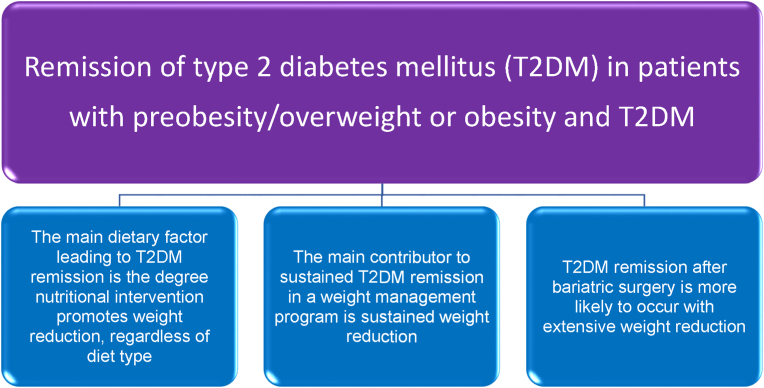
Intervention principles regarding remission of type 2 diabetes mellitus (T2DM) [161]. Strong and consistent evidence supports obesity management as delaying the progression from prediabetes to type 2 diabetes, improving glycemia in patients with T2DM, reducing the need for glucose-lowering medications, and promoting sustained diabetes remission through at least 2 years [133]. Modest weight reduction (i.e., 3–7% of baseline weight) improves glycemia and other intermediate cardiovascular risk factors while larger sustained weight losses (i.e., >10%) often results in disease-modifying effects such as possible remission of type 2 diabetes (and weight reduction ≥15% might best reduce cardiovascular disease outcomes and mortality) [133]. If intermittent fasting results in weight reduction, then this may also enhance remission of T2DM [162] Predictors of remission of T2DM include shorter duration of T2DM (<2 years duration), fewer number of anti-diabetes medications required to achieve euglycemia, and clinically meaningful weight reduction [161,163]. Among those with obesity, the most effective approach to prevent the progression of prediabetes to diabetes mellitus is clinically meaningful weight reduction [164]. The main dietary contributor to diabetes remission is weight reduction (regardless of macronutrients) [133]. While very low energy diets and formula meal replacement appear the most effective approaches, low carbohydrate diets and their affiliated weight reduction may be more effective in T2DM remission at 6 months, compared to low fat diets [165]. In an open-label, cluster-randomized controlled trial conducted at primary care practices, the main contributor to sustained T2DM remission in a structured weight management program was sustained weight reduction [166], with remission correlated with the amount of weight reduction (i.e., up to 86% remission among participants who lost 15 kg or more) [4]. In a national health record review in England, greater T2DM remission rates were consistently associated with weight loss and degree of weight loss [167]. A meta-analysis supports that patients with extensive weight loss were more likely to achieve T2DM remission after bariatric surgery [168], with the caveat that diabetes remission with bariatric surgery may be achieved via mechanisms beyond weight reduction alone [118,169]. Also, consistent with principle that the health benefits of body fat weight reduction depends on promoting favorable health effects upon adipose tissue function, the simple surgical removal of functional body fat may not result in metabolic health benefits (e.g., liposuction of subcutaneous abdominal adipose tissue or removal of intra-abdominal adipose tissue by omentectomy) [4]. Similarly, no approved or investigational medication exclusively developed to reduce hepatic fat in patients with nonalcoholic fatty liver disease (NAFLD) is approved to treat T2DM, much less promote T2DM remission (i.e., independent of weight reduction) [170]. Conversely, anti-obesity medications (e.g., glucagon-like peptide receptor agonists) may have beneficial effects on hepatic steatosis and inflammation in patients with NAFLD [171]. Overall: (a) body fat reduction must be induced by negative energy balance to achieve metabolic benefits [4], (b) clinically meaningful weight reduction and improvement in adipose tissue function can be achieved with reduced-caloric intake regardless of macronutrients [172], (c) the number of meals per day correlates better with weight change than timing of meals [173], (d) time-restrictive eating with caloric restriction produces no more weight reduction, body fat reduction, or improvement in metabolic risk factors than caloric restrictions alone [174], (e) with the possible exception of protein intake, evidence of relative differences between carbohydrates and fats in appetite regulation is either lacking or inconsistent [175,176], (f) isocaloric very low carbohydrate/high fat diets do not differ from high carbohydrate/low fat diets with regard to weight reduction (although low carbohydrate diets may reduce fasting and post prandial glucose and insulin concentrations) [177], and (g) weight reduction is the most consistent parameter in achieving remission of T2DM. These principles highlight the health importance of weight reduction among patients with obesity and T2DM. They help refute the myth that obesity (and its complications) are unrelated to the energy density and caloric intake of food [3]. Regarding macronutrients: “There may be health reasons to emphasize one macronutrient over another in a diet, but from the perspective of energy balance, total energy intake, rather than its source, is the critical factor to address [175].”
Fig. 17
Fig. 17
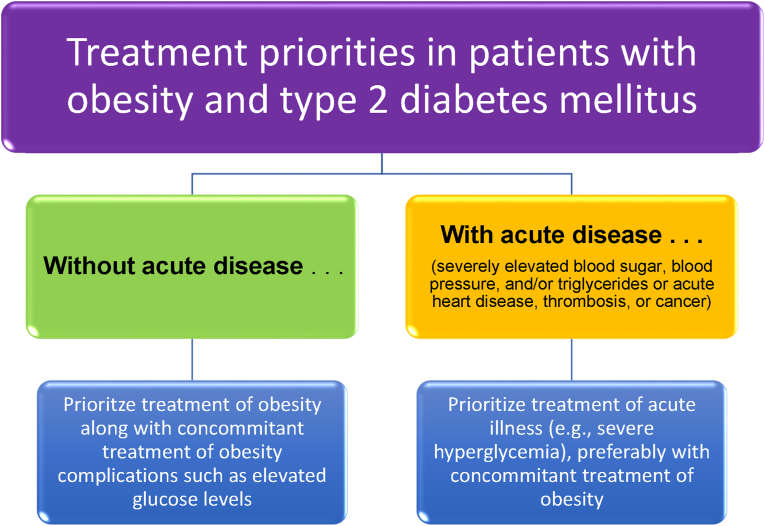
“Treat obesity first” prioritization for patients with obesity and type 2 diabetes mellitus (T2DM) without acute disease. Treatment of obesity is the priority for most patients without acute illness, especially if the therapies chosen for treatment of the obesity are also expected to improve the complications of obesity. Conversely, patients with marked increases in glucose and/or blood pressure, severe dyslipidemia (e.g., severe hypertriglyceridemia), acute thrombosis, cardiovascular disease (CVD), or cancer should have these acute metabolic abnormalities urgently assessed, managed, and treated – preferably with concomitant interventions that may also improve obesity. For example, while glucagon-like peptide-1 receptor agonist based therapies may reduce body weight and improve glycemic control in patients with overweight/obesity [20], if the patient with obesity and T2DM has heart failure, then beyond their indicated use as anti-diabetes medications, some sodium glucose transporter 2 inhibitors (SGLT1i) have clinical outcome data to support improvement in both CVD and heart failure [178], and may also facilitate mild weight reduction [179,180].
Fig. 18
Fig. 18
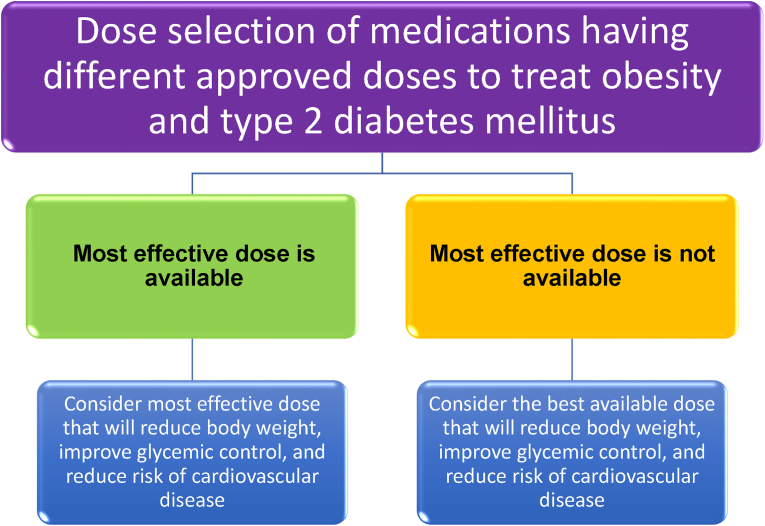
“Best available dose” approach in choosing medications for patients with obesity and type 2 diabetes mellitus (T2DM). Some medications are indicated to treat both obesity and T2DM, but at different doses for each disease. For example, semaglutide is a glucagon-like peptide-1 receptor agonist that at lower injectable doses 0.25–2.0 mg per week is indicated to improve glycemic control in patients with T2DM while semaglutide at 2.4 mg subcutaneously per week is approved for chronic weight management of patients with overweight with weight-related complications or obesity [20]. Challenges arise when higher medication doses for obesity are not available, as may occur with supply limitations or prohibitive cost. In such cases, for patients with obesity and T2DM, if the medication has proven benefits in reducing body weight, improving glycemic control, and reducing cardiovascular disease risk, then the optimal medication dose choice would be the dose most available to the patient.

References

    1. Bays H.E., McCarthy W., Burridge K., Tondt J., Karjoo S., Christensen S., Ng J., Golden A., Davisson L., Richardson L. Obesity Algorithm eBook. www.obesityalgorithm.org.2021https://obesitymedicine.org/obesity-algorithm/ presented by the Obesity Medicine Association.
    1. Fitch A.K., Bays H.E. Obesity definition, diagnosis, bias, standard operating procedures (SOPs), and telehealth: an Obesity Medicine Association (OMA) Clinical Practice Statement (CPS) 2022. Obes Pillars. 2022;1 - PMC - PubMed
    1. Bays H.E., Golden A., Tondt J. Thirty obesity myths, misunderstandings, and/or oversimplifications: an obesity medicine association (OMA) clinical practice statement (CPS) 2022. Obes Pillars. 2022;3 - PMC - PubMed
    1. Klein S., Gastaldelli A., Yki-Jarvinen H., Scherer P.E. Why does obesity cause diabetes? Cell Metabol. 2022;34:11–20. - PMC - PubMed
    1. Bays H., Abate N., Chandalia M. Adiposopathy: sick fat causes high blood sugar, high blood pressure and dyslipidemia. Future Cardiol. 2005;1:39–59. - PubMed

LinkOut - more resources