


Reinforcing the idea of an early dispersal of Hippopotamus amphibius in Europe: Restoration and multidisciplinary study of the skull from the Middle Pleistocene of Cava Montanari (Rome, central Italy)
- PMID: 37992018
- PMCID: PMC10664965
- DOI: 10.1371/journal.pone.0293405
Reinforcing the idea of an early dispersal of Hippopotamus amphibius in Europe: Restoration and multidisciplinary study of the skull from the Middle Pleistocene of Cava Montanari (Rome, central Italy)
Abstract
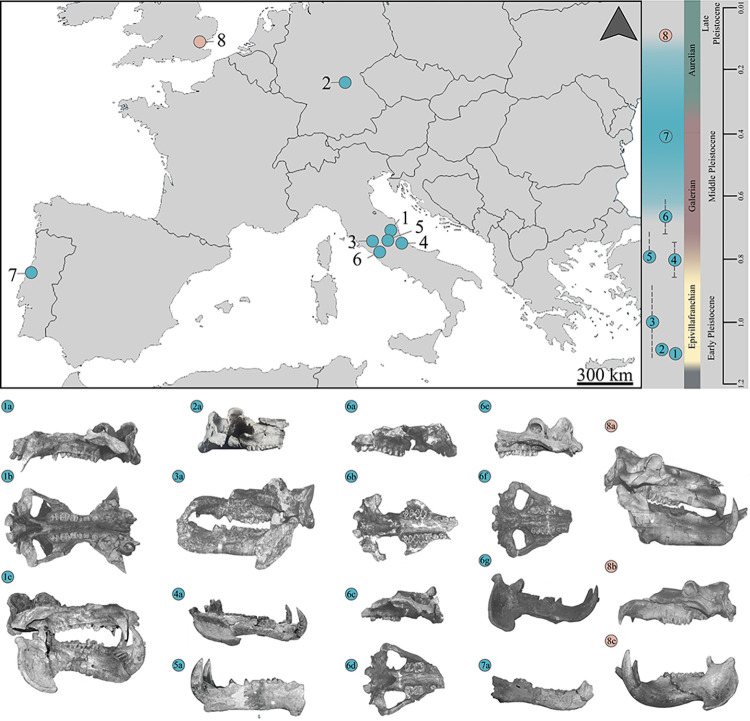
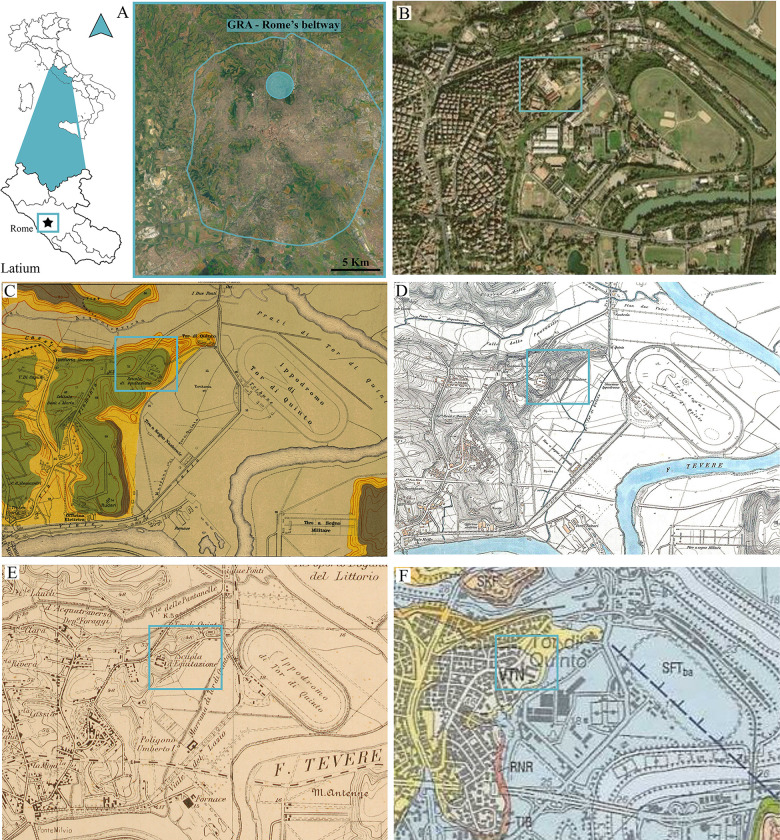
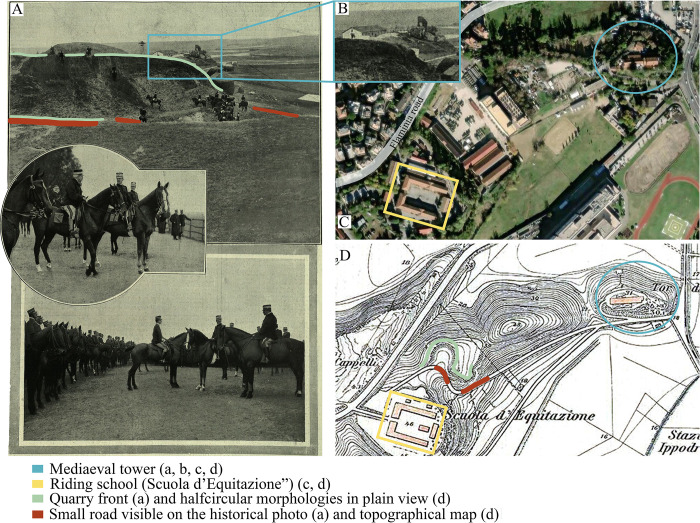
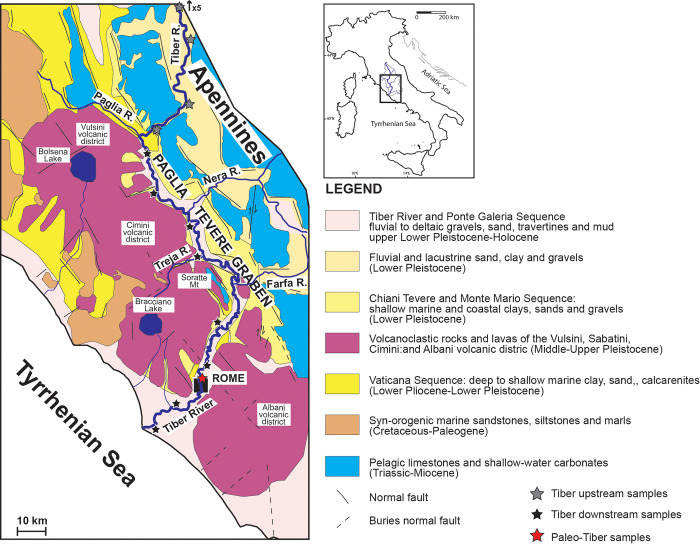
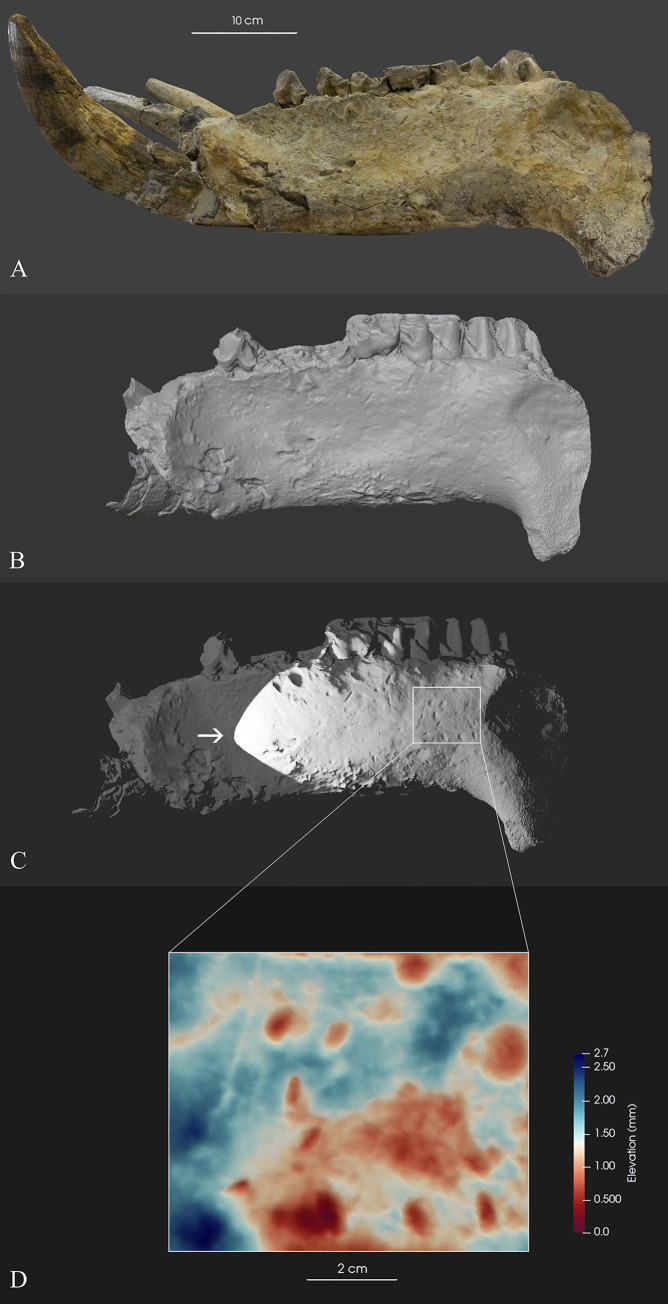
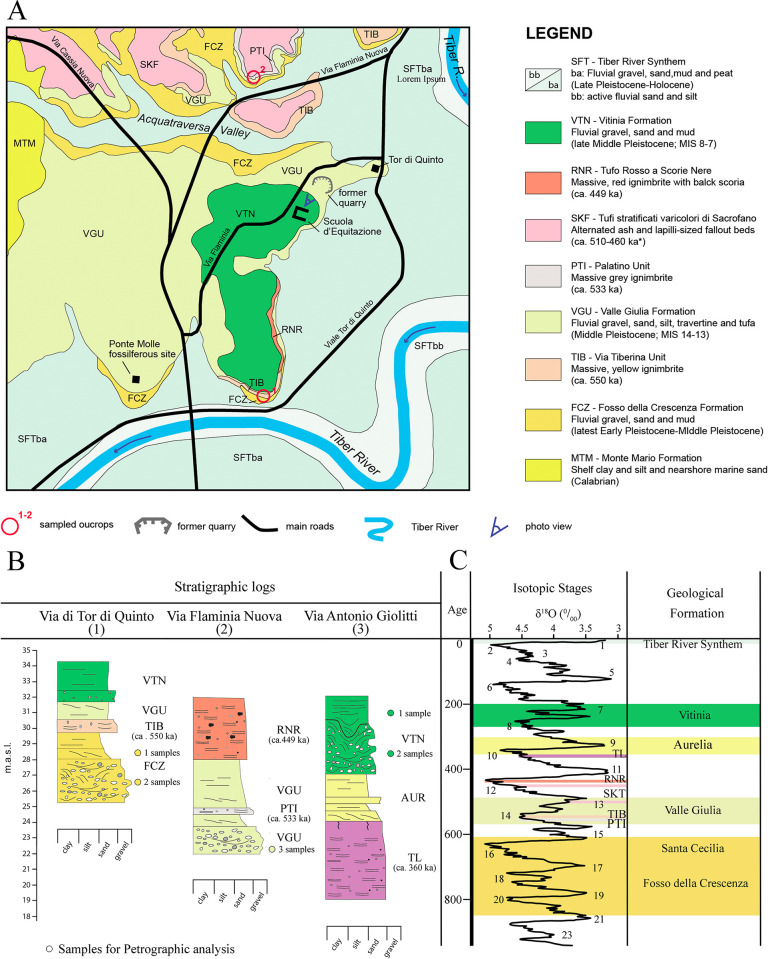
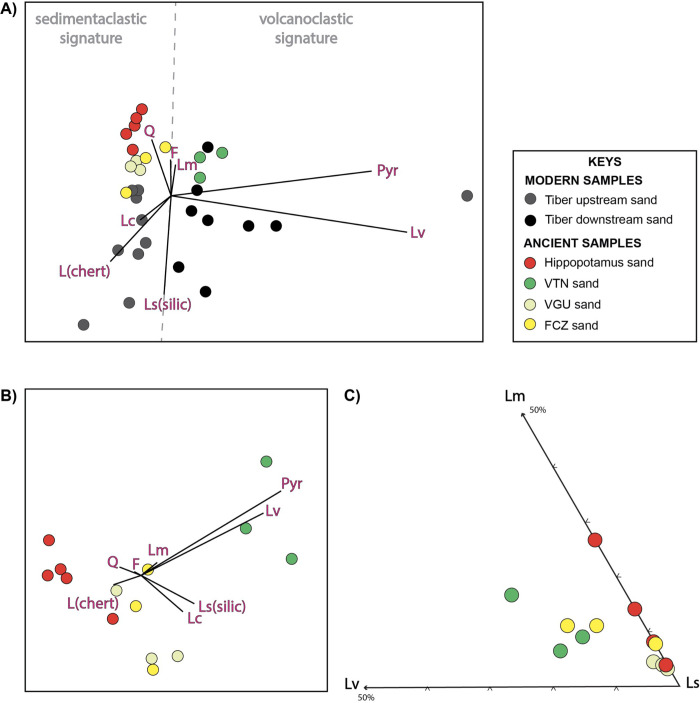
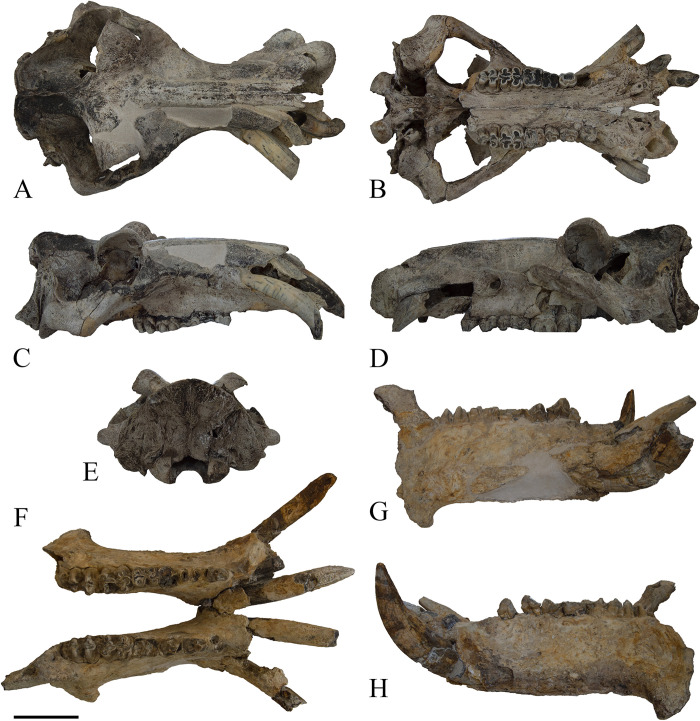
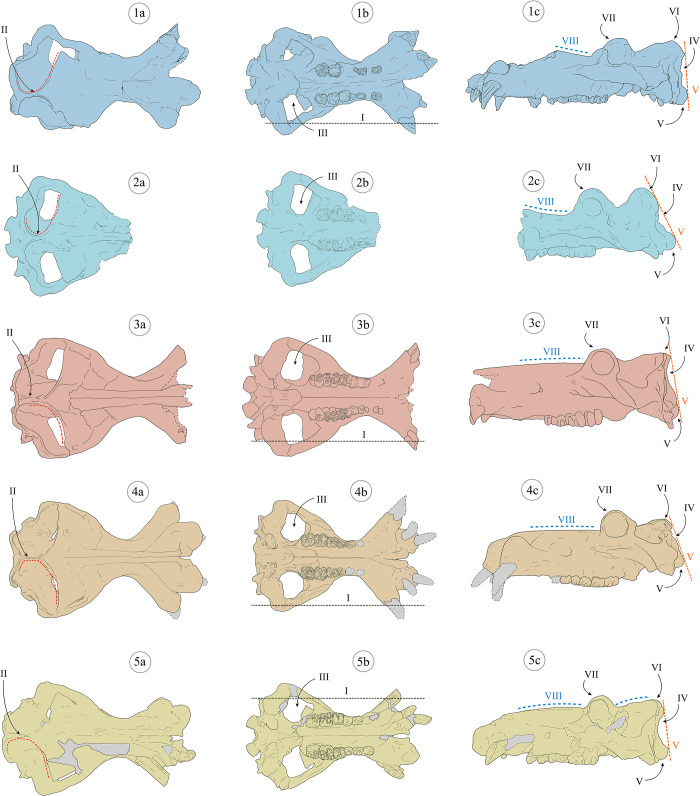
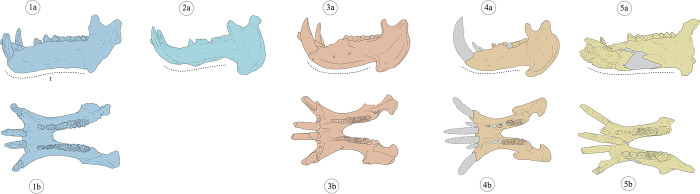
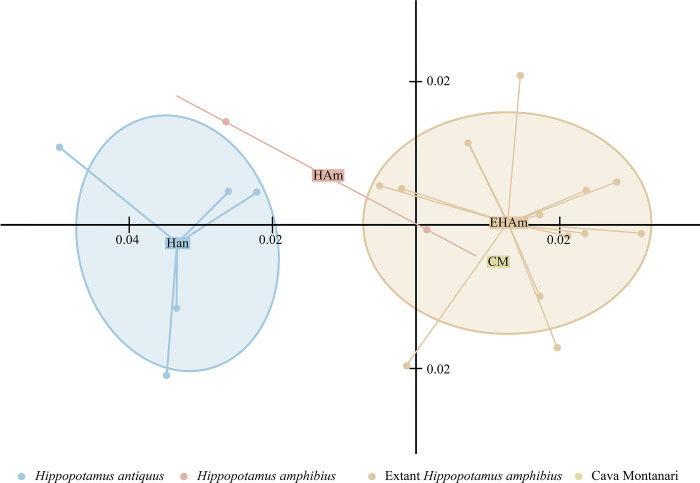
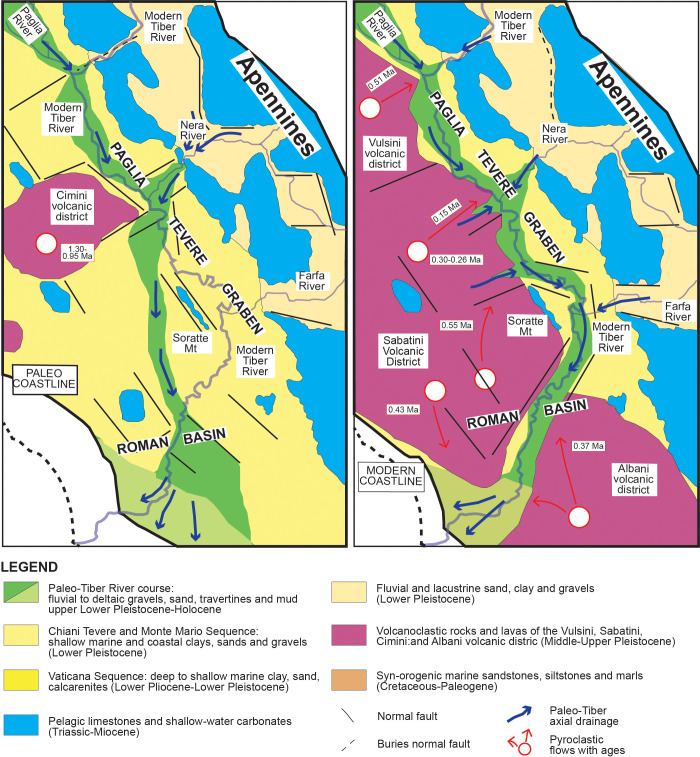
A skull of Hippopotamus recovered from the area of Tor di Quinto, within the urban area of Rome (central Italy) is here redescribed. Despite being one of the most complete specimens of hippopotamuses of the European Pleistocene, the Tor di Quinto skull did not attract much research interest, due to long-standing uncertainties on its provenance. This work begun in 2021, when the skull was restored, within a large renovation project on the vertebrate exposed at the Earth Science University Museum of Sapienza University of Rome. Original sediments were found inside the cranial and mandible cavities during the restoration work, which were sampled for petrographic analyses. By combining a review of the old paleontological, archeological and geological literature published during the 19th and 20th century on the Rome basin and the correlation of these new sedimentological and petrographic information with the lithostratigraphic and synthemic units of the national geological cartography, we clarify that the Hippopotamus skull was most likely to have been collected from a quarry called Cava Montanari, from a formation dated between 560 and 460 ka. Morphological and biometric analyses clearly support an attribution of the Cava Montanari specimen to the extant species Hippopotamus amphibius. The reassessment of the stratigraphic and geological data on Cava Montanari implies that the studied specimen is the earliest confirmed occurrence of Hippopotamus amphibius in the European fossil record.
Copyright: © 2023 Mecozzi et al. This is an open access article distributed under the terms of the Creative Commons Attribution License, which permits unrestricted use, distribution, and reproduction in any medium, provided the original author and source are credited.
Conflict of interest statement
The authors have declared that no competing interests exist.
Figures
References
-
- Iannucci A, Mecozzi B, Sardella R. Beware of the “Wolf Event”—remarks on large mammal dispersals in Europe and the late Villafranchian faunal turnover, Alpine and Mediterranean Quaternary, 2023; 36: 1–16.
-
- Candy I, Rose J, Lee J. A seasonally ‘dry’ interglacial climate in eastern England during the early Middle Pleistocene: palaeopedological and stable isotopic evidence from Pakefield, UK, Boreas, 2006; 35: 255–265.
-
- Candy I, Coope GR, Lee JR, Parfitt SA, Preece RC, Rose J, et al.. Pronounced warmth during early Middle Pleistocene interglacials: investigating the Mid‐Brunhes Event in the British terrestrial sequence, Earth‐Science Reviews, 2010; 103: 183–196.
-
- Bellucci L, Mazzini I, Scardia G, Bruni L, Parenti F, Segre AG, et al.. The site of Coste San Giacomo (Early Pleistocene, central Italy): palaeoenvironmental analysis and biochronological overview, Quaternary International, 2012; 267: 30–39.
-
- Russo Ermolli E, Sardella R, Di Maio G, Petronio C, Santangelo N. Pollen and mammals from the late Early Pleistocene site of Saticula (Sant’Agata de’ Goti, Benevento, Italy), Quaternary International, 2010; 225: 128–137.
Publication types
MeSH terms
LinkOut - more resources
Full Text Sources
