


Semaglutide and Tirzepatide reduce alcohol consumption in individuals with obesity
- PMID: 38017205
- PMCID: PMC10684505
- DOI: 10.1038/s41598-023-48267-2
Semaglutide and Tirzepatide reduce alcohol consumption in individuals with obesity
Abstract
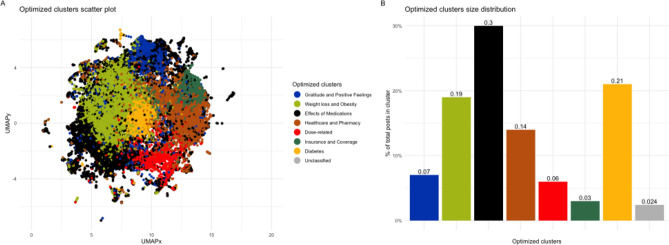
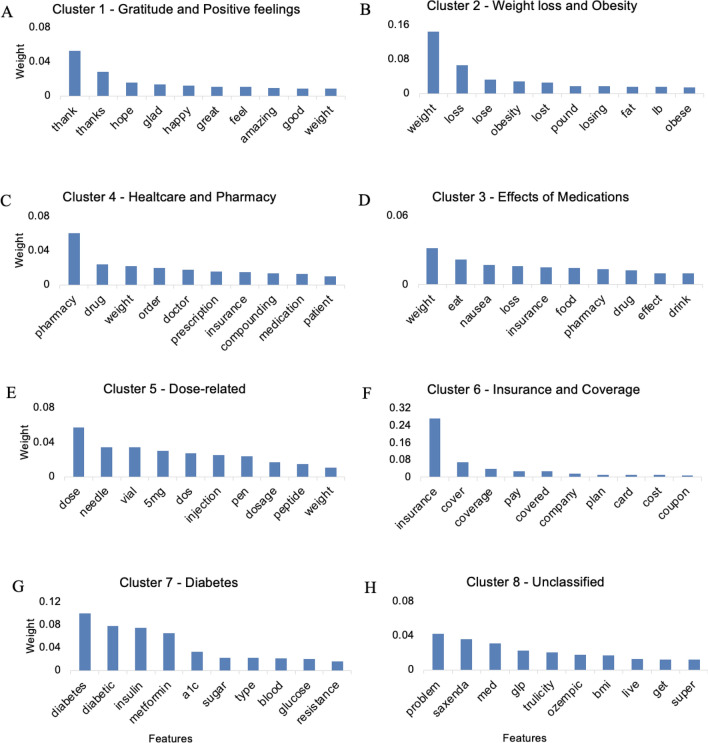
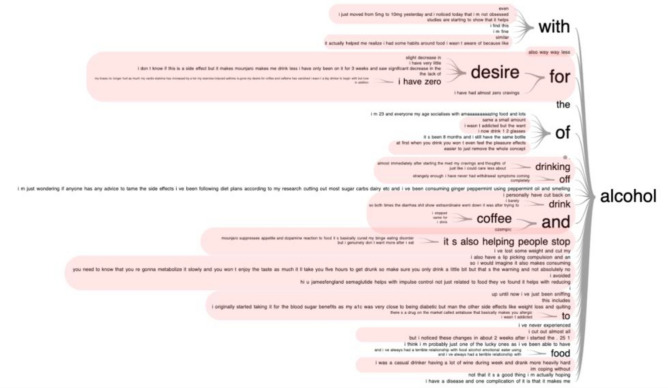
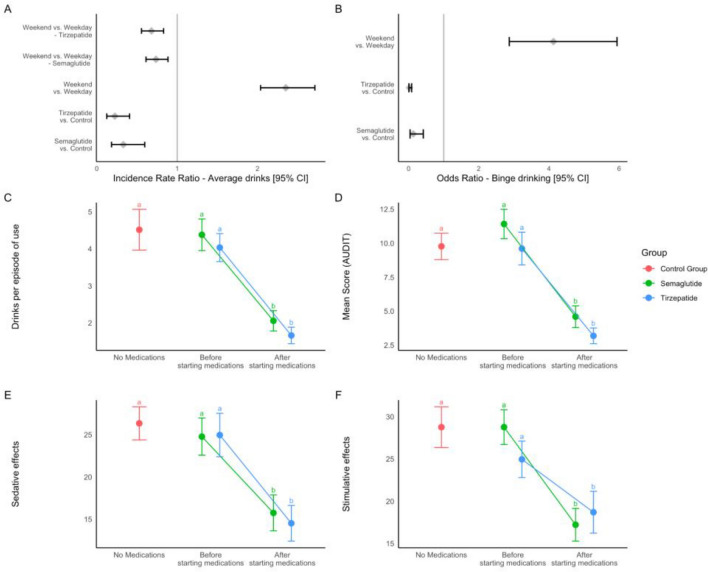
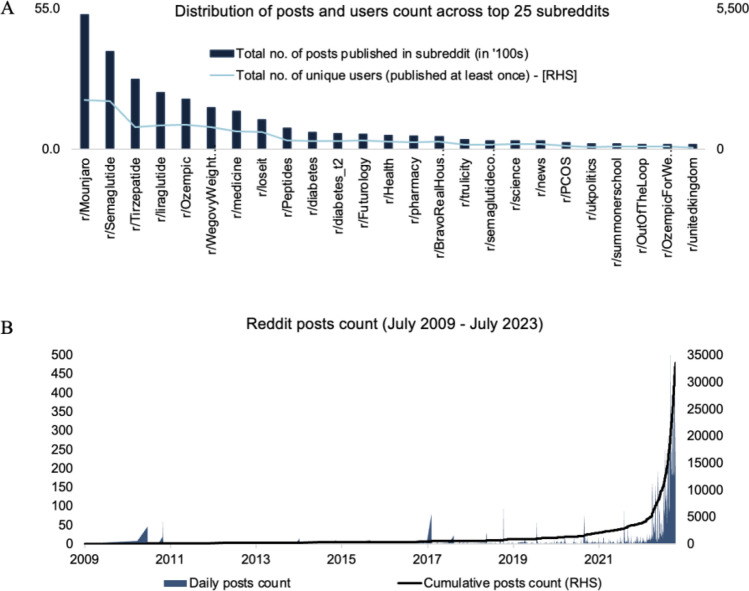
Alcohol Use Disorder (AUD) contributes significantly to global mortality. GLP-1 (Glucagon-like peptide-1) and GLP-1/GIP (Glucose-dependent Insulinotropic Polypeptide) agonists, FDA-approved for managing type 2 diabetes and obesity, where the former has shown to effectively reduce the consumption of alcohol in animal models but no reports exist on the latter. In this report, we conducted two studies. In the first study, we conducted an analysis of abundant social media texts. Specifically, a machine-learning based attribution mapping of ~ 68,250 posts related to GLP-1 or GLP-1/GIP agonists on the Reddit platform. Secondly, we recruited participants (n = 153; current alcohol drinkers; BMI ≥ 30) who self-reported either taking Semaglutide (GLP-1 agonist), Tirzepatide (the GLP-1/GIP combination) for ≥ 30 days or, as a control group; no medication to manage diabetes or weight loss for a within and between subject remote study. In the social media study, we report 8 major themes including effects of medications (30%); diabetes (21%); and Weight loss and obesity (19%). Among the alcohol-related posts (n = 1580), 71% were identified as craving reduction, decreased desire to drink, and other negative effects. In the remote study, we observe a significantly lower self-reported intake of alcohol, drinks per drinking episode, binge drinking odds, Alcohol Use Disorders Identification Test (AUDIT) scores, and stimulating, and sedative effects in the Semaglutide or Tirzepatide group when compared to prior to starting medication timepoint (within-subjects) and the control group (between-subjects). In summary, we provide initial real-world evidence of reduced alcohol consumption in people with obesity taking Semaglutide or Tirzepatide medications, suggesting potential efficacy for treatment in AUD comorbid with obesity.
© 2023. The Author(s).
Conflict of interest statement
Although the following activities/relationships do not create a conflict of interest pertaining to this manuscript, in the interest of full disclosure, Dr. Bickel would like to report the following: W. K. Bickel is a principal of HealthSim, LLC; BEAM Diagnostics, Inc.; and Red 5 Group, LLC. In addition, he serves on the scientific advisory board for Ria Health; and serves as a consultant for Lumanity. All other authors declare no potential conflict of interest.
Figures

References
MeSH terms
Substances
LinkOut - more resources
Full Text Sources
Medical
