Common analysis of direct RNA sequencinG CUrrently leads to misidentification of m5C at GCU motifs
- PMID: 38030223
- PMCID: PMC10687253
- DOI: 10.26508/lsa.202302201
Common analysis of direct RNA sequencinG CUrrently leads to misidentification of m5C at GCU motifs
Abstract
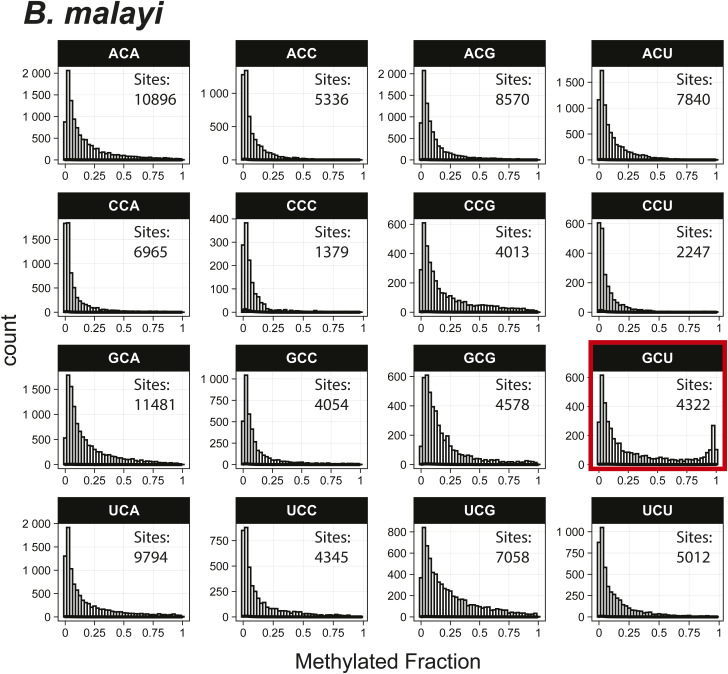
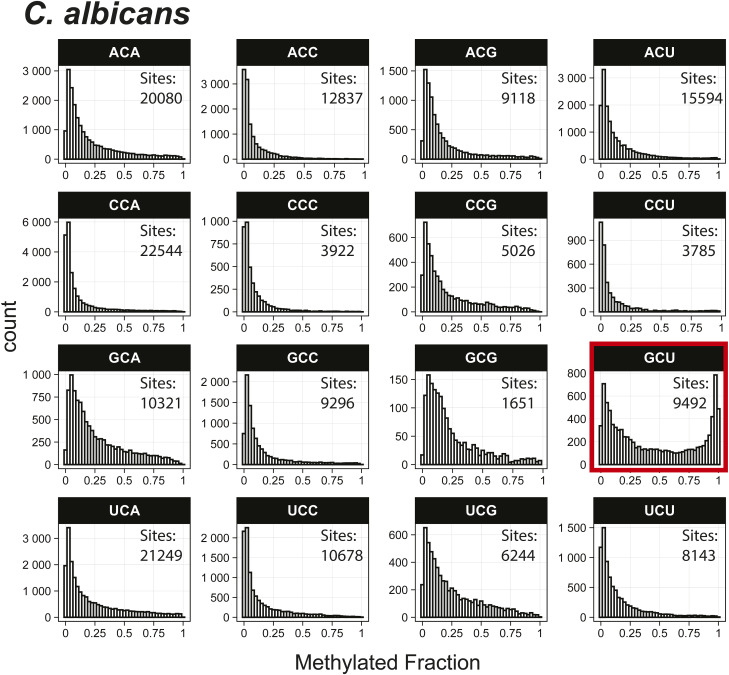
RNA modifications, such as methylation, can be detected with Oxford Nanopore Technologies direct RNA sequencing. One commonly used tool for detecting 5-methylcytosine (m5C) modifications is Tombo, which uses an "Alternative Model" to detect putative modifications from a single sample. We examined direct RNA sequencing data from diverse taxa including viruses, bacteria, fungi, and animals. The algorithm consistently identified a m5C at the central position of a GCU motif. However, it also identified a m5C in the same motif in fully unmodified in vitro transcribed RNA, suggesting that this is a frequent false prediction. In the absence of further validation, several published predictions of m5C in a GCU context should be reconsidered, including those from human coronavirus and human cerebral organoid samples.
© 2023 Watson et al.
Conflict of interest statement
The authors declare that they have no conflict of interest.
Figures





Update of
-
Common Analysis of Direct RNA SequencinG CUrrently Leads to Misidentification of 5-Methylcytosine Modifications at GCU Motifs.bioRxiv [Preprint]. 2023 May 3:2023.05.03.539298. doi: 10.1101/2023.05.03.539298. bioRxiv. 2023. Update in: Life Sci Alliance. 2023 Nov 29;7(2):e202302201. doi: 10.26508/lsa.202302201. PMID: 37205495 Free PMC article. Updated. Preprint.
References
Publication types
MeSH terms
Substances
Grants and funding
LinkOut - more resources
Full Text Sources