


Update in diagnosis and management of irritable bowel syndrome
- PMID: 38035060
- PMCID: PMC10683518
- DOI: 10.4103/tcmj.tcmj_104_23
Update in diagnosis and management of irritable bowel syndrome
Abstract
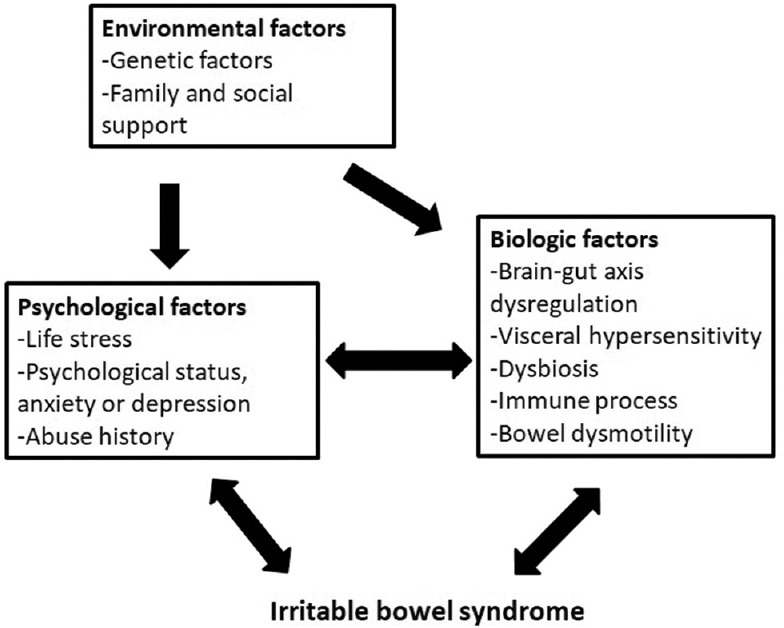
Irritable bowel syndrome (IBS) is a functional gastrointestinal disorder characterized by a lack of structural or biochemical abnormalities. The current diagnosis of IBS is based on the Rome IV criteria, and it is recommended to approach IBS patients using a multidimensional clinical profile (MDCP). The pathophysiology of IBS is multifactorial and involves motility disorders, genetic factors, immune responses, visceral hypersensitivity, brain-gut dysregulation, and altered intestinal microbiota. The management of IBS includes both nonpharmacologic and pharmacologic therapies. Nonpharmacologic therapy options include physical activity, low fermentable oligosaccharides, disaccharides, monosaccharides, and polyol diet, as well as cognitive behavioral therapy. Pharmacologic therapy options include probiotics, antidepressants, antispasmodics, and new agents. In clinical practice, a multidisciplinary strategy, including nonpharmacologic or/and pharmacologic treatment for IBS, is emphasized. Therefore, clinicians should carefully consider the underlying pathophysiology before selecting an appropriate therapeutic option for the treatment of IBS. In other words, individualized treatment plans are necessary for managing IBS.
Keywords: Irritable bowel syndrome; Management; Pathophysiology.
Copyright: © 2023 Tzu Chi Medical Journal.
Conflict of interest statement
There are no conflicts of interest.
Figures
References
-
- Oka P, Parr H, Barberio B, Black CJ, Savarino EV, Ford AC. Global prevalence of irritable bowel syndrome according to Rome III or IV criteria: A systematic review and meta-analysis. Lancet Gastroenterol Hepatol. 2020;5:908–17. - PubMed
-
- Zamani M, Alizadeh-Tabari S, Zamani V. Systematic review with meta-analysis: The prevalence of anxiety and depression in patients with irritable bowel syndrome. Aliment Pharmacol Ther. 2019;50:132–43. - PubMed
-
- Trindade IA, Melchior C, Törnblom H, Simrén M. Quality of life in irritable bowel syndrome: Exploring mediating factors through structural equation modelling. J Psychosom Res. 2022;159:110809. - PubMed
-
- Cassar GE, Youssef GJ, Knowles S, Moulding R, Austin DW. Health-related quality of life in irritable bowel syndrome: A systematic review and meta-analysis. Gastroenterol Nurs. 2020;43:E102–22. - PubMed
Publication types
LinkOut - more resources
Full Text Sources