


Topical and oral steroids for otitis media with effusion (OME) in children
- PMID: 38088821
- PMCID: PMC10718197
- DOI: 10.1002/14651858.CD015255.pub2
Topical and oral steroids for otitis media with effusion (OME) in children
Abstract
Background: Otitis media with effusion (OME) is an accumulation of fluid in the middle ear cavity, common amongst young children. The fluid may cause hearing loss. Although most episodes of OME in children resolve spontaneously within a few months, when persistent it may lead to behavioural problems and a delay in expressive language skills. Management of OME includes watchful waiting, medical, surgical and other treatments, such as autoinflation. Oral or topical steroids are sometimes used to reduce inflammation in the middle ear.
Objectives: To assess the effects (benefits and harms) of topical and oral steroids for OME in children.
Search methods: We searched the Cochrane ENT Register, CENTRAL, Ovid MEDLINE, Ovid Embase, Web of Science, ClinicalTrials.gov, ICTRP and additional sources for published and unpublished studies on 20 January 2023.
Selection criteria: We included randomised controlled trials (RCTs) and quasi-randomised trials in children aged 6 months to 12 years with unilateral or bilateral OME. We included studies that compared topical or oral steroids with either placebo or watchful waiting (no treatment).
Data collection and analysis: We used standard Cochrane methods. Our primary outcomes, determined by a multi-stakeholder prioritisation exercise, were: 1) hearing, 2) OME-specific quality of life and 3) systemic corticosteroid side effects. Secondary outcomes were: 1) presence/persistence of OME, 2) other adverse effects (including local nasal effects), 3) receptive language skills, 4) speech development, 5) cognitive development, 6) psychosocial outcomes, 7) listening skills, 8) generic health-related quality of life, 9) parental stress, 10) vestibular function and 11) episodes of acute otitis media. We used GRADE to assess the certainty of evidence. Although we included all measures of hearing assessment, the proportion of children who returned to normal hearing was our preferred method to assess hearing, due to challenges in interpreting the results of mean hearing thresholds.
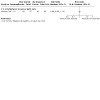
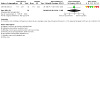
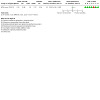
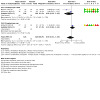
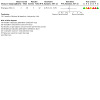
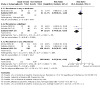
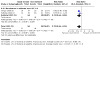
Main results: We included 26 studies in this review (2770 children). Most studies of oral steroids used prednisolone for 7 to 14 days. Studies of topical (nasal) steroids used various preparations (beclomethasone, fluticasone and mometasone) for between two weeks and three months. All studies had at least some concerns regarding risk of bias. Here we report our primary outcomes and main secondary outcome, at the longest reported follow-up. Oral steroids compared to placebo Oral steroids probably result in little or no difference in the proportion of children with normal hearing after 12 months (69.7% of children with steroids, compared to 61.1% of children receiving placebo, risk ratio (RR) 1.14, 95% confidence interval (CI) 0.97 to 1.33; 1 study, 332 participants; moderate-certainty evidence). There is probably little or no difference in OME-related quality of life (mean difference (MD) in OM8-30 score 0.07, 95% CI -0.2 to 0.34; 1 study, 304 participants; moderate-certainty evidence). Oral steroids may reduce the number of children with persistent OME at 6 to 12 months, but the size of the effect was uncertain (absolute risk reduction ranging from 13.3% to 45%, number needed to treat (NNT) of between 3 and 8; low-certainty evidence). The evidence was very uncertain regarding the risk of systemic corticosteroid side effects, and we were unable to conduct any meta-analysis for this outcome. Oral steroids compared to no treatment Oral steroids may result in little or no difference in the persistence of OME after three to nine months (74.5% children receiving steroids versus 73% of those receiving placebo; RR 1.02, 95% CI 0.89 to 1.17; 2 studies, 258 participants; low-certainty evidence). The evidence on adverse effects was very uncertain. We did not identify any evidence on hearing or disease-related quality of life. Topical (intranasal) steroids compared to placebo We did not identify data on the proportion of children who returned to normal hearing. However, the mean change in hearing threshold after two months was -0.3 dB lower (95% CI -6.05 to 5.45; 1 study, 78 participants; very low-certainty evidence). The evidence suggests that nasal steroids make little or no difference to disease-specific quality of life after nine months (OM8-30 score, MD 0.05 higher, 95% CI -0.36 to 0.46; 1 study, 82 participants; low-certainty evidence). The evidence is very uncertain regarding the effect of nasal steroids on persistence of OME at up to one year. Two studies reported this: one showed a potential benefit for nasal steroids, the other showed a benefit with placebo (2 studies, 206 participants). The evidence was also very uncertain regarding the risk of corticosteroid-related side effects, as we were unable to provide a pooled effect estimate. Topical (intranasal) steroids compared to no treatment We did not identify data on the proportion of children who returned to normal hearing. However, the mean difference in final hearing threshold after four weeks was 1.95 dB lower (95% CI -3.85 to -0.05; 1 study, 168 participants; low-certainty evidence). Nasal steroids may reduce the persistence of OME after eight weeks, but the evidence was very uncertain (58.5% of children receiving steroids, compared to 81.3% of children without treatment, RR 0.72, 95% CI 0.57 to 0.91; 2 studies, 134 participants). We did not identify any evidence on disease-related quality of life or adverse effects.
Authors' conclusions: Overall, oral steroids may have little effect in the treatment of OME, with little improvement in the number of children with normal hearing and no effect on quality of life. There may be a reduction in the proportion of children with persistent disease after 12 months. However, this benefit may be small and must be weighed against the potential for adverse effects associated with oral steroid use. The evidence for nasal steroids was all low- or very low-certainty. It is therefore less clear if nasal steroids have any impact on hearing, quality of life or persistence of OME. Evidence on adverse effects was very limited. OME is likely to resolve spontaneously for most children. The potential benefit of treatment may therefore be small and should be balanced with the risk of adverse effects. Future studies should aim to determine which children are most likely to benefit from treatment, rather than offering interventions to all children.
Trial registration: ClinicalTrials.gov NCT03590912 NCT02541760 NCT00279916.
Copyright © 2023 The Cochrane Collaboration. Published by John Wiley & Sons, Ltd.
Conflict of interest statement
Caroline A Mulvaney: none known.
Kevin Galbraith: none known.
Katie Webster: none known.
Mridul Rana: no relevant interests; core surgical trainee, Oxford University Hospitals.
Rachel Connolly: National Institute for Health and Care Excellence (employment: systematic reviewer on the upcoming NICE guideline on otitis media with effusion in under 12s).
Ben Tudor‐Green: none known.
Tal Marom: no relevant interests; attending otolaryngologist.
Mat Daniel: Aventamed (stock; consultant); has published research papers relevant to the interventions in the work; ENT consultant; co‐author of the TARGET trial.
Roderick P Venekamp: no relevant interests; works as a GP; editorial board member of Cochrane ARI and Cochrane ENT, but had no role in the editorial process for this review.
Anne GM Schilder: Joint Co‐ordinating Editor of Cochrane ENT until April 2020, but had no role in the editorial process for this review; treats patients with OME in her NHS practice; her evidENT team at the UCL Ear Institute is supported by the National Institute of Health Research (NIHR) University College London Hospitals (UCLH) Biomedical Research Centre (BRC), with research projects being supported by the NIHR, Wellcome Trust, RNiD, ENT UK and industry; National Specialty Lead for the NIHR Clinical Research Network ENT and Surgical Specialty Lead for ENT for the Royal College of Surgeons of England's Clinical Research Initiative; in her role as director of the NIHR UCLH BRC Deafness and Hearing Problems Theme, she advises CRO, biotech and pharma companies in the hearing field on clinical trial design and delivery.
Samuel MacKeith: ENT private practice; sees patients with general ENT problems in NHS and private practice; Assistant Co‐ordinating Editor of Cochrane ENT (now closed), but was not involved in the editorial process for this review.
Figures















Update of
References
References to studies included in this review
Acharya 2020 {published data only}
-
- Acharya A, Pokharel B, Pandit SB, Bartaula S. Efficacy and cost-effectiveness analysis of steroid in treatment of otitis media with effusion (OME) in children: a randomized trial. Journal of Gandaki Medical College Nepal 2020;13(2):111-5. [CENTRAL: CN-02469808]
-
- NCT03590912. Efficacy and cost analysis of steroid spray in treatment of otitis media with effusion [Efficacy and cost analysis of steroid spray in treatment of otitis media with effusion (OME) compared to that of antibiotic, antihistaminic, and nasal decongestant]. Https://clinicaltrials.gov/show/nct03590912 (first received 18 July 2018). [CENTRAL: CN-01625711]
Ahmed 2022 {published data only}
-
- Ahmed MR, Eldeeb WE. Effectiveness of mometasone furoate nasal spray on tympanometric results and hearing loss in children with otitis media with effusion. Egyptian Journal of Otolaryngology 2022;38(1):32. [CENTRAL: CN-02518321]
Barati 2011 {published data only}
Beigh 2013 {published data only}
-
- Beigh Z, Lattoo M, Yousuf A, Pampori R. Topical nasal steroids for hearing loss associated with otitis media with effusion in children. Indian Journal of Otology 2013;19(3):132-5. [CENTRAL: CN-00873772] [EMBASE: 2013602416]
Berman 1990 {published data only}
-
- Berman S, Grose K, Nuss R, Huber-Navin C, Roark R, Gabbard SA, et al. Management of chronic middle ear effusion with prednisone combined with trimethoprim-sulfamethoxazole. Pediatric Infectious Disease Journal 1990;9(8):533-8. [CENTRAL: CN-00071176] [PMID: ] - PubMed
Bhargava 2014 {published data only}
-
- Bhargava R, Chakravarti A. A double-blind randomized placebo-controlled trial of topical intranasal mometasone furoate nasal spray in children of adenoidal hypertrophy with otitis media with effusion. American Journal of Otolaryngology 2014;35(6):766-70. [CENTRAL: CN-01036886] [EMBASE: 2014790206] [PMID: ] - PubMed
Cengel 2006 {published data only}
-
- Akyol MU, Cengel S. The role of topical nasal steroid aerosol treatment in children with otitis media with effusion and/or adenoid hypertrophy. 12 months follow-up. In: Proceedings of the 9th International Conference on Pediatric Otorhinolaryngology (ESPO); 2006 Jun 18-21; Paris, France. 2006. [ABSTRACT NUMBER: 329] [CENTRAL: CN-00597474] - PubMed
-
- Cengel S, Akyol MU. The role of topical nasal steroids in the treatment of children with otitis media with effusion and/or adenoid hypertrophy. International Journal of Pediatric Otorhinolaryngology 2006 Apr;70(4):639-45. [CENTRAL: CN-00561141] [EMBASE: 2006094358] [PMID: ] - PubMed
Choung 2008 {published data only}
Hemlin 1997 {published data only}
-
- Hemlin C, Carenfelt C, Papatziamos G. Single dose of betamethasone in combined medical treatment of secretory otitis media. Annals of Otology, Rhinology, and Laryngology 1997;106(5):359-63. [CENTRAL: CN-00139646] [PMID: ] - PubMed
-
- Papatziamos G, Hemlin C, Carenfelt C. A placebo-controlled study of cetixime and the combination of cefixime and betamethasone in children with secretory otitis media. In: Recent Advances in Otitis Media. Proceedings of the Second Extraordinary International Symposium on Recent Advances in Otitis Media, Japan, Mar 31-Apr 3, 1993. 1994.
Hussein 2017 {published data only}
-
- Hussein A, Fathy H, Amin SM, Elsisy N. Oral steroids alone or followed by intranasal steroids versus watchful waiting in the management of otitis media with effusion. Journal of Laryngology and Otology 2017;131(10):907-13. [CENTRAL: CN-01412927] [EMBASE: 618740433] [PMID: ] - PubMed
Karlidag 2002 {published data only}
-
- Karlidag T, Kaygusuz I, Gok U, Yalcin S, Keles E, Ozturk L. The efficacy of combining antibiotic treatment with topical intranasal steroid administration in the treatment of chronic otitis media with effusion [Efuzyonlu otitis media tedavisinde antibiyotik ile birlikte intranazal steroid kullaniminin etkinligi]. Kulak Burun Bogaz Ihtisas Dergisi: KBB [Journal of Ear, Nose, and Throat] 2002;9(4):257-62. [CENTRAL: CN-00411239] [PMID: ] - PubMed
Khanam 2022 {published data only}
-
- Khanam A, Akhtar G, Rahman MA, Chowdhury N. Efficacy of mometasone furoate nasal spray with oral montelukast in the treatment of otitis media with effusion with or without adenoid hypertrophy and atopic diseases. Bangladesh Journal of Medical Science 2022;21(4):836-41. [CENTRAL: CN-02463601] [EMBASE: 2017966228]
Lambert 1986 {published data only}
-
- Lambert PR. Oral steroid therapy for chronic middle ear perfusion: a double-blind crossover study. Otolaryngology - Head and Neck Surgery 1986;95(2):193-9. [CENTRAL: CN-00048297] [PMID: ] - PubMed
-
- Lambert PR. Treatment of chronic middle-ear effusion with oral steroids - a double-blind crossover study. Otolaryngology - Head and Neck Surgery 1985;SI:50. [CENTRAL: CN-02469807] - PubMed
Lildholdt 1982 {published data only}
-
- Lildholdt T, Kortholm B. Beclomethasone nasal spray in the treatment of middle-ear effusion - a double-blind study. International Journal of Pediatric Otorhinolaryngology 1982;4(2):133-7. [CENTRAL: CN-00029127] [PMID: ] - PubMed
Macknin 1985 {published data only}
-
- Macknin ML, Jones PK, Maknin ML. Oral dexamethasone for treatment of persistent middle ear effusion. Pediatrics 1985;75(2):329-35. [CENTRAL: CN-00036813] [PMID: ] - PubMed
Mandel 2002 {published data only}
-
- Mandel EM, Casselbrant ML, Rockette HE, Fireman P, Kurs-Lasky M, Bluestone CD. Systemic steroid for chronic otitis media with effusion in children. Pediatrics 2002;110(6):1071-80. [CENTRAL: CN-00411840] [PMID: ] - PubMed
Niederman 1984 {published data only}
-
- Niedermann LG, Walter-Bucholtz V, Jabalay T, Niederman LG, Jabalay T. A comparative trial of steroids versus placebos for treatment of chronic otitis media with effusion. In: Lim DJ, Bluestone CD, Klein JO, Nelson JD , editors(s). Recent Advances in Otitis Media with Effusion. Philadelphia: B.C. Decker Inc, 1984:273-5. [CENTRAL: CN-00449353]
OSTRICH 2018 {published data only}ISRCTN49798431
-
- Francis NA, Cannings-John R, Waldron CA, Thomas-Jones E, Winfield T, Shepherd V, et al. Oral steroids for resolution of otitis media with effusion in children (OSTRICH): a double-blinded, placebo-controlled randomised trial. Lancet 2018;392(10147):557-68. [CENTRAL: CN-01630080] [EMBASE: 2001028718] [PMID: ] - PMC - PubMed
-
- Francis NA, Waldron CA, Cannings-John R, Thomas-Jones E, Winfield T, Shepherd V, et al. Oral steroids for hearing loss associated with otitis media with effusion in children aged 2-8 years: the OSTRICH RCT. Health Technology Assessment 2018;22(61):1-114. [CENTRAL: CN-01911294] [EMBASE: 625077854] [PMID: ] - PMC - PubMed
-
- ISRCTN49798431. A randomised double blind placebo controlled clinical trial using oral steroids for the resolution of otitis media with effusion (OME) in children [Oral steroids for resolution of otitis media with effusion in children]. https://www.isrctn.com/ISRCTN49798431 (first received 7 December 2012). [CENTRAL: CN-00858707]
-
- Waldron C-A, Thomas-Jones E, Harris D, Shepherd V, Cannings-John R, Hood K, et al. Recruitment to oral steroids for the resolution of otitis media with effusion in children (OSTRICH) study: challenges of a randomised controlled trial in secondary care sites across Wales and England. Trials 2015;16(Suppl 2):P119. [CENTRAL: CN-01474441] [EMBASE: 614954045]
-
- Waldron CA, Thomas-Jones E, Cannings-John R, Hood K, Powell C, Roberts A, et al. Oral steroids for the resolution of otitis media with effusion (OME) in children (OSTRICH): study protocol for a randomised controlled trial. Trials 2016;17(1):115. [CENTRAL: CN-01259952] [EMBASE: 20160543347] [PMID: ] - PMC - PubMed
Podoshin 1990 {published data only}
-
- Podoshin L, Fradis M, Ben-David Y, Faraggi D. The efficacy of oral steroids in the treatment of persistent otitis media with effusion. Archives of Otolaryngology - Head & Neck Surgery 1990;116(12):1404-6. [CENTRAL: CN-00071613] [PMID: ] - PubMed
Puhakka 1985 {published data only}
-
- Puhakka H, Haapaniemi J, Tuohimaa P, Ruuskanen O, Eskola J. Peroral prednisolone in the treatment of middle-ear effusion in children: a double-blind study. Auris, Nasus, Larynx 1985;12 Suppl 1:S268-71. [CENTRAL: CN-00043250] [EMBASE: 16731329] [PMID: ] - PubMed
Rahmati 2017 {published data only}
-
- NCT02541760. Monteleukast versus inhaled mometasone for treatment of otitis media with effusion in children. https://clinicaltrials.gov/show/NCT02541760 (first received April 2014). [CENTRAL: CN-01104444]
Saffar 2001 {published data only}
-
- Saffar M. The effect of prednisolone on middle ear fluid absorption. Journal of Mazandaran University of Medical Sciences 2001;11(33):14-9.
Scadding 2014 {published data only}
-
- Scadding G, Rajput K, Parikh A, Hilss S, Jansz JA, Darby YC, et al. Double blind, placebo-controlled study of flixonase with and without otovent in the treatment of otitis media with effusion. In: 8th International Congress of Paediatric Otorhinolaryngology (ESPO); 2002 Sep 11-14; Oxford, UK. 2002:92-3. [ABSTRACT NUMBER: 21.04] [CENTRAL: CN-00431597]
-
- Scadding GK, Darby YC, Jansz AJ, Richards D, Tate H, Hills S, et al. Double-blind, placebo controlled randomised trial of medical therapy in otitis media with effusion. Advances in Life Sciences and Health 2014;1:2. [CENTRAL: CN-01043521]
Schwartz 1980 {published data only}
-
- Schwartz RH, Puglese J, Schwartz DM. Use of a short course of prednisone for treating middle ear effusion. A double-blind crossover study. Annals of Otology, Rhinology & Laryngology. Supplement 1980;89(Suppl 68):296-300. [CENTRAL: CN-00024099] [PMID: ] - PubMed
-
- Schwartz RH, Puglese J. Use of a short course of prednisone for treating middle-ear effusions - double-blind crossover study. Journal of Allergy and Clinical Immunology 1979;3:201-1. - PubMed
Stuart 1995 {published data only}
-
- Stuart JE. A randomised controlled trial of nasal beclomethasone spray in ear disease in Aboriginal children. Aboriginal Torres Strait Island Health Information Bulletin 1995;21:77. [CENTRAL: CN-02284861]
Williamson 2009 {published data only}
-
- ISRCTN38988331. A double-blind randomised placebo-controlled trial of topical nasal steroids in 4-11 year old children with persistent bilateral Otitis Media with Effusion (OME) in primary care. https://www.isrctn.com/ISRCTN38988331 (first received 9 October 2003). [CENTRAL: CN-01013264]
-
- Petrou S, Dakin H, Abangma G, Benge S, Williamson I. Cost-utility analysis of topical intranasal steroids for otitis media with effusion based on evidence from the GNOME trial. Value in Health 2010;13(5):543-51. [CENTRAL: CN-00771882] [PMID: ] - PubMed
-
- Williamson I, Benge S, Barton S, Petrou S, Letley L, Fasey N, et al. A double-blind randomised placebo-controlled trial of topical intranasal corticosteroids in 4- to 11-year-old children with persistent bilateral otitis media with effusion in primary care. Health Technology Assessment (Winchester, England) 2009;13(37):1-144. [CENTRAL: CN-01705886] [EMBASE: 2009594755] [PMID: ] - PubMed
-
- Williamson I, Benge S, Barton S, Petrou S, Letley L, Fasey N, et al. Topical intranasal corticosteroids in 4-11 year old children with persistent bilateral otitis media with effusion in primary care: double blind randomised placebo controlled trial. BMJ (Clinical Research Ed.) 2009 Dec 16;339(7737):b4984. [CENTRAL: CN-00732682] [EMBASE: 358169071] [PMID: ] - PMC - PubMed
References to studies excluded from this review
Al‐Zaidi 2023 {published data only}
-
- Al-Zaidi HMH. Is mometasone effective in treating otitis media with effusion? Journal of Medical and Health Studies 2023;4(1):47-55.
Ardehali 2008 {published data only}
-
- Ardehali MM, Seraj JM, Asiabar MK, Adibi H. The possible role of gastroesophageal reflux disease in children suffering from chronic otitis media with effusion. Acta Medica Iranica 2008;46(1):33-7. [CENTRAL: CN-00708224] [EMBASE: 351792703]
Crawford‐Faucher 2010 {published data only}
-
- Crawford-Faucher A. Intranasal corticosteroids do not cure otitis media with effusion. American Family Physician 2010;82(8):992-4. [CENTRAL: CN-01016672] [EMBASE: 361807993]
Daly 1991 {published data only}
-
- Daly K, Giebink GS, Batalden PB, Anderson RS, Le CT, Lindgren B, et al. Resolution of otitis media with effusion with the use of a stepped treatment regimen of trimethoprim-sulfamethoxazole and prednisone. Pediatric Infectious Disease Journal 1991;10(7):500-6. [CENTRAL: CN-00077629] [PMID: ] - PubMed
-
- Daly K, Giebink GS, Lindgren B, Anderson RS. Controlled clinical trial for prevention of chronic otitis media with effusion. In: Proceedings of the 4th International Symposium on Recent Advances in Otitis Media; 1987 Jun 1-4; Toronto (ON). 1987:247-50. [CENTRAL: CN-00452502]
Damoiseaux 2010 {published data only}
-
- Damoiseaux RA, Rovers MM. Topical intranasal corticosteroids for otitis media with effusion in primary care. BMJ (Clinical Research Ed.) 2010;340(7737):b5380. [EMBASE: 358169045] [PMID: ] - PubMed
El‐Anwar 2015 {published data only}
Endo 1997 {published data only}
-
- Endo LH, Antunes AB, Vidolin C, Bilecki MM, Magalhaes KVB. Secretory media otitis: clinical treatment vs placebo [Otite media secretora: tratamento clinco versus placebo]. Revista Brasileira de Otorrinolaringologia 1997;63(2):116-9. [CENTRAL: CN-00187118] [EMBASE: 27225833]
Ferrara 2005 {published data only}
-
- Ferrara S, Sammartano D, Ferrara P. Long-term management of recurrent otitis media with effusion in children. In: XVIII IFOS World Congress; 2005 Jun 25-30; Rome (Italy). 2005. [CENTRAL: CN-00526409]
Gibson 1996 {published data only}
-
- Gibson PG, Stuart JE, Wlodarczyk J, Olson LG, Hensley MJ. Nasal inflammation and chronic ear disease in Australian Aboriginal children. Journal of Paediatrics and Child Health 1996;32(2):143-7. [CENTRAL: CN-00131589] [PMID: ] - PubMed
Giebink 1990 {published data only}
-
- Giebink GC, Batalden PB, Le CT, Russ JN, Knox JK, Anderson RS, et al. Randomized controlled trial comparing trimethoprim-sulfamethoxazole, prednisone, ibuprofen, and no treatment in chronic otitis media with effusion. Recent Advances Otitis Media: Proceedings of the Fourth International Symposium on Recent Advances in Otitis Media; 1988 Jun 1-4; Toronto (Canada) 1988:240-4. [CENTRAL: CN-00452593]
-
- Giebink GS, Batalden PB, Le CT, Lassman FM, Buran DJ, Seltz AE. A controlled trial comparing three treatments for chronic otitis media with effusion. Pediatric Infectious Disease Journal 1990;9(1):33-40. [CENTRAL: CN-00065358] [PMID: ] - PubMed
Gluth 2011 {published data only}
-
- Gluth MB, McDonald DR, Weaver AL, Bauch CD, Beatty CW, Orvidas LJ. Management of eustachian tube dysfunction with nasal steroid spray: a prospective, randomized, placebo-controlled trial. Archives of Otolaryngology--Head & Neck Surgery 2011;137(5):449-55. [CENTRAL: CN-00788460] [PMID: ] - PubMed
-
- NCT00279916. Short term relief of Eustachian tube dysfunction and serous otitis media using intranasal steroid sprays [Short term relief of Eustachian tube dysfunction and serous otitis media using intranasal steroid sprays: a randomized placebo-controlled study]. https://clinicaltrials.gov/show/NCT00279916 (first received 18 January 2006). [CENTRAL: CN-02035934]
Han 2009 {published data only}
-
- Han Z, Zhibin C, Dengyuan W, Xia X, Xiaonian Z, Guangqian X. The therapeutic effects of oral administration and intratympanic injection of glucocorticoid in the treatment of otitis media with effusion. Journal of Audiology and Speech Pathology 2009;6:019. [CENTRAL: CN-00858712]
Hughes 2019 {published data only}
-
- Hughes A, Khong T. Do oral steroids improve hearing outcomes in children with otitis media with effusion? Drug and Therapeutics Bulletin 2019;57(11):166-7. [CENTRAL: CN-02081693] [EMBASE: 629508876] [PMID: ] - PubMed
Iino 1989 {published data only}
-
- Iino Y, Ishitoya J, Ikeda M, Ito Y, Usami M, Kawashiro N, et al. Factors on delayed recovery of otitis media with effusion in children--clinical and bacteriological study. Nihon Jibiinkoka Gakkai Kaiho 1989;92(8):1183-91. [CENTRAL: CN-00063873] [PMID: ] - PubMed
Isaacs 2018 {published data only}
-
- Isaacs D. Oral steroids for persistent otitis media with effusion. Journal of Paediatrics and Child Health 2018;54(12):1399-400. [EMBASE: 625343699]
Marchisio 1998 {published data only}
-
- Marchisio P, Principi N, Passali D, Salpietro DC, Boschi G, Chetri G, et al. Epidemiology and treatment of otitis media with effusion in children in the first year of primary school. Acta Oto-laryngologica 1998;118(4):557-62. [CENTRAL: CN-00154484] [EMBASE: 1998254893] [PMID: ] - PubMed
Mayor 2018 {published data only}
-
- Mayor S. Oral steroids fail to prevent hearing loss in children with otitis media with effusion, shows trial. BMJ 2018;362:k3576. [CENTRAL: CN-01920979] [EMBASE: 623540485]
Paradise 1997 {published data only}
-
- Paradise J, Campbell T, Dollaghan C, Feldman H, Bernard B, Colborn K, et al. Receptive vocabulary, cognition, and parent-rated behavior at age 3 years in relation to otitis media in the first 3 years of life. In: Abstract Book of the Association of Health Service Research. Vol. 14. 1997:350-1. [CENTRAL: CN-00452820]
Parlea 2012 {published data only}
Persico 1978 {published data only}
-
- Persico M, Podoshin L, Fradis M, Fradis M. Otitis media with effusion: a steroid and antibiotic therapeutic trial before surgery. Annals of Otology, Rhinology, and Laryngology 1978;87:191-5. - PubMed
Rohail 2006 {published data only}
-
- Rohail A, Gill ZI, Butt MR. A comparison of medical treatment versus surgical treatment for the management of otitis media with effusion. Annals of King Edward Medical College 2006;12(1):64-7. [CENTRAL: CN-00597368]
Salmen 2021 {published data only}
-
- Salmen MM, Saleh EM, Abd EMM. The efficacy of nasal steroids in treatment of otitis media with effusion: a comparative study. Egyptian Journal of Neck Surgery and Otorhinolaryngology 2021;7(1):20-7.
Schwartz 1980a {published data only}
-
- Schwartz RH, Schwartz DM, Grundfast KM. Intranasal beclomethasone in the treatment of middle ear effusion: a pilot study. Annals of Allergy 1980;45(5):284-7. [PMID: ] - PubMed
Shapiro 1982 {published data only}
-
- Shapiro GG, Bierman CW, Furukawa CT, Pierson WE, Berman R, Donaldson J, et al. Treatment of persistent Eustachian tube dysfunction in children with aerosolized nasal dexamethasone phosphate versus placebo. Annals of Allergy 1982;49(2):81-5. [CENTRAL: CN-00028488] [EMBASE: 1982193995] [PMID: ] - PubMed
Shubich 1996 {published data only}
-
- Shubich I. Otitis media with effusion and allergy control in children: a prospective study. In: Sixth International Symposium on Otitis Media; 1996; Fort Lauderdale (FL). 1996:173-4. [CENTRAL: CN-00452904]
Stenstrom 2005 {published data only}
-
- Stenstrom R, Pless IB, Bernard P. Hearing thresholds and tympanic membrane sequelae in children managed medically or surgically for otitis media with effusion. Archives of Pediatrics & Adolescent Medicine 2005;159(12):1151-6. [CENTRAL: CN-00532329] [PMID: ] - PubMed
Tracy 1995 {published data only}
-
- Tracy JM, Demain JG, Hoffman K, Goetz DW. Intranasal beclomethasone as an adjunct to treatment of chronic middle ear effusion. Annals of Allergy, Asthma & Immunology 1995;74:59. [CENTRAL: CN-00285148] - PubMed
-
- Tracy JM, Demain JG, Hoffman KM, Goetz DW. Intranasal beclomethasone as an adjunct to treatment of chronic middle ear effusion. Annals of Allergy, Asthma & Immunology 1998;80(2):198-206. [CENTRAL: CN-00148310] [PMID: ] - PubMed
Velepic 2011 {published data only}
-
- Velepic M, Starcevic R, Bonifacic M, Ticac R, Kujundzic M, Udovic DS, et al. The clinical status of the eardrum: an inclusion criterion for the treatment of chronic secretory otitis media in children. International Journal of Pediatric Otorhinolaryngology 2011;75(5):686-90. [CENTRAL: CN-00784332] [EMBASE: 51315541] [PMID: ] - PubMed
Yeldandi 2001 {published data only}
-
- Yeldandi V, MacLeod C, Mulvaney AM. Open-label, randomised, comparative study of usual care with or without clarithromycin suspension in serous otitis media with inflammation. In: 22nd International Congress of Chemotherapy; 2001 Jun 30-Jul 3; Amsterdam (the Netherlands). 2001. [ABSTRACT NO.: P10.009] [CENTRAL: CN-00453008]
Zocconi 1994 {published data only}
-
- Zocconi E. Antibiotics and oral steroids in the treatment of otitis media with effusion. Pediatria Medica e Chirurgica 1994;16(3):273-5. - PubMed
References to studies awaiting assessment
Koay 1998 {published data only}
-
- Koay B, Commins DJ, Bates S, Mitchell B, Moore A, Bates G, et al. In search of a medical treatment for otitis media with effusion (OME): a randomised double-blind controlled trial (RCT). In: 7th International Congress of Pediatric Otorhinolaryngology. Helsinki, Finland, 7-10 June 1998. 1998:64. [ABSTRACT NUMBER: 289] [CENTRAL: CN-00292550]
Tawfik 2002 {published data only}
-
- Tawfik S, Belal A, Sorour W. A comparative study of the different treatment modalities of otitis media with effusion in children. In: 8th International Congress of Paediatric Otorhinolaryngology (ESPO). Oxford, UK, 11-14 September 2002. 2002:151, Abstract No. P2.26. [CENTRAL: CN-00508402]
References to ongoing studies
NCT03491098 {published data only}
-
- NCT03491098. The efficacy of nasal steroids in treatment of otitis media with effusion: a comparative study. https://clinicaltrials.gov/show/nct03491098 (first received 24 March 2018). [CENTRAL: CN-01586095]
Additional references
Abidin 1995
-
- Abidin RR. Parenting Stress Index Professional Manual. 3rd edition. Odessa, FL: Psychological Assessment Resources, 1995.
Achenbach 2011
-
- Achenbach TM. Child Behavior Checklist. In: Kreutzer JS, DeLuca J, Caplan B, editors(s). Encyclopedia of Clinical Neuropsychology. New York, NY: Springer, 2011. [DOI: 10.1007/978-0-387-79948-3_1529] - DOI
Bayley 2006
-
- Bayley N. Bayley Scales of Infant and Toddler Development. 3rd edition. San Antonio, TX: Harcourt Assessment, Inc, 2006.
Bruce 2015
Cochrane ENT 2020
-
- Cochrane ENT. Otitis media with effusion: a project to prioritise Cochrane systematic reviews. https://ent.cochrane.org/otitis-media-effusion-ome-glue-ear 2020 (accessed 3 November 2021).
Dunn 2007
-
- Dunn LM, Dunn DM. Peabody Picture Vocabulary Test, Fourth Edition (PPVT™-4). Pearson Education, 2007.
Feeny 2002
-
- Feeny D, Furlong W, Torrance GW, Goldsmith CH, Zhu Z, DePauw S et al. Multiattribute and single-attribute utility functions for the health utilities index mark 3 system. Medical Care 2002;40(2):113-28. - PubMed
Fekkes 2000
Flynn 2009
Francis 2018
Galbraith 2022
Goodman 1997
Gresham 1990
-
- Gresham FM, Elliott SN. Social Skills Rating System. Circle Pines, MN: American Guidance Service, 1990.
Griffiths 1996
-
- Griffiths R. The Griffiths Mental Development Scales from Birth to Two Years, Manual, the 1996 revision. Henley: Association for Research in Infant and Child Development, Test Agency, 1996.
Haggard 2003
-
- Haggard MP, Smith SC, Nicholls EE. Quality of life and child behaviour. In: Rosenfeld RM, Bluestone CD, editors(s). Evidence-Based Otitis Media. 2nd edition. Hamilton, Ontario: BC Decker Inc, 2003:401-29. [https://researchonline.lshtm.ac.uk/id/eprint/15108]
Hedrick 1984
-
- Hedrick DL, Prather EM, Tobin AR. Sequenced Inventory of Communication Development. Seattle, WA: University of Washington Press, 1984.
Higgins 2011
-
- Higgins JPT, Green S (editors). Cochrane Handbook for Systematic Reviews of Interventions Version 5.1.0 [updated March 2011]. The Cochrane Collaboration, 2011. Available from training.cochrane.org/handbook/archive/v5.1/.
Higgins 2021
-
- Higgins JPT, Thomas J, Chandler J, Cumpston M, Li T, Page MJ, Welch VA (editors). Cochrane Handbook for Systematic Reviews of Interventions Version 6.2 (updated February 2021). Cochrane, 2021. Available from training.cochrane.org/handbook.
Horsman 2003
Jellinek 1988
Kreiner‐Møller 2012
Kubba 2004
-
- Kubba H, Swan IRC, Gatehouse S. The Glasgow Children's Benefit Inventory: a new instrument for assessing health-related benefit after an intervention. Annals of Otology, Rhinology and Laryngology 2004;113(12):980-6. - PubMed
Landgraf 1994
-
- Landgraf JM. The Infant/Toddler Child Health Questionnaire: conceptual framework, logic content, and preliminary psychometric results. Boston: Health Act, 1994.
Landgraf 1996
-
- Landgraf JL, Abetz L, Ware JE. The CHQ User’s Manual. Boston: The Health Institute, New England Medical Center, 1996.
Lefebvre 2020
-
- Lefebvre C, Glanville J, Briscoe S, Littlewood A, Marshall C, Metzendorf M-I, et al. Chapter 4: Searching for and selecting studies. In: Higgins JP, Thomas J, Chandler J, Cumpston M, Li T, Page MJ, Welch VA, editor(s). Cochrane Handbook for Systematic Reviews of Interventions Version 6.2 (updated February 2021). Cochrane, 2021. Available from training.cochrane.org/handbook.
Liu 2019
MacKeith 2022a
MacKeith 2022b
Maris 2014
Marseglia 2008
Marshall 2018
McCarthy 1972
-
- McCarthy D. Manual for the McCarthy Scales of Children's Abilities. New York: Psychological Corp, 1972.
McDonald 2017
-
- Harnessing the efficiencies of machine learning and Cochrane Crowd to identify randomised trials for individual Cochrane reviews. In: Global Evidence Summit; 2017 Sep 13-17; Cape Town, South Africa. 2017.
Mulvaney 2022a
Mushtaq 2002
NICE 2008
-
- National Institute for Health and Care Excellence. Otitis media with effusion in under 12s: surgery. Clinical guideline [CG60]. Published: 27 February 2008. https://www.nice.org.uk/guidance/cg60. - PubMed
NICE 2023
-
- National Institute for Health and Care Excellence. Otitis media with effusion in under 12s. NICE guideline [NG233]. Published: 30 August 2023. https://www.nice.org.uk/guidance/ng233. - PubMed
Noel‐Storr 2018
-
- Noel-Storr AH. Cochrane Crowd: new ways of working together to produce health evidence. In: Evidence Live; 2018 Jun 18-20; Oxford, UK. 2018.
Rabin 2001
RevMan 2014 [Computer program]
-
- Review Manager (RevMan). Version 5.3. Copenhagen: The Nordic Cochrane Centre, The Cochrane Collaboration, 2014.
Reynell 1985
-
- Reynell JH. Reynell Development Language Scales Manual. 2nd edition. Windsor, UK: NFER-Nelson, 1985.
Rosenfeld 1991
Rosenfeld 1997
Rosenfeld 2000
-
- Rosenfeld RM, Bhaya MH, Bower CM, Brookhouser PE, Casselbrant ML, Chan KH, et al. Impact of tympanostomy tubes on child quality of life. Archives of Otolaryngology--Head & Neck Surgery 2000;126:585-92. - PubMed
Rosenfeld 2003
Rosenfeld 2016
Schlichting 2007
-
- Schlichting JEPT, Lutje Spelberg HC. Lexilijst Begrip: An instrument to investigate language comprehension in children aged 15-25 months in the context of early identification. Amsterdam: Pearson Assessment & Information BV, 2007.
Schlichting 2010
-
- Schlichting JE, Lutje Spelberg HC. Schlichting Test for Language Comprehension; Instruction Manual. Bohn Stafleu van Loghum, 2010.
Schmalbach 2021
-
- Schmalbach CE, Brereton J, Bowman C, Denneny JC. American Academy of Otolaryngology–Head and Neck Surgery/Foundation Reg-ent Registry: Purpose, properties, and priorities. Otolaryngology – Head and Neck Surgery 2021;164(5):964-71. - PubMed
Thomas 2017
-
- Thomas J, Noel-Storr AH, Marshall I, Wallace B, McDonald S, Mavergames C, et al, Living Systematic Review Network. Living systematic reviews 2: combining human and machine effort. Journal of Clinical Epidemiology 2017;91:31-7. - PubMed
Timmerman 2008
-
- Timmerman AA, Meesters CMG, Anteunis LJC, Chenault MN, Haggard MP. Psychometric evaluation of the OM8-30 questionnaire in Dutch children with otitis media. European Archives of Oto-Rhino-Laryngology 2008;265:1047-56. - PubMed
TNO 1997
-
- TNO - Prevention and Health/LUMC. TAIQOL - Questionnaire for parents of children aged 1 - 5 years. Leiden, The Netherlands: Leiden University Medical Center, 1997.
Vanneste 2019
Varni 2003
-
- Varni JW, Burwinkle TM, Seid M, Skarr D. The PedsQL 4.0 as a pediatric population health measure: feasibility, reliability, and validity. Ambulatory Pediatrics 2003;3(6):329-41. - PubMed
Verrips 1998
-
- Verrips GH, Vogels AG, Verloove-Vanhorick SP, Fekkes M, Koopman HM, Kamphuis RP, et al. Health-related quality of life measure for children - the TACQOL. Journal of Applied Therapeutics 1998;1(4):357-60.
Wallace 2017
-
- Wallace BC, Noel-Storr AH, Marshall IJ, Cohen AM, Smalheiser NR, Thomas J. Identifying reports of randomized controlled trials (RCTs) via a hybrid machine learning and crowdsourcing approach. Journal of the American Medical Informatics Association 2017;24(6):1165-8. [DOI: 10.1093/jamia/ocx053] - DOI - PMC - PubMed
Williamson 2011
Zernotti 2017
Zimmerman 1992
-
- Zimmerman IL, Steiner VG, Pond RE. Preschool Language Scale-3. San Antonio, TX: The Psychological Corporation, 1992.
References to other published versions of this review
Mulvaney 2022b
Publication types
MeSH terms
Substances
Associated data
LinkOut - more resources
Full Text Sources
Medical
Research Materials
Miscellaneous
