


Effective processing pipeline PACE 2.0 for enhancing chest x-ray contrast and diagnostic interpretability
- PMID: 38110512
- PMCID: PMC10728198
- DOI: 10.1038/s41598-023-49534-y
Effective processing pipeline PACE 2.0 for enhancing chest x-ray contrast and diagnostic interpretability
Abstract
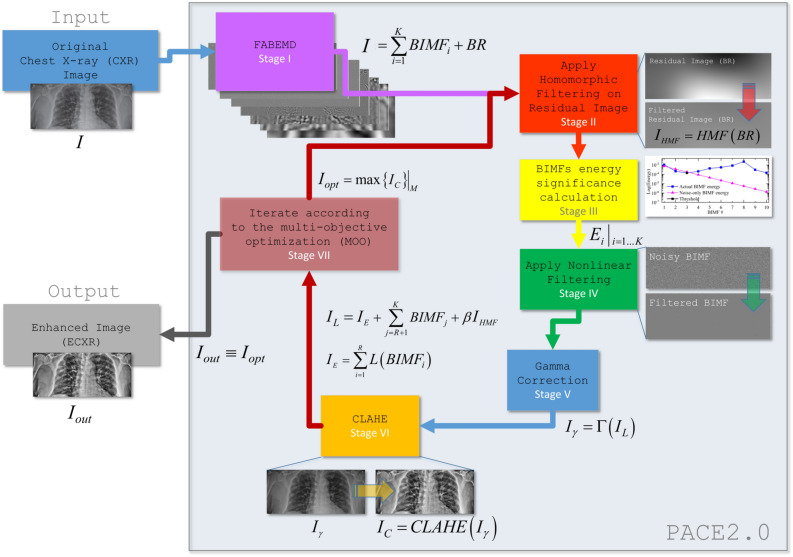
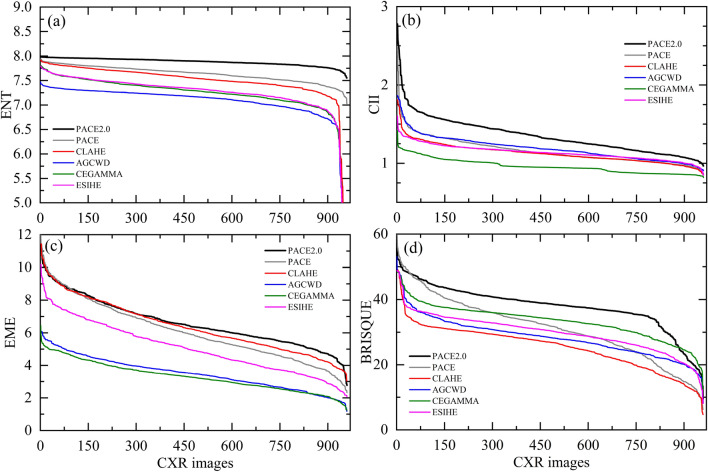
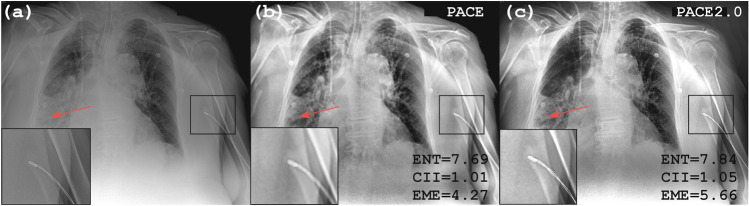
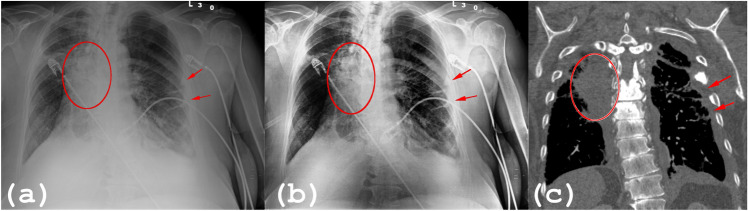
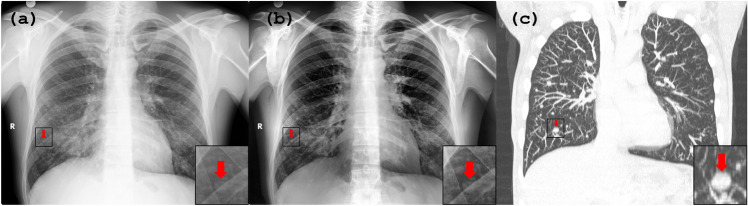
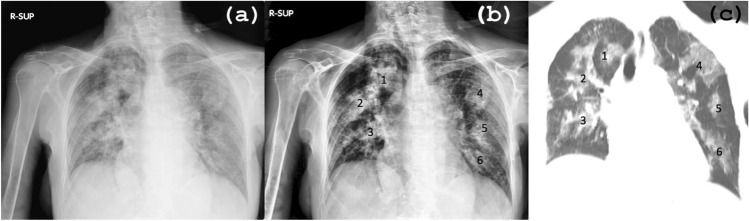
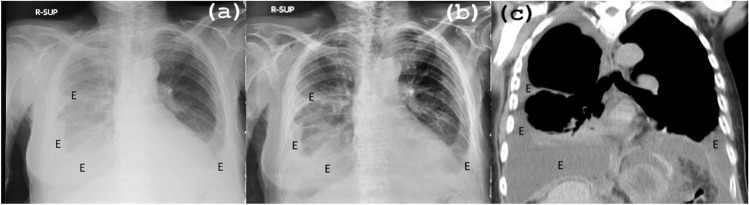
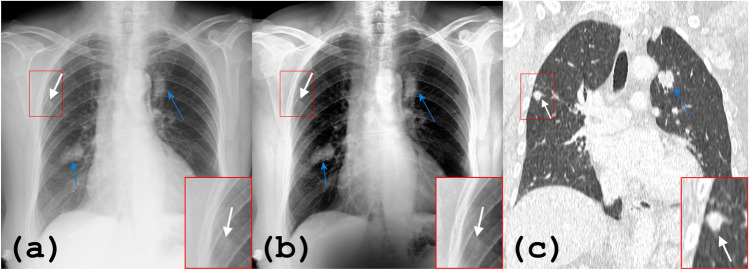
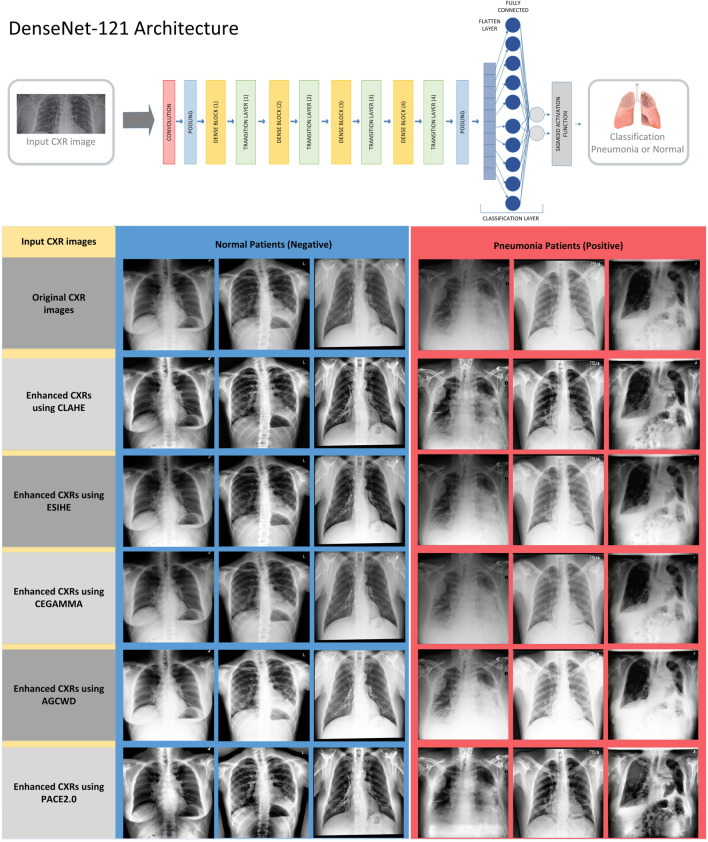
Preprocessing is an essential task for the correct analysis of digital medical images. In particular, X-ray imaging might contain artifacts, low contrast, diffractions or intensity inhomogeneities. Recently, we have developed a procedure named PACE that is able to improve chest X-ray (CXR) images including the enforcement of clinical evaluation of pneumonia originated by COVID-19. At the clinical benchmark state of this tool, there have been found some peculiar conditions causing a reduction of details over large bright regions (as in ground-glass opacities and in pleural effusions in bedridden patients) and resulting in oversaturated areas. Here, we have significantly improved the overall performance of the original approach including the results in those specific cases by developing PACE2.0. It combines 2D image decomposition, non-local means denoising, gamma correction, and recursive algorithms to improve image quality. The tool has been evaluated using three metrics: contrast improvement index, information entropy, and effective measure of enhancement, resulting in an average increase of 35% in CII, 7.5% in ENT, 95.6% in EME and 13% in BRISQUE against original radiographies. Additionally, the enhanced images were fed to a pre-trained DenseNet-121 model for transfer learning, resulting in an increase in classification accuracy from 80 to 94% and recall from 89 to 97%, respectively. These improvements led to a potential enhancement of the interpretability of lesion detection in CXRs. PACE2.0 has the potential to become a valuable tool for clinical decision support and could help healthcare professionals detect pneumonia more accurately.
© 2023. The Author(s).
Conflict of interest statement
The authors declare no competing interests.
Figures
References
-
- Troeger C, et al. Estimates of the global, regional, and national morbidity, mortality, and aetiologies of lower respiratory infections in 195 countries, 1990–2016: A systematic analysis for the Global Burden of Disease Study 2016. Lancet Infect. Dis. 2018;18:1191–1210. doi: 10.1016/S1473-3099(18)30310-4. - DOI - PMC - PubMed
-
- Delrue, L. et al. Difficulties in the interpretation of chest radiography. In (eds. Coche, E. E., Ghaye, B., de Mey, J. & Duyck, P.) 27–49 (Springer Berlin Heidelberg, 2011). 10.1007/978-3-540-79942-9_2.
MeSH terms
Grants and funding
LinkOut - more resources
Full Text Sources
Medical
Research Materials
Miscellaneous
