


The effectiveness of a 6-week biofeedback gait retraining programme in people with knee osteoarthritis: protocol for a randomised controlled trial
- PMID: 38114980
- PMCID: PMC10729376
- DOI: 10.1186/s12891-023-07098-y
The effectiveness of a 6-week biofeedback gait retraining programme in people with knee osteoarthritis: protocol for a randomised controlled trial
Abstract
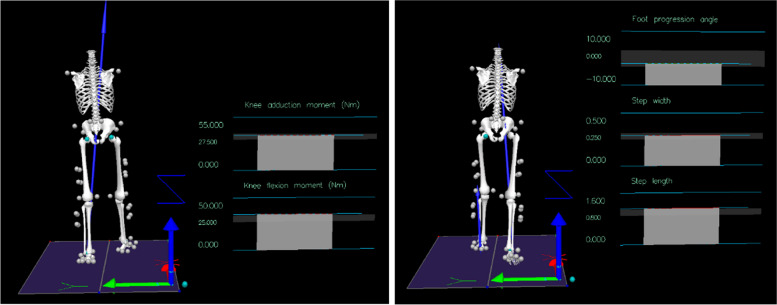
Background: Gait retraining is a common therapeutic intervention that can alter gait characteristics to reduce knee loading in knee osteoarthritis populations. It can be enhanced when combined with biofeedback that provides real-time information about the users' gait, either directly (i.e. knee moment feedback) or indirectly (i.e. gait pattern feedback). However, it is unknown which types of biofeedback are more effective at reducing knee loading, and also how the changes in gait affect pain during different activities of daily living. Therefore, this study aims to evaluate the acute (6 weeks of training) and chronic (1 month post training) effects of biofeedback based on personalised gait patterns to reduce knee loading and pain in people with knee osteoarthritis, as well as examine if more than one session of knee moment feedback is needed to optimise the gait patterns.
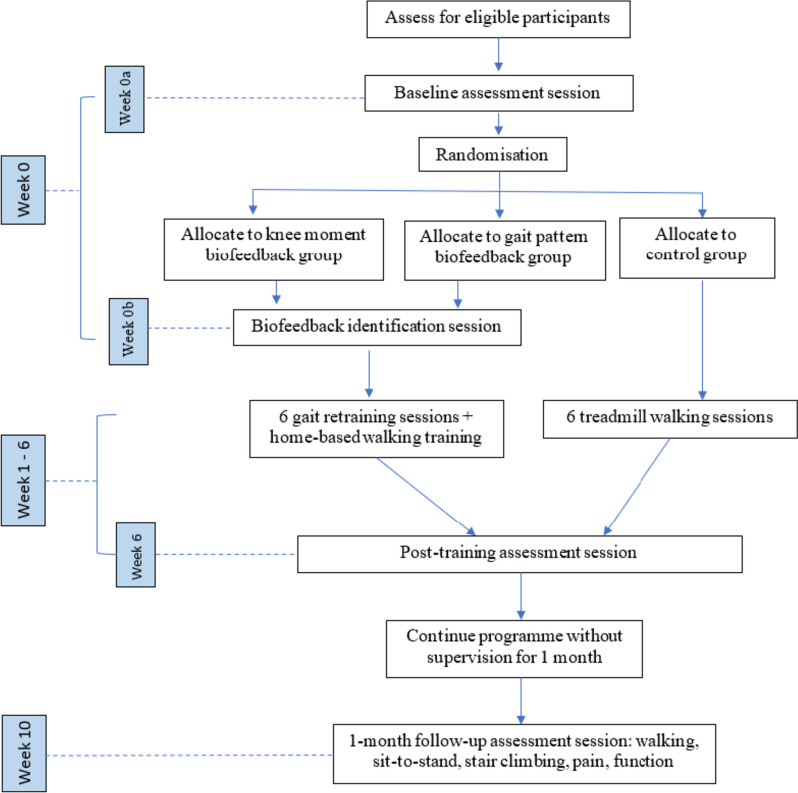
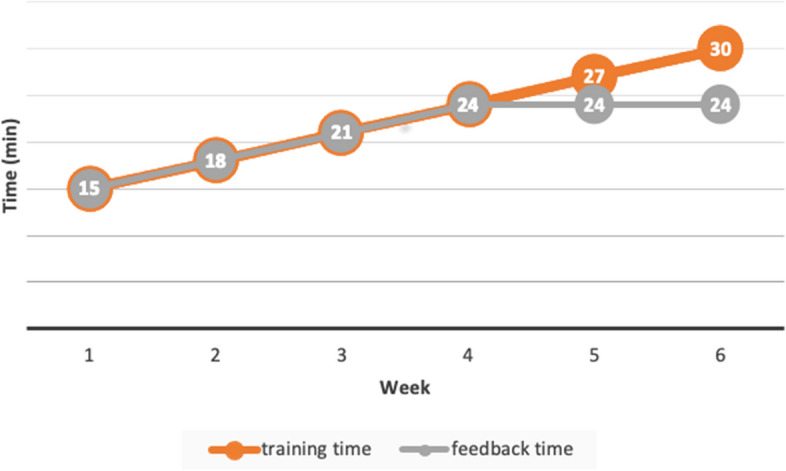
Methods: This is a parallel group, randomised controlled trial in a symptomatic knee osteoarthritis population in which participants will be randomised into either a knee moment biofeedback group (n = 20), a gait pattern biofeedback group (n = 20) or a control group (n = 10). Supervised training sessions will be carried out weekly for six continuous weeks, with real-time biofeedback provided using marker-based motion capture and an instrumented treadmill. Baseline, post-intervention and 1-month follow-up assessments will be performed to measure knee loading parameters, gait pattern parameters, muscle activation, knee pain and functional ability.
Discussion: This study will identify the optimal gait patterns for participants' gait retraining and compare the effectiveness of gait pattern biofeedback to a control group in reducing knee loading and index knee pain. Additionally, this study will explore how many sessions are needed to identify the optimal gait pattern with knee moment feedback. Results will be disseminated in future peer-reviewed journal articles, conference presentations and internet media to a wide audience of clinicians, physiotherapists, researchers and individuals with knee osteoarthritis.
Trial registration: This study was retrospectively registered under the International Standard Randomised Controlled Trial Number registry on 7th March 2023 (ISRCTN28045513).
Keywords: Biofeedback; Biomechanics; Gait retraining; Knee loading; Knee osteoarthritis; Sit-to-stand; Stair.
© 2023. The Author(s).
Conflict of interest statement
The authors declare no competing interests.
Figures
References
-
- Cross M, Smith E, Hoy D, Nolte S, Ackerman I, Fransen M, Bridgett L, Williams S, Guillemin F, Hill CL, et al. The global burden of hip and knee osteoarthritis: estimates from the global burden of Disease 2010 study. Ann Rheum Dis. 2014;73(7):1323–1330. doi: 10.1136/annrheumdis-2013-204763. - DOI - PubMed
Publication types
MeSH terms
Grants and funding
LinkOut - more resources
Full Text Sources
