


Nitrous Oxide Abuse: Clinical Outcomes, Pharmacology, Pharmacokinetics, Toxicity and Impact on Metabolism
- PMID: 38133363
- PMCID: PMC10747624
- DOI: 10.3390/toxics11120962
Nitrous Oxide Abuse: Clinical Outcomes, Pharmacology, Pharmacokinetics, Toxicity and Impact on Metabolism
Abstract
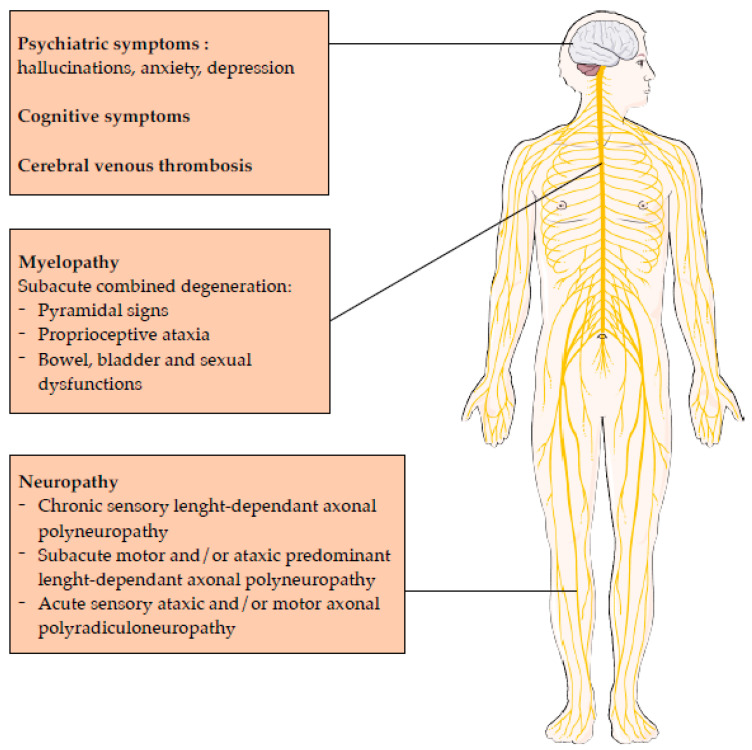
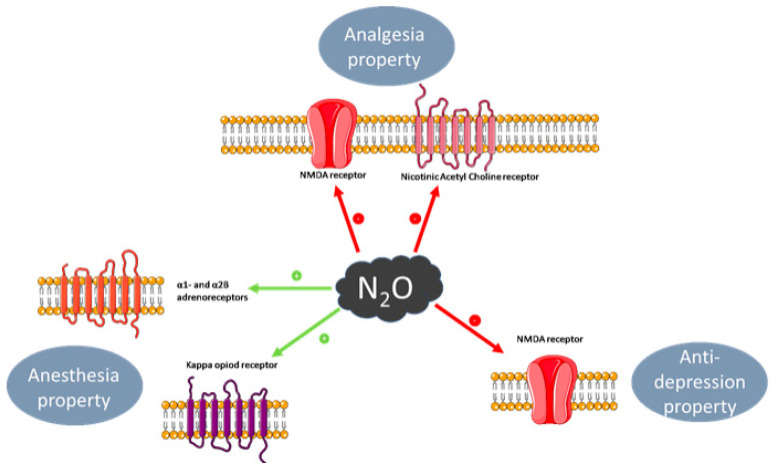
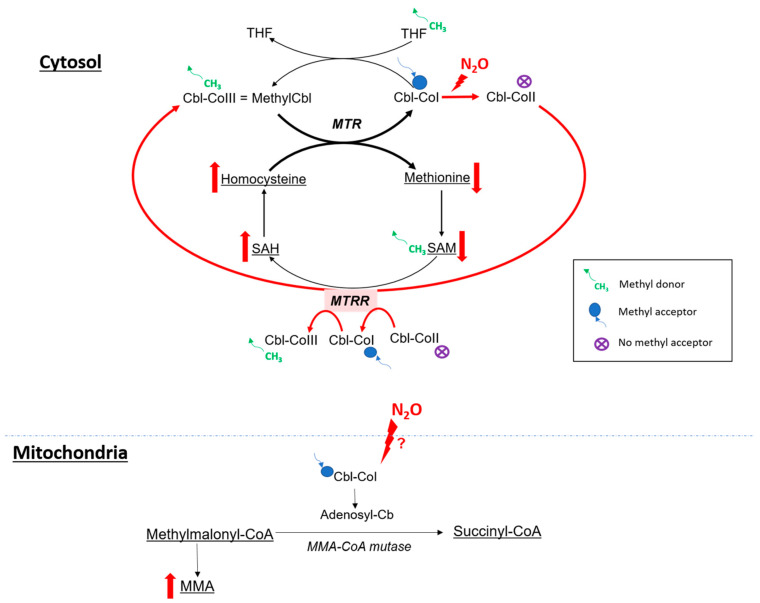
The recreational use of nitrous oxide (N2O), also called laughing gas, has increased significantly in recent years. In 2022, the European Monitoring Centre for Drugs and Drug Addiction (EMCDDA) recognized it as one of the most prevalent psychoactive substances used in Europe. Chronic nitrous oxide (N2O) exposure can lead to various clinical manifestations. The most frequent symptoms are neurological (sensitive or motor disorders), but there are also other manifestations like psychiatric manifestations or cardiovascular disorders (thrombosis events). N2O also affects various neurotransmitter systems, leading to its anesthetic, analgesic, anxiolytic and antidepressant properties. N2O is very challenging to measure in biological matrices. Thus, in cases of N2O intoxication, indirect biomarkers such as vitamin B12, plasma homocysteine and plasma MMA should be explored for diagnosis and assessment. Others markers, like oxidative stress markers, could be promising but need to be further investigated.
Keywords: addiction; cobalamin; homocysteine; methylmalonic acid; neurology; neuropathy; nitrous oxide; toxicity; vitamin; vitamin B12.
Conflict of interest statement
The authors declare no conflict of interest.
Figures
References
-
- (PDF) Recreational Use of Nitrous Oxide: A Growing Concern for Europe. [(accessed on 18 October 2023)]. Available online: https://www.researchgate.net/publication/366138268_Recreational_use_of_n....
Publication types
LinkOut - more resources
Full Text Sources
