Trichinella spiralis -induced immunomodulation signatures on gut microbiota and metabolic pathways in mice
- PMID: 38166140
- PMCID: PMC10786400
- DOI: 10.1371/journal.ppat.1011893
Trichinella spiralis -induced immunomodulation signatures on gut microbiota and metabolic pathways in mice
Abstract
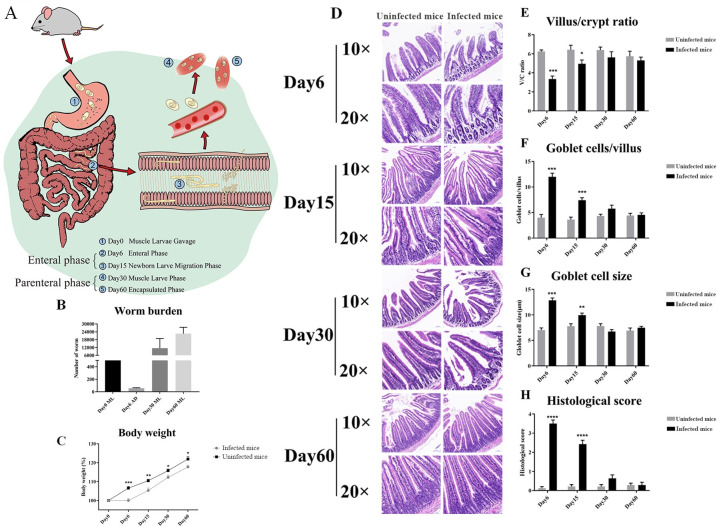
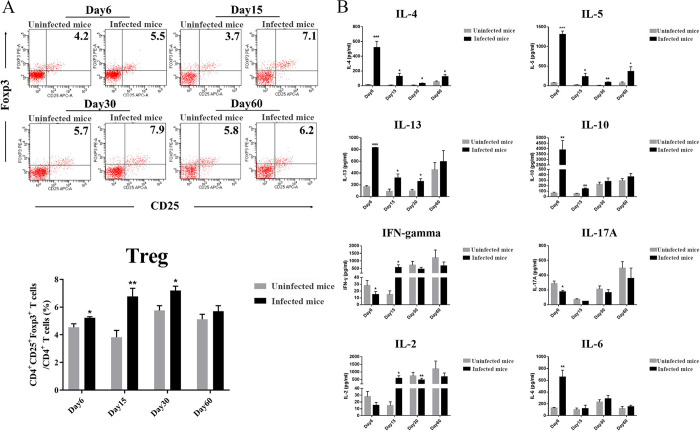
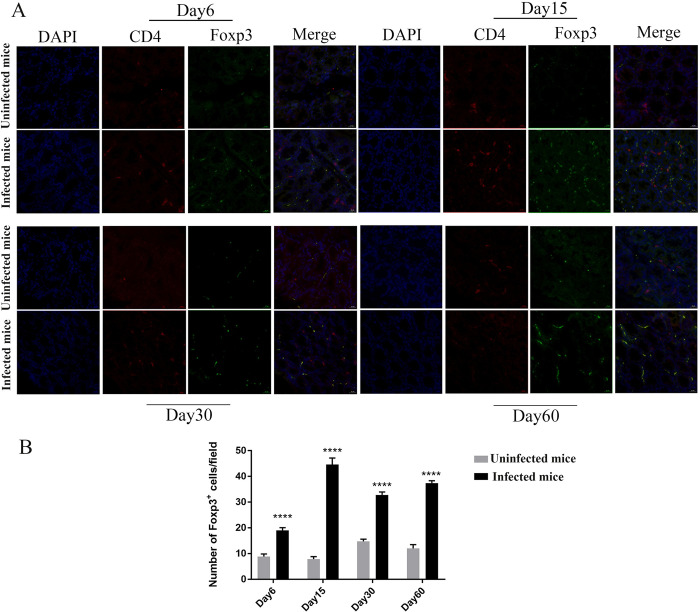
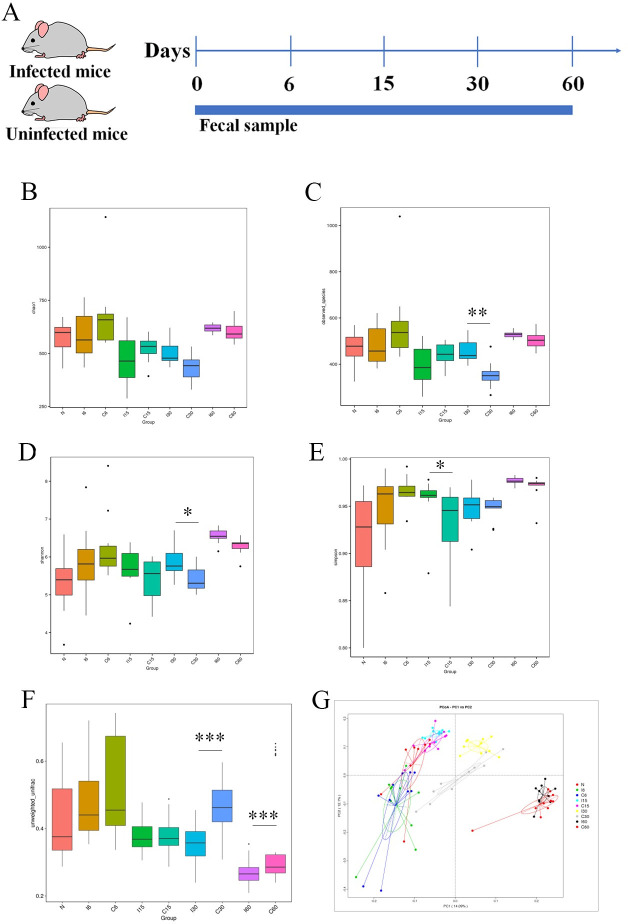
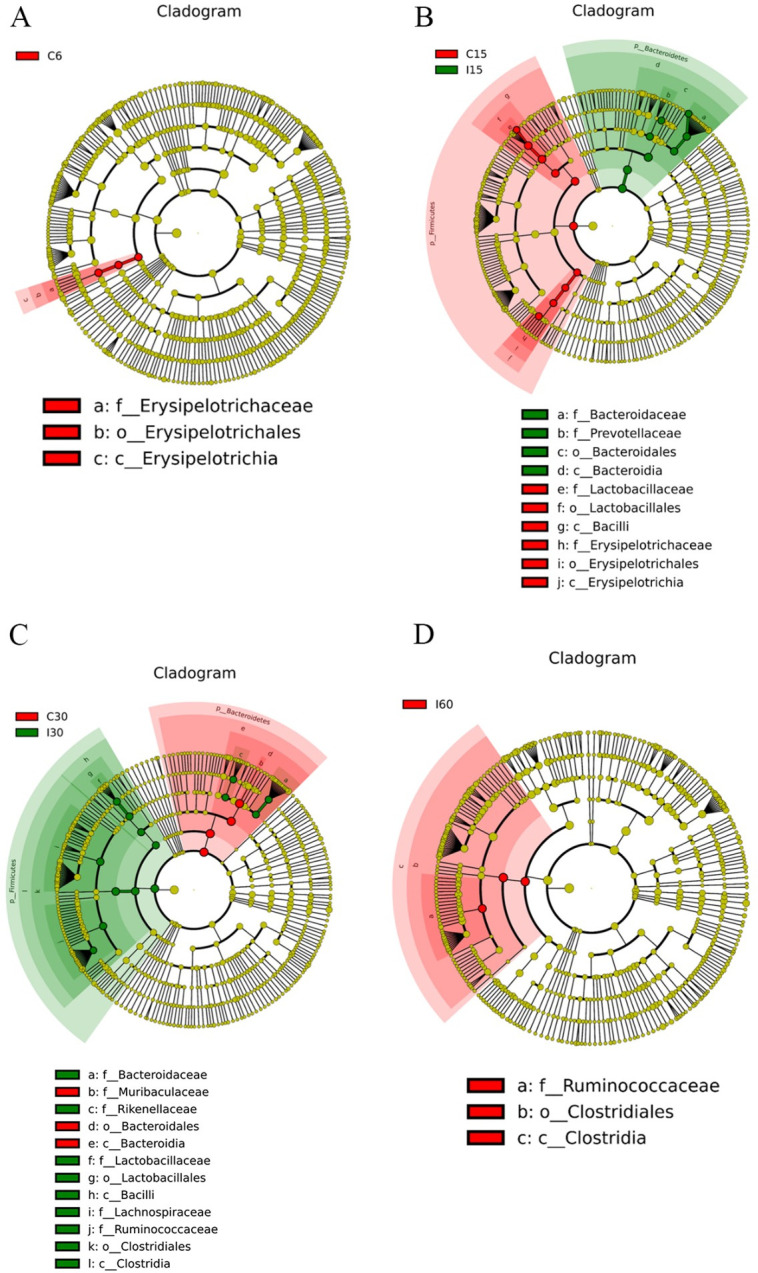
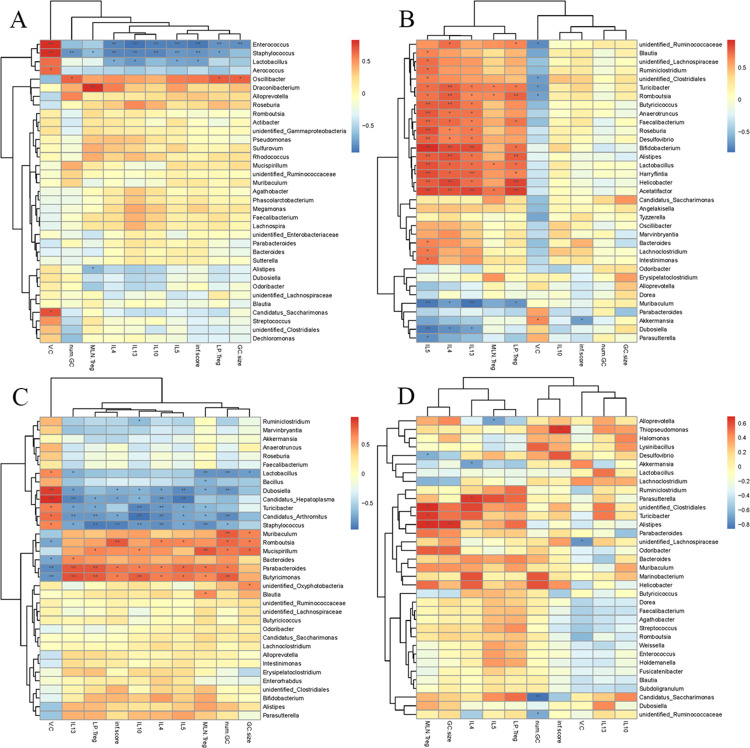
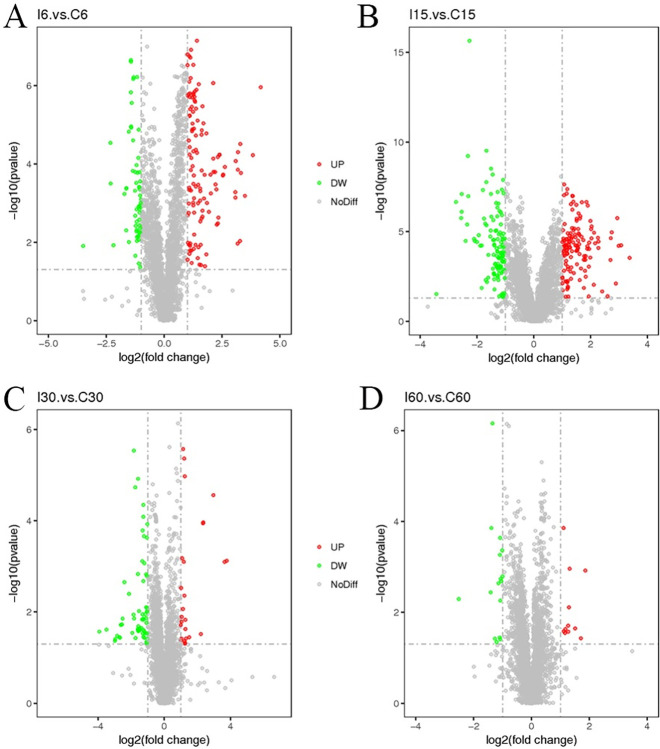
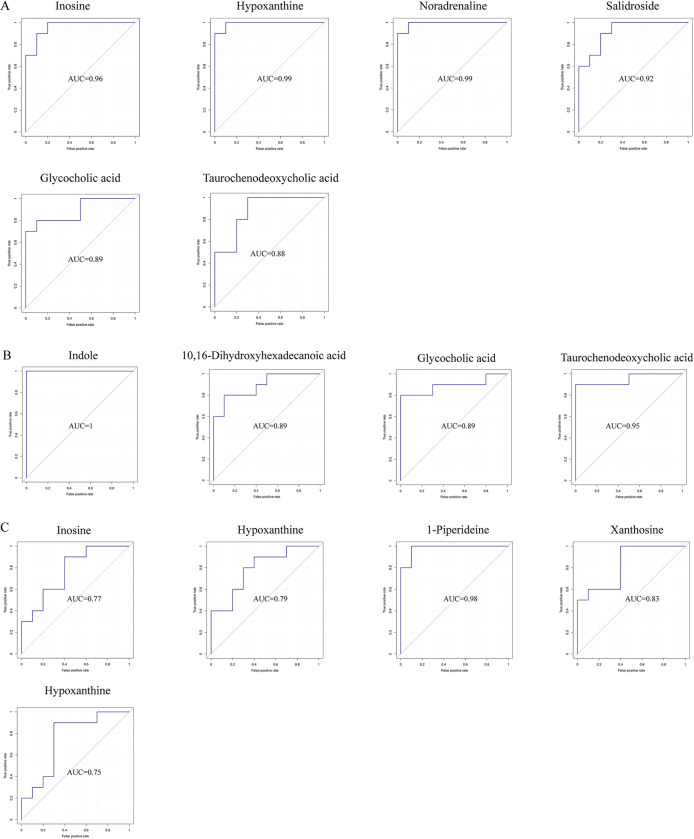
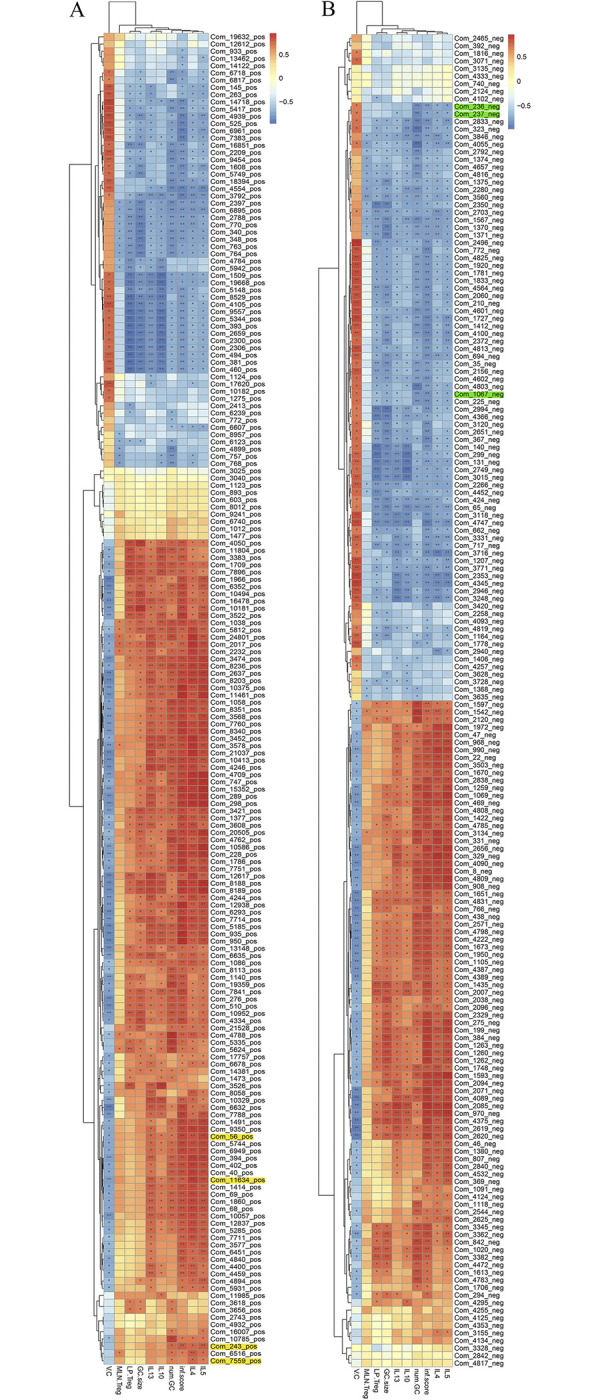
The hygiene hypothesis proposes that decreased exposure to infectious agents in developed countries may contribute to the development of allergic and autoimmune diseases. Trichinella spiralis, a parasitic roundworm, causes trichinellosis, also known as trichinosis, in humans. T. spiralis had many hosts, and almost any mammal could become infected. Adult worms lived in the small intestine, while the larvae lived in muscle cells of the same mammal. T. spiralis was a significant public health threat because it could cause severe illness and even death in humans who eat undercooked or raw meat containing the parasite. The complex interactions between gastrointestinal helminths, gut microbiota, and the host immune system present a challenge for researchers. Two groups of mice were infected with T. spiralis vs uninfected control, and the experiment was conducted over 60 days. The 16S rRNA gene sequences and untargeted LC/MS-based metabolomics of fecal and serum samples, respectively, from different stages of development of the Trichinella spiralis-mouse model, were examined in this study. Gut microbiota alterations and metabolic activity accompanied by parasite-induced immunomodulation were detected. The inflammation parameters of the duodenum (villus/crypt ratio, goblet cell number and size, and histological score) were involved in active inflammation and oxidative metabolite profiles. These profiles included increased biosynthesis of phenylalanine, tyrosine, and tryptophan while decreasing cholesterol metabolism and primary and secondary bile acid biosynthesis. These disrupted metabolisms adapted to infection stress during the enteral and parenteral phases and then return to homeostasis during the encapsulated phase. There was a shift from an abundance of Bacteroides in the parenteral phase to an abundance of probiotic Lactobacillus and Treg-associated-Clostridia in the encapsulated phase. Th2 immune response (IL-4/IL-5/IL-13), lamina propria Treg, and immune hyporesponsiveness metabolic pathways (decreased tropane, piperidine and pyridine alkaloid biosynthesis and biosynthesis of alkaloids derived from ornithine, lysine, and nicotinic acid) were all altered. These findings enhanced our understanding of gut microbiota and metabolic profiles of Trichinella -infected mice, which could be a driving force in parasite-shaping immune system maintenance.
Copyright: © 2024 Sun et al. This is an open access article distributed under the terms of the Creative Commons Attribution License, which permits unrestricted use, distribution, and reproduction in any medium, provided the original author and source are credited.
Conflict of interest statement
The authors have declared that no competing interests exist.
Figures



References
-
- Jenkins SJ, Perona-Wright G, Worsley AG, Ishii N, MacDonald AS. Dendritic cell expression of OX40 ligand acts as a costimulatory, not polarizing, signal for optimal Th2 priming and memory induction in vivo. J Immunol. 2007;179(6):3515–23. Epub 2007/09/06. doi: 10.4049/jimmunol.179.6.3515 . - DOI - PubMed
-
- Ekkens MJ, Liu Z, Liu Q, Whitmire J, Xiao S, Foster A, et al. The role of OX40 ligand interactions in the development of the Th2 response to the gastrointestinal nematode parasite Heligmosomoides polygyrus. J Immunol. 2003;170(1):384–93. Epub 2002/12/24. doi: 10.4049/jimmunol.170.1.384 . - DOI - PubMed
MeSH terms
Substances
LinkOut - more resources
Full Text Sources