Clinical Trial
. 2024 Jan;30(1):199-206.
doi: 10.1038/s41591-023-02730-9. Epub 2024 Jan 4.

Gene therapy with bidridistrogene xeboparvovec for limb-girdle muscular dystrophy type 2E/R4: phase 1/2 trial results

Affiliations
Clinical Trial

Gene therapy with bidridistrogene xeboparvovec for limb-girdle muscular dystrophy type 2E/R4: phase 1/2 trial results

Jerry R Mendell et al. Nat Med. 2024 Jan.

Abstract

Limb-girdle muscular dystrophy 2E/R4 is caused by mutations in the β-sarcoglycan (SGCB) gene, leading to SGCB deficiency and consequent muscle loss. We developed a gene therapy approach based on functional replacement of the deficient SCB protein. Here we report interim results from a first-in-human, open-label, nonrandomized, phase 1/2 trial evaluating the safety and efficacy of bidridistrogene xeboparvovec, an adeno-associated virus-based gene therapy containing a codon-optimized, full-length human SGCB transgene. Patients aged 4-15 years with confirmed SGCB mutations at both alleles received one intravenous infusion of either 1.85 × 10¹³ vector genome copies kg-1 (Cohort 1, n = 3) or 7.41 × 10¹³ vector gene copies kg-1 (Cohort 2, n = 3). Primary endpoint was safety, and secondary endpoint was change in SGCB expression in skeletal muscle from baseline to Day 60. We report interim Year 2 results (trial ongoing). The most frequent treatment-related adverse events were vomiting (four of six patients) and gamma-glutamyl transferase increase (three of six patients). Serious adverse events resolved with standard therapies. Robust SGCB expression was observed: Day 60 mean (s.d.) percentage of normal expression 36.2% (2.7%) in Cohort 1 and 62.1% (8.7%) in Cohort 2. Post hoc exploratory analysis showed preliminary motor improvements using the North Star Assessment for Limb-girdle Type Muscular Dystrophies maintained through Year 2. The 2-year safety and efficacy of bidridistrogene xeboparvovec support clinical development advancement. Further studies are necessary to confirm the long-term safety and efficacy of this gene therapy. ClinicalTrials.gov registration: NCT03652259 .


Conflict of interest statement

J.R.M. received financial support from Sarepta Therapeutics, Inc. while at NCH at the time of the study and currently is an employee of Sarepta Therapeutics, Inc. E.R.P., S.L., D.A.G., S.N., R.P., X.L., H.S. and L.R.R.-K. are, or have been, employees of Sarepta Therapeutics, Inc. and may own stock/options in the company. L.P.L. and L.N.A. received fees from Sarepta Therapeutics, Inc. for licensure of the LGMD natural history dataset and served on the LGMD advisory board. L.P.L., L.N.A. and N.F.R. perform outcome measures training. B.S., K.J.L., K.C., N.F.R. and M.A.I. have no competing interests to declare and J.R.M with L.R.R.-K., are coinventors of bidridistrogene xeboparvovec.

Figures
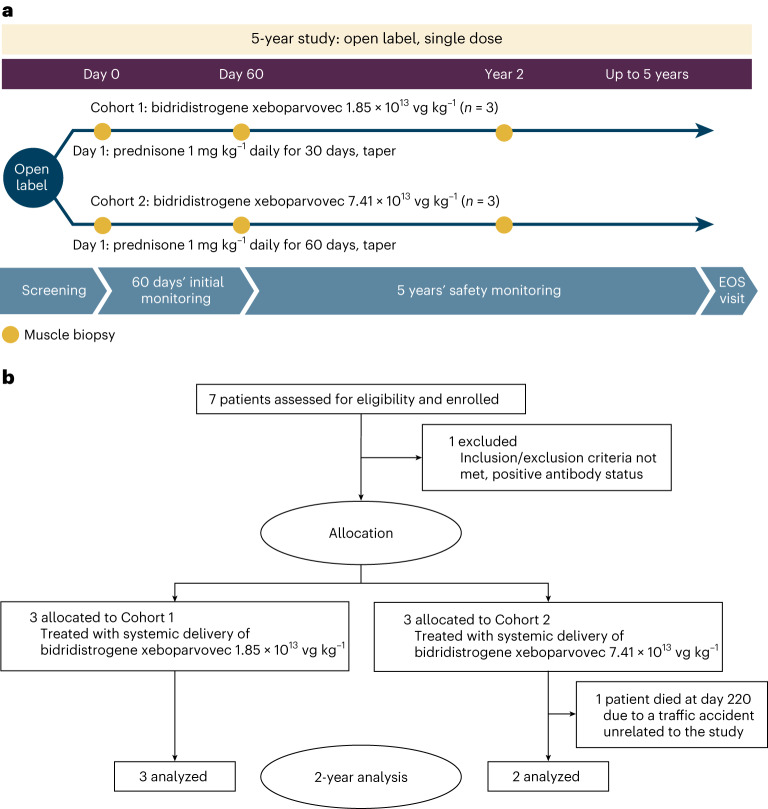
Fig. 1
Fig. 1. SRP-9003-101 study design and study flow diagram.
a, Study design. b, Study flow diagram. EOS, end of study.
Fig. 2
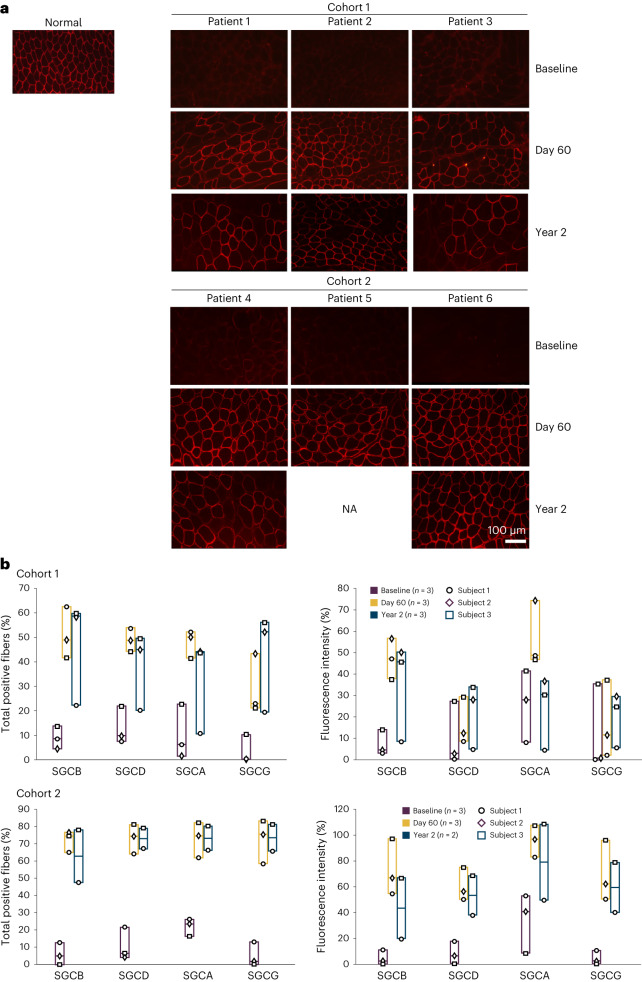
Fig. 2. Secondary and exploratory outcomes of SGCB and sarcoglycan complex expression.
a, Representative immunofluorescence images of biopsied muscle sections stained for SGCB from each patient pre and post treatment (Day 60 and Year 2) compared with normal muscle. Biopsied tissue sections of tibialis anterior and biceps were processed and stained for detection of SGCB. Four ×20 images per tissue block were taken, with four per timepoint (that is, 16 images per patient per timepoint). Patient 5 died in an accident unrelated to the study and therefore the Year 2 biopsy timepoint is missing. b, Expression of sarcoglycan complex subunits in Cohorts 1 and 2 from muscle biopsies by immunofluorescence (mean percentage of positive fibers and mean intensity) at baseline, Day 60 and Year 2.
Extended Data Fig. 1
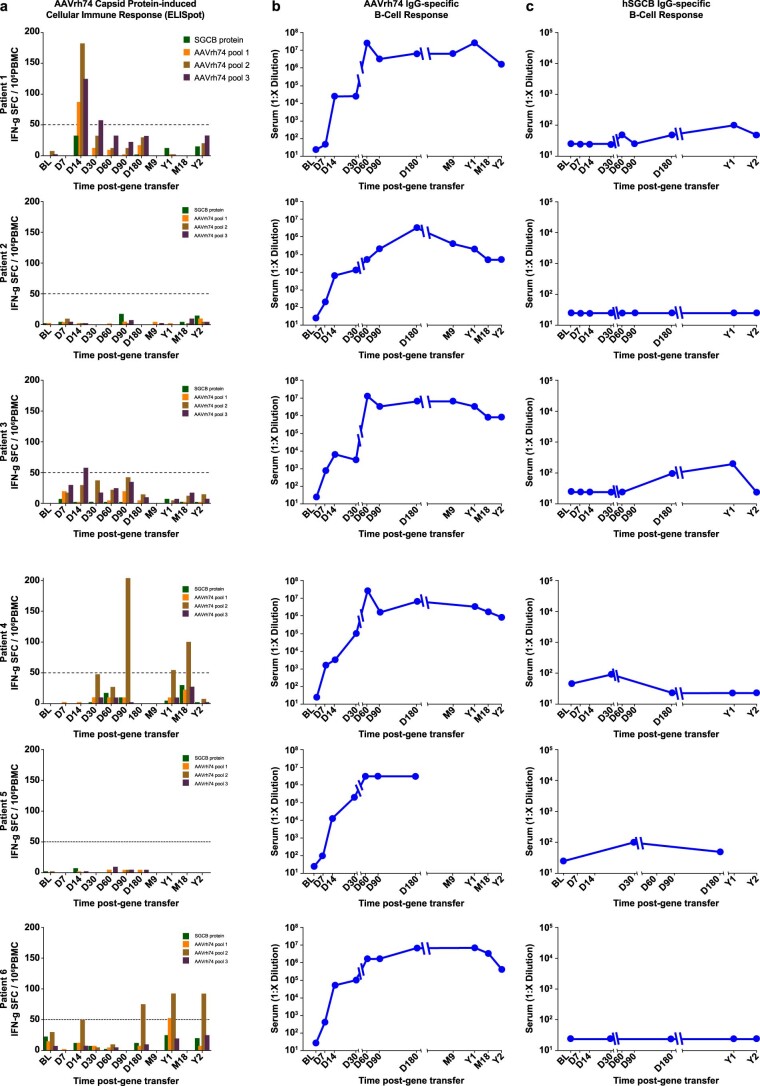
Extended Data Fig. 1. Exploratory outcomes of individual immune responses to AAVrh74 capsid protein, AAV peptide pools, and hSGCB.
Exploratory outcomes of individual immune responses to (a) AAVrh74 capsid protein, (b) AAV peptide pools and (c) hSGCB. Footnote: Dotted line in ELISpot plots denotes threshold of 50 Spot Forming Colonies (SFC) per million cells. hSGCB, human β-sarcoglycan; IFN-γ SFC, gamma interferon spot-forming cells; PBMC, peripheral blood mononuclear cells. Missing datapoints are due to patient samples not collected at all or not collected at the scheduled timepoint (unscheduled data not shown). Asterisk (‘*’) denotes value <1/X. Hashtag (‘#’) denotes value >1/X.
Extended Data Fig. 2
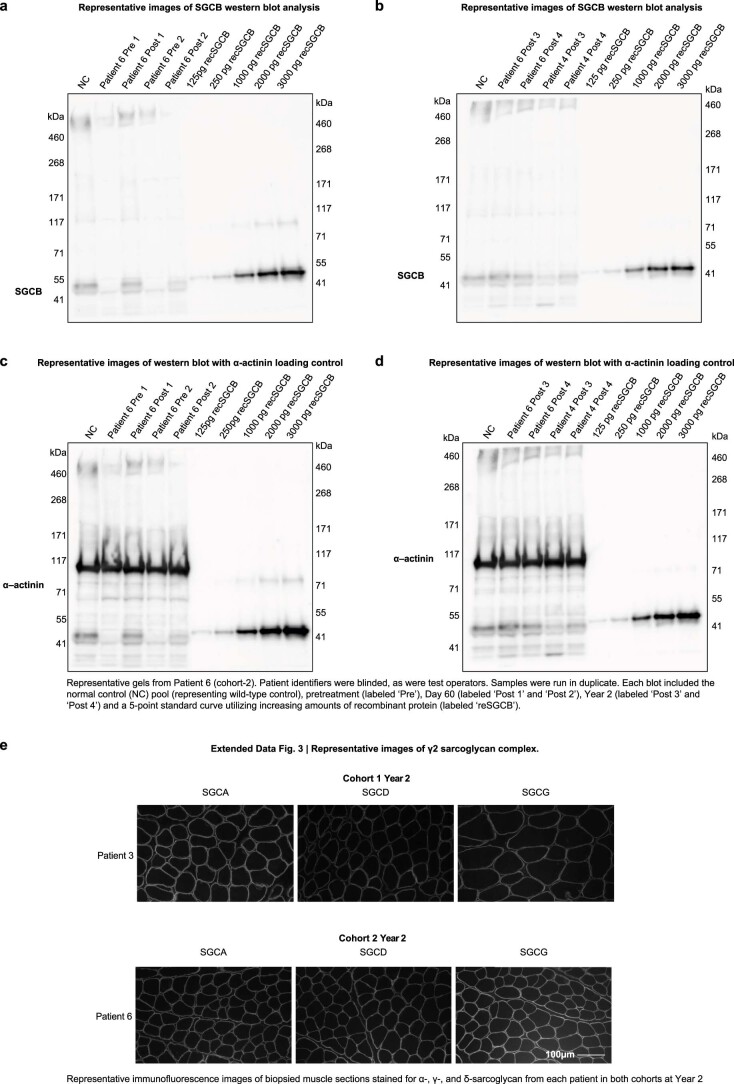
Extended Data Fig. 2. Secondary and exploratory outcomes.
representative images of SGCB immunoblot analysis (a, b), immunoblot with α-actinin loading control (c, d), and γ2 sarcoglycan complex (e). Source data
Extended Data Fig. 3
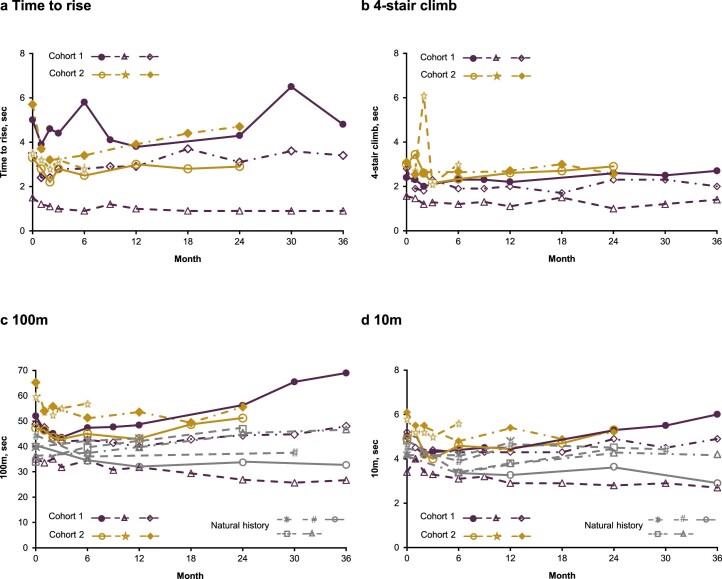
Exploratory outcome of changes in functional outcomes throughout the study and post hoc comparison with natural history cohort presented as scores of individual patients for (a) Time to rise, (b) 4-stair climb, (c) 100m, (d) 10m.
Extended Data Fig. 4
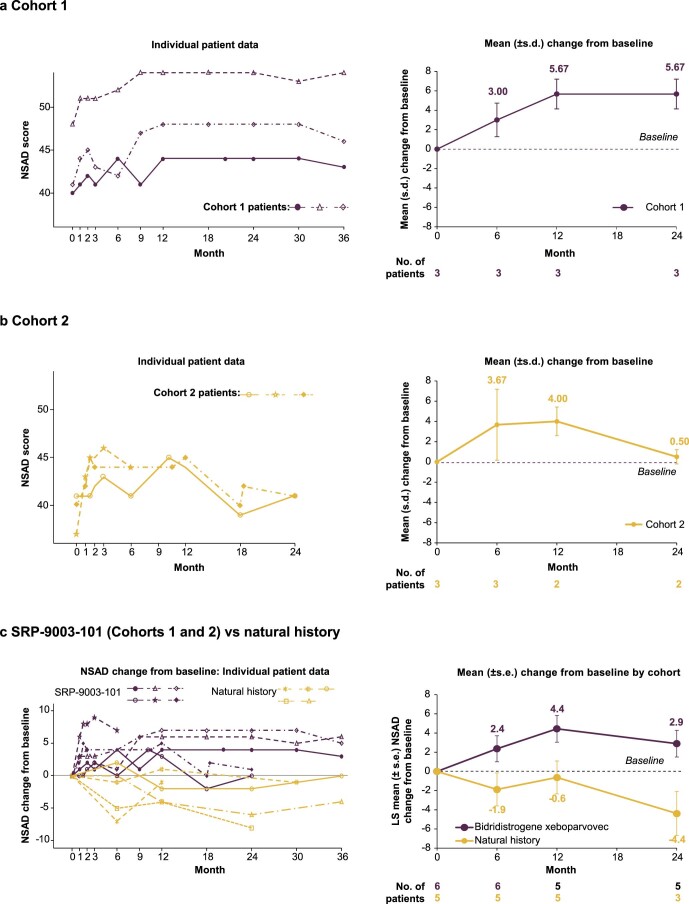
Extended Data Fig. 4. Exploratory outcome of changes in NSAD score throughout the study and post hoc comparison with natural history cohort.
a–c, Changes in NSAD score in Cohort 1 (a), Cohort 2 (b), and SRP-9003-101 study population (Cohorts 1 and 2; n = 6) versus natural history cohort (n = 5) (c) presented as total NSAD score of individual patients (left panel) and mean (s.d.) change from baseline by cohort (right panel). The NSAD scale ranges from 0 to 54, with higher scores indicating a higher level of function. Footnote: aMMRM analysis included fixed effects for treatment arm, visit, and treatment arm by visit interaction, and baseline NSAD, baseline 100m, and baseline 10m as continuous covariates; the first-order autoregressive structure was used for variance-covariance matrix of within-patient errors. Functional data for Patient 5 is available until month 6 due to a recreational accident unrelated to the study. LS, least square; MMRM, mixed model repeated measures; NSAD, North Star Assessment for Limb Girdle Type Muscular Dystrophies.

References

    1. Murphy AP, Straub V. The classification, natural history and treatment of the limb girdle muscular dystrophies. J. Neuromuscul. Dis. 2015;2:S7–S19. doi: 10.3233/JND-150105. - DOI - PMC - PubMed
    1. Wicklund MP. The limb-girdle muscular dystrophies. Continuum (Minneap. Minn.) 2019;25:1599–1618. - PubMed
    1. Thompson R, Straub V. Limb-girdle muscular dystrophies – international collaborations for translational research. Nat. Rev. Neurol. 2016;12:294–309. doi: 10.1038/nrneurol.2016.35. - DOI - PubMed
    1. Straub V, Murphy A, Udd B. Limb girdle muscular dystrophies – nomenclature and reformed classification. Neuromuscul. Disord. 2018;28:702–710. doi: 10.1016/j.nmd.2018.05.007. - DOI - PubMed
    1. Angelini C, Tasca E, Nascimbeni AC, Fanin M. Muscle fatigue, nNOS and muscle fiber atrophy in limb girdle muscular dystrophy. Acta Myol. 2014;33:119–126. - PMC - PubMed

Publication types

MeSH terms

Supplementary concepts

Associated data