


Comparative analysis of different types of occlusal splints for the management of sleep bruxism: a systematic review
- PMID: 38182999
- PMCID: PMC10770907
- DOI: 10.1186/s12903-023-03782-6
Comparative analysis of different types of occlusal splints for the management of sleep bruxism: a systematic review
Abstract
Background: Sleep bruxism is a prevalent condition in dentistry practice, characterized by involuntary grinding or clenching of the teeth during sleep. Several therapies, including occlusal splints, have been used to manage sleep bruxism and temporomandibular disorders, including occlusal splints. This study aimed to compare the effectiveness of different occlusal splints in managing sleep bruxism.
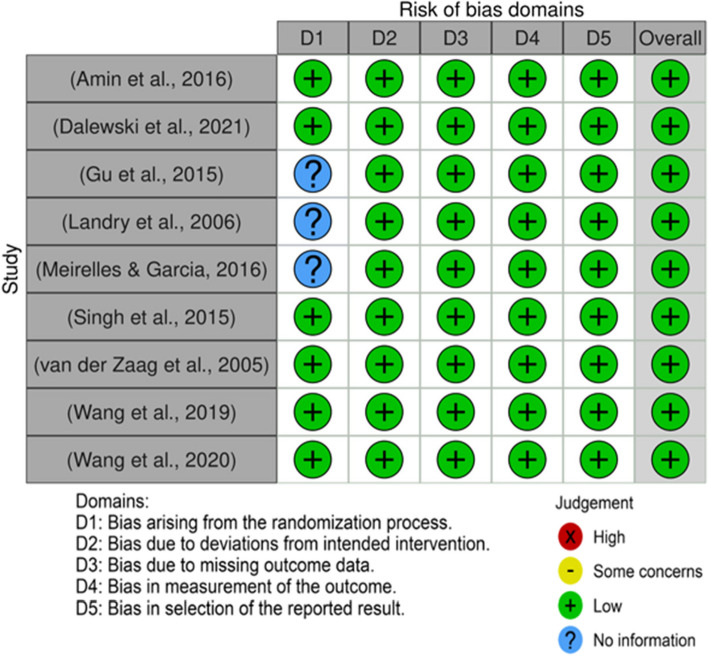
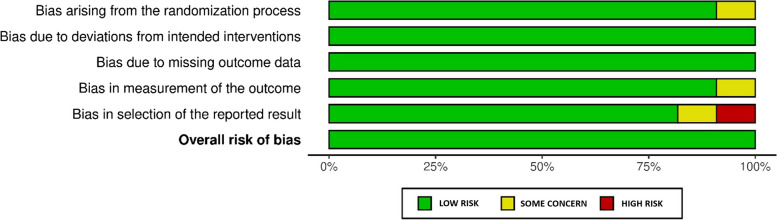
Methods: The PICO framework encompasses the characterization of the population, intervention, comparison, and pertinent outcomes. A comprehensive and systematic literature review was conducted on PubMed, Scopus, and Google Scholar to identify grey literature. The search specifically targeted scientific studies published before September 20, 2023. The Cochrane Collaboration Risk of Bias Tool assessed the accuracy of the included Randomized Control Trials (RCTs). The modified Newcastle-Ottawa Scale assessed non-randomized studies. Data were systematically extracted, synthesized, and reported thematically.
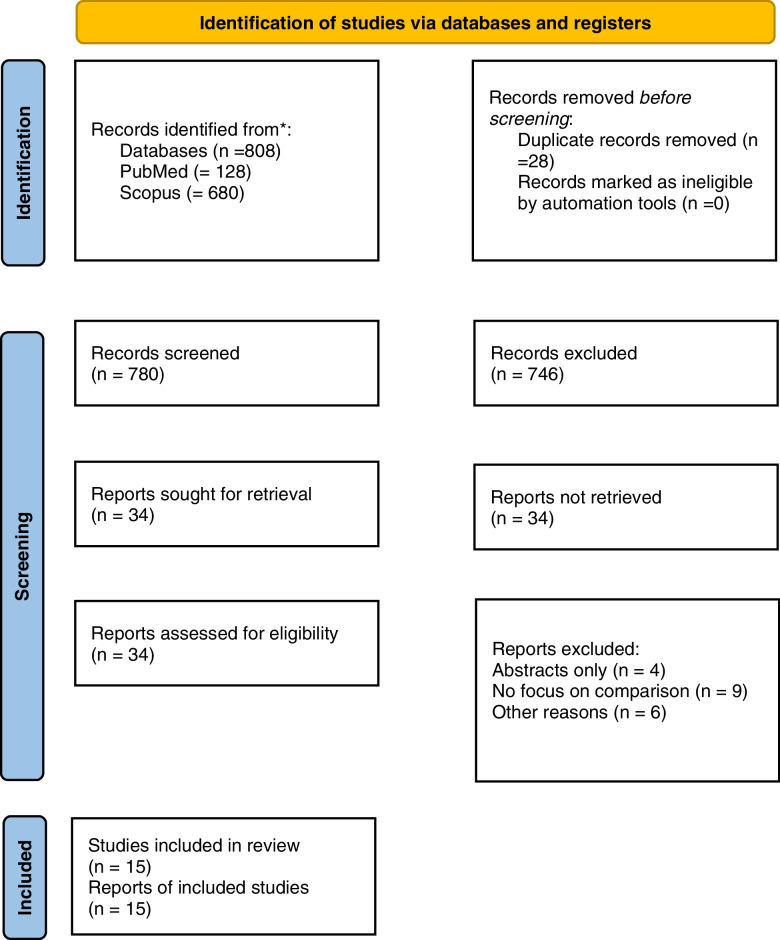
Results: Out of the total of 808 articles that were evaluated, only 15 articles were found to meet the specified inclusion criteria. Adjustable splints, such as full-occlusion biofeedback splints, were more effective in reducing sleep bruxism episodes, improving patient-reported symptoms, and enhancing overall well-being. The impact of different occlusal sprints on electromyographic activity varies, and potential adverse effects should be considered individually.
Conclusions: This review provides valuable insights into the effectiveness of occlusal splints in managing sleep bruxism. The results of this study indicate that occlusal splint therapy is a viable treatment approach for sleep bruxism.
Keywords: Adjustable splints; Hard splints; Occlusal splint; Sleep bruxism; Soft splints.
© 2023. The Author(s).
Conflict of interest statement
The authors declare no competing interests.
Figures
References
Publication types
MeSH terms
Grants and funding
LinkOut - more resources
Full Text Sources
Medical
