


Leveraging multisectoral approach to understand the determinants of childhood stunting in Rwanda: a systematic review and meta-analysis
- PMID: 38183064
- PMCID: PMC10768136
- DOI: 10.1186/s13643-023-02438-4
Leveraging multisectoral approach to understand the determinants of childhood stunting in Rwanda: a systematic review and meta-analysis
Abstract
Background: Addressing childhood stunting is a priority and an important step in the attainment of Global Nutrition Targets for 2025 and Sustainable Development Goals (SDGs). In Rwanda, the prevalence of child stunting remains high despite concerted efforts to reduce it.
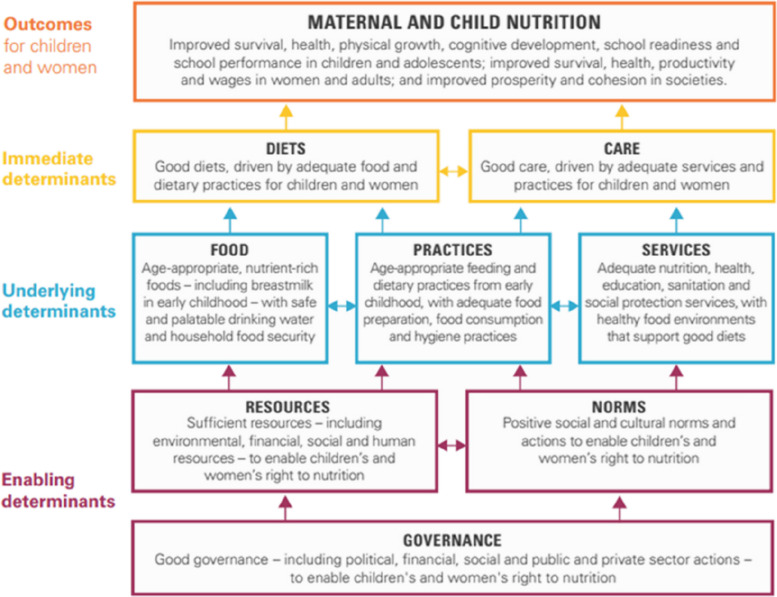
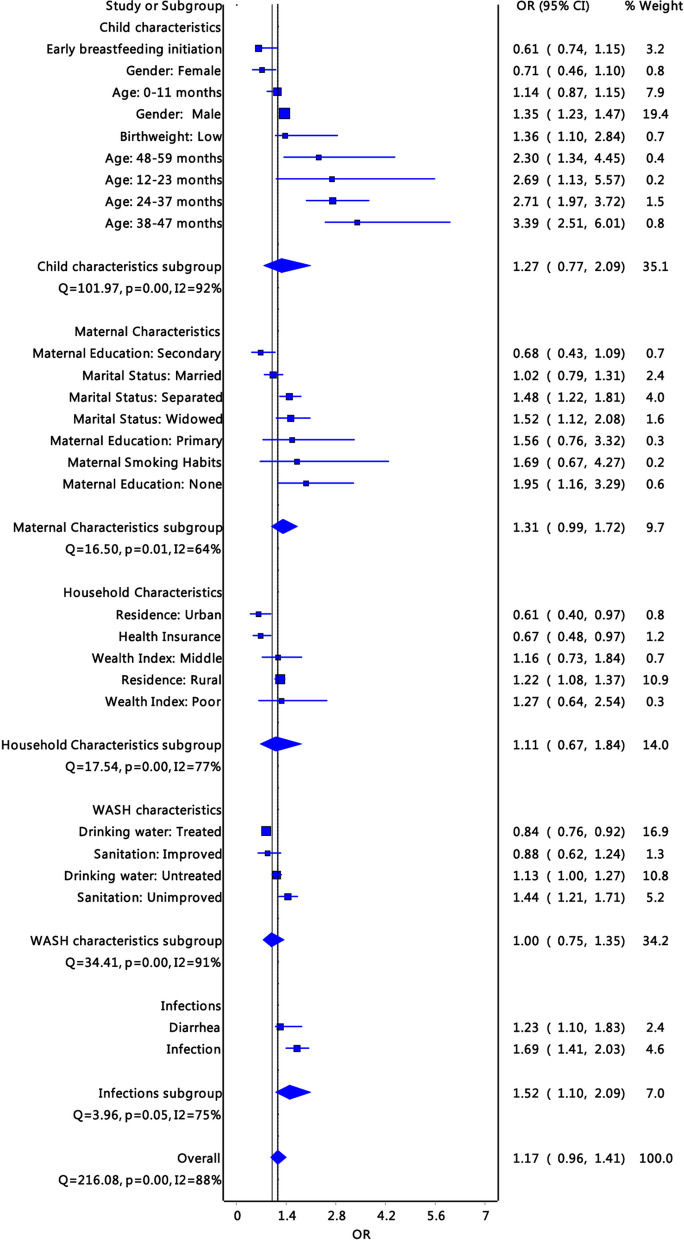
Methods: Utilizing the United Nations International Children's Emergency Fund (UNICEF) framework on maternal and child nutrition, this study systematically evaluated the determinants of child stunting in Rwanda and identified available gaps. Twenty-five peer-reviewed papers and five Demographic and Health Surveys (DHS) reports were included in the final selection of our review, which allowed us to identify determinants such as governance and norms including wealth index, marital status, and maternal education, while underlying determinants were maternal health and nutrition factors, early initiation of breastfeeding, water treatment and sanitation, and immediate factors included infections.
Results: A total of 75% of the overall inequality in stunting was due to the difference in the social determinants of stunting between poor and nonpoor households. Maternal education (17%) and intergenerational transfer (31%) accounted for most of the inequalities in stunting, and an increase in gross domestic product per capita contributed to a reduction in its prevalence. There is a paucity of information on the impact of sociocultural norms, early life exposures, maternal health and nutrition, and Rwandan topography.
Conclusion: The findings of this study suggest that improving women's status, particularly maternal education and health; access to improved water, sanitation, and hygiene-related factors; and the socioeconomic status of communities, especially those in rural areas, will lay a sound foundation for reducing stunting among under-5 children.
Keywords: Child health; Demographic and Health Surveys; Meta-analysis; Rwanda; Stunting.
© 2024. The Author(s).
Conflict of interest statement
The authors declare that they have no competing interests.
Figures



References
-
- FAO, IFAD, UNICEF, WFP. The state of food security and nutrition in the world 2019: safeguarding against economic slowdowns and downturns. Rome: FAO. 2019.
-
- United Nations. Goal 2: zero hunger. United Nations. 2022. https://www.un.org/sustainabledevelopment/hunger/.
-
- UN. Overview: sustainable development goals. Department of Economic and Social Affairs, Statistics Division. 2020. https://unstats.un.org/sdgs/report/2020/Overview/.
-
- UN . Transforming our world: the 2030 agenda for sustainable development. New York: United Nations; 2015.
-
- Katila P, Colfer CJP, De Jong W, Galloway G, Pacheco P, Winkel G. Sustainable Development Goals. Cambridge: Cambridge University Press; 2019.
Publication types
MeSH terms
LinkOut - more resources
Full Text Sources
Medical
