


Isolation and characterization of Candida tropicalis B: a promising yeast strain for biodegradation of petroleum oil in marine environments
- PMID: 38218907
- PMCID: PMC10790260
- DOI: 10.1186/s12934-023-02292-y
Isolation and characterization of Candida tropicalis B: a promising yeast strain for biodegradation of petroleum oil in marine environments
Erratum in
-
Correction: Isolation and characterization of Candida tropicalis B: a promising yeast strain for biodegradation of petroleum oil in marine environments.Microb Cell Fact. 2024 Mar 28;23(1):95. doi: 10.1186/s12934-024-02348-7. Microb Cell Fact. 2024. PMID: 38549141 Free PMC article. No abstract available.
Abstract
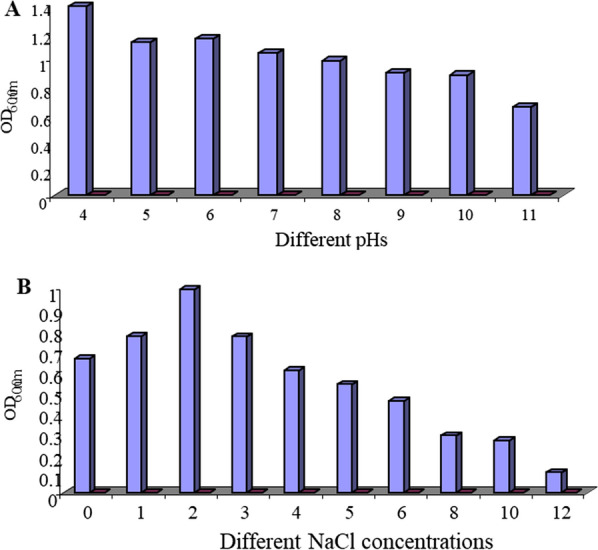
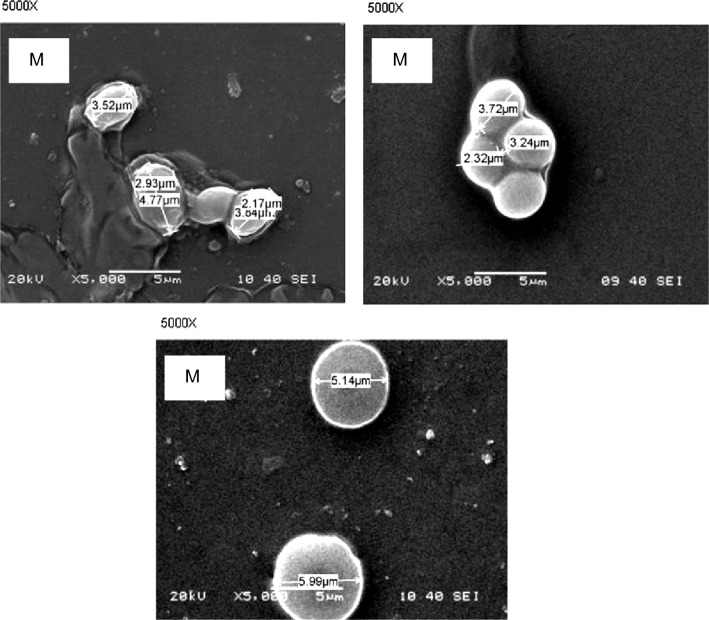
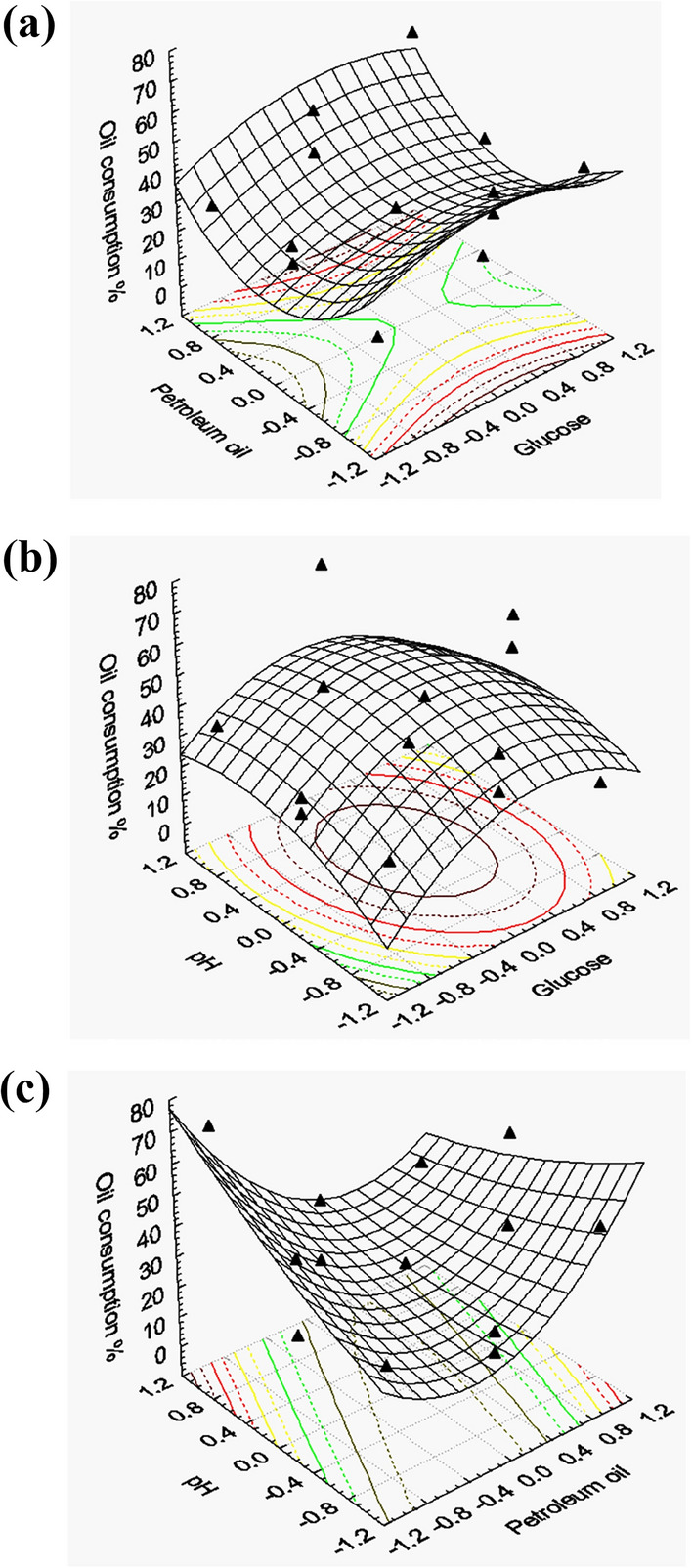
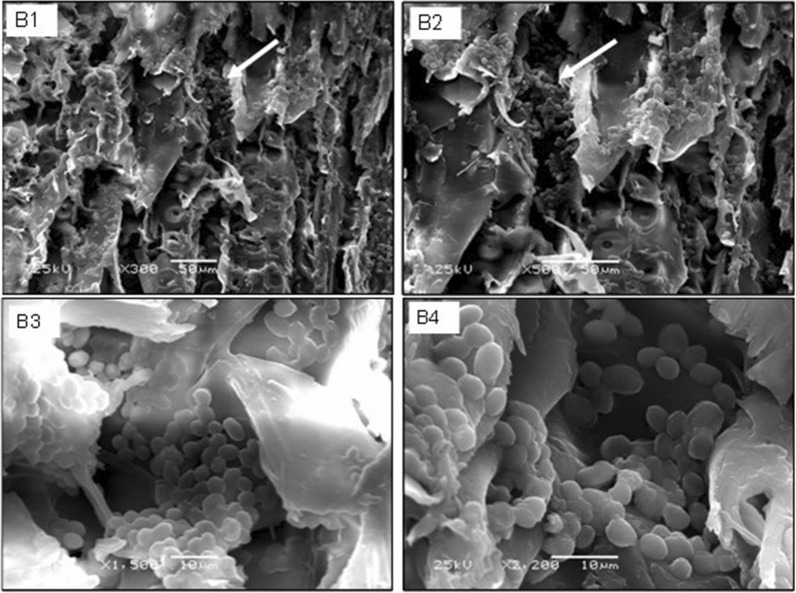
The increasing interest in environmental protection laws has compelled companies to regulate the disposal of waste organic materials. Despite efforts to explore alternative energy sources, the world remains heavily dependent on crude petroleum oil and its derivatives. The expansion of the petroleum industry has significant implications for human and environmental well-being. Bioremediation, employing living microorganisms, presents a promising approach to mitigate the harmful effects of organic hydrocarbons derived from petroleum. This study aimed to isolate and purify local yeast strains from oil-contaminated marine water samples capable of aerobically degrading crude petroleum oils and utilizing them as sole carbon and energy sources. One yeast strain (isolate B) identified as Candida tropicalis demonstrated high potential for biodegrading petroleum oil in seawater. Physiological characterization revealed the strain's ability to thrive across a wide pH range (4-11) with optimal growth at pH 4, as well as tolerate salt concentrations ranging from 1 to 12%. The presence of glucose and yeast extract in the growth medium significantly enhanced the strain's biomass formation and biodegradation capacity. Scanning electron microscopy indicated that the yeast cell diameter varied based on the medium composition, further emphasizing the importance of organic nitrogenous sources for initial growth. Furthermore, the yeast strain exhibited remarkable capabilities in degrading various aliphatic and aromatic hydrocarbons, with a notable preference for naphthalene and phenol at 500 and 1000 mg/l, naphthalene removal reached 97.4% and 98.6%, and phenol removal reached 79.48% and 52.79%, respectively. Optimization experiments using multi-factorial sequential designs highlighted the influential role of oil concentration on the bioremediation efficiency of Candida tropicalis strain B. Moreover, immobilized yeast cells on thin wood chips demonstrated enhanced crude oil degradation compared to thick wood chips, likely due to increased surface area for cell attachment. These findings contribute to our understanding of the potential of Candida tropicalis for petroleum oil bioremediation in marine environments, paving the way for sustainable approaches to address oil pollution.
Keywords: Candida tropicalis; Immobilization; Oil biodegradation; Statistical experimental design.
© 2024. The Author(s).
Conflict of interest statement
The authors declare no competing interests.
Figures





References
-
- Loyeh EN, Mohsenpour R. Investigation of oil pollution on aquatic animals and methods of its prevention. J Aquac Mar Biol. 2020;9(5):160–165. doi: 10.15406/jamb.2020.09.00291. - DOI
-
- Singh T. Removal of petroleum hydrocarbons by using microbial mats. MSc thesis, National Institute of Technology Rourkela. 2011.
-
- Latha R, Kalaivani R. Bacterial degradation of crude oil by gravimetric analysis. Adv Appl Sci Res. 2012;3(5):2789–2795.
MeSH terms
Substances
LinkOut - more resources
Full Text Sources
