


Conductive 3D nano-biohybrid systems based on densified carbon nanotube forests and living cells
- PMID: 38223564
- PMCID: PMC10784361
- DOI: 10.1557/s43578-023-01163-x
Conductive 3D nano-biohybrid systems based on densified carbon nanotube forests and living cells
Abstract
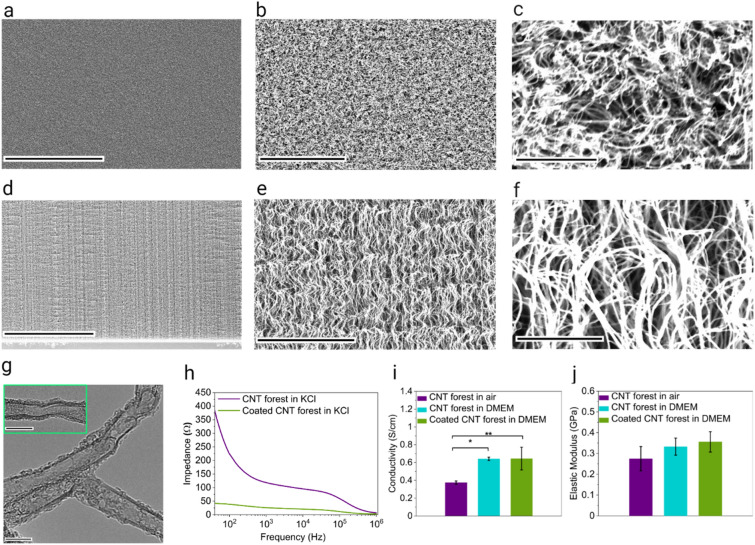
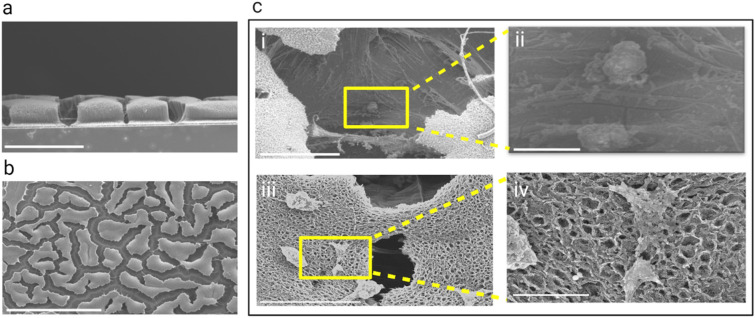
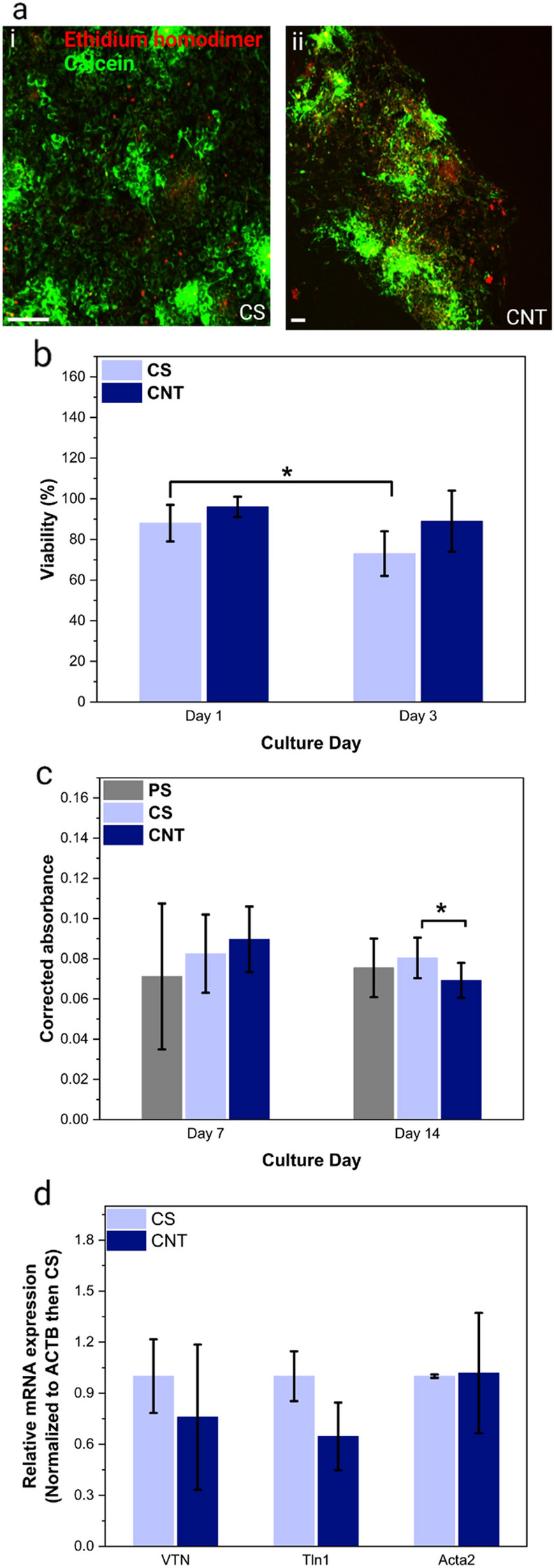
Conductive biohybrid cell-material systems have applications in bioelectronics and biorobotics. To date, conductive scaffolds are limited to those with low electrical conductivity or 2D sheets. Here, 3D biohybrid conductive systems are developed using fibroblasts or cardiomyocytes integrated with carbon nanotube (CNT) forests that are densified due to interactions with a gelatin coating. CNT forest scaffolds with a height range of 120-240 µm and an average electrical conductivity of 0.6 S/cm are developed and shown to be cytocompatible as evidenced from greater than 89% viability measured by live-dead assay on both cells on day 1. The cells spread on top and along the height of the CNT forest scaffolds. Finally, the scaffolds have no adverse effects on the expression of genes related to cardiomyocyte maturation and functionality, or fibroblast migration, adhesion, and spreading. The results show that the scaffold could be used in applications ranging from organ-on-a-chip systems to muscle actuators.
Keywords: Carbon nanotube forest; Cardiomyocytes; Cell scaffold; Conductive nano-biohybrid systems; Densification; Fibroblasts; Gelatin.
© The Author(s) 2023.
Conflict of interest statement
Conflict of interestThe authors declare that they have no known competing financial interests or personal relationships that could have appeared to influence the work reported in this paper.
Figures




References
-
- Compaan AM, et al. Cross-linkable microgel composite matrix bath for embedded bioprinting of perfusable tissue constructs and sculpting of solid objects. ACS Appl. Mater. Interfaces. 2020;12(7):7855–7868. - PubMed
-
- Li S, et al. A DNA nanorobot functions as a cancer therapeutic in response to a molecular trigger in vivo. Nat. Biotechnol. 2018;36(3):258–264. - PubMed
Grants and funding
LinkOut - more resources
Full Text Sources