


Tumor resistance to anti-mesothelin CAR-T cells caused by binding to shed mesothelin is overcome by targeting a juxtamembrane epitope
- PMID: 38227666
- PMCID: PMC10823246
- DOI: 10.1073/pnas.2317283121
Tumor resistance to anti-mesothelin CAR-T cells caused by binding to shed mesothelin is overcome by targeting a juxtamembrane epitope
Abstract
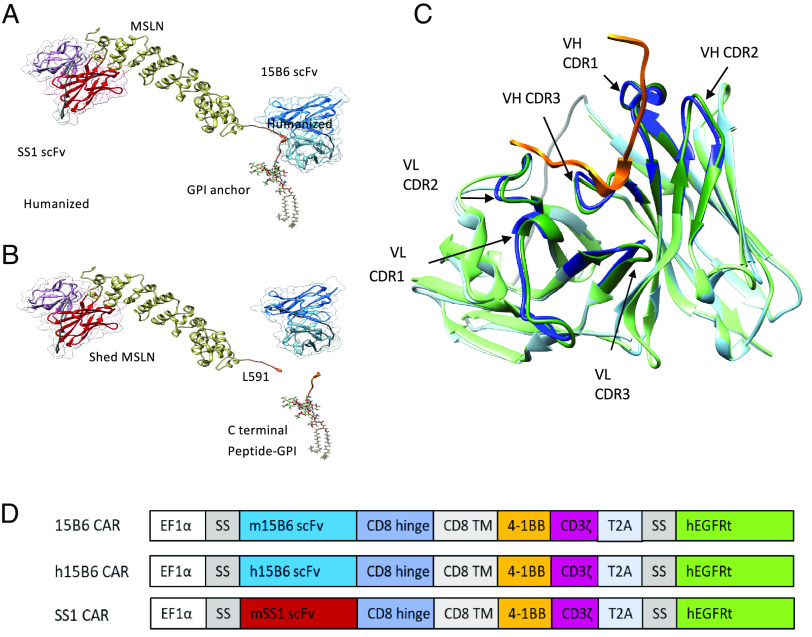
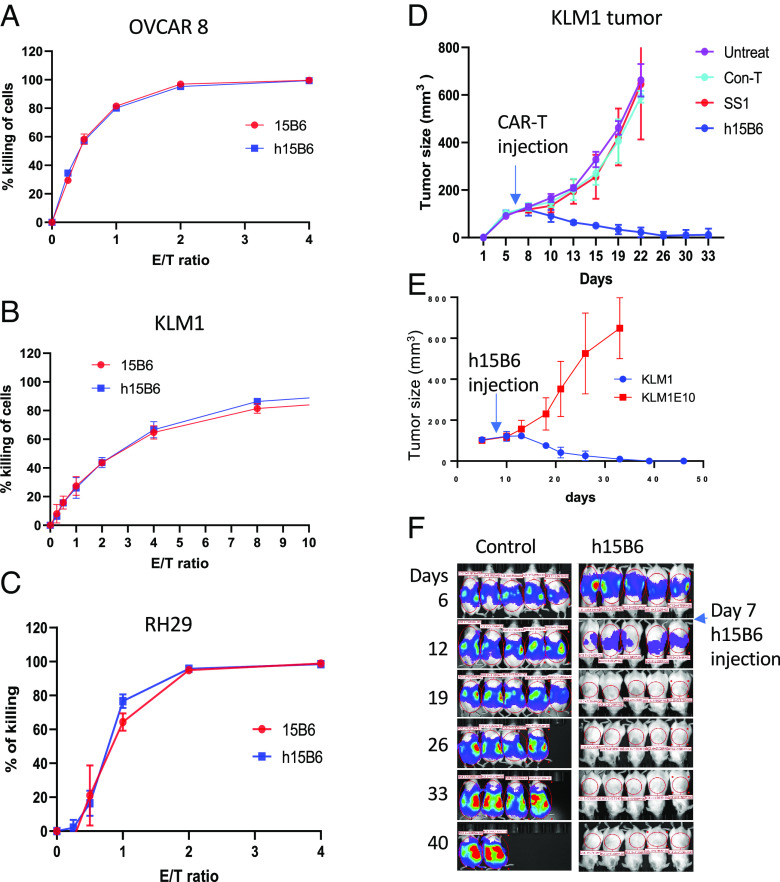
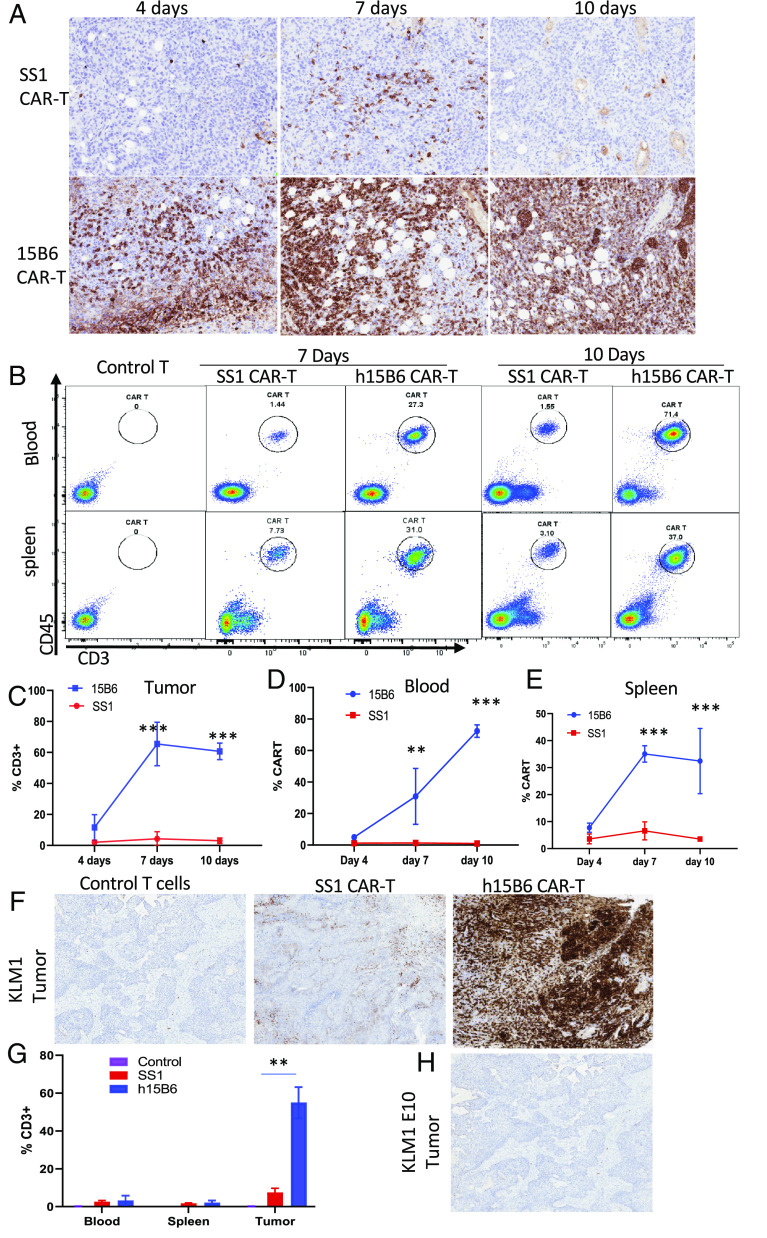
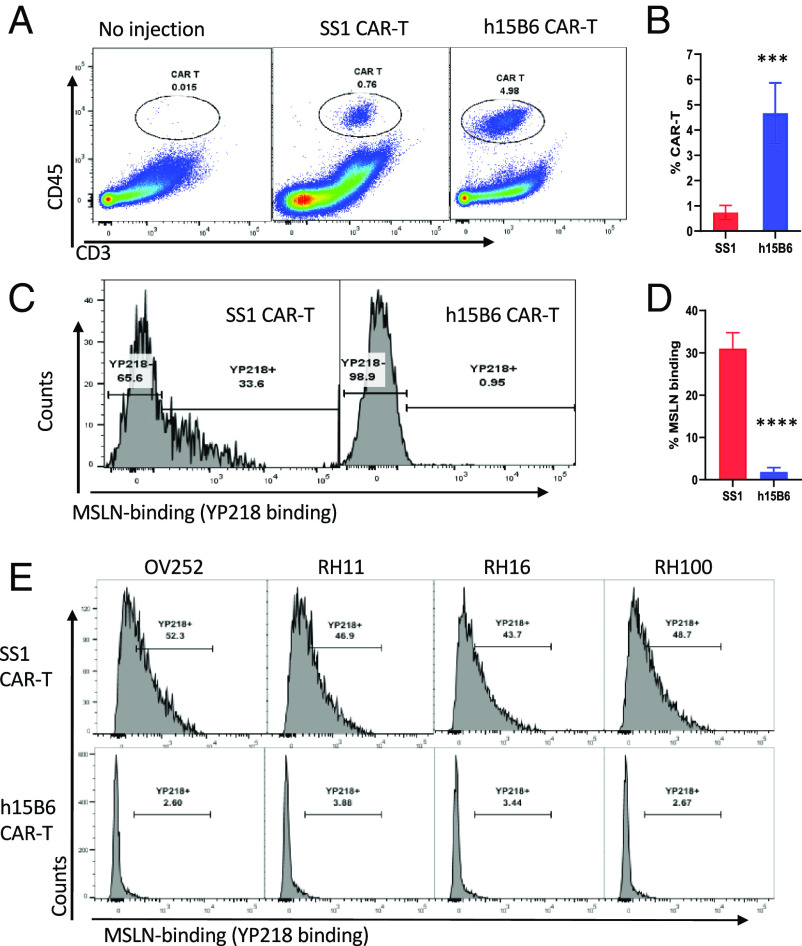
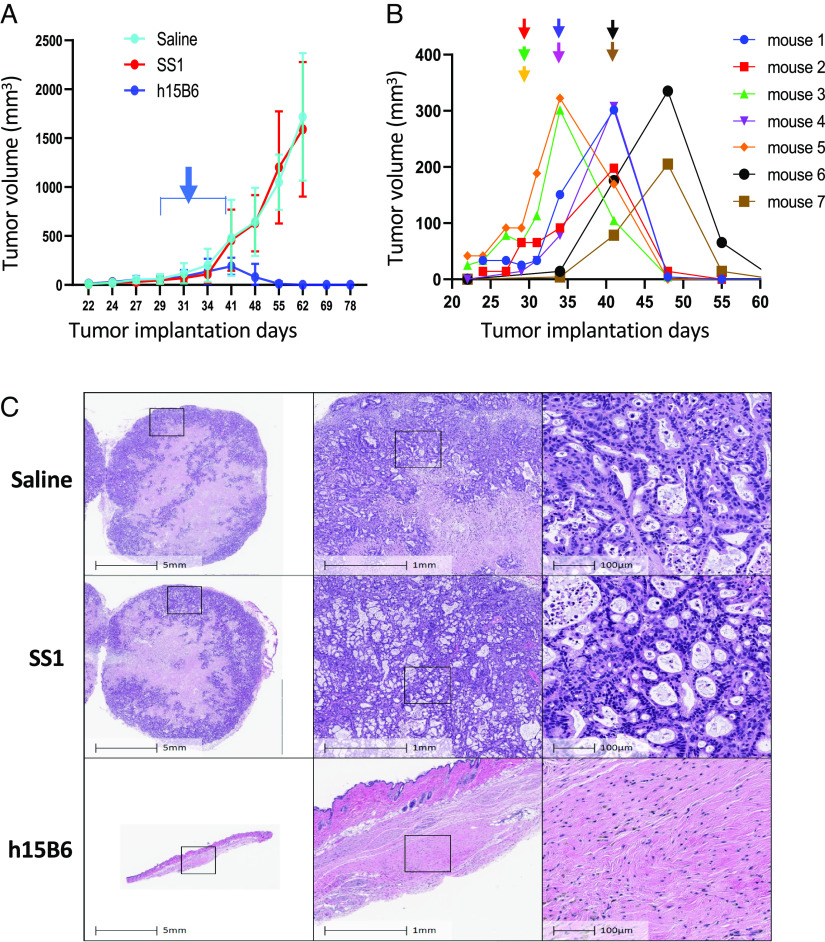
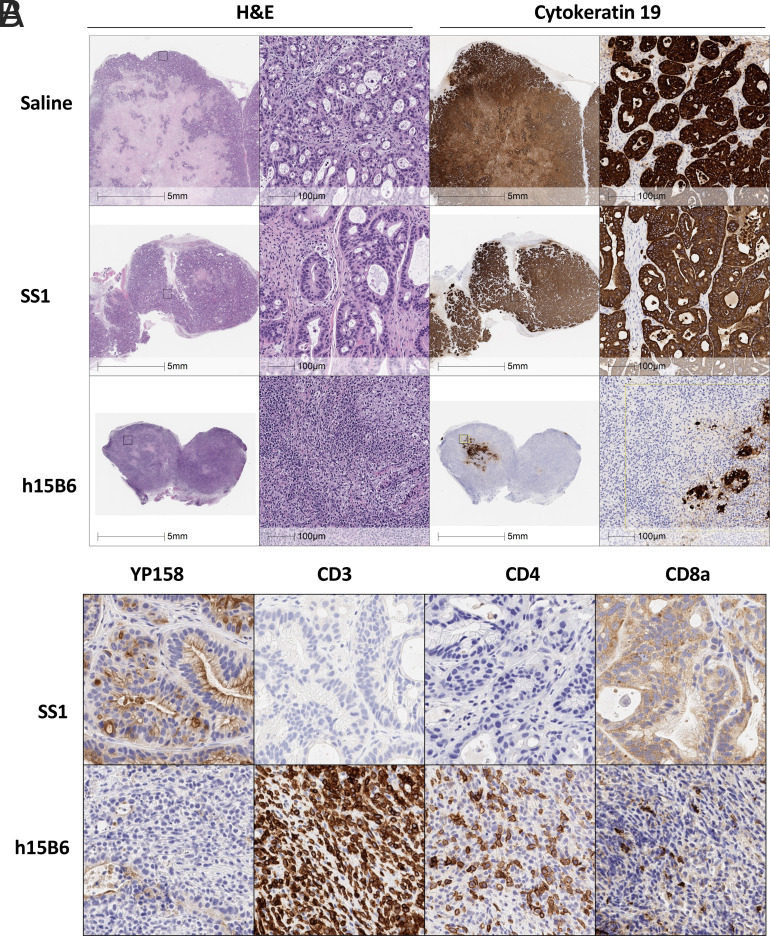
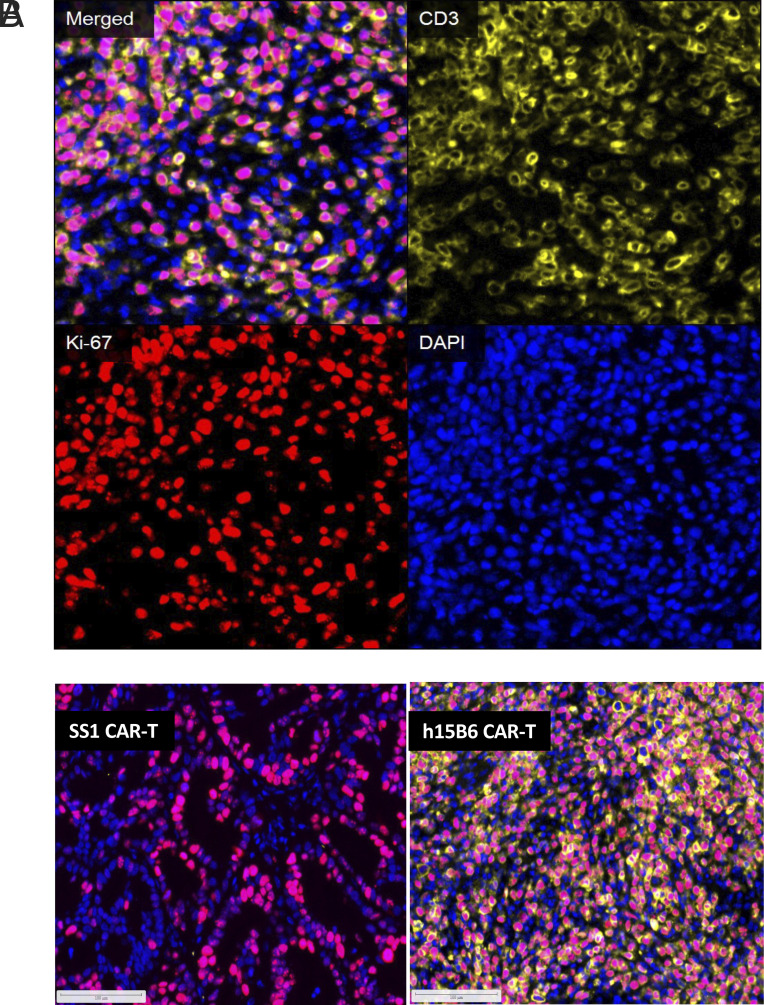
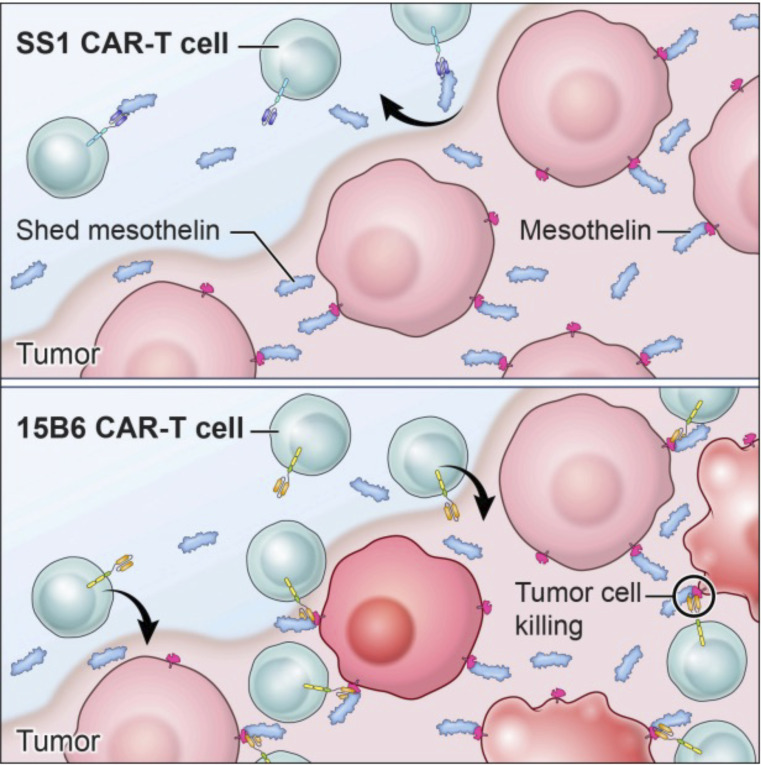
Despite many clinical trials, CAR-T cells are not yet approved for human solid tumor therapy. One popular target is mesothelin (MSLN) which is highly expressed on the surface of about 30% of cancers including mesothelioma and cancers of the ovary, pancreas, and lung. MSLN is shed by proteases that cleave near the C terminus, leaving a short peptide attached to the cell. Most anti-MSLN antibodies bind to shed MSLN, which can prevent their binding to target cells. To overcome this limitation, we developed an antibody (15B6) that binds next to the membrane at the protease-sensitive region, does not bind to shed MSLN, and makes CAR-T cells that have much higher anti-tumor activity than a CAR-T that binds to shed MSLN. We have now humanized the Fv (h15B6), so the CAR-T can be used to treat patients and show that h15B6 CAR-T produces complete regressions in a hard-to-treat pancreatic cancer patient derived xenograft model, whereas CAR-T targeting a shed epitope (SS1) have no anti-tumor activity. In these pancreatic cancers, the h15B6 CAR-T replicates and replaces the cancer cells, whereas there are no CAR-T cells in the tumors receiving SS1 CAR-T. To determine the mechanism accounting for high activity, we used an OVCAR-8 intraperitoneal model to show that poorly active SS1-CAR-T cells are bound to shed MSLN, whereas highly active h15B6 CAR-T do not contain bound MSLN enabling them to bind to and kill cancer cells.
Keywords: antibody; cancer; immunotherapy; ovarian cancer; pancreatic cancer.
Conflict of interest statement
Competing interests statement:X.F.L., M.O., M.H., and I.P. are inventors on patents on 15B6 antibody and have assigned all rights to NIH. One of the reviewers (M.G.R.) of this paper is working with a company that has licensed an anti-MSLN antibody (designated SD1) from NIH that was discovered by NIH employee M.H., a co-author of this paper.
Figures
References
MeSH terms
Substances
Grants and funding
LinkOut - more resources
Full Text Sources
Medical
Molecular Biology Databases
Miscellaneous
