


The chicken chorioallantoic membrane as a low-cost, high-throughput model for cancer imaging
- PMID: 38239706
- PMCID: PMC7615542
- DOI: 10.1038/s44303-023-00001-3
The chicken chorioallantoic membrane as a low-cost, high-throughput model for cancer imaging
Erratum in
-
Author Correction: The chicken chorioallantoic membrane as a low-cost, high-throughput model for cancer imaging.Npj Imaging. 2025 Oct 18;3(1):51. doi: 10.1038/s44303-025-00118-7. Npj Imaging. 2025. PMID: 41109927 Free PMC article. No abstract available.
Abstract
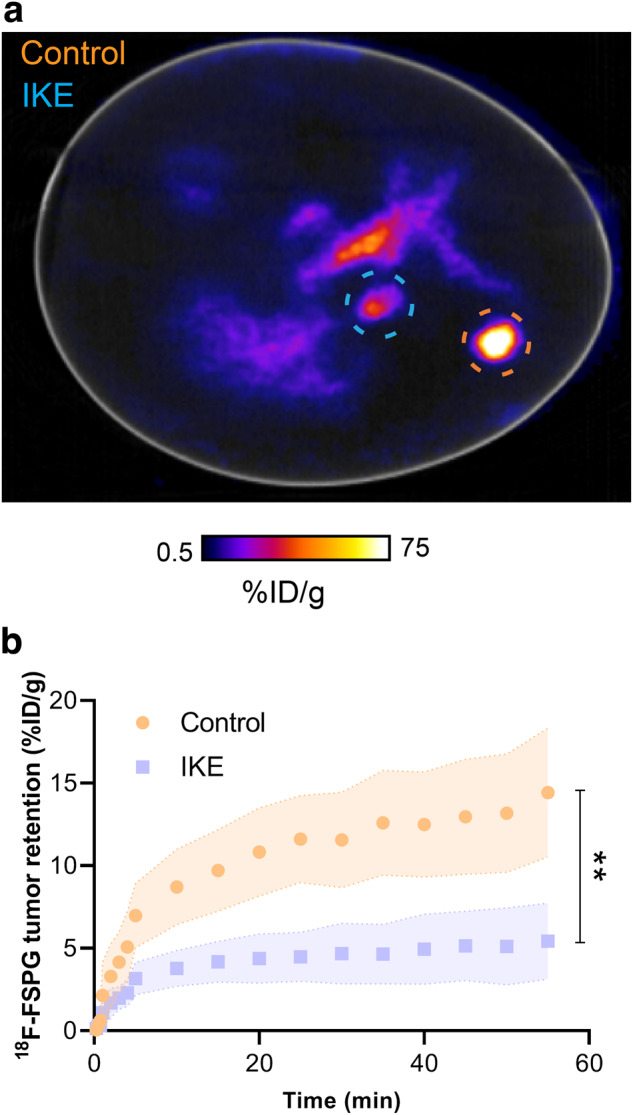
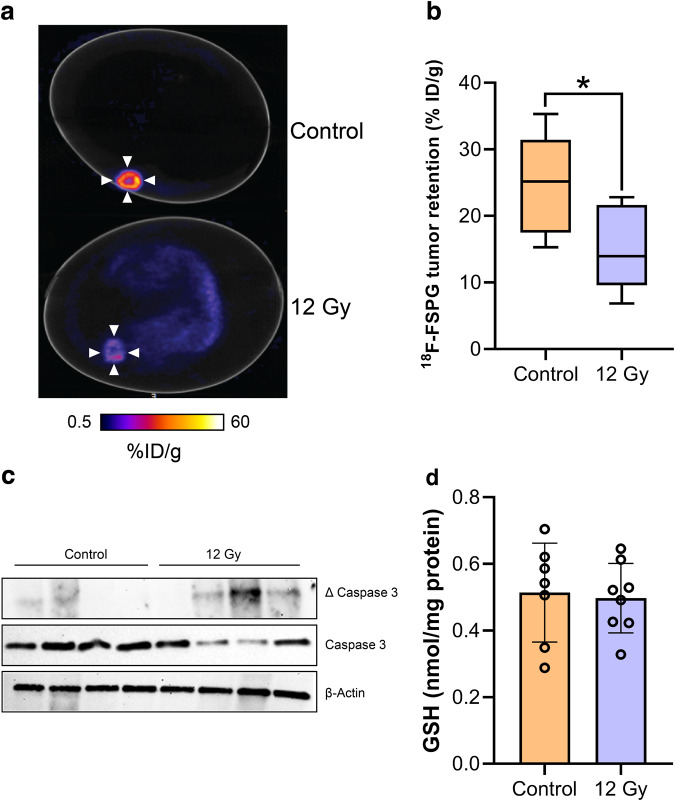
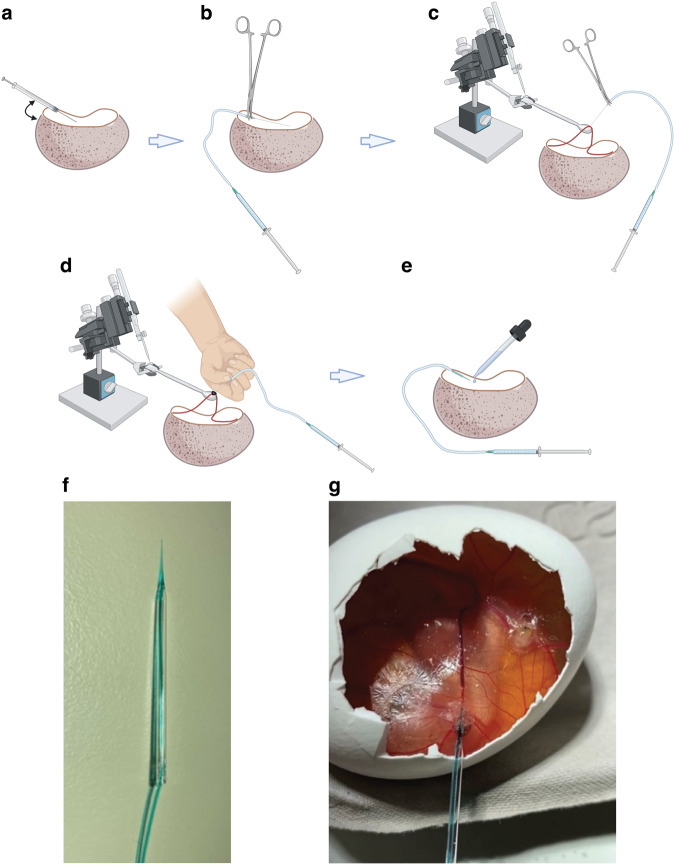
Mouse models are invaluable tools for radiotracer development and validation. They are, however, expensive, low throughput, and are constrained by animal welfare considerations. Here, we assessed the chicken chorioallantoic membrane (CAM) as an alternative to mice for preclinical cancer imaging studies. NCI-H460 FLuc cells grown in Matrigel on the CAM formed vascularized tumors of reproducible size without compromising embryo viability. By designing a simple method for vessel cannulation it was possible to perform dynamic PET imaging in ovo, producing high tumor-to-background signal for both 18F-2-fluoro-2-deoxy-D-glucose (18F-FDG) and (4S)-4-(3-18F-fluoropropyl)-L-glutamate (18F-FSPG). The pattern of 18F-FDG tumor uptake were similar in ovo and in vivo, although tumor-associated radioactivity was higher in the CAM-grown tumors over the 60 min imaging time course. Additionally, 18F-FSPG provided an early marker of both treatment response to external beam radiotherapy and target inhibition in ovo. Overall, the CAM provided a low-cost alternative to tumor xenograft mouse models which may broaden access to PET and SPECT imaging and have utility across multiple applications.
Conflict of interest statement
Competing Interests The authors declare no competing interests.
Figures


References
-
- Martin, D. S. et al. Role of murine tumor models in cancer treatment research. Cancer Res.46, 2189–2192 (1986). - PubMed
Grants and funding
LinkOut - more resources
Full Text Sources