


Salivary Biomarkers for Alzheimer's Disease: A Systematic Review with Meta-Analysis
- PMID: 38256241
- PMCID: PMC10817083
- DOI: 10.3390/ijms25021168
Salivary Biomarkers for Alzheimer's Disease: A Systematic Review with Meta-Analysis
Abstract
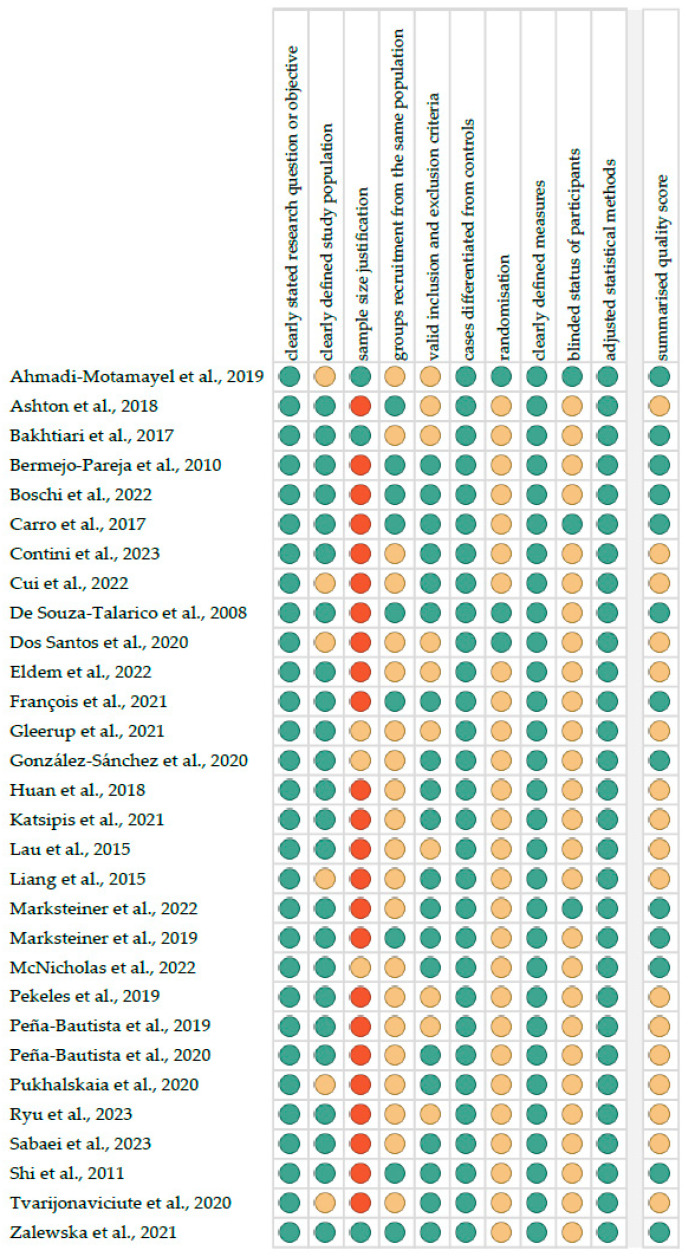
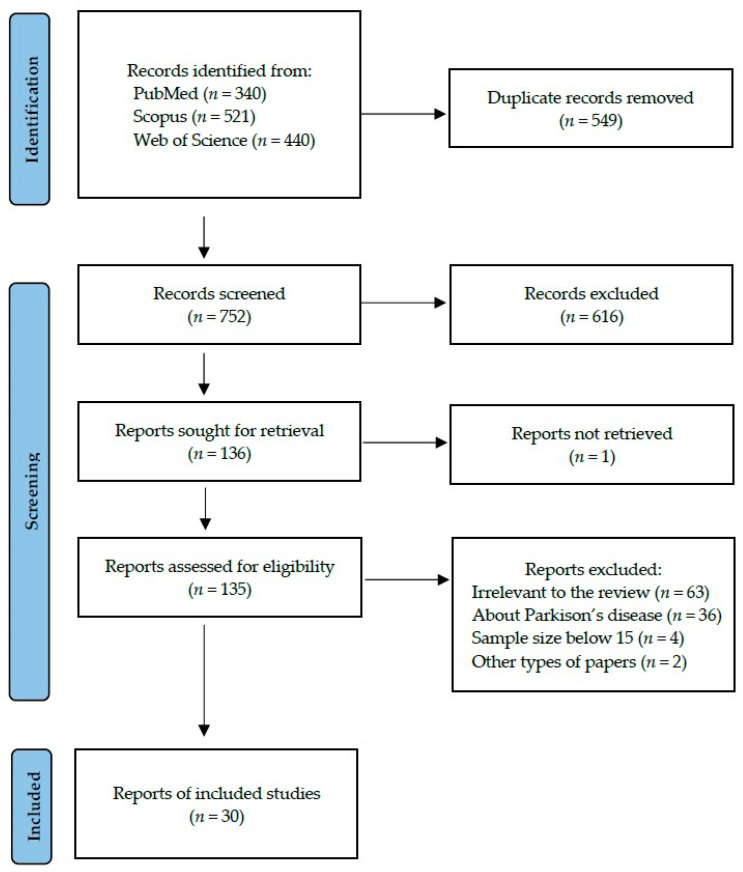
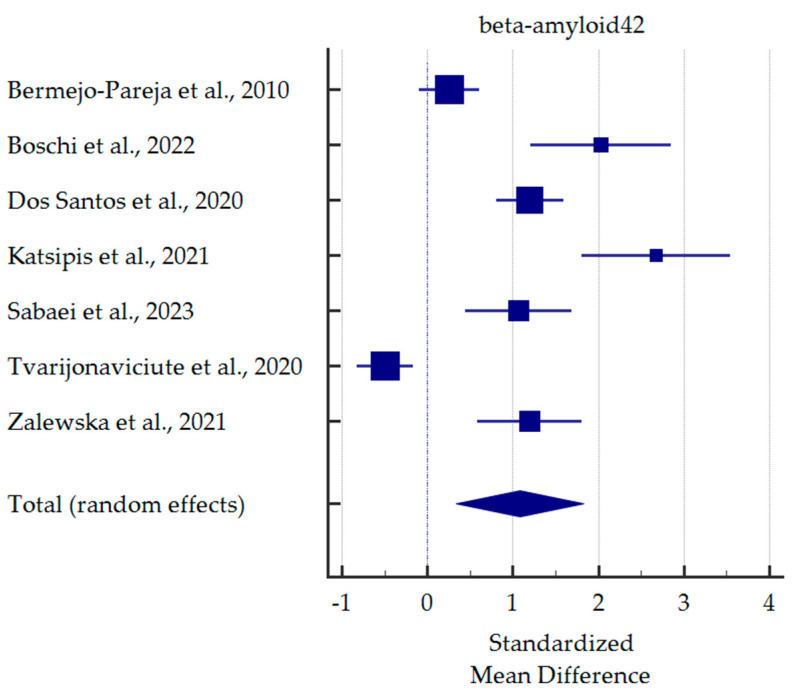
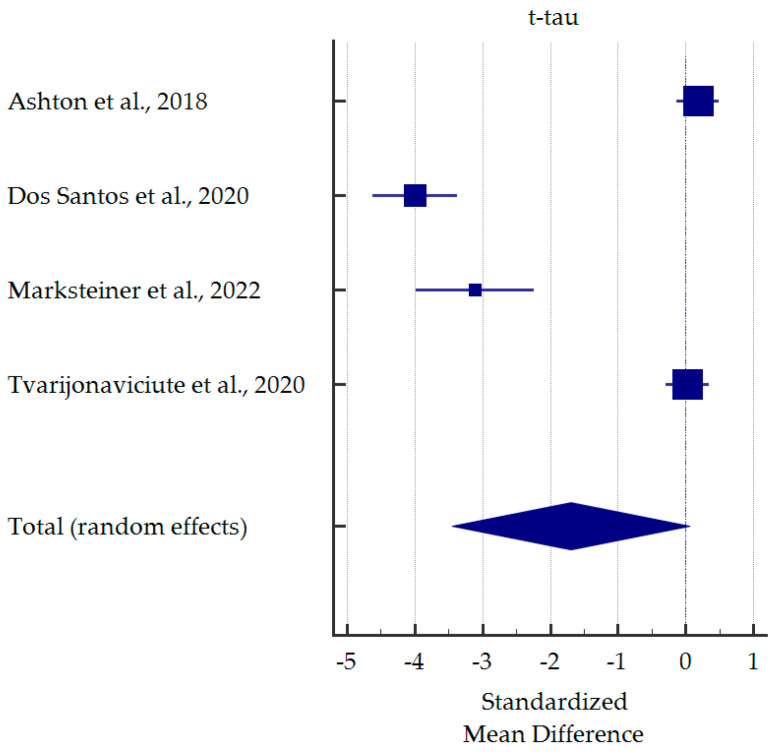
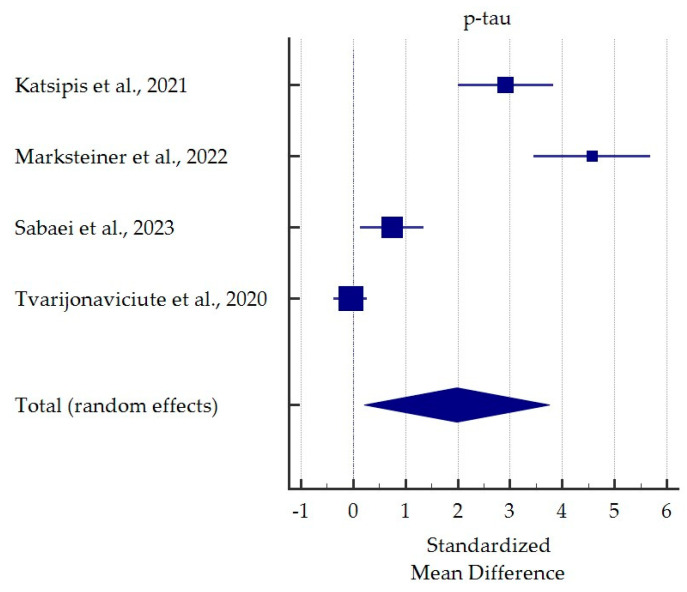
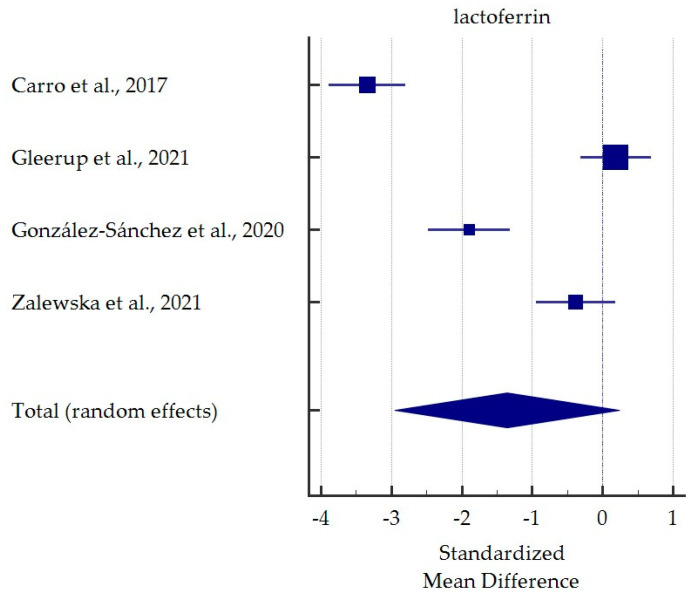
Alzheimer's Disease (AD) is the most common neurodegenerative disease which manifests with progressive cognitive impairment, leading to dementia. Considering the noninvasive collection of saliva, we designed the systematic review to answer the question "Are salivary biomarkers reliable for the diagnosis of Alzheimer's Disease?" Following the inclusion and exclusion criteria, 30 studies were included in this systematic review (according to the PRISMA statement guidelines). Potential biomarkers include mainly proteins, metabolites and even miRNAs. Based on meta-analysis, in AD patients, salivary levels of beta-amyloid42 and p-tau levels were significantly increased, and t-tau and lactoferrin were decreased at borderline statistical significance. However, according to pooled AUC, lactoferrin and beta-amyloid42 showed a significant predictive value for salivary-based AD diagnosis. In conclusion, potential markers such as beta-amyloid42, tau and lactoferrin can be detected in the saliva of AD patients, which could reliably support the early diagnosis of this neurodegenerative disease.
Keywords: Alzheimer’s Disease; beta-amyloid; biomarkers; lactoferrin; neurodegenerative diseases; saliva; tau.
Conflict of interest statement
The authors declare no conflicts of interest.
Figures
References
Publication types
MeSH terms
Substances
LinkOut - more resources
Full Text Sources
Medical
