


A dedicated hypothalamic oxytocin circuit controls aversive social learning
- PMID: 38267576
- PMCID: PMC11102773
- DOI: 10.1038/s41586-023-06958-w
A dedicated hypothalamic oxytocin circuit controls aversive social learning
Abstract
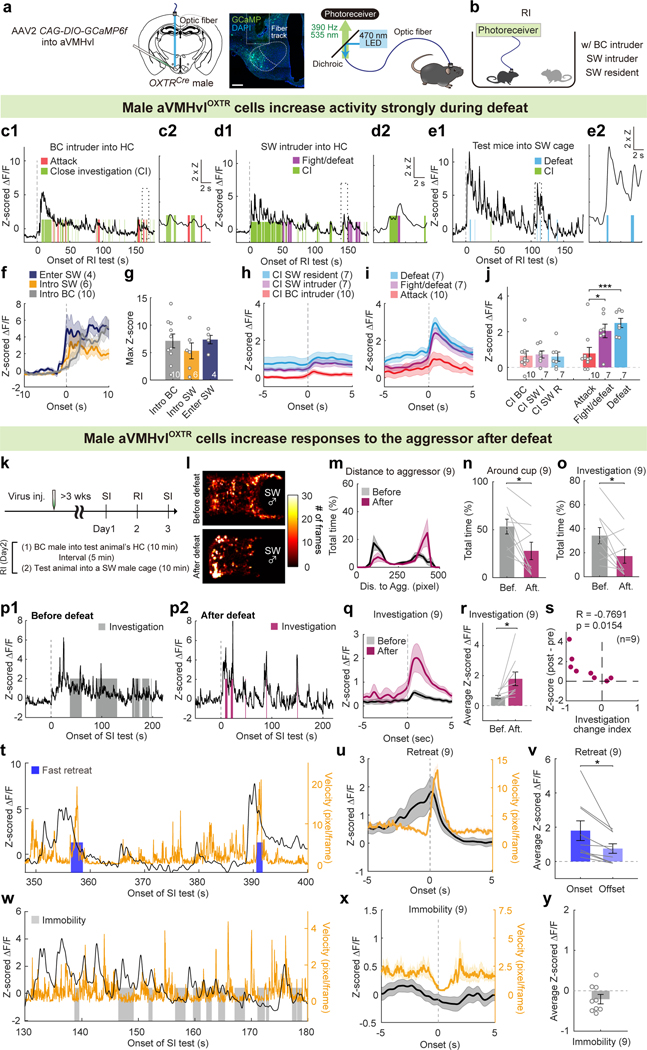
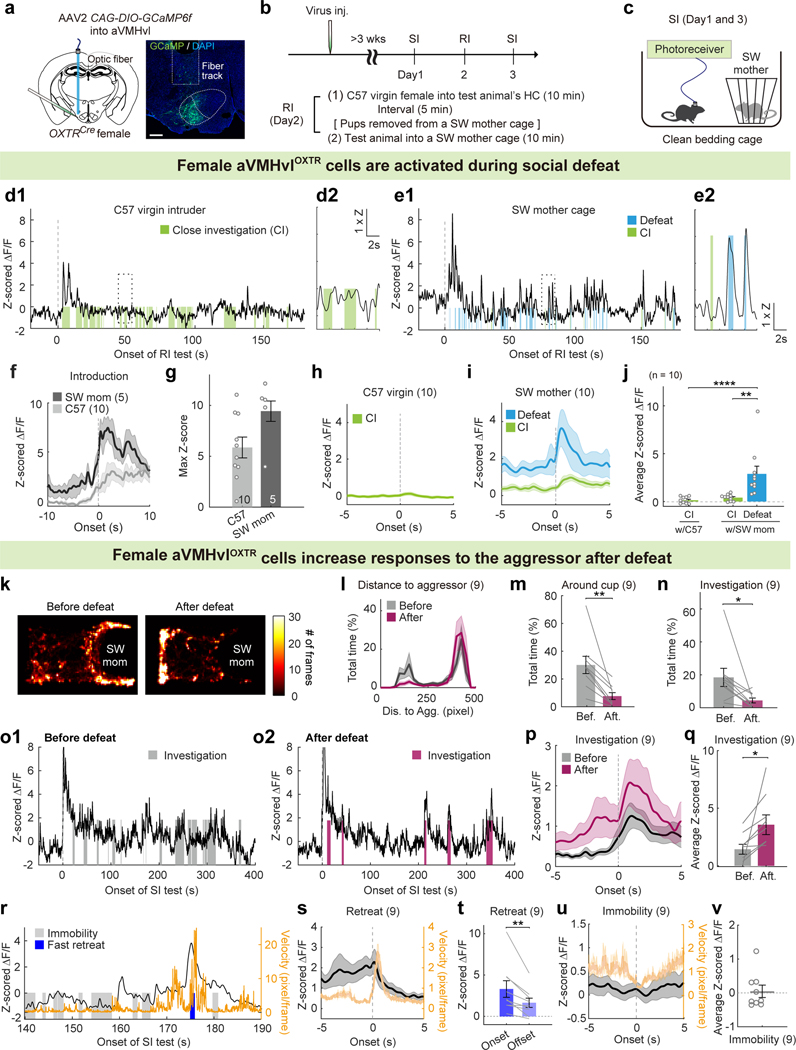
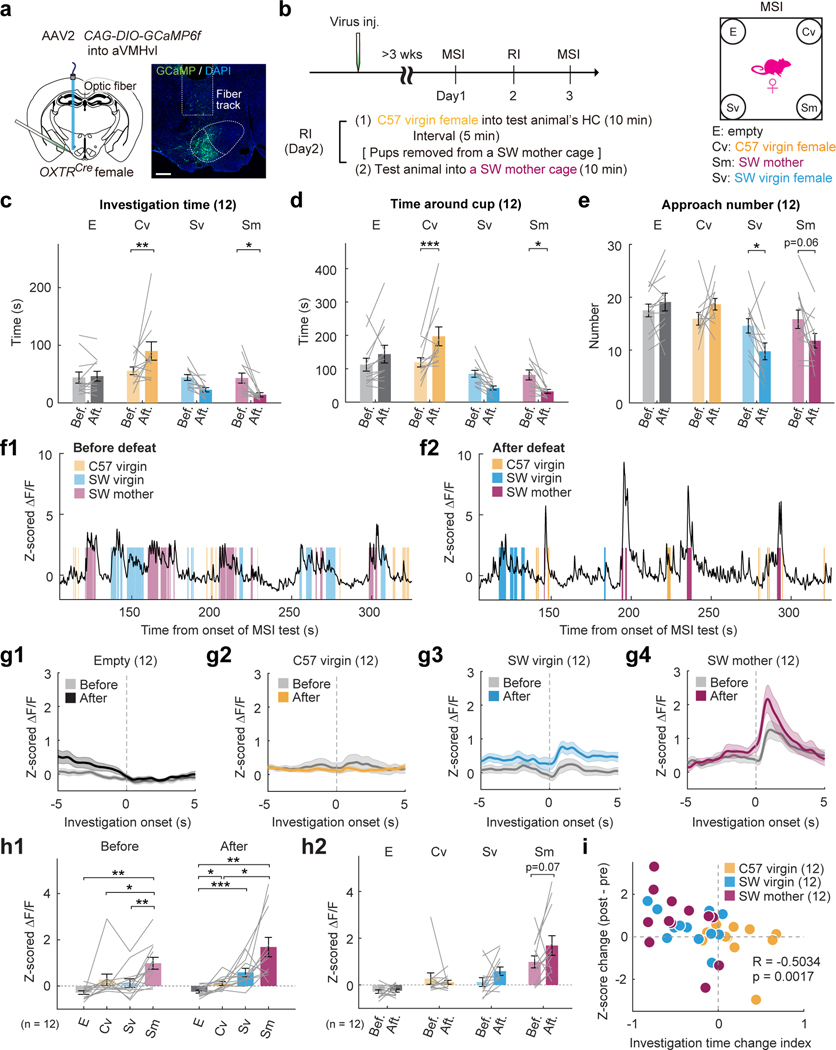
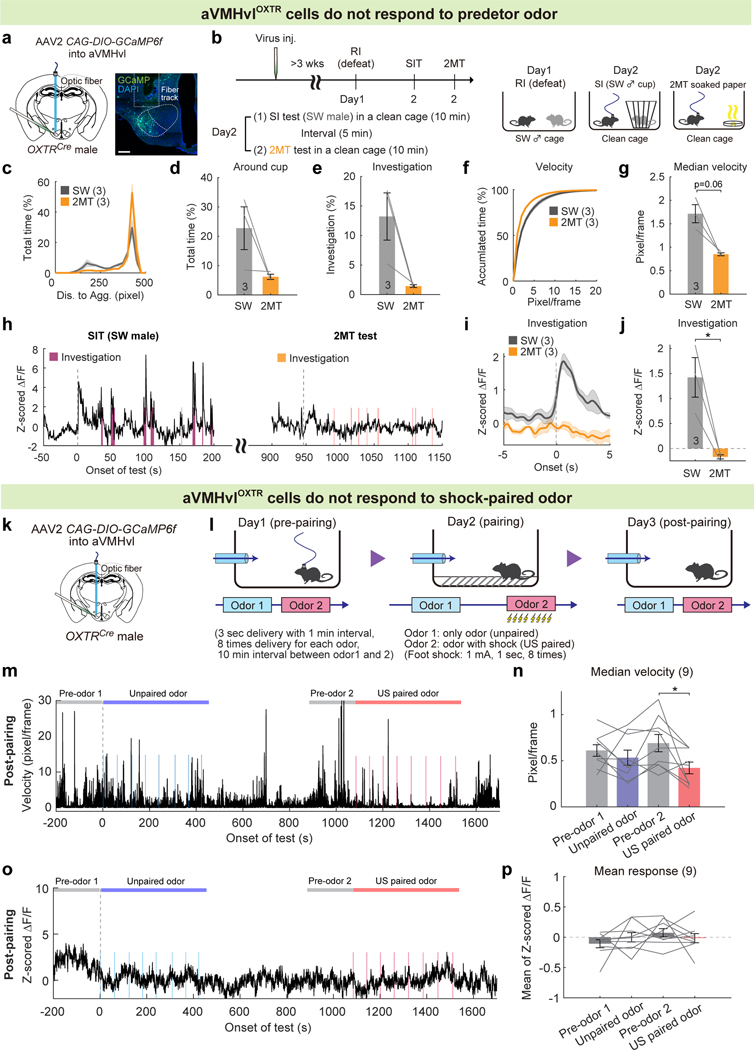
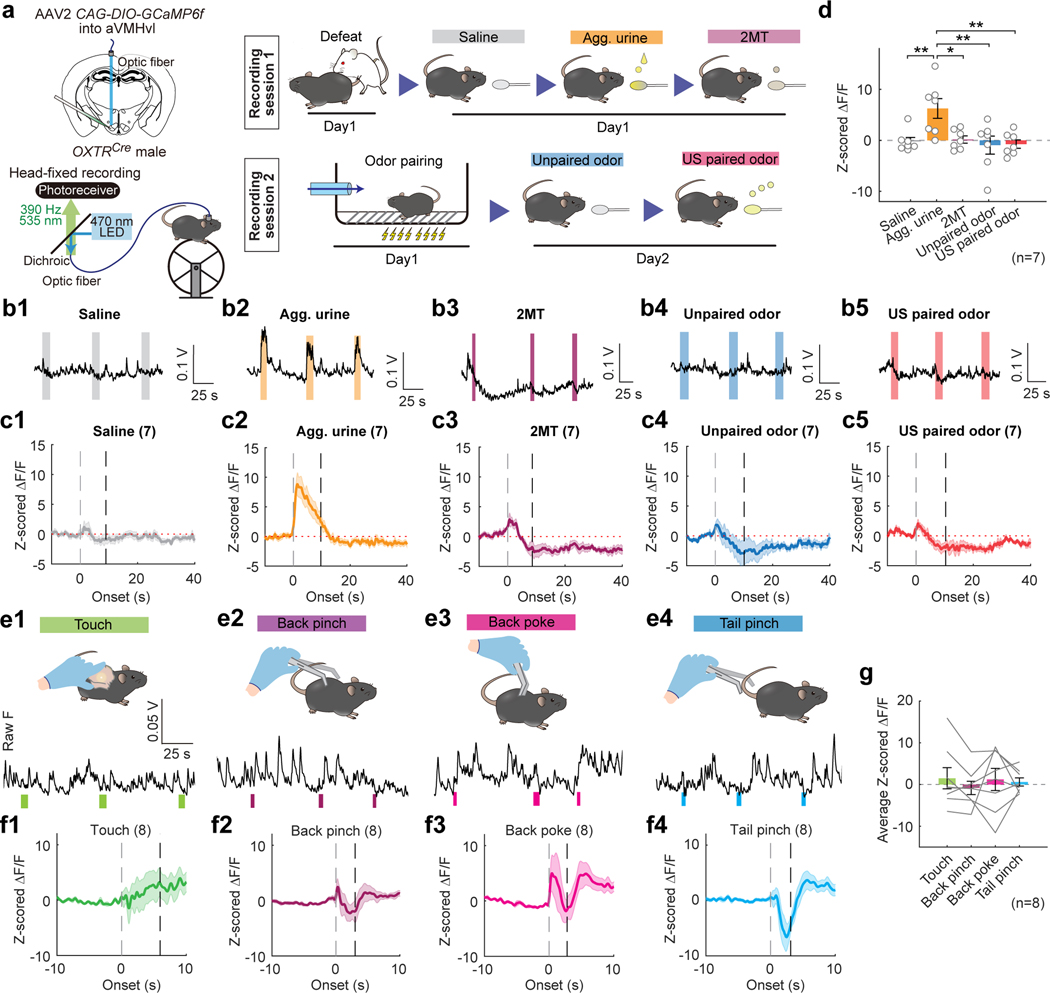
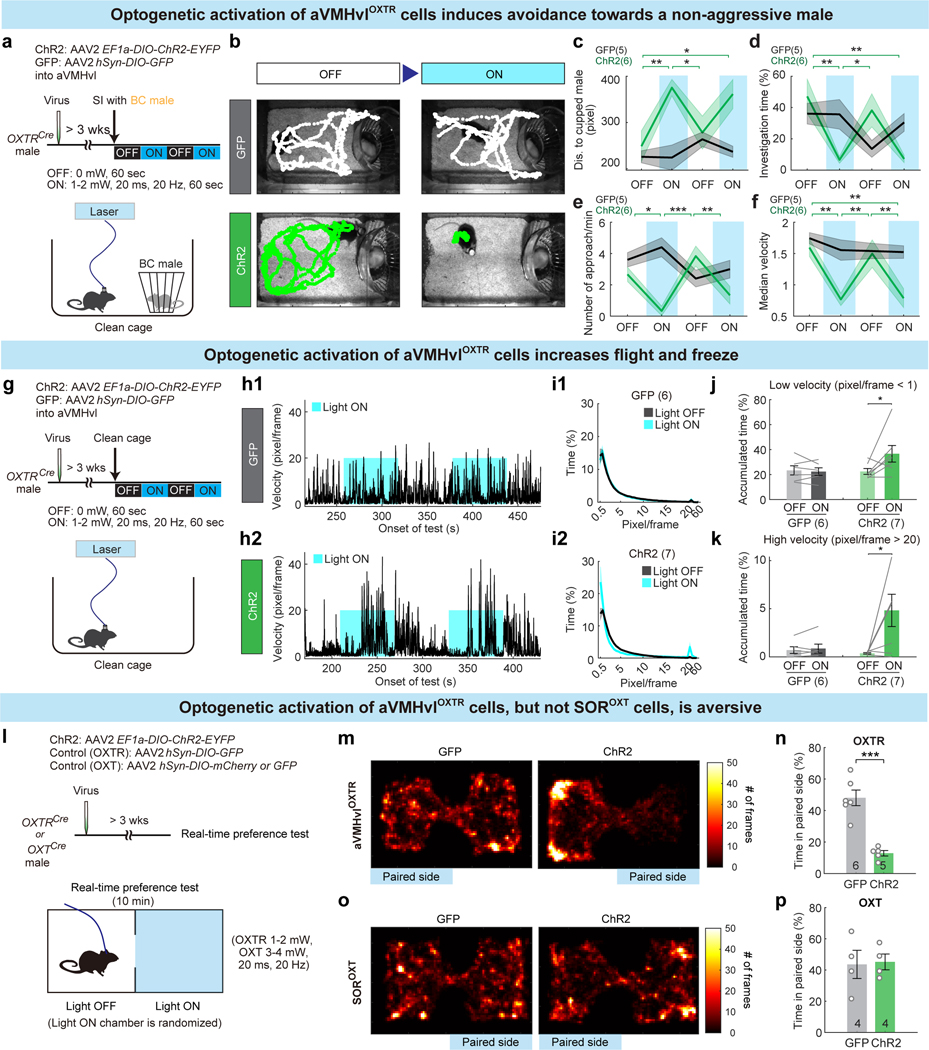
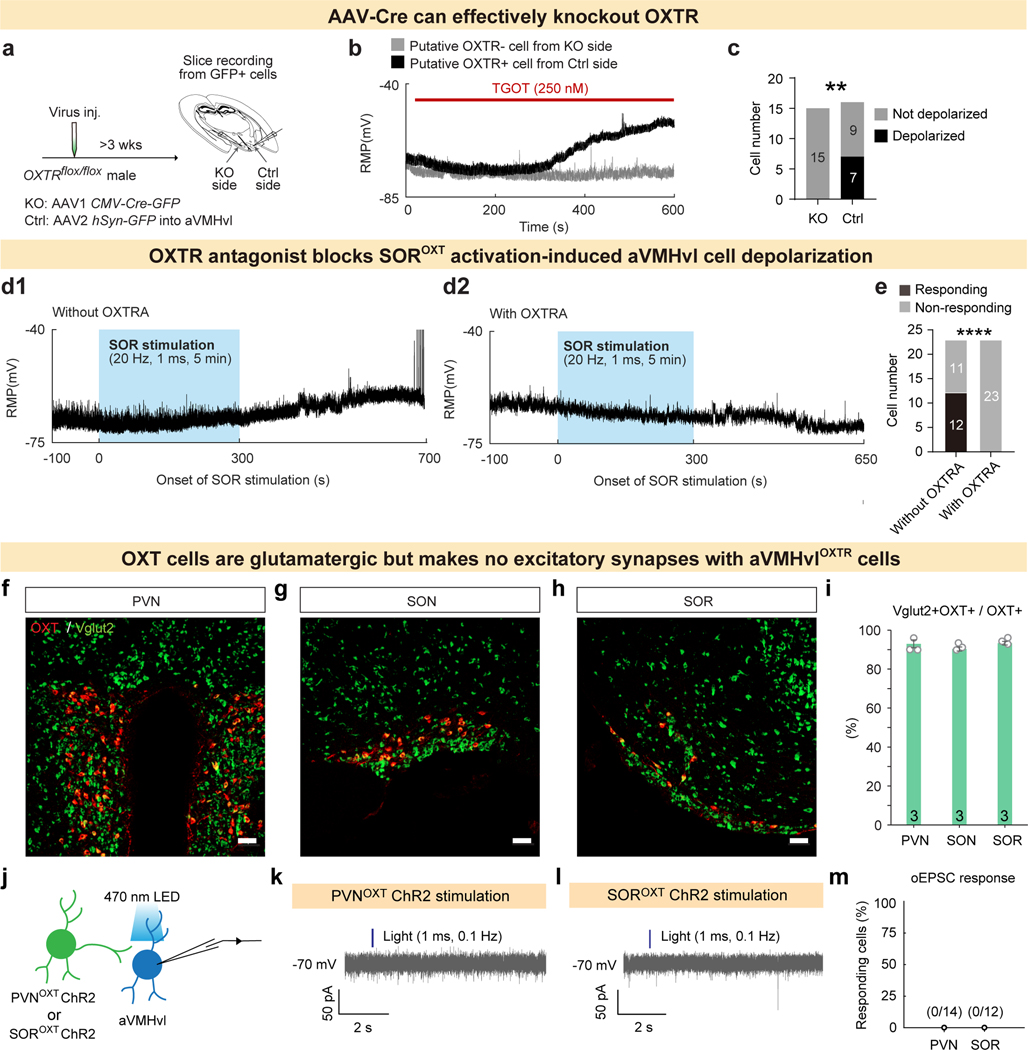
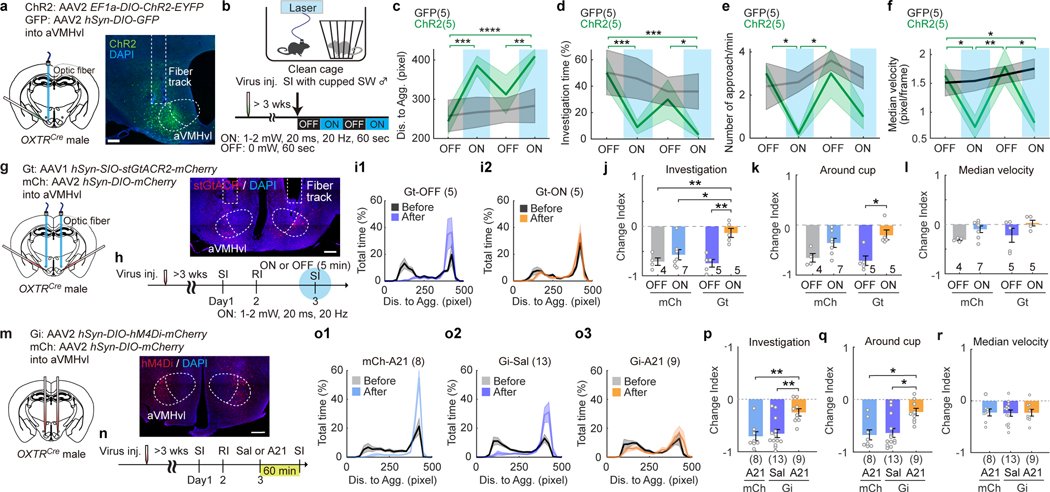
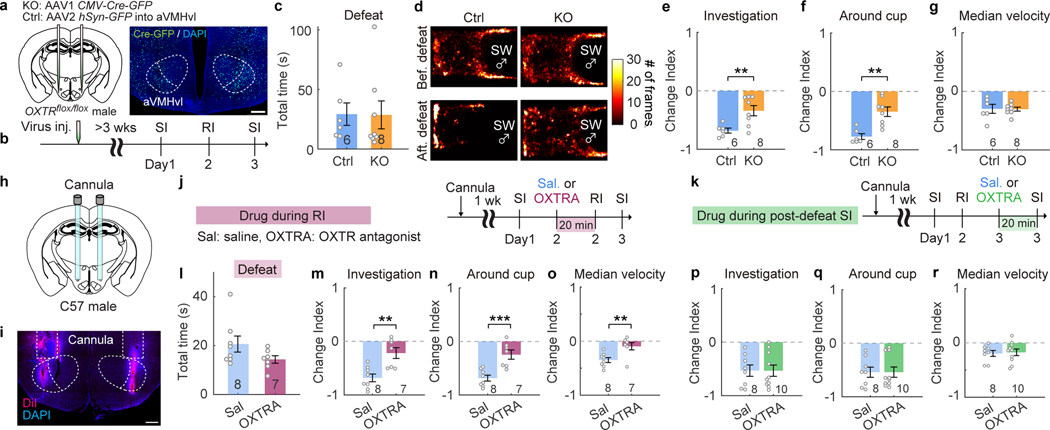
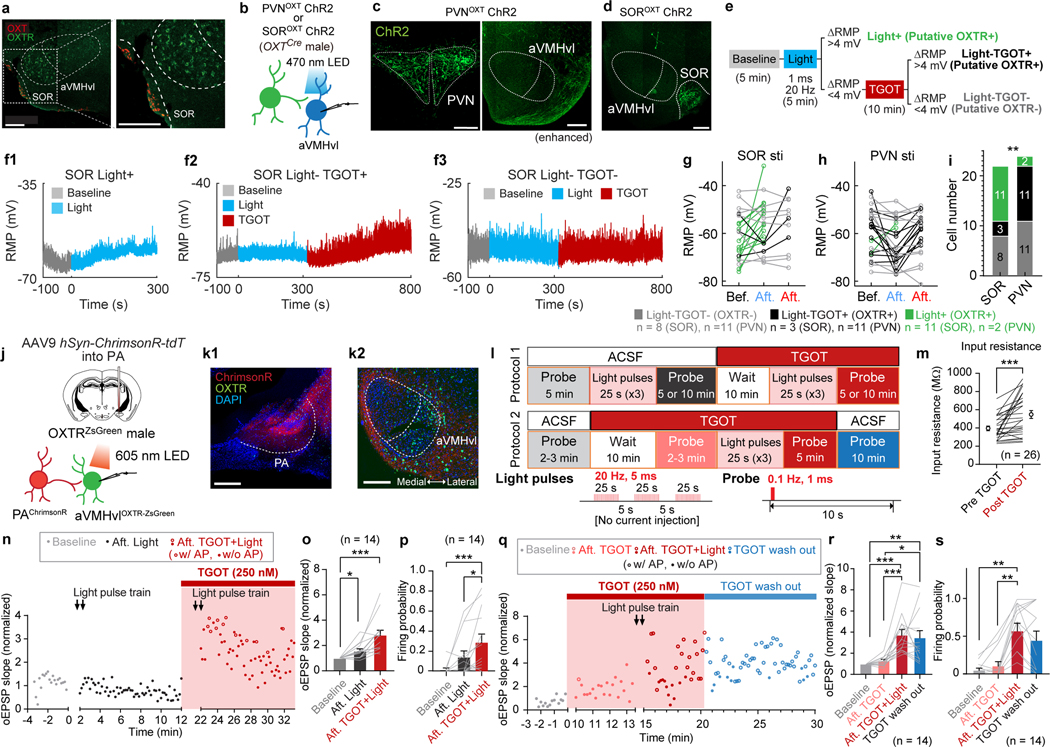
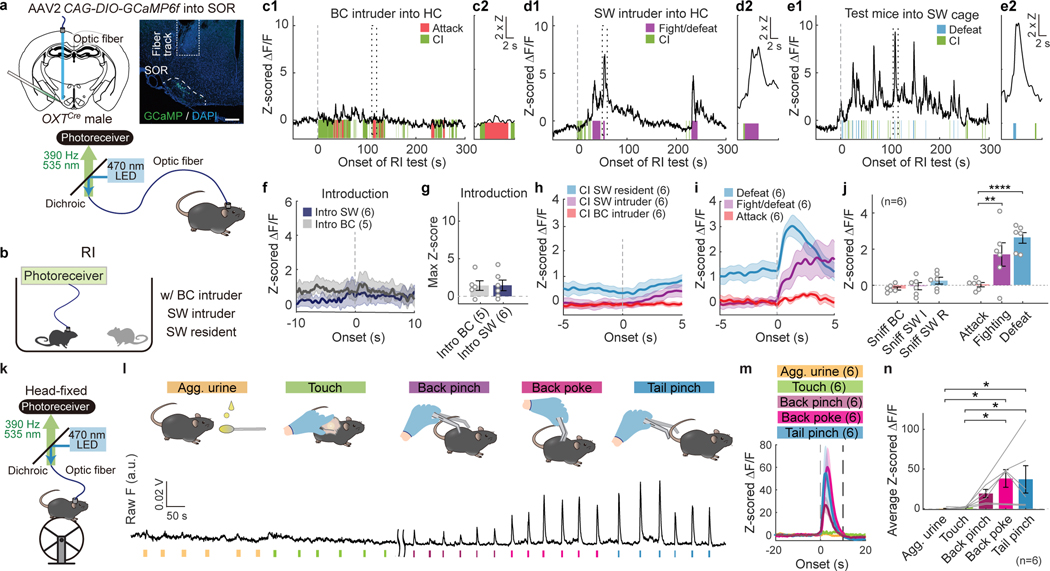
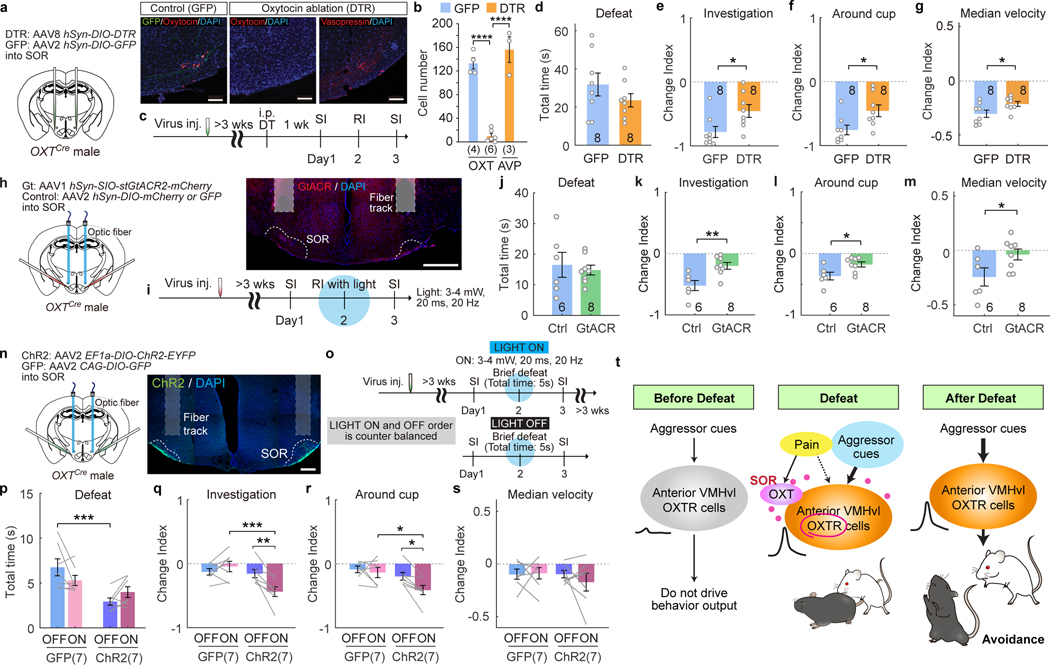
To survive in a complex social group, one needs to know who to approach and, more importantly, who to avoid. In mice, a single defeat causes the losing mouse to stay away from the winner for weeks1. Here through a series of functional manipulation and recording experiments, we identify oxytocin neurons in the retrochiasmatic supraoptic nucleus (SOROXT) and oxytocin-receptor-expressing cells in the anterior subdivision of the ventromedial hypothalamus, ventrolateral part (aVMHvlOXTR) as a key circuit motif for defeat-induced social avoidance. Before defeat, aVMHvlOXTR cells minimally respond to aggressor cues. During defeat, aVMHvlOXTR cells are highly activated and, with the help of an exclusive oxytocin supply from the SOR, potentiate their responses to aggressor cues. After defeat, strong aggressor-induced aVMHvlOXTR cell activation drives the animal to avoid the aggressor and minimizes future defeat. Our study uncovers a neural process that supports rapid social learning caused by defeat and highlights the importance of the brain oxytocin system in social plasticity.
© 2024. The Author(s), under exclusive licence to Springer Nature Limited.
Conflict of interest statement
Statement of competing interests
The authors declare no competing interests.
Figures
References
-
- Banks R. (ERIC Clearinghouse on Elementary and Early Childhood Education, University …, 1997).
-
- Huhman KL et al. Conditioned defeat in male and female Syrian hamsters. Horm Behav 44, 293–299 (2003). - PubMed
Method-only references
-
- Franklin KBJ & Paxinos G. Paxinos and Franklin’s The mouse brain in stereotaxic coordinates. Fourth edition. edn, (Academic Press, an imprint of Elsevier, 2013).
MeSH terms
Substances
Grants and funding
LinkOut - more resources
Full Text Sources
Molecular Biology Databases
