


Potential public health hazards related to consumption of poultry contaminated with antibiotic resistant Listeria monocytogenes in Egypt
- PMID: 38287241
- PMCID: PMC10823629
- DOI: 10.1186/s12866-024-03183-x
Potential public health hazards related to consumption of poultry contaminated with antibiotic resistant Listeria monocytogenes in Egypt
Abstract
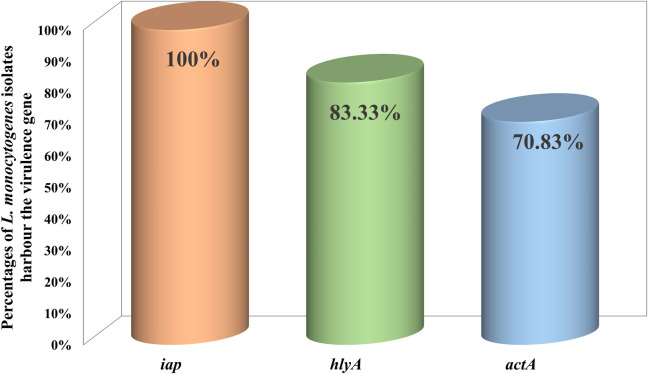
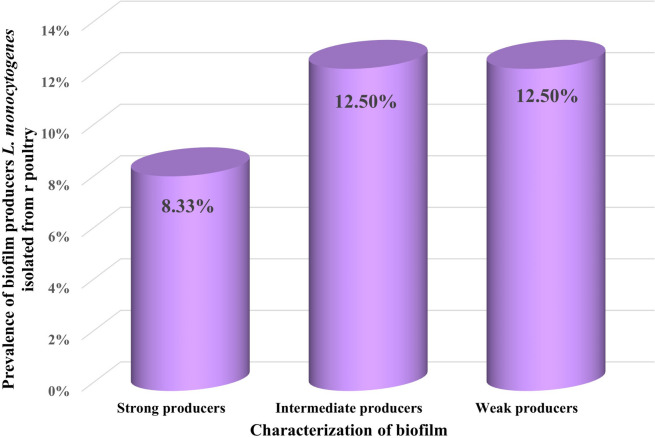
Listeria monocytogenes is an important foodborne pathogen that incorporated into many serious infections in human especially immunocompromised individuals, pregnant women, the elderly, and newborns. The consumption of food contaminated with such bacteria is considered a source of potential risk for consumers. Therefore, a total of 250 poultry purchased in highly popular poultry stores besides 50 swabs from workers hands in the same stores, in Mansoura City had been tested for the L. monocytogenes prevalence, virulence genes, and antibiotic resistance profile illustrating the health hazards from such poultry. The L. monocytogenes were recovered from 9.6% of poultry samples while not detected from workers hand swabs. The antimicrobial susceptibility of 24 L. monocytogenes strains against 24 antibiotics of seven different classes revealed high susceptibility rates to erythromycin (79.17%), streptomycin (66.67%), gentamycin (66.67%), vancomycin (58.33%), chloramphenicol (58.33%) and cefotaxime (41.67%). The majority (79.2%) of L. monocytogenes were classified as multidrug resistant strains with high resistance to tetracyclines and β-lactams antibiotics while 16.7% of the strains were categorized as extensively resistant ones. The iap virulence-specific determination gene had been detected in all recovered L. monocytogenes isolates while 83.33 and 70.83% of the isolates harbored hylA and actA genes. In addition, the study confirmed the capability of most L. monocytogenes isolates for biofilm formation by moderate to strong production and the quantitative risk assessment illustrated the risk of developing listeriosis as the risk value exceeded 100. The current results illustrate that poultry meat can be a source of pathogenic antibiotic resistant strains that may cause infection with limited or no treatment in immunosuppressed consumers via the food chain.
Keywords: Antibiotic resistance; Foodborne pathogens; Listeria monocytogenes; Public health hazards; Virulence genes.
© 2024. The Author(s).
Conflict of interest statement
Competing interests. The authors declare no competing interests.
Figures

References
-
- Archer DL. The evolution of FDA's policy on Listeria monocytogenes in ready-to-eat foods in the United States. Curr Opin Food Sci. 2018;20:64–68. doi: 10.1016/j.cofs.2018.03.007. - DOI
-
- Lundén J, Tolvanen R, Korkeala H. Human listeriosis outbreaks linked to dairy products in Europe. J Dairy Sci. 2004;87:E6–E12. doi: 10.3168/jds.S0022-0302(04)70056-9. - DOI
MeSH terms
Substances
LinkOut - more resources
Full Text Sources
Molecular Biology Databases
Research Materials
