


Enhancing Meniscal Repair: Investigating the Impact of an Exogenous Fibrin Clot
- PMID: 38288322
- PMCID: PMC10824365
- DOI: 10.7759/cureus.53083
Enhancing Meniscal Repair: Investigating the Impact of an Exogenous Fibrin Clot
Abstract
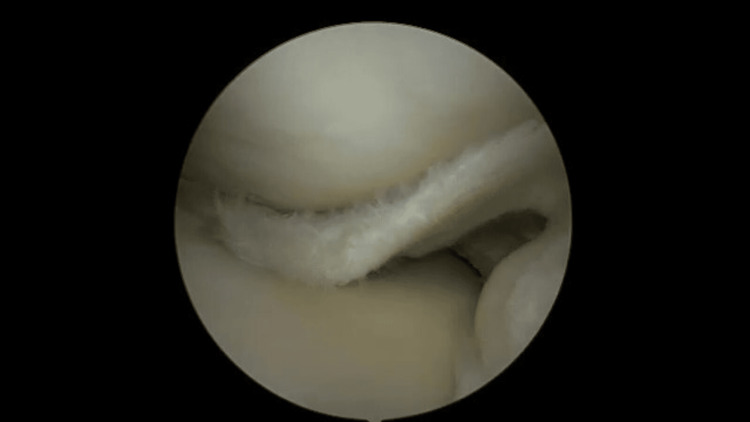
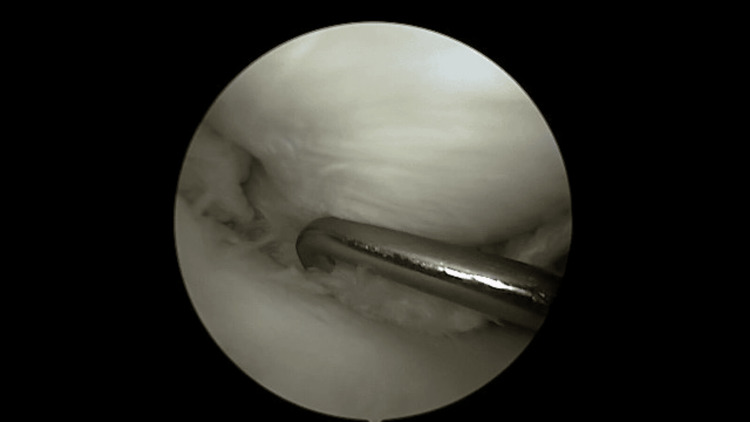
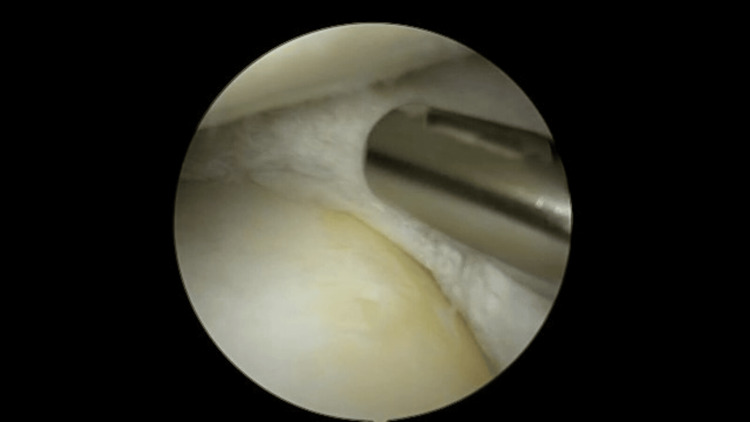
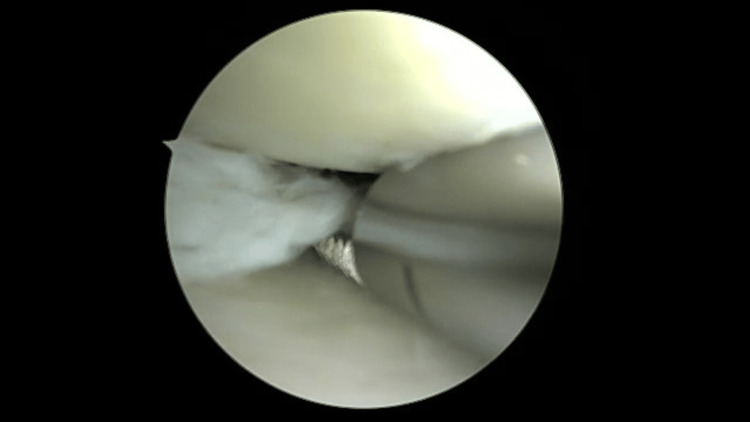
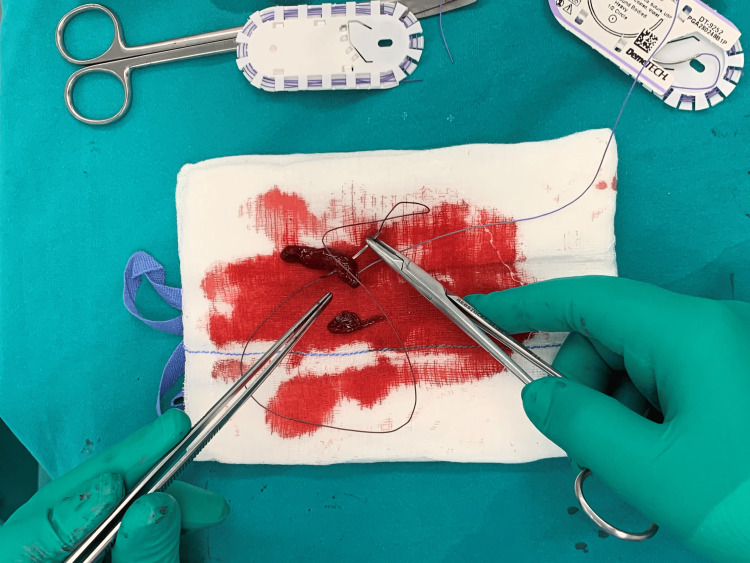
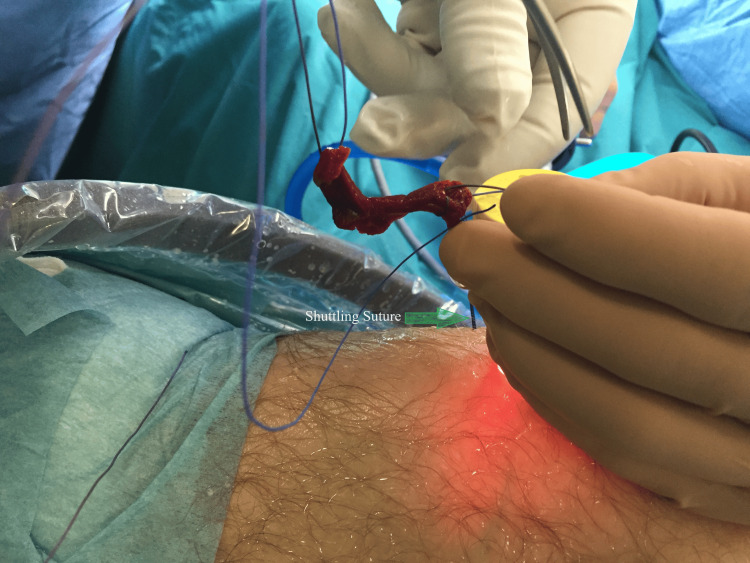
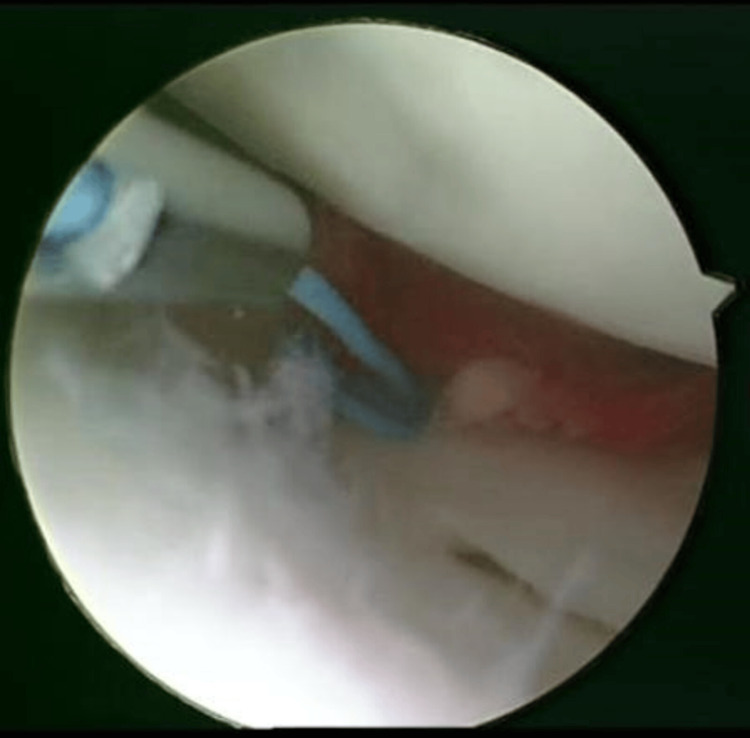
This study conducted a comparative analysis of meniscal rupture repair, evaluating outcomes with and without the application of an exogenous fibrin clot to enhance meniscus repair. The research incorporated a relatively large sample size (24 patients) and employed a randomized control group with similar age characteristics and morphological types of meniscal ruptures as the study group. Notably, two postoperative follow-up times, at the third and 12th postoperative months, were utilized, distinguishing this study from related research. In the third postoperative month assessment, the fibrin clot technique demonstrated a significant advantage over simple stapling, as evidenced by markedly improved Tegner Lysholm Knee Scoring Scale (TLKSS) and Modified Cincinnati Rating System Questionnaire (MCRSQ) clinical assessment scores. Subsequent MRI scans at 12 months post-treatment revealed a high rate (91.67%) of complete healing in menisci treated with a fibrin clot, with only 4.17% exhibiting incomplete healing. This study expanded on previous research by including longitudinal ruptures and bucket-handle ruptures in addition to radial ruptures. The findings highlight a notable early improvement (third postoperative month) in the clinical assessment of longitudinal and bucket-handle ruptures treated with a fibrin clot during meniscus repair. This research contributes valuable insights into the efficacy of fibrin clots in enhancing meniscus repair, suggesting positive clinical and radiological outcomes, especially in the early stages postoperatively.
Keywords: exogenous fibrin clot preparation; fibrin clot; fibrin clot augmentation; meniscal repair techniques; meniscal repair with exogenous fibrin clot augmentation.
Copyright © 2024, Chrysanthou et al.
Conflict of interest statement
The authors have declared that no competing interests exist.
Figures
References
-
- Risk factors for symptomatic knee osteoarthritis fifteen to twenty-two years after meniscectomy. Englund M, Lohmander LS. Arthritis Rheum. 2004;50:2811–2819. - PubMed
-
- Meniscal tears: the effect of meniscectomy and of repair on intraarticular contact areas and stress in the human knee. A preliminary report. Baratz ME, Fu FH, Mengato R. Am J Sports Med. 1986;14:270–275. - PubMed
-
- LaPrade R, Arendt EA, Getgood A, Faycett SC. Berlin, Germany: Springer; 2017. The Menisci. A Comprehensive Review of Their Anatomy, Biomechanical Function and Surgical Treatment.
-
- Augmentation techniques for meniscus repair. Ghazi Zadeh L, Chevrier A, Farr J, Rodeo SA, Buschmann MD. J Knee Surg. 2018;31:99–116. - PubMed
LinkOut - more resources
Full Text Sources
Medical