


Exercise mimetics: a novel strategy to combat neuroinflammation and Alzheimer's disease
- PMID: 38308368
- PMCID: PMC10837901
- DOI: 10.1186/s12974-024-03031-9
Exercise mimetics: a novel strategy to combat neuroinflammation and Alzheimer's disease
Abstract
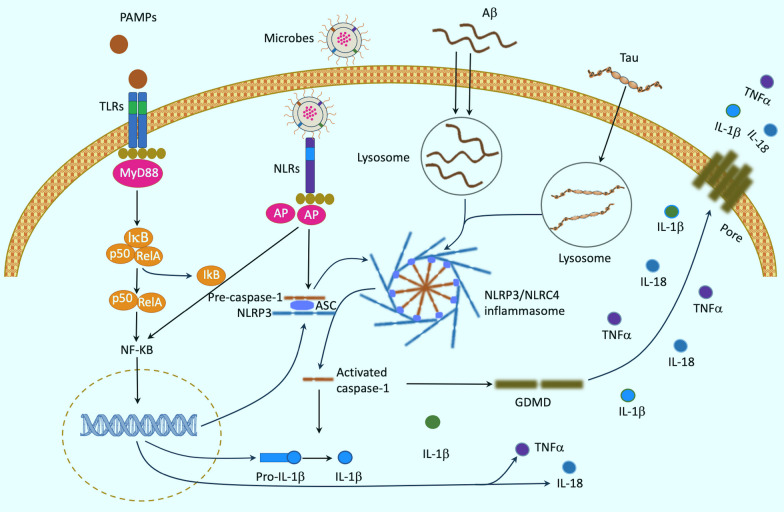
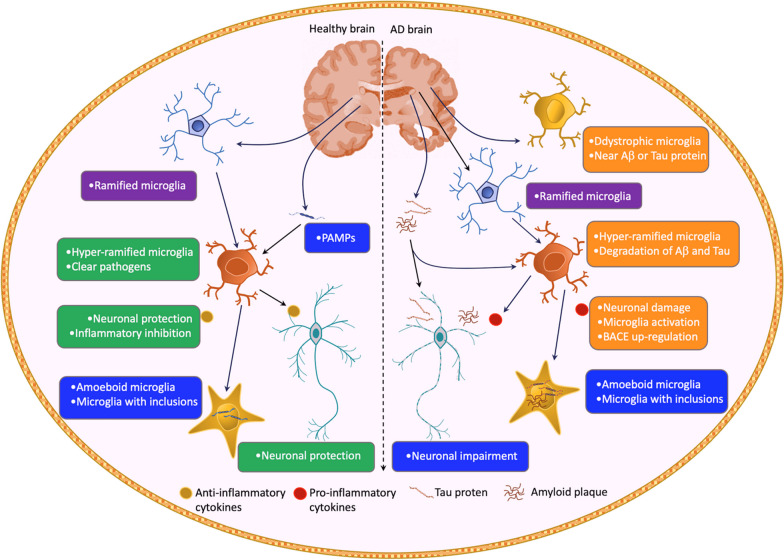
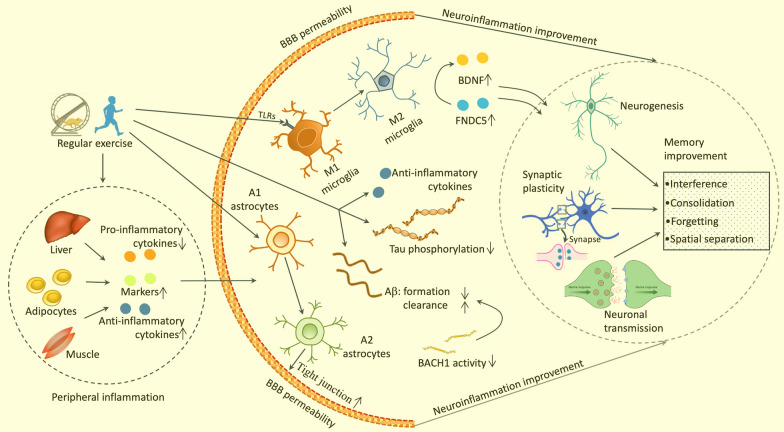
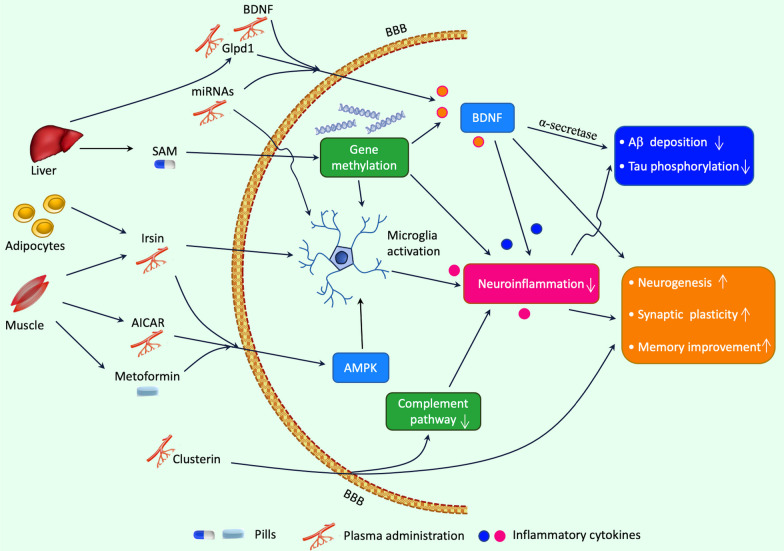
Neuroinflammation is a pathological hallmark of Alzheimer's disease (AD), characterized by the stimulation of resident immune cells of the brain and the penetration of peripheral immune cells. These inflammatory processes facilitate the deposition of amyloid-beta (Aβ) plaques and the abnormal hyperphosphorylation of tau protein. Managing neuroinflammation to restore immune homeostasis and decrease neuronal damage is a therapeutic approach for AD. One way to achieve this is through exercise, which can improve brain function and protect against neuroinflammation, oxidative stress, and synaptic dysfunction in AD models. The neuroprotective impact of exercise is regulated by various molecular factors that can be activated in the same way as exercise by the administration of their mimetics. Recent evidence has proven some exercise mimetics effective in alleviating neuroinflammation and AD, and, additionally, they are a helpful alternative option for patients who are unable to perform regular physical exercise to manage neurodegenerative disorders. This review focuses on the current state of knowledge on exercise mimetics, including their efficacy, regulatory mechanisms, progress, challenges, limitations, and future guidance for their application in AD therapy.
© 2024. The Author(s).
Conflict of interest statement
The author declares that there are no competing interests.
Figures
References
Publication types
MeSH terms
Substances
Grants and funding
LinkOut - more resources
Full Text Sources
Medical
