This is a preprint.
Identification of sleep and circadian alternative polyadenylation sites associated with APA-linked human brain disorders
- PMID: 38313253
- PMCID: PMC10836116
- DOI: 10.21203/rs.3.rs-3867797/v1
Identification of sleep and circadian alternative polyadenylation sites associated with APA-linked human brain disorders
Update in
-
Sleep and diurnal alternative polyadenylation sites associated with human APA-linked brain disorders.NPJ Biol Timing Sleep. 2024;1(1):11. doi: 10.1038/s44323-024-00012-2. Epub 2024 Nov 1. NPJ Biol Timing Sleep. 2024. PMID: 39493890 Free PMC article.
Abstract
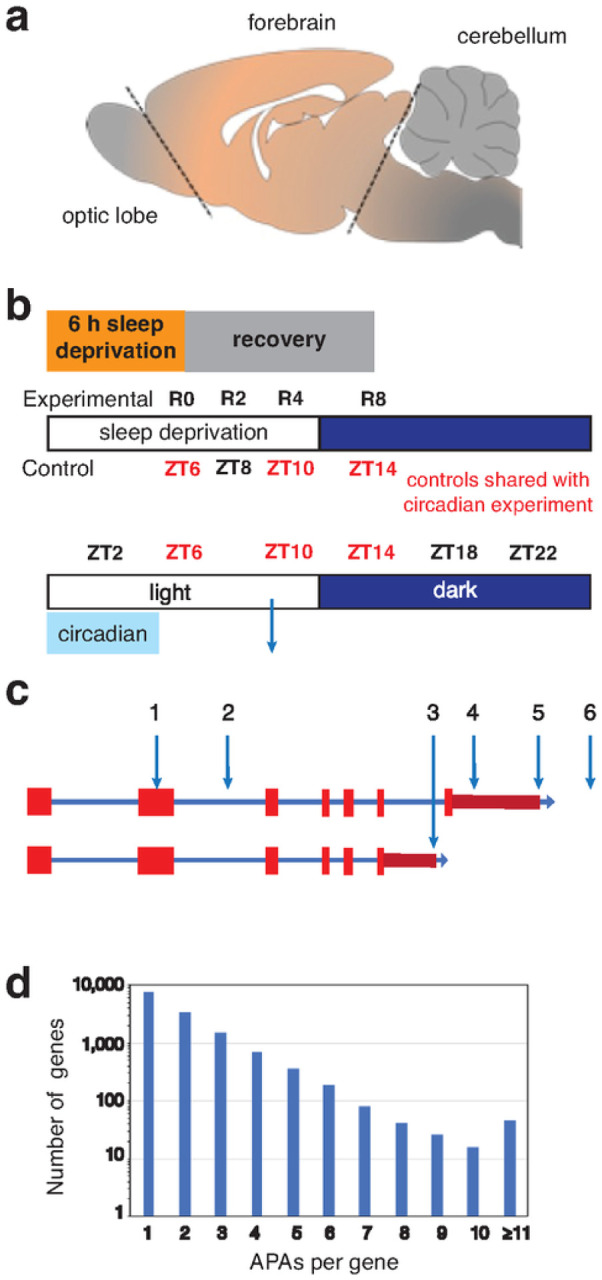
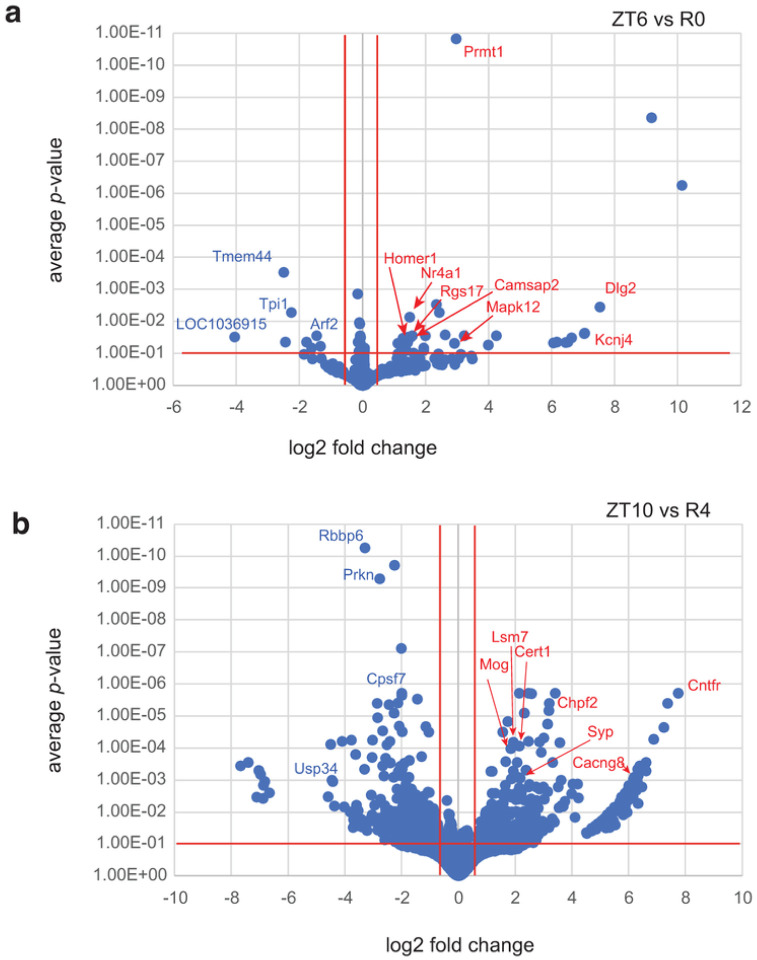
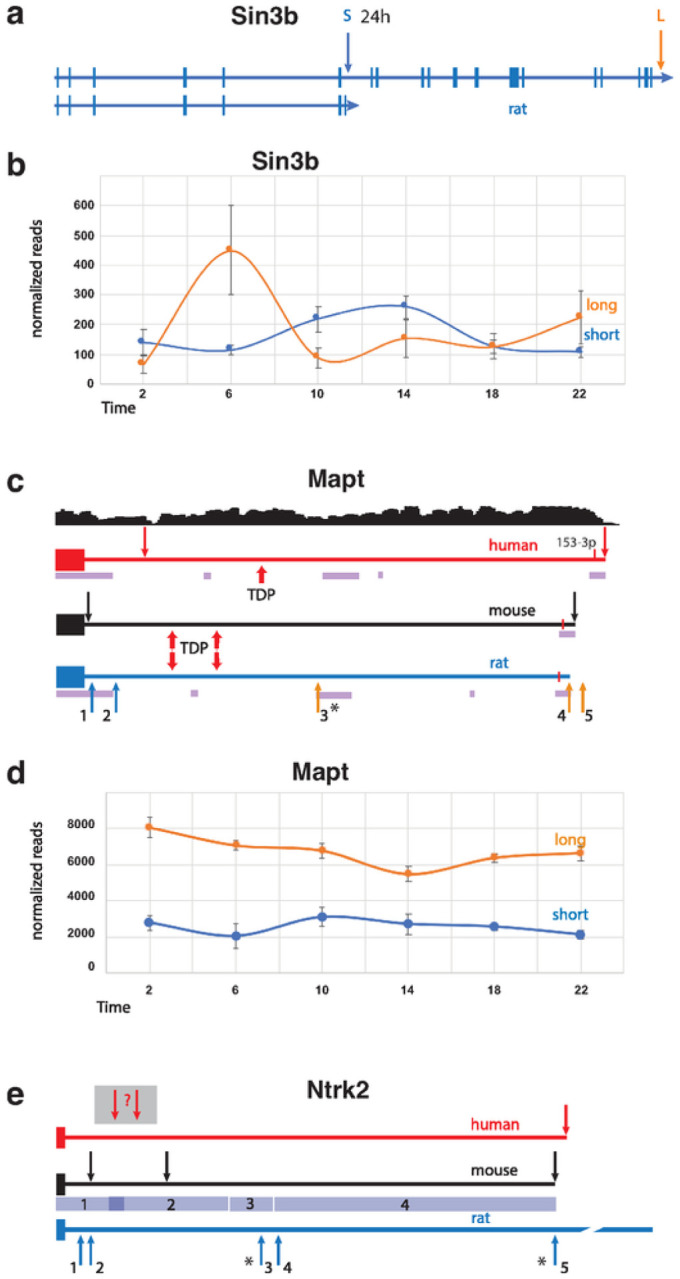
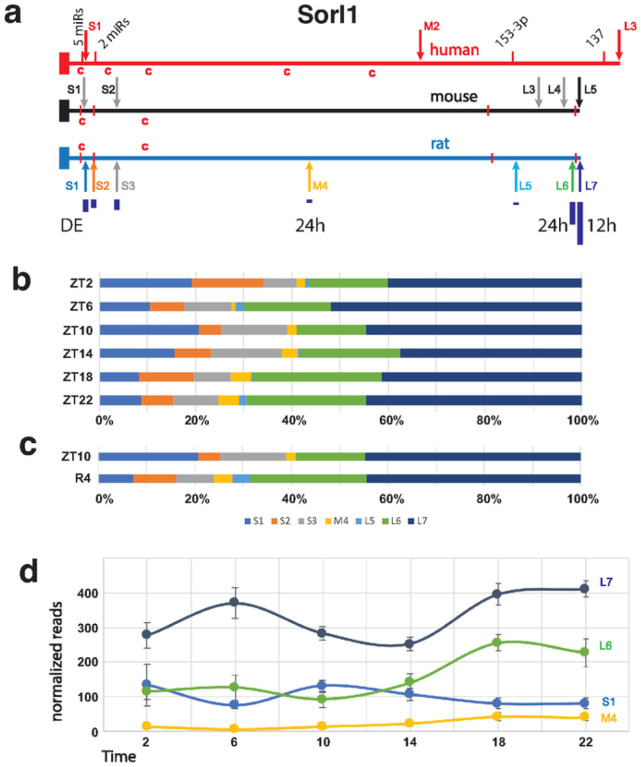
Sleep and circadian rhythm disruptions are comorbid features of many pathologies and can negatively influence numerous health conditions, including degenerative diseases, metabolic illnesses, cancer, and various neurological disorders. Genetic association studies linking sleep and circadian disturbances with disease susceptibility have mainly focused on changes in gene expression due to mutations, such as single-nucleotide polymorphisms. Thus, associations between sleep and/or circadian rhythm and alternative polyadenylation (APA), particularly in the context of other health challenges, are largely undescribed. APA is a process that generates various transcript isoforms from the same gene, resulting in effects on mRNA translation, stability, localization, and subsequent function. Here, we have identified unique APAs in rat brain that exhibit time-of-day-dependent oscillations in expression as well as APAs that are altered by sleep deprivation and the subsequent recovery period. Genes affected by APA usage include Mapt/Tau, Ntrk2, Homer1A, Sin3band Sorl. Sorl1 has two APAs which cycle with a 24 h period, one additional APA cycles with a 12 h period and one more that is reduced during recovery sleep. Finally, we compared sleep- or circadian-associated APAs with recently described APA-linked brain disorder susceptibility genes and found 46 genes in common.
Conflict of interest statement
Competing interests J.G. is the founder of Blood Brain Biotechnology, LLC. All other authors declare no competing interests.
Figures
References
Publication types
Grants and funding
LinkOut - more resources
Full Text Sources
Molecular Biology Databases