


Novel functional insights into ischemic stroke biology provided by the first genome-wide association study of stroke in indigenous Africans
- PMID: 38317187
- PMCID: PMC10840175
- DOI: 10.1186/s13073-023-01273-5
Novel functional insights into ischemic stroke biology provided by the first genome-wide association study of stroke in indigenous Africans
Abstract
Background: African ancestry populations have the highest burden of stroke worldwide, yet the genetic basis of stroke in these populations is obscure. The Stroke Investigative Research and Educational Network (SIREN) is a multicenter study involving 16 sites in West Africa. We conducted the first-ever genome-wide association study (GWAS) of stroke in indigenous Africans.
Methods: Cases were consecutively recruited consenting adults (aged > 18 years) with neuroimaging-confirmed ischemic stroke. Stroke-free controls were ascertained using a locally validated Questionnaire for Verifying Stroke-Free Status. DNA genotyping with the H3Africa array was performed, and following initial quality control, GWAS datasets were imputed into the NIH Trans-Omics for Precision Medicine (TOPMed) release2 from BioData Catalyst. Furthermore, we performed fine-mapping, trans-ethnic meta-analysis, and in silico functional characterization to identify likely causal variants with a functional interpretation.
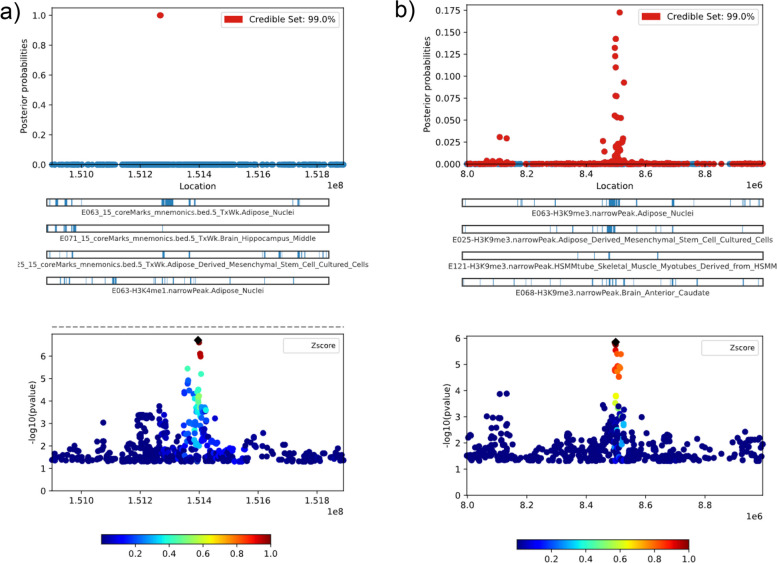
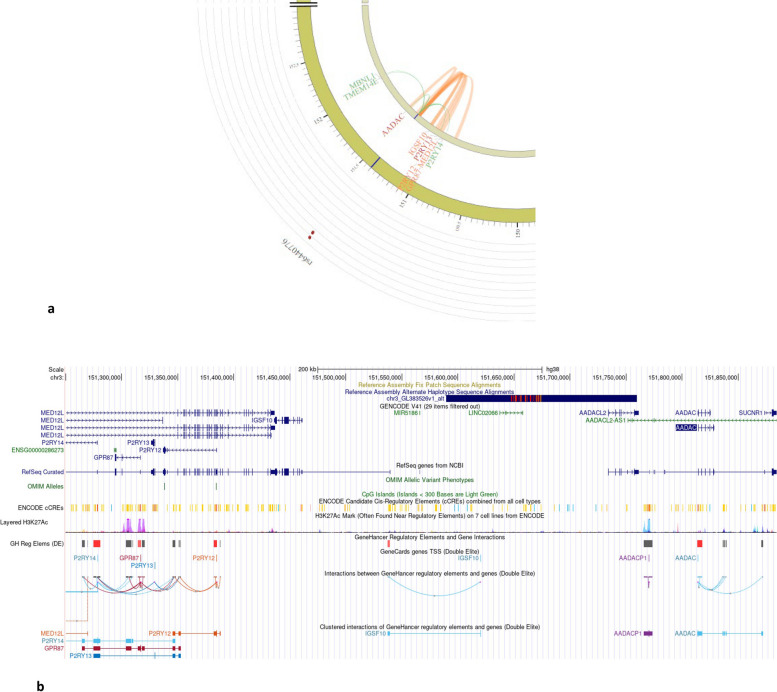
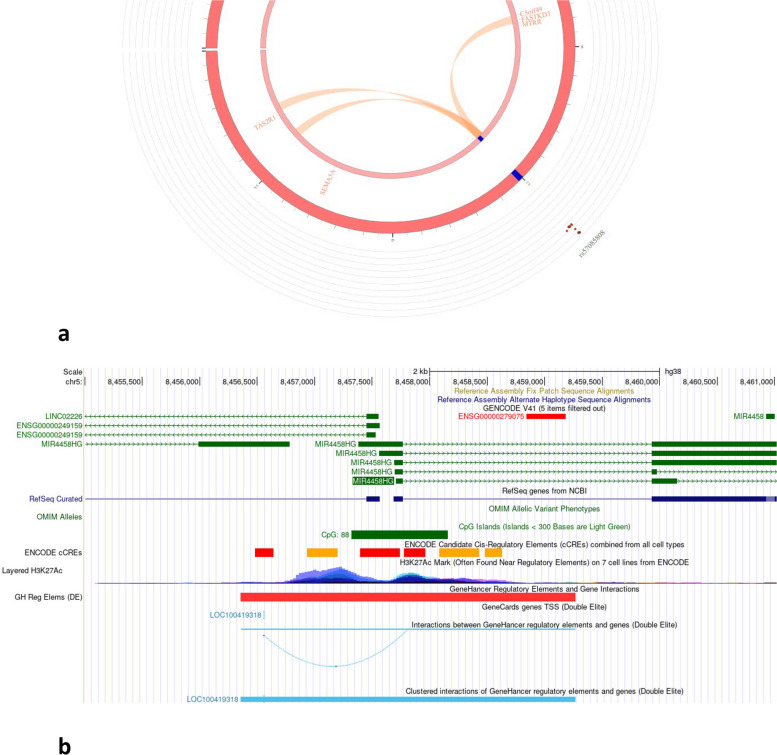
Results: We observed genome-wide significant (P-value < 5.0E-8) SNPs associations near AADACL2 and miRNA (MIR5186) genes in chromosome 3 after adjusting for hypertension, diabetes, dyslipidemia, and cardiac status in the base model as covariates. SNPs near the miRNA (MIR4458) gene in chromosome 5 were also associated with stroke (P-value < 1.0E-6). The putative genes near AADACL2, MIR5186, and MIR4458 genes were protective and novel. SNPs associations with stroke in chromosome 2 were more than 77 kb from the closest gene LINC01854 and SNPs in chromosome 7 were more than 116 kb to the closest gene LINC01446 (P-value < 1.0E-6). In addition, we observed SNPs in genes STXBP5-AS1 (chromosome 6), GALTN9 (chromosome 12), FANCA (chromosome 16), and DLGAP1 (chromosome 18) (P-value < 1.0E-6). Both genomic regions near genes AADACL2 and MIR4458 remained significant following fine mapping.
Conclusions: Our findings identify potential roles of regulatory miRNA, intergenic non-coding DNA, and intronic non-coding RNA in the biology of ischemic stroke. These findings reveal new molecular targets that promise to help close the current gaps in accurate African ancestry-based genetic stroke's risk prediction and development of new targeted interventions to prevent or treat stroke.
Keywords: African ancestry, Ischemic stroke, SNP, miRNA; GWAS; Genomics; Stroke.
© 2024. The Author(s).
Conflict of interest statement
The authors declare that they have no competing interests.
Figures


References
Publication types
MeSH terms
Substances
Grants and funding
LinkOut - more resources
Full Text Sources
Medical
Miscellaneous
