Review
. 2024 Feb 8;15(2):119.
doi: 10.1038/s41419-024-06508-w.

Enhancing osteoporosis treatment with engineered mesenchymal stem cell-derived extracellular vesicles: mechanisms and advances

Affiliations
Review

Enhancing osteoporosis treatment with engineered mesenchymal stem cell-derived extracellular vesicles: mechanisms and advances

Yiman Chen et al. Cell Death Dis. .

Abstract

As societal aging intensifies, the incidence of osteoporosis (OP) continually rises. OP is a skeletal disorder characterized by reduced bone mass, deteriorated bone tissue microstructure, and consequently increased bone fragility and fracture susceptibility, typically evaluated using bone mineral density (BMD) and T-score. Not only does OP diminish patients' quality of life, but it also imposes a substantial economic burden on society. Conventional pharmacological treatments yield limited efficacy and severe adverse reactions. In contemporary academic discourse, mesenchymal stem cells (MSCs) derived extracellular vesicles (EVs) have surfaced as auspicious novel therapeutic modalities for OP. EVs can convey information through the cargo they carry and have been demonstrated to be a crucial medium for intercellular communication, playing a significant role in maintaining the homeostasis of the bone microenvironment. Furthermore, various research findings provide evidence that engineered strategies can enhance the therapeutic effects of EVs in OP treatment. While numerous reviews have explored the progress and potential of EVs in treating degenerative bone diseases, research on using EVs to address OP remains in the early stages of basic experimentation. This paper reviews advancements in utilizing MSCs and their derived EVs for OP treatment. It systematically examines the most extensively researched MSC-derived EVs for treating OP, delving not only into the molecular mechanisms of EV-based OP therapy but also conducting a comparative analysis of the strengths and limitations of EVs sourced from various cell origins. Additionally, the paper emphasizes the technical and engineering strategies necessary for leveraging EVs in OP treatment, offering insights and recommendations for future research endeavors.


Conflict of interest statement

The authors declare no competing interests.

Figures
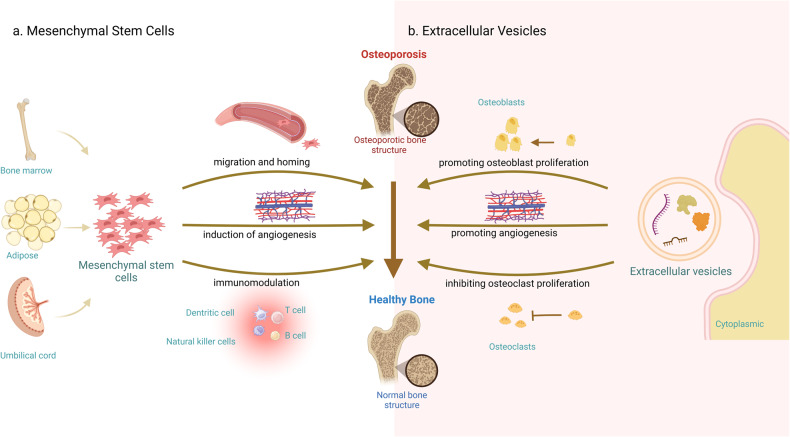
Fig. 1
Fig. 1. Mechanisms of OP treatment using MSCs and EVs.
a MSCs, derived from diverse tissue origins, primarily address OP through targeted homing, angiogenesis stimulation, and immunomodulatory actions. b The therapeutic impact of secreted EVs is predominantly achieved by fostering osteoblast proliferation, impeding osteoclast propagation, and augmenting angiogenesis. Mesenchymal stem cells and extracellular vesicles of different origins have a positive effect on the restoration of bone density. Generated by BioRender.
Fig. 2
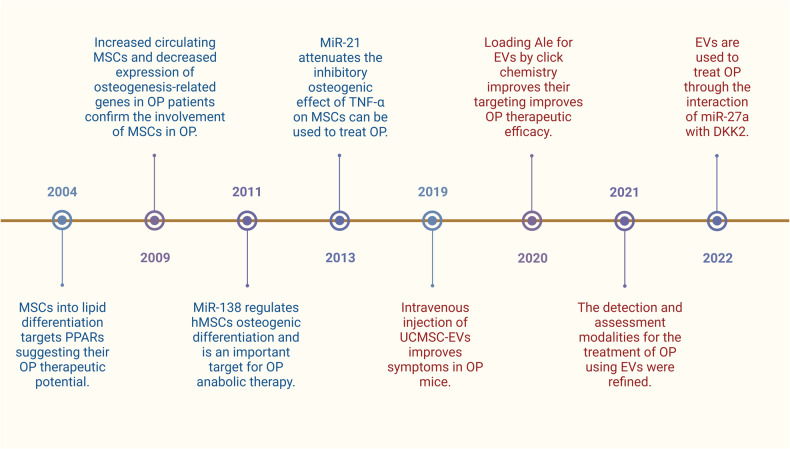
Fig. 2. A review of previous articles using MSCs and EVs to treat OP based on LCS scores.
Employing MSCs and EVs for addressing OP commenced early on, with MSCs being utilized for OP treatment prior to EVs. Numerous investigations have delved into the molecular underpinnings of these therapeutic approaches, and a multitude of preclinical trials have been conducted for validation purposes. Presently, a growing body of research is adopting engineering techniques to enhance the efficacy of these treatments. Generated by BioRender.
Fig. 3
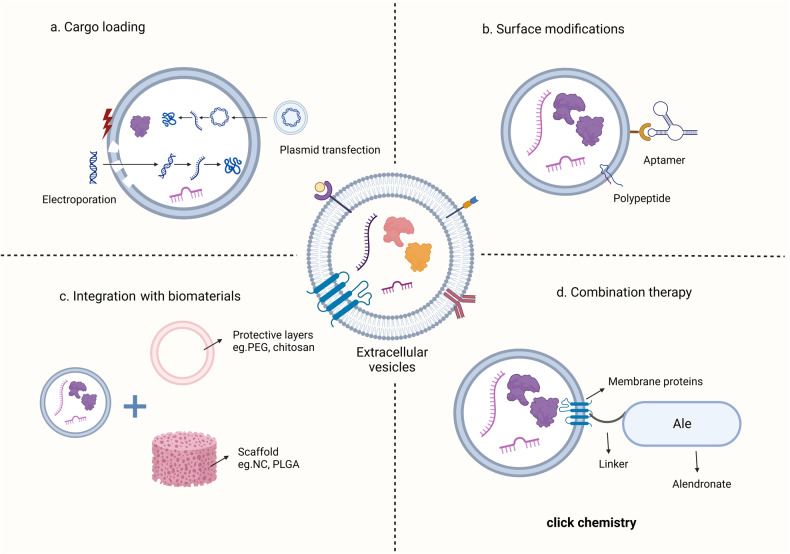
Fig. 3. Engineering strategies in the use of EVs for the treatment of OP.
a Cargo loading, by modulating the expression of cargos within EVs through plasmids or electroporation to act as a therapeutic OP. b Surface modification, by adding aptamers or specific peptides to the surface of EVs it is possible to specifically target EVs to target cells and improve the efficiency of EVs therapy. c Combined biomaterials, by applying a protective layer to the surface of EVs or loading EVs on a biological scaffold it is possible to reduce the loss of delivered EVs, control the rate of EVs release in the release rate in vivo and improve the stability of EVs. d Combination therapy, by combining EVs with therapeutic drugs through click chemistry to amplify the therapeutic effect. Generated by BioRender.

References

    1. Odén A, McCloskey EV, Kanis JA, Harvey NC, Johansson H. Burden of high fracture probability worldwide: secular increases 2010-2040. Osteoporos Int. 2015;26:2243–8. doi: 10.1007/s00198-015-3154-6. - DOI - PubMed
    1. Burge R, Dawson-Hughes B, Solomon DH, Wong JB, King A, Tosteson A. Incidence and economic burden of osteoporosis-related fractures in the United States, 2005-2025. J Bone Miner Res Off J Am Soc Bone Miner Res. 2007;22:465–75. doi: 10.1359/jbmr.061113. - DOI - PubMed
    1. Johnston CB, Dagar M. Osteoporosis in Older Adults. Med Clin North Am. 2020;104:873–84. doi: 10.1016/j.mcna.2020.06.004. - DOI - PubMed
    1. Chen X, Zhu X, Wei A, Chen F, Gao Q, Lu K, et al. Nrf2 epigenetic derepression induced by running exercise protects against osteoporosis. Bone Res. 2021;9:15. doi: 10.1038/s41413-020-00128-8. - DOI - PMC - PubMed
    1. Zhang X, Yu Z, Yu M, Qu X. Alcohol consumption and hip fracture risk. Osteoporos Int. 2015;26:531–42. doi: 10.1007/s00198-014-2879-y. - DOI - PubMed