


Genetic literacy among primary care physicians in a resource-constrained setting
- PMID: 38350948
- PMCID: PMC10863164
- DOI: 10.1186/s12909-024-05110-0
Genetic literacy among primary care physicians in a resource-constrained setting
Abstract
Background: Genetic literacy among primary healthcare providers is crucial for appropriate patient care with the advances in genetic and genomic medicine. Studies from high-income countries highlight the lack of knowledge in genetics and the need to develop curricula for continuing professional development of non-geneticists. Scarce data is available from resource-constrained countries in Middle East and North Africa. Lebanon is a small country in this region characterized by high rates of consanguinity and genetic disorders like several surrounding countries, such as Jordan, Syria, and Turkey.
Methods: The primary aim of this study assessed the genetic literacy, self-perceived and actual knowledge as well as practices among primary care providers in Lebanon. The secondary aim identified their educational needs and proposed evidence-based continuing education programs. A cross-sectional survey-based study, using a self-administered questionnaire, was conducted targeting physicians from Family Medicine, Obstetrics and Gynecology, and Pediatrics. The questionnaire was divided into five sections: demographics, familiarity with genetic tests, self-reported and actual knowledge, genetic practices, and educational needs. Statistics were performed using SPSS v24. The Chi-square test was used for independent variables. Differences between mean scores were measured using paired sample t-tests for groups of two levels and one-way ANOVA for more than two. Multiple linear regression was used to study the variables associated with the knowledge score while controlling for other variables.
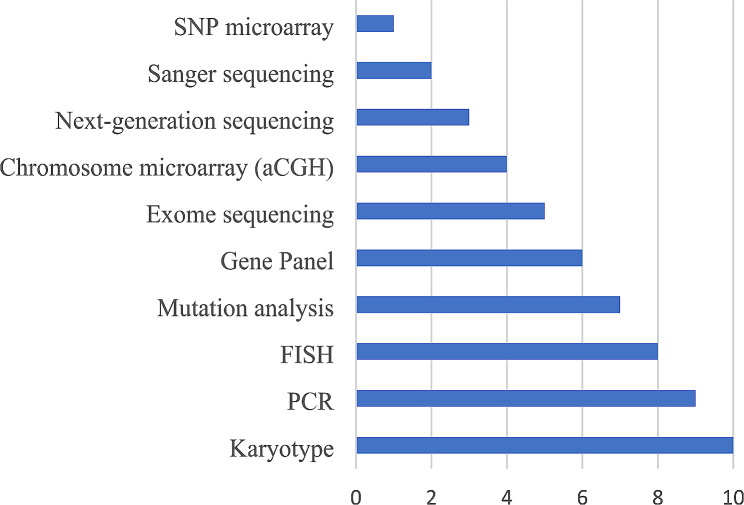
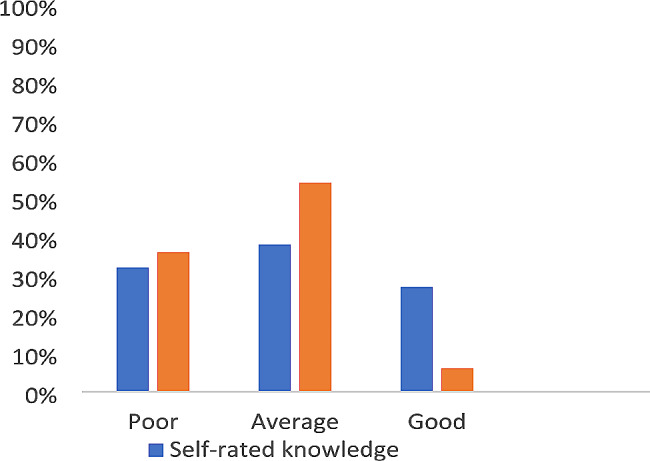
Results: The survey included 123 physicians. They were mostly familiar with karyotype as first-tier genetic test. Although 38% perceived their knowledge as good, only 6% scored as such in knowledge assessment. A better knowledge score was observed in academic institutions as well as in urban settings (p<0.05). One third never ordered any genetic testing, mostly due to poor knowledge. Almost all (98%) were ready to attend continuing professional development sessions in genetics.
Conclusion: Our findings show the need to improve genetic literacy among healthcare frontliners, focusing on remote regions and nonacademic centers in Lebanon, a model for other resource-constrained country in the Middle East and North Africa region. This study advances recommendations for evidence-based genetic continuing education programs and highlighted the role of that the few genetic specialists can play in their successful implementation.
Keywords: Continuing education; Genetics; Health literacy; Healthcare practice; Knowledge; Primary care.
© 2024. The Author(s).
Conflict of interest statement
We have read and understood the BMC Editorial policies on competing interests and the authors declare that they have no competing interests.
Figures

References
-
- Sharoff L. Genetics and genomics integration into undergraduate nursing education. J Nurs Educ Pract. 2015;5(4):13–8.
-
- Wetterstrand KA. 2022. Data from the NHGRI Genome Sequencing Program (GSP) Available at: www.genome.gov/sequencingcostsdata. Accessed 22 June 2023.
MeSH terms
LinkOut - more resources
Full Text Sources
