


Mapping the Landscape of Brachial Plexus Birth Injury Research: A Comprehensive Bibliometric Study
- PMID: 38352113
- PMCID: PMC10863534
- DOI: 10.7759/cureus.52250
Mapping the Landscape of Brachial Plexus Birth Injury Research: A Comprehensive Bibliometric Study
Abstract
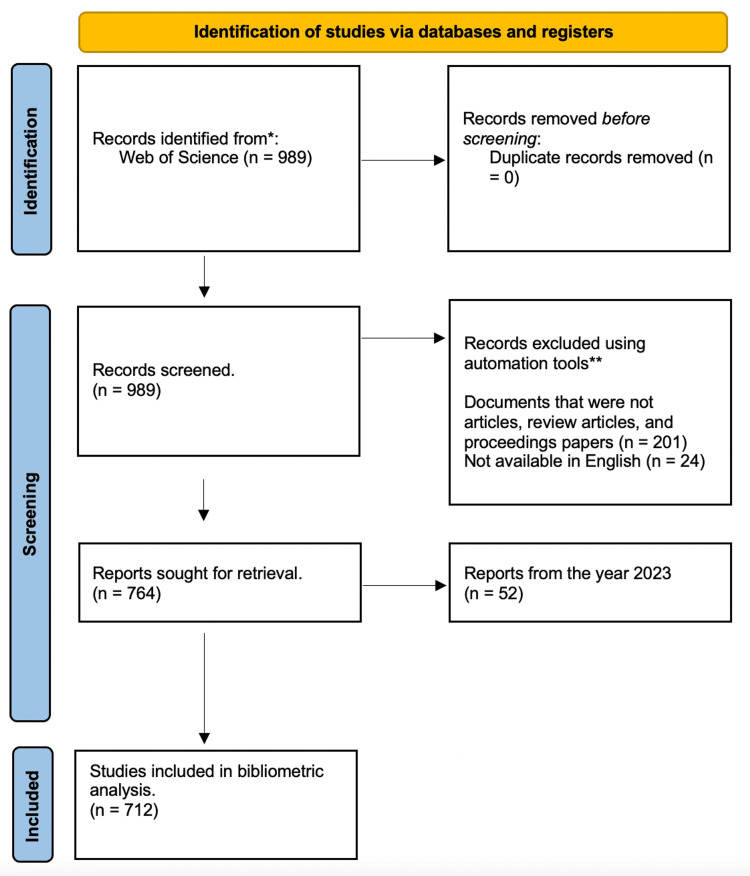
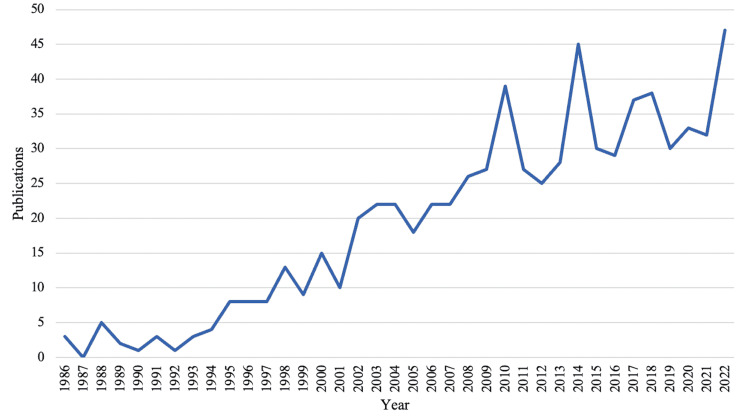
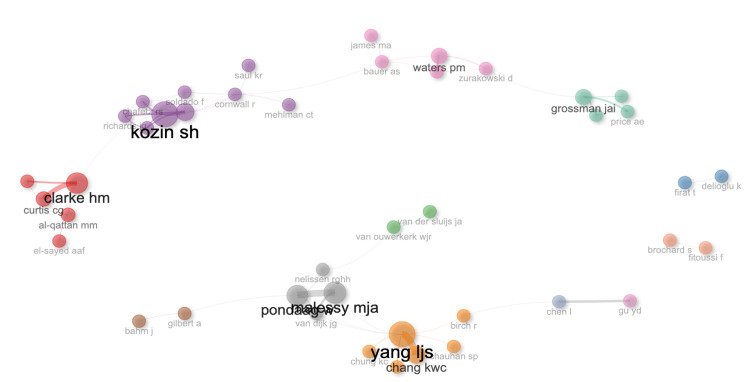
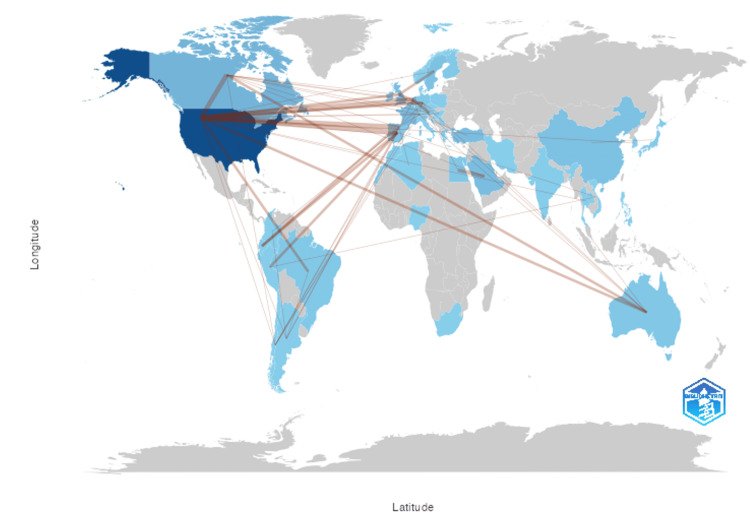
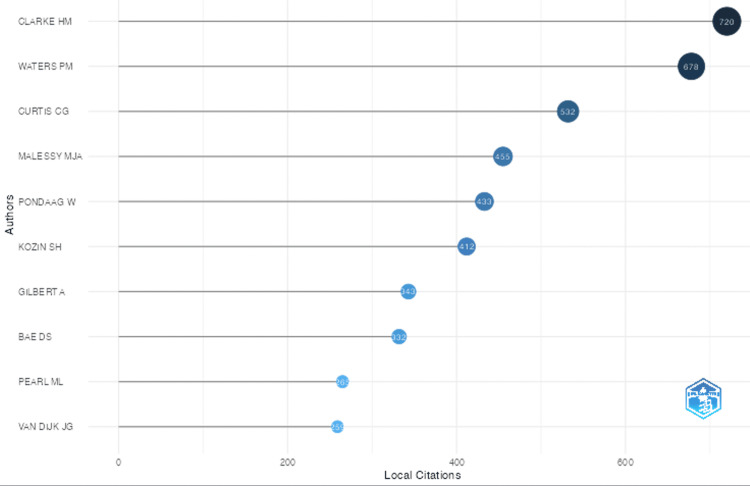
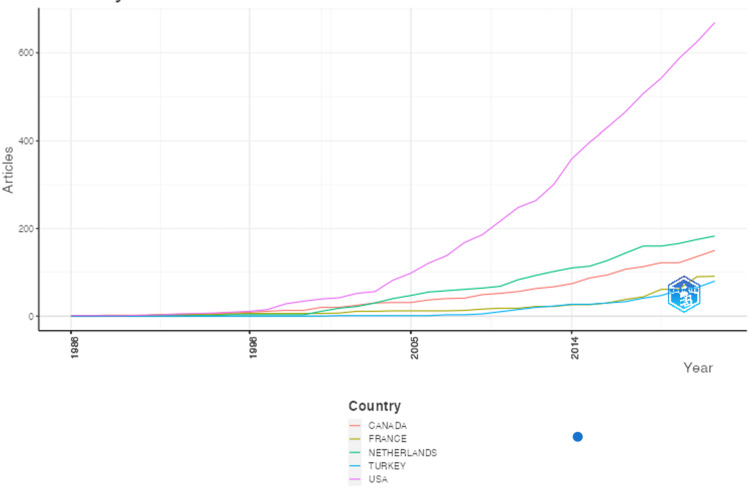
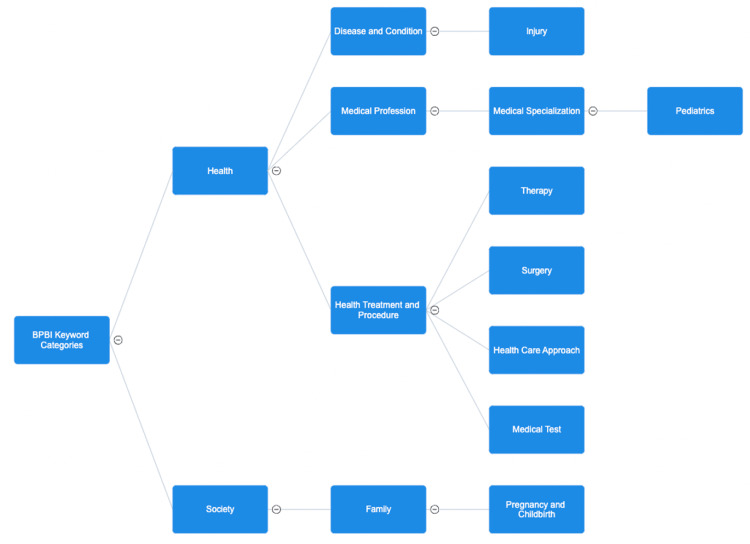
Brachial plexus birth injury (BPBI) is a relatively common condition that poses a significant challenge to children who endure functional impairments later on. This comprehensive bibliometric analysis sought to quantitatively evaluate the existing literature on BPBI, shedding light on authorship, collaboration, publication trends, and keyword analysis to both inform the medical community and foster future research growth. A thorough search of the Web of Science database yielded 712 relevant documents published between 1986 and 2022. The analysis utilized Biblioshiny (K-Synth Srl, Naples, Italy) for bibliometric data, alongside VOSviewer (Centre for Science and Technology Studies, Leiden University, The Netherlands) and TextRazor (TextRazor Ltd., London, UK) for keyword categorization. The literature had an average annual growth rate of 7.94%, with an average document age of 12 years. Collaborative efforts demonstrated 9.6% international co-authorship, with the United States prominently leading global collaborations. Top producing authors included Yang, Kozin, and Clarke, while the most cited authors were Clarke, Waters, and Curtis. Journals such as the Journal of Pediatric Orthopedics and Plastic and Reconstructive Surgery emerged as key contributors to the literature. Keyword analysis illuminated prevalent categories like "society" and "health," underscoring the multifaceted nature of BPBI research. The findings from this bibliometric analysis highlight the dynamic and collaborative landscape of BPBI research, emphasizing the pressing need for continued contributions to address existing gaps in knowledge, enhance global collaboration, and advance the understanding and treatment of this complex condition. Beyond quantitative metrics, this study holds particular significance in its role as a compass for researchers, practitioners, and policymakers invested in BPBI. By offering insights into influential authors, institutions, and emerging trends, this analysis serves as a valuable resource, guiding future research endeavors, fostering interdisciplinary collaboration, and ultimately contributing to improved outcomes for individuals affected by BPBI. The importance of this study lies not only in its informative content but also in its potential to catalyze a collective effort toward refining treatment modalities, promoting preventative measures, and enhancing the overall quality of care for those navigating the challenges of BPBI.
Keywords: bibliometric analyis; bibliometric visualization; brachial plexus birth injury; brachial plexus injury; peripheral nerves.
Copyright © 2024, Hoffman et al.
Conflict of interest statement
The authors have declared financial relationships, which are detailed in the next section.
Figures
References
-
- Current concepts in the management of brachial plexus birth palsy. Hale HB, Bae DS, Waters PM. J Hand Surg Am. 2010;35:322–331. - PubMed
-
- Shoulder contracture and osseous deformity in obstetrical brachial plexus injuries. Hoeksma AF, Ter Steeg AM, Dijkstra P, Nelissen RG, Beelen A, de Jong BA. J Bone Joint Surg Am. 2003;85:316–322. - PubMed
-
- Natural history of obstetric brachial plexus palsy: a systematic review. W Pondaag, MJA Malessy, JG Van Dijk, et al. Dev Med Child Neurol. 2004;46:138–144. - PubMed
-
- Publication trends of nonobstetric brachial plexus injury research: a bibliometric analysis. de Oliveira AJ, Ramos MB, Bohn D, Siqueira MG, Figueiredo EG. World Neurosurg. 2021;153:131–138. - PubMed
Publication types
LinkOut - more resources
Full Text Sources
Miscellaneous