


Insights and implications of sexual dimorphism in osteoporosis
- PMID: 38368422
- PMCID: PMC10874461
- DOI: 10.1038/s41413-023-00306-4
Insights and implications of sexual dimorphism in osteoporosis
Erratum in
-
Author Correction: Insights and implications of sexual dimorphism in osteoporosis.Bone Res. 2024 Apr 15;12(1):25. doi: 10.1038/s41413-024-00329-5. Bone Res. 2024. PMID: 38622123 Free PMC article. No abstract available.
Abstract
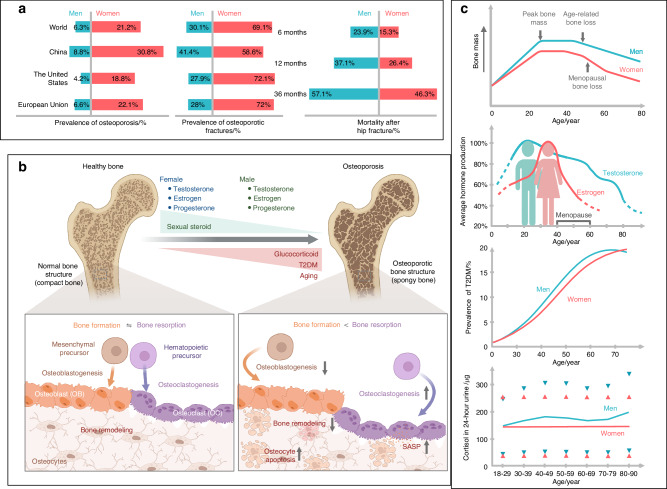
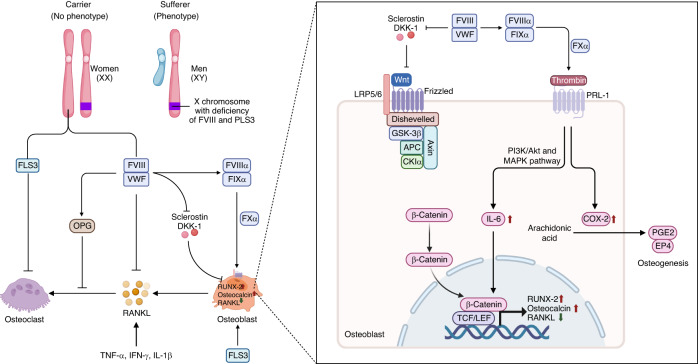
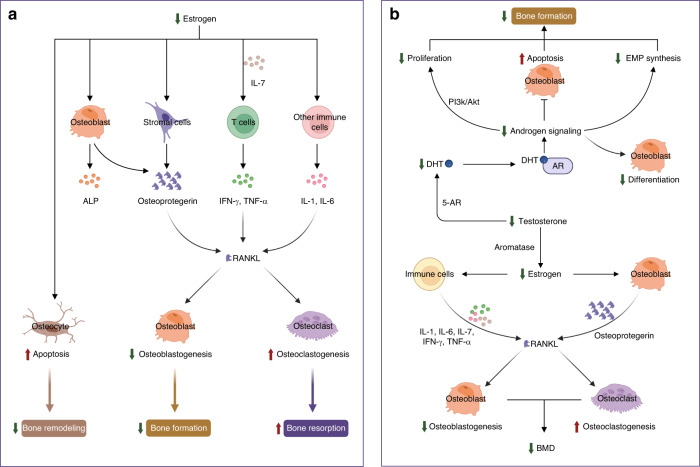
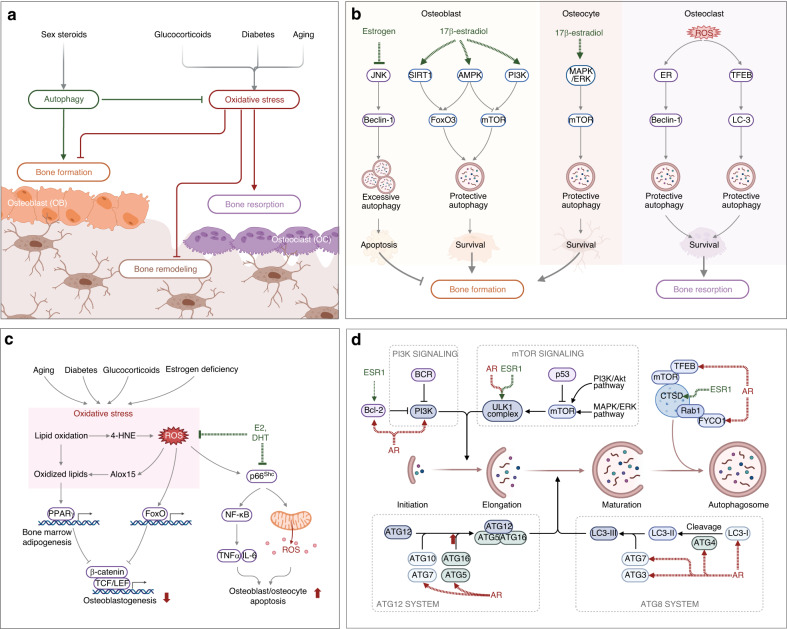
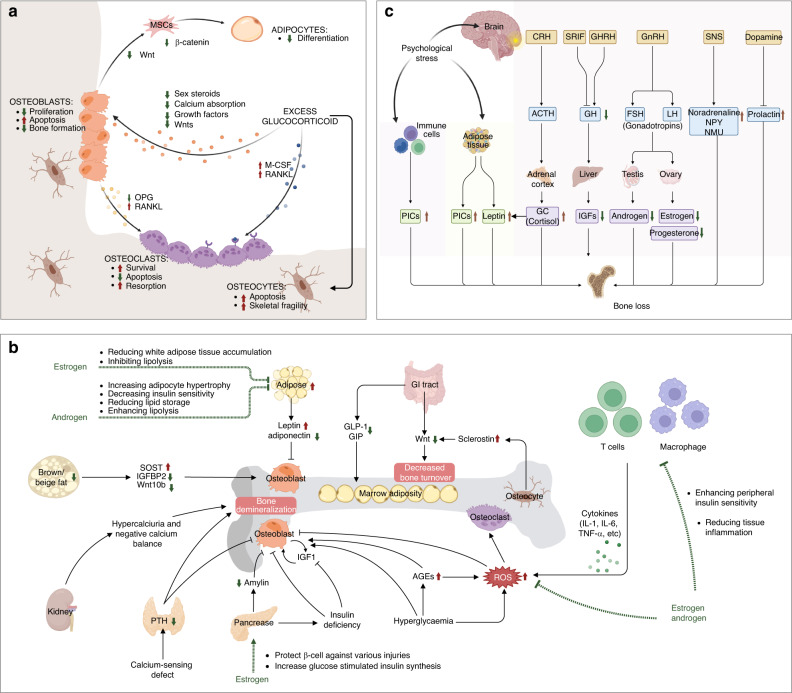
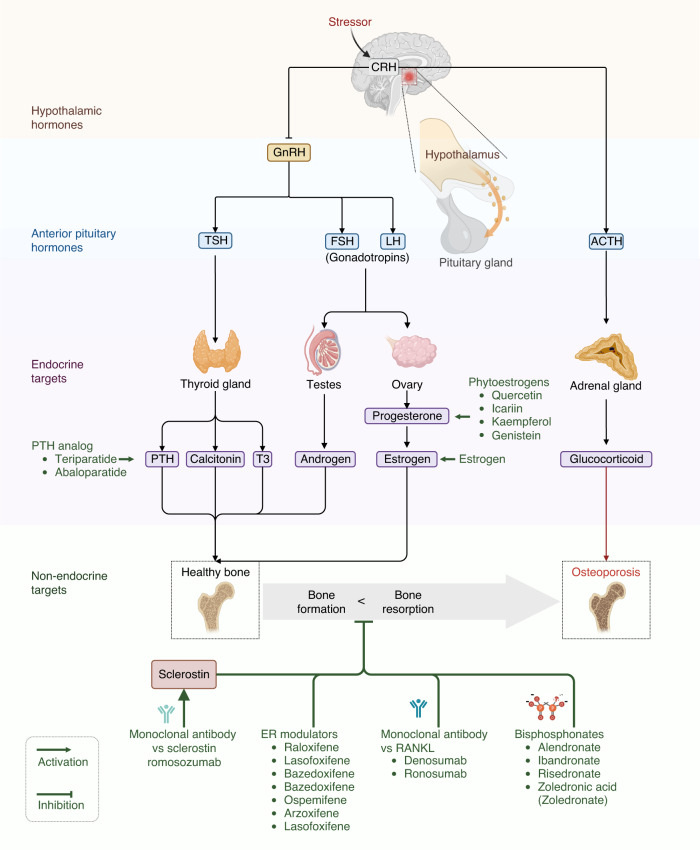
Osteoporosis, a metabolic bone disease characterized by low bone mineral density and deterioration of bone microarchitecture, has led to a high risk of fatal osteoporotic fractures worldwide. Accumulating evidence has revealed that sexual dimorphism is a notable feature of osteoporosis, with sex-specific differences in epidemiology and pathogenesis. Specifically, females are more susceptible than males to osteoporosis, while males are more prone to disability or death from the disease. To date, sex chromosome abnormalities and steroid hormones have been proven to contribute greatly to sexual dimorphism in osteoporosis by regulating the functions of bone cells. Understanding the sex-specific differences in osteoporosis and its related complications is essential for improving treatment strategies tailored to women and men. This literature review focuses on the mechanisms underlying sexual dimorphism in osteoporosis, mainly in a population of aging patients, chronic glucocorticoid administration, and diabetes. Moreover, we highlight the implications of sexual dimorphism for developing therapeutics and preventive strategies and screening approaches tailored to women and men. Additionally, the challenges in translating bench research to bedside treatments and future directions to overcome these obstacles will be discussed.
© 2023. The Author(s).
Conflict of interest statement
The authors declare no competing interests.
Figures
References
Publication types
MeSH terms
LinkOut - more resources
Full Text Sources
Medical
