


Selpercatinib combination with the mitochondria-targeted antioxidant MitoQ effectively suppresses RET-mutant thyroid cancer
- PMID: 38378752
- PMCID: PMC10879150
- DOI: 10.1038/s41698-024-00536-7
Selpercatinib combination with the mitochondria-targeted antioxidant MitoQ effectively suppresses RET-mutant thyroid cancer
Abstract
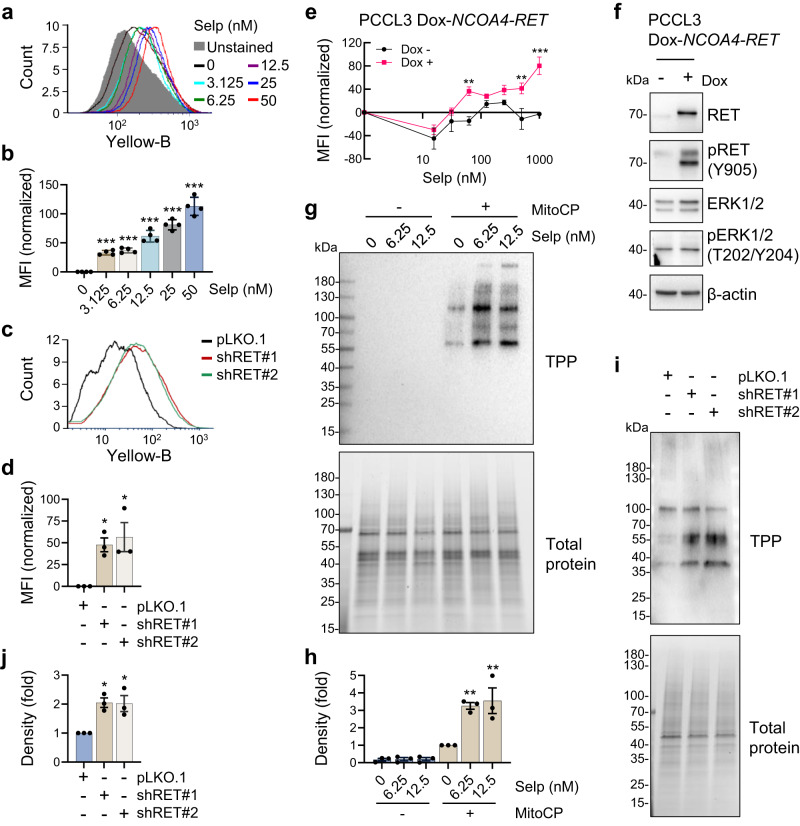
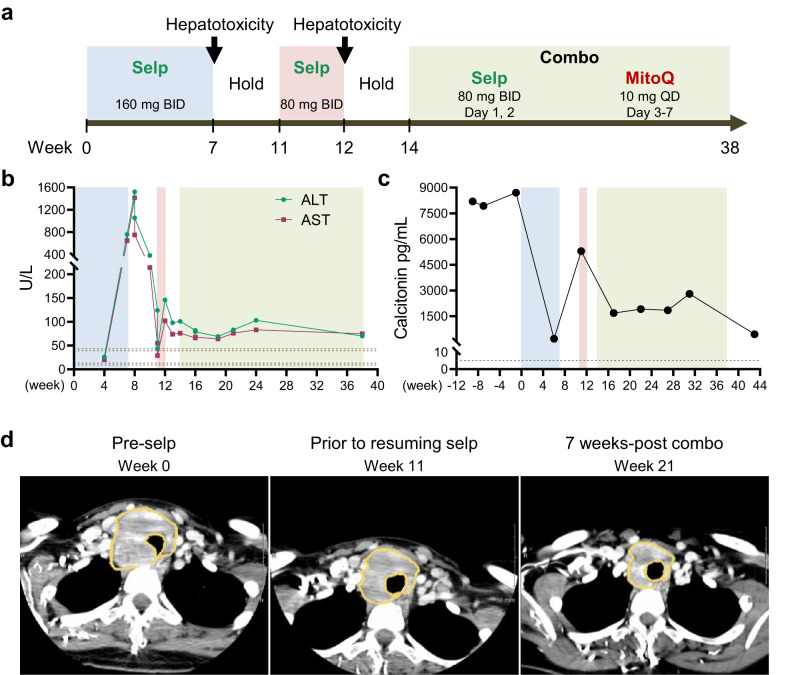
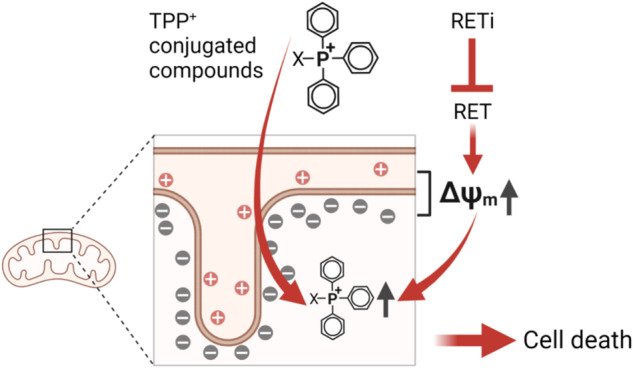
Genetic alternation of REarranged during Transfection (RET) that leads to constitutive RET activation is a crucial etiological factor for thyroid cancer. RET is known to regulate mitochondrial processes, although the underlying molecular mechanisms remain unclear. We previously showed that the multi-kinase inhibitors vandetanib and cabozantinib increase the mitochondrial membrane potential (Δψm) in RET-mutated thyroid tumor cells and that this effect can be exploited to increase mitochondrial enrichment of Δψm-sensitive agents in the tumor cells. In this study, we hypothesized that the RET-selective inhibitor, selpercatinib, can increase Δψm and, subsequently, tumor cell uptake of the mitochondria-targeted ubiquinone (MitoQ) to the level to break the mitochondrial homeostasis and induce lethal responses in RET-mutated thyroid tumor cells. We show that selpercatinib significantly increased Δψm, and its combination with MitoQ synergistically suppressed RET-mutated human thyroid tumor cells, which we validated using RET-targeted genetic approaches. Selpercatinib and MitoQ, in combination, also suppressed CCDC6-RET fusion cell line xenografts in mice and prolonged animal survival more effectively than single treatments of each agent. Moreover, we treated two patients with CCDC6-RET or RETM918T thyroid cancer, who could not take selpercatinib at regular doses due to adverse effects, with a dose-reduced selpercatinib and MitoQ combination. In response to this combination therapy, both patients showed tumor reduction. The quality of life of one patient significantly improved over a year until the tumor relapsed. This combination of selpercatinib with MitoQ may have therapeutic potential for patients with RET-mutated tumors and intolerant to regular selpercatinib doses.
© 2024. The Author(s).
Conflict of interest statement
The authors declare no competing interests.
Figures


References
Grants and funding
LinkOut - more resources
Full Text Sources
Molecular Biology Databases
