


Phase separation-mediated biomolecular condensates and their relationship to tumor
- PMID: 38383403
- PMCID: PMC10880379
- DOI: 10.1186/s12964-024-01518-9
Phase separation-mediated biomolecular condensates and their relationship to tumor
Abstract
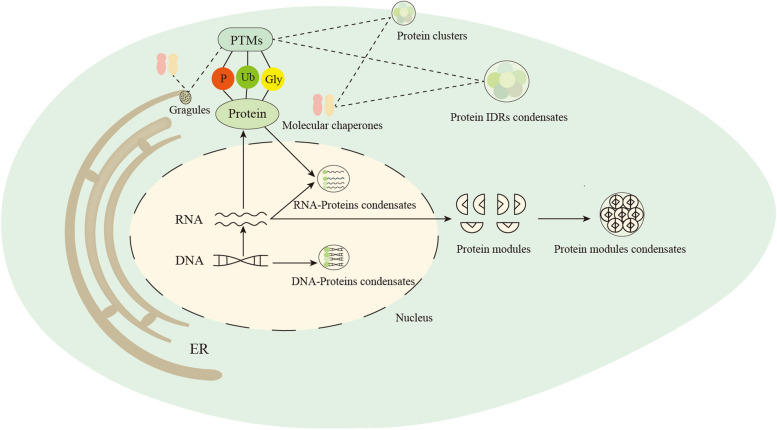
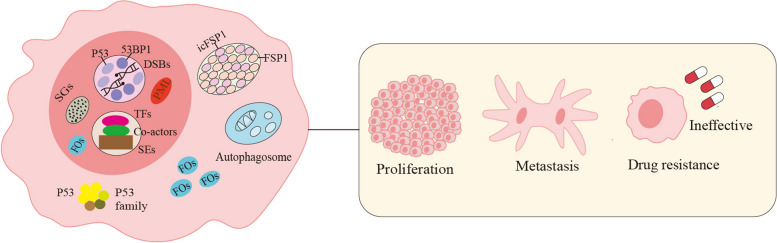
Phase separation is a cellular phenomenon where macromolecules aggregate or segregate, giving rise to biomolecular condensates resembling "droplets" and forming distinct, membrane-free compartments. This process is pervasive in biological cells, contributing to various essential cellular functions. However, when phase separation goes awry, leading to abnormal molecular aggregation, it can become a driving factor in the development of diseases, including tumor. Recent investigations have unveiled the intricate connection between dysregulated phase separation and tumor pathogenesis, highlighting its potential as a novel therapeutic target. This article provides an overview of recent phase separation research, with a particular emphasis on its role in tumor, its therapeutic implications, and outlines avenues for further exploration in this intriguing field.
Keywords: Biomolecular condensates; Phase separation; Therapeutic targets; Tumor.
© 2024. The Author(s).
Conflict of interest statement
The authors declare no competing interests.
Figures
References
-
- Olins DE, Olins AL. Chromatin history: our view from the bridge. Nat Rev Mol Cell Biol. 2003;4(10):809–814. - PubMed
Publication types
MeSH terms
LinkOut - more resources
Full Text Sources
Medical
