


Identification of hypoxia- and immune-related biomarkers in patients with ischemic stroke
- PMID: 38384585
- PMCID: PMC10878920
- DOI: 10.1016/j.heliyon.2024.e25866
Identification of hypoxia- and immune-related biomarkers in patients with ischemic stroke
Abstract
Background: The immune microenvironment and hypoxia play crucial roles in the pathophysiology of ischemic stroke (IS). Hence, in this study, we aimed to identify hypoxia- and immune-related biomarkers in IS.
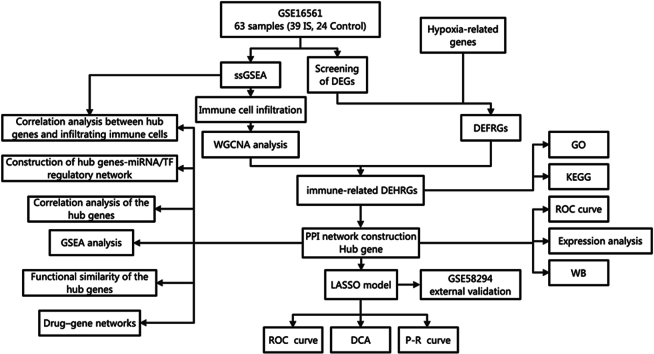
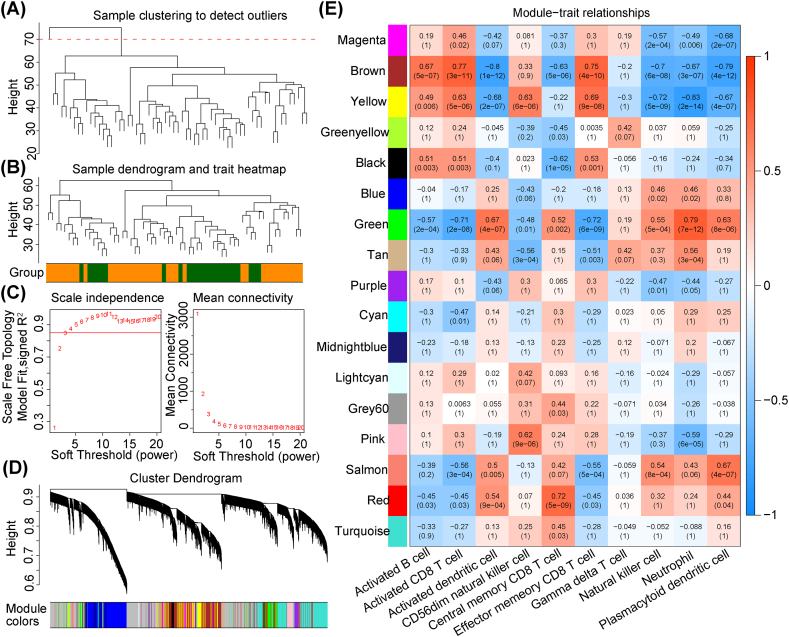
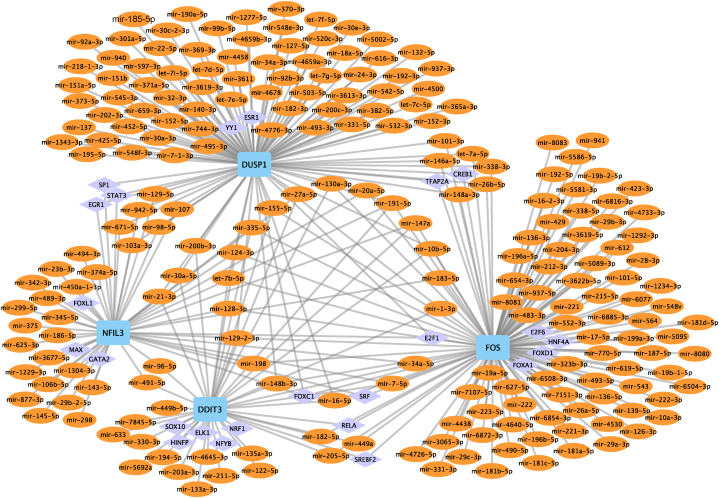
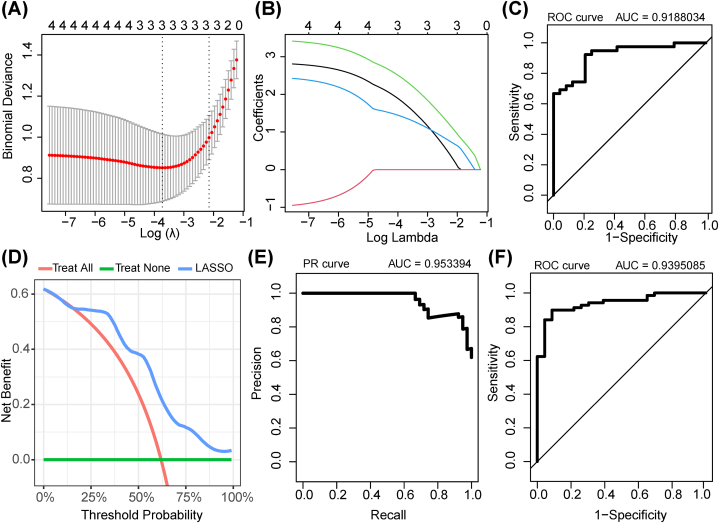
Methods: The IS microarray dataset GSE16561 was examined to determine differentially expressed genes (DEGs) utilizing bioinformatics-based analysis. The intersection of hypoxia-related genes and DEGs was conducted to identify differentially expressed hypoxia-related genes (DEHRGs). Then, using weighted correlation network analysis (WGCNA), all of the genes in GSE16561 dataset were examined to create a co-expression network, and module-clinical trait correlations were examined for the purpose of examining the genes linked to immune cells. The immune-related DEHRGs were submitted to gene ontology (GO) and Kyoto Encyclopedia of Genes and Genomes (KEGG) enrichment analyses. A protein-protein interaction (PPI) network was constructed by Cytoscape plugin MCODE, in order to extract hub genes. The miRNet was used to predict hub gene-related transcription factors (TFs) and miRNAs. Finally, a diagnostic model was developed by least absolute shrinkage and selection operator (LASSO) logistic regression.
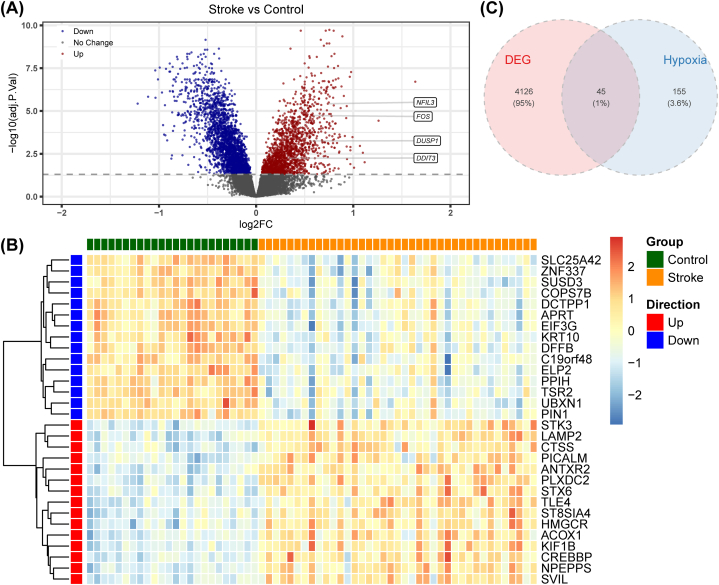
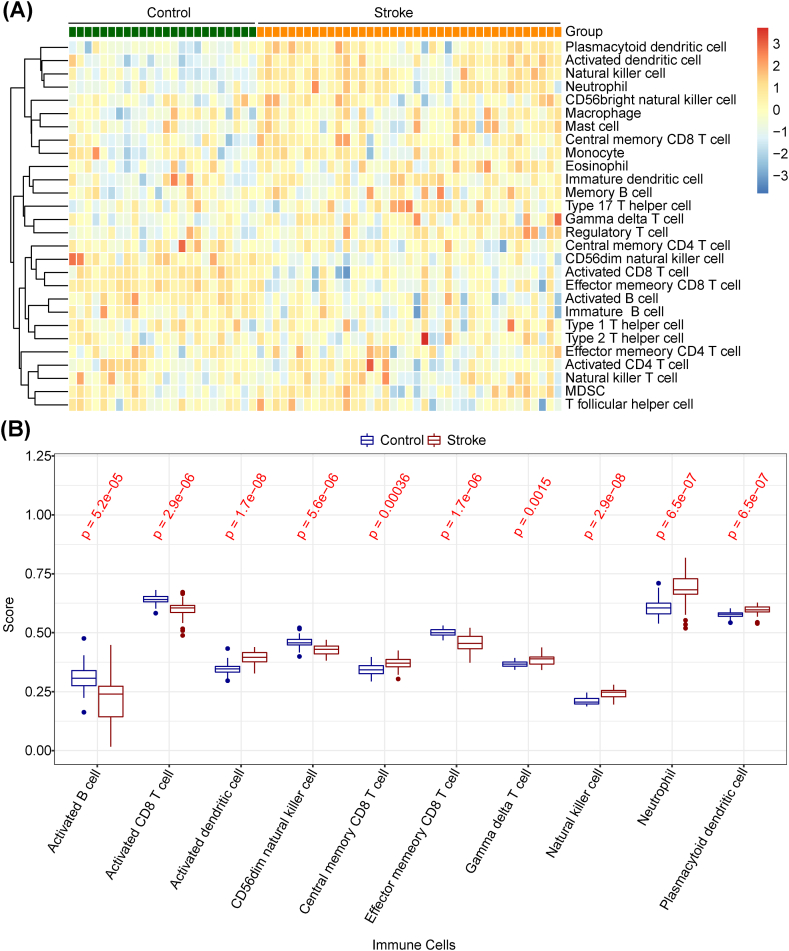
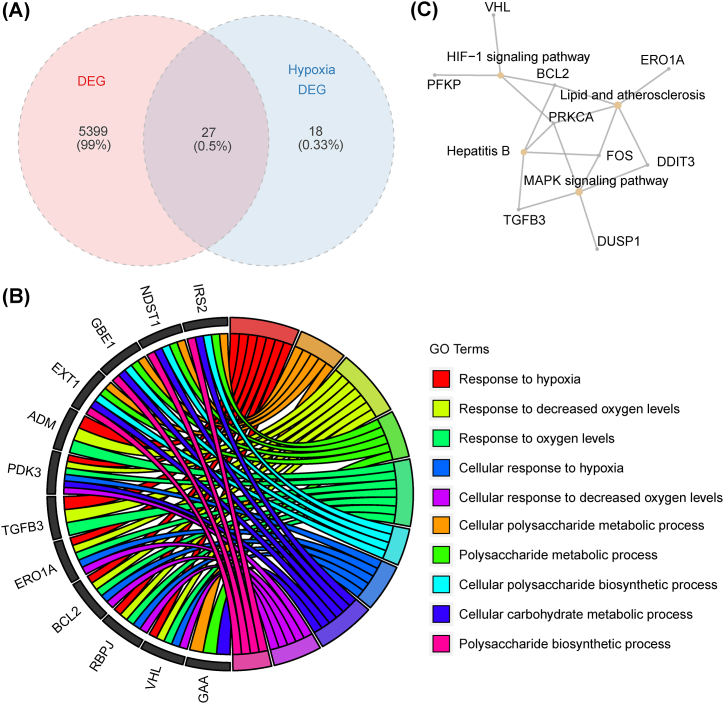
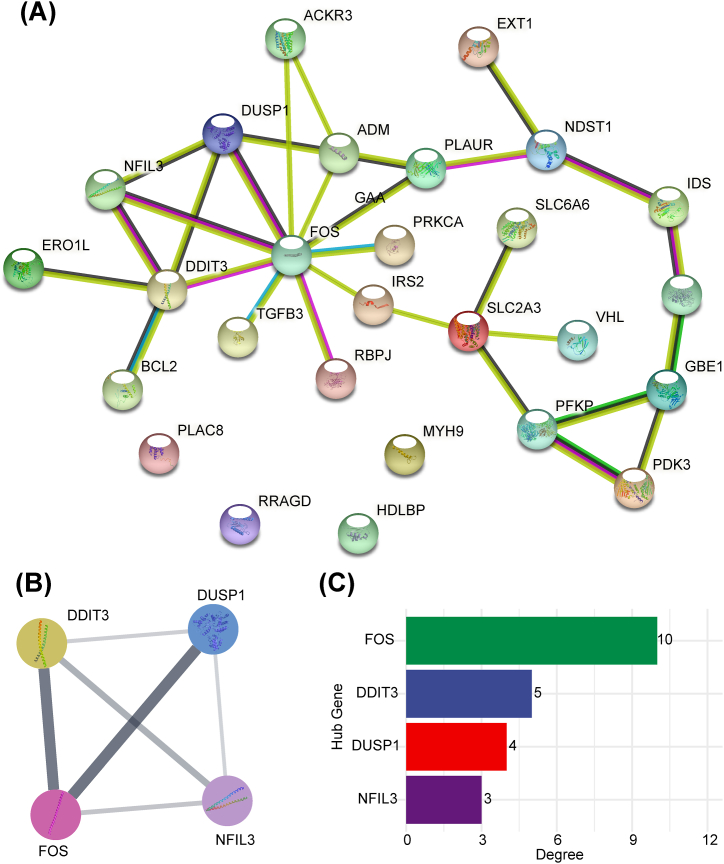
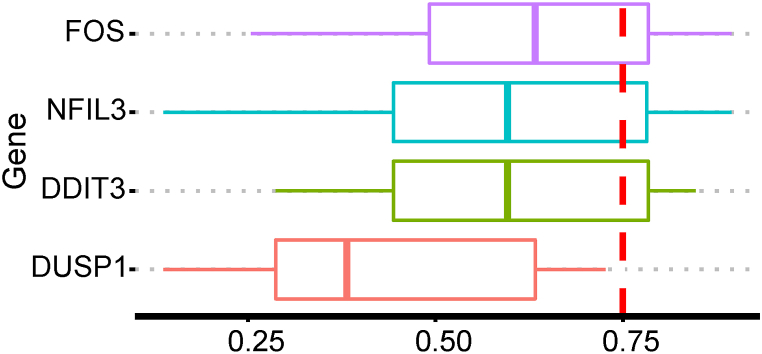
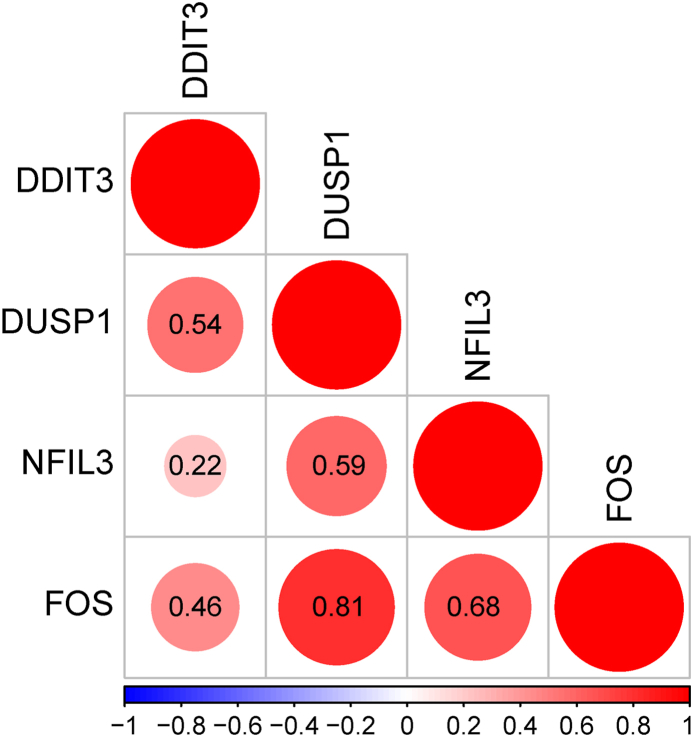
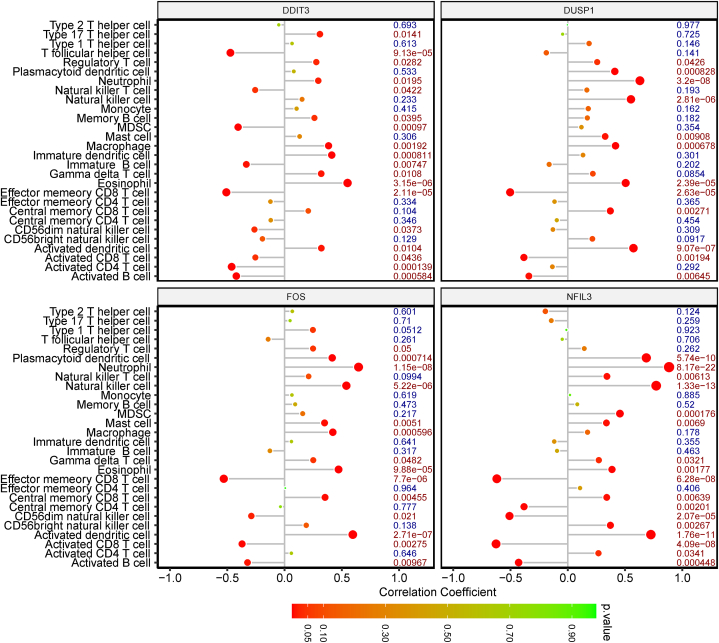
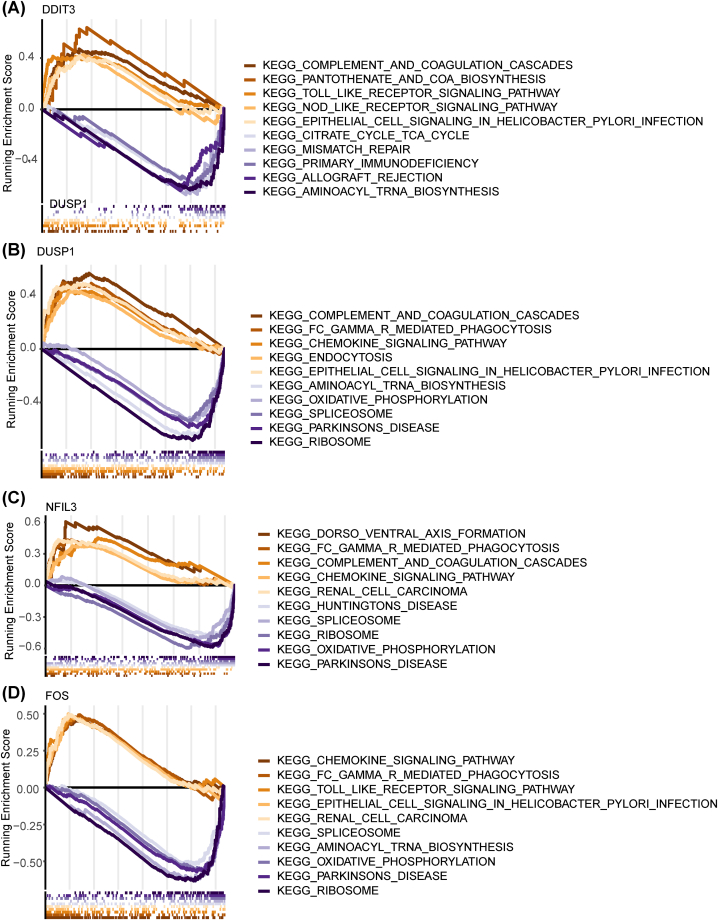
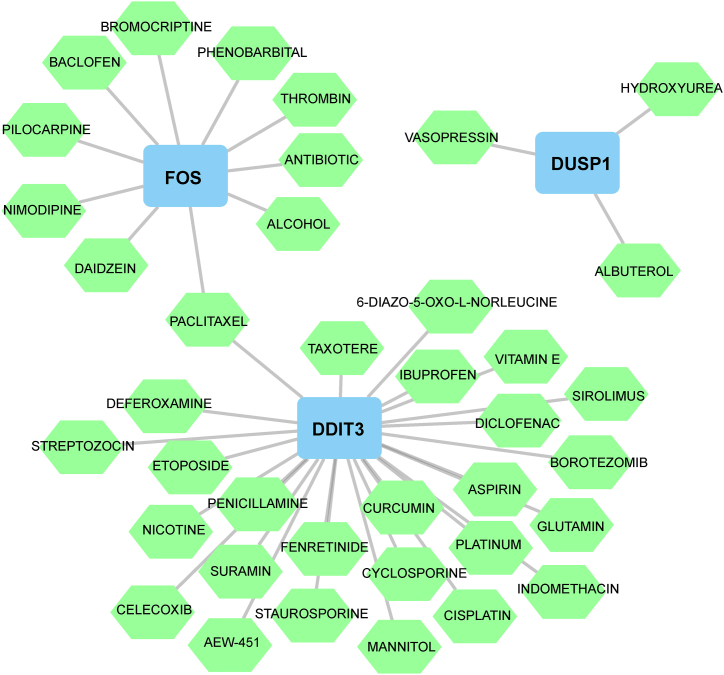
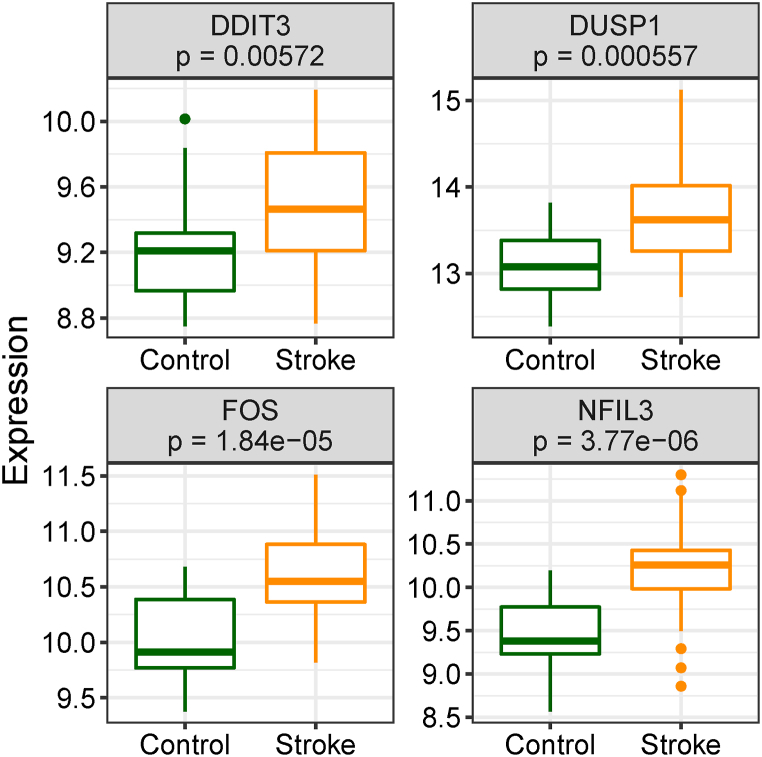
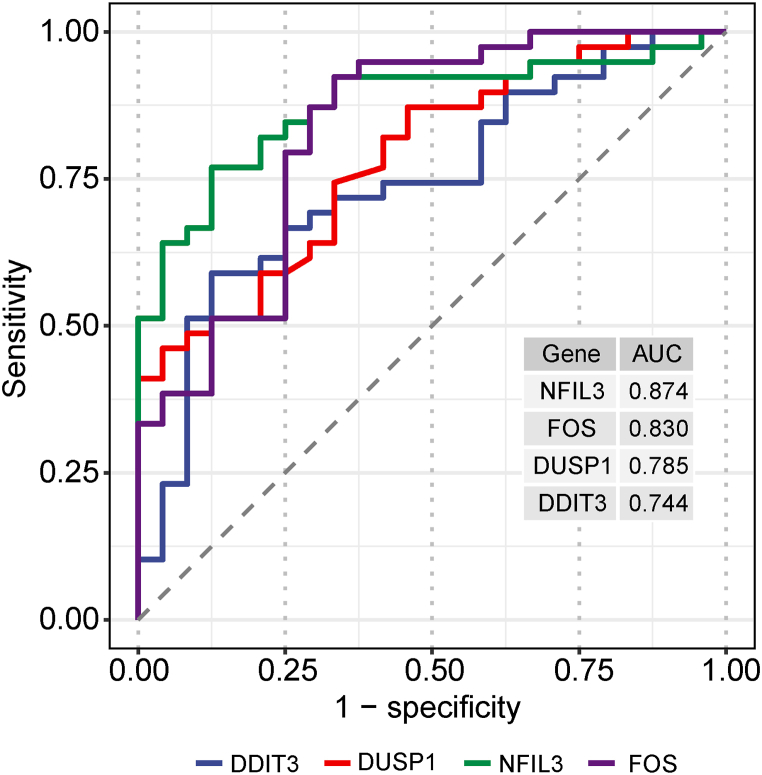
Results: Between the control and IS samples, 4171 DEGs were found. Thereafter, the intersection of hypoxia-related genes and DEGs was conducted to obtain 45 DEHRGs. Ten significantly differentially infiltrated immune cells were found-namely, CD56dim natural killer cells, activated CD8 T cells, activated dendritic cells, activated B cells, central memory CD8 T cells, effector memory CD8 T cells, natural killer cells, gamma delta T cells, plasmacytoid dendritic cells, and neutrophils-between IS and control samples. Subsequently, we identified 27 immune-related DEHRGs through the intersection of DEHRGs and genes in important modules of WGCNA. The immune-related DEHRGs were primarily enriched in response to hypoxia, cellular polysaccharide metabolic process, response to decreased oxygen levels, polysaccharide metabolic process, lipid and atherosclerosis, and HIF-1 signaling pathway H. Using MCODE, FOS, DDIT3, DUSP1, and NFIL3 were found to be hub genes. In the validation cohort and training set, the AUC values of the diagnostic model were 0.9188034 and 0.9395085, respectively.
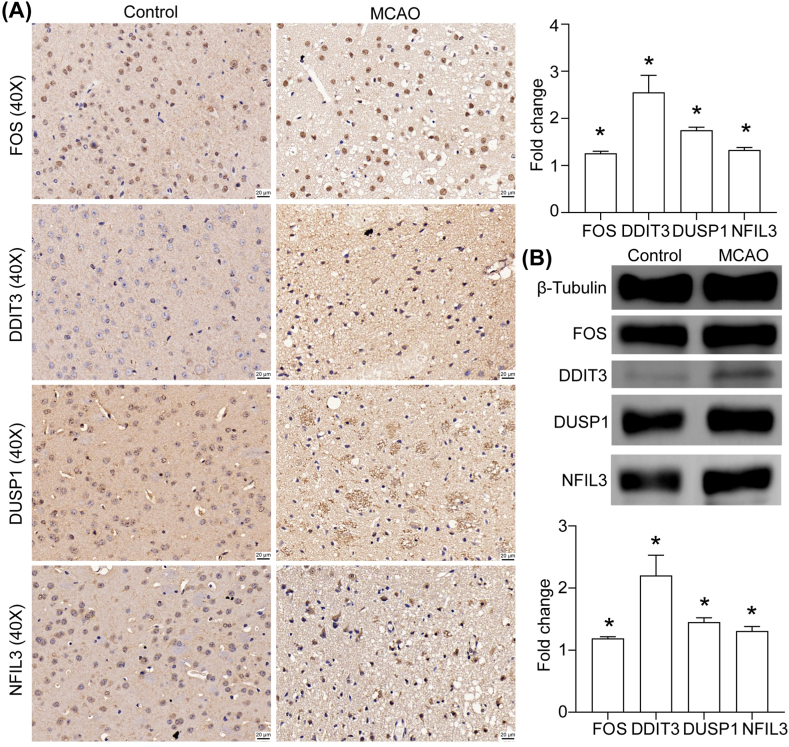
Conclusion: In brief, we identified and validated four hub genes-FOS, DDIT3, DUSP1, and NFIL3-which might be involved in the pathological development of IS, potentially providing novel perspectives for the diagnosis and treatment of IS.
Keywords: Hub gene; Hypoxia-related genes; Immune cell infiltration; Immune microenvironment; Ischemic stroke.
© 2024 The Authors.
Conflict of interest statement
The authors declare that they have no known competing financial interests or personal relationships that could have appeared to influence the work reported in this paper.
Figures
References
-
- Tadi P., Lui F. Acute stroke, in StatPearls. StatPearls Publishing Copyright © 2023, StatPearls Publishing LLC.: Treasure Island (FL) ineligible companies. Disclosure: Forshing Lui declares no relevant financial relationships with ineligible companies. 2023
-
- Katan M., Luft A. Global burden of stroke. Semin Neurol. 2018;38(2):208–211. - PubMed
-
- Amarenco P., et al. Classification of stroke subtypes. Cerebrovasc Dis. 2009;27(5):493–501. - PubMed
LinkOut - more resources
Full Text Sources
Research Materials
Miscellaneous
