


An Engineered M13 Filamentous Nanoparticle as an Antigen Carrier for a Malignant Melanoma Immunotherapeutic Strategy
- PMID: 38400008
- PMCID: PMC10893169
- DOI: 10.3390/v16020232
An Engineered M13 Filamentous Nanoparticle as an Antigen Carrier for a Malignant Melanoma Immunotherapeutic Strategy
Abstract
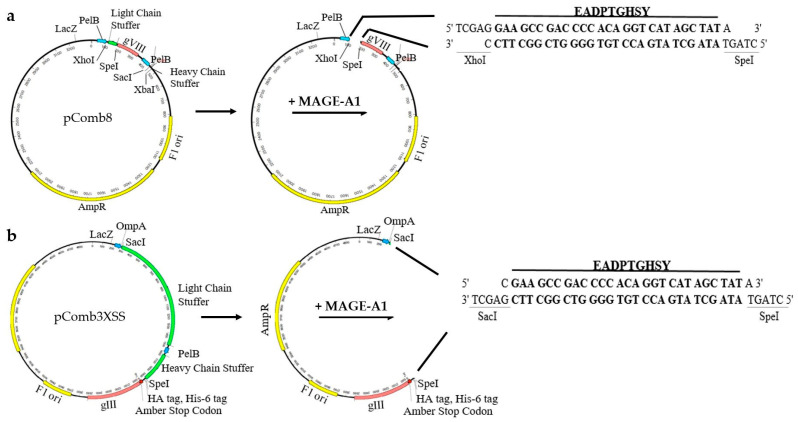
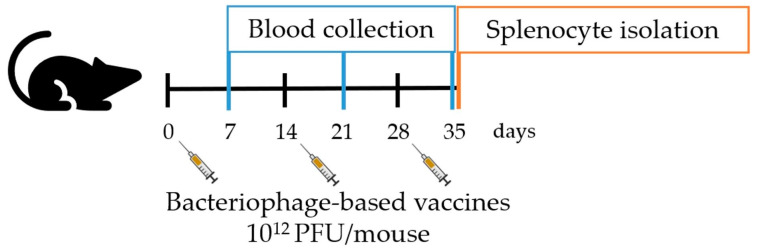
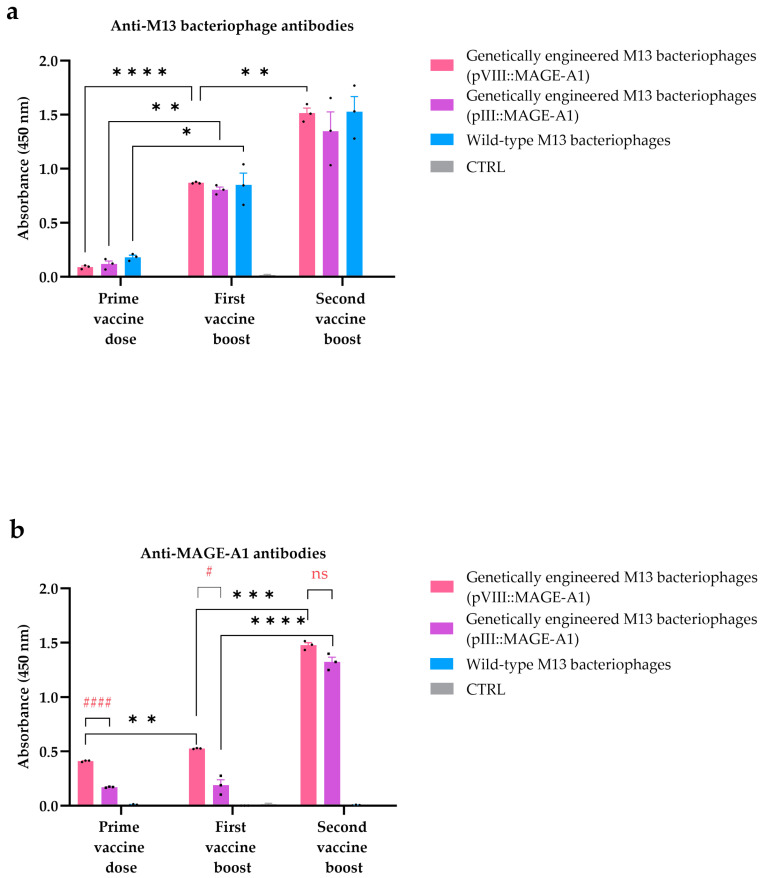
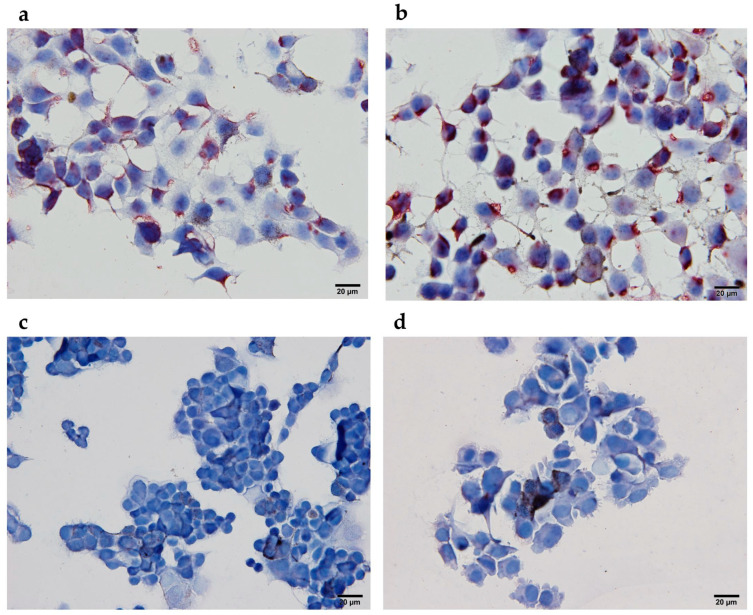
Bacteriophages, prokaryotic viruses, hold great potential in genetic engineering to open up new avenues for vaccine development. Our study aimed to establish engineered M13 bacteriophages expressing MAGE-A1 tumor peptides as a vaccine for melanoma treatment. Through in vivo experiments, we sought to assess their ability to induce robust immune responses. Using phage display technology, we engineered two M13 bacteriophages expressing MAGE-A1 peptides as fusion proteins with either pVIII or pIIII coat proteins. Mice were intraperitoneally vaccinated three times, two weeks apart, using two different engineered bacteriophages; control groups received a wild-type bacteriophage. Serum samples taken seven days after each vaccination were analyzed by ELISA assay, while splenocytes harvested seven days following the second boost were evaluated by ex vivo cytotoxicity assay. Fusion proteins were confirmed by Western blot and nano-LC-MS/MS. The application of bacteriophages was safe, with no adverse effects on mice. Engineered bacteriophages effectively triggered immune responses, leading to increased levels of anti-MAGE-A1 antibodies in proportion to the administered bacteriophage dosage. Anti-MAGE-A1 antibodies also exhibited a binding capability to B16F10 tumor cells in vitro, as opposed to control samples. Splenocytes demonstrated enhanced CTL cytotoxicity against B16F10 cells. We have demonstrated the immunogenic capabilities of engineered M13 bacteriophages, emphasizing their potential for melanoma immunotherapy.
Keywords: bacteriophage-based vaccine; filamentous bacteriophages; malignant melanoma immunotherapy; melanoma-associated antigen; nanoparticles; phage display technology.
Conflict of interest statement
The authors declare no conflicts of interest. The funders had no role in the design of the study; in the collection, analyses, or interpretation of data; in the writing of the manuscript; or in the decision to publish the results.
Figures

References
MeSH terms
Substances
Grants and funding
LinkOut - more resources
Full Text Sources
Medical
