


Paraptotic Cell Death as an Unprecedented Mode of Action Observed for New Bipyridine-Silver(I) Compounds Bearing Phosphane Coligands
- PMID: 38401050
- PMCID: PMC11056982
- DOI: 10.1021/acs.jmedchem.3c01036
Paraptotic Cell Death as an Unprecedented Mode of Action Observed for New Bipyridine-Silver(I) Compounds Bearing Phosphane Coligands
Abstract
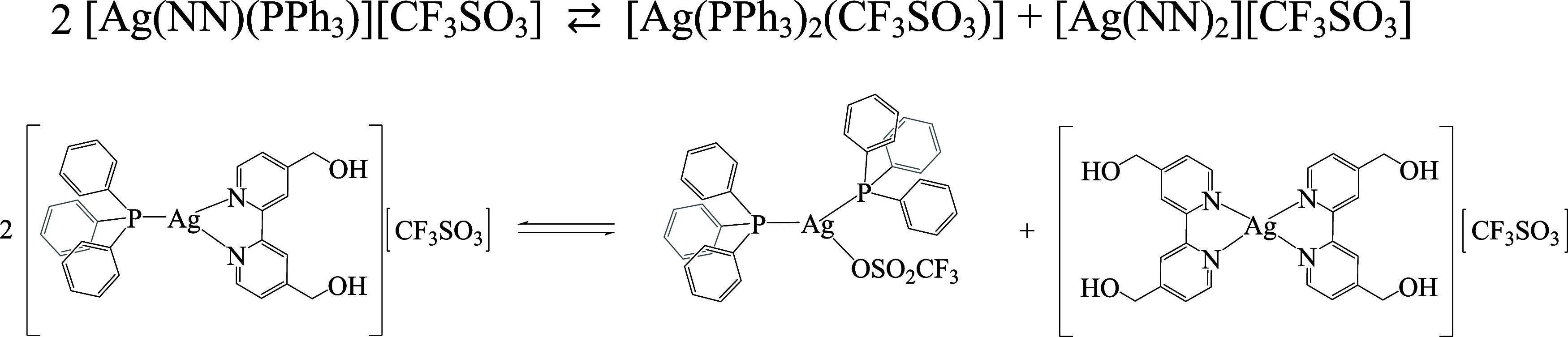
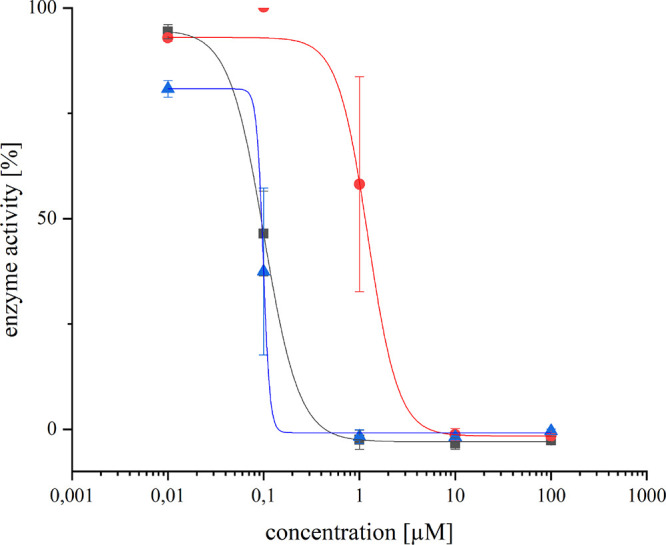
In this work, we investigated the anticancer activity of several novel silver(I) 2,2'-bipyridine complexes containing either triphenylphosphane (PPh3) or 1,2-bis(diphenylphosphino)ethane (dppe) ligands. All compounds were characterized by diverse analytical methods including ESI-MS spectrometry; NMR, UV-vis, and FTIR spectroscopies; and elemental analysis. Moreover, several compounds were also studied by X-ray single-crystal diffraction. Subsequently, the compounds were investigated for their anticancer activity against drug-resistant and -sensitive cancer cells. Noteworthily, neither carboplatin and oxaliplatin resistance nor p53 deletion impacted on their anticancer efficacy. MES-OV cells displayed exceptional hypersensitivity to the dppe-containing drugs. This effect was not based on thioredoxin reductase inhibition, enhanced drug uptake, or apoptosis induction. In contrast, dppe silver drugs induced paraptosis, a novel recently described form of programmed cell death. Together with the good tumor specificity of this compound's class, this work suggests that dppe-containing silver complexes could be interesting drug candidates for the treatment of resistant ovarian cancer.
Conflict of interest statement
The authors declare no competing financial interest.
Figures






References
Publication types
MeSH terms
Substances
Grants and funding
LinkOut - more resources
Full Text Sources
Research Materials
Miscellaneous
