This is a preprint.
Deficits in proactive avoidance and neural responses to drinking motives in problem drinkers
- PMID: 38405986
- PMCID: PMC10889056
- DOI: 10.21203/rs.3.rs-3924584/v1
Deficits in proactive avoidance and neural responses to drinking motives in problem drinkers
Update in
-
Neural correlates of proactive avoidance deficits and alcohol use motives in problem drinking.Transl Psychiatry. 2024 Aug 21;14(1):336. doi: 10.1038/s41398-024-03039-y. Transl Psychiatry. 2024. PMID: 39168986 Free PMC article.
Abstract
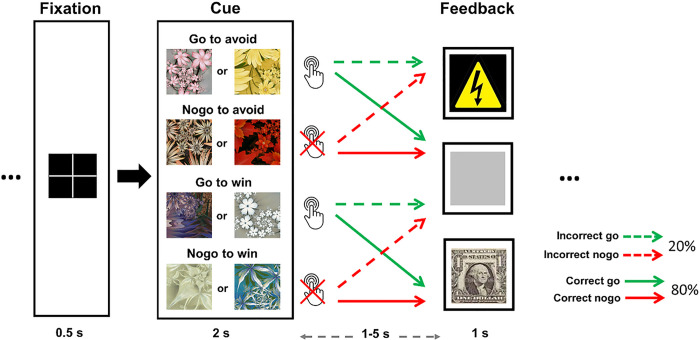
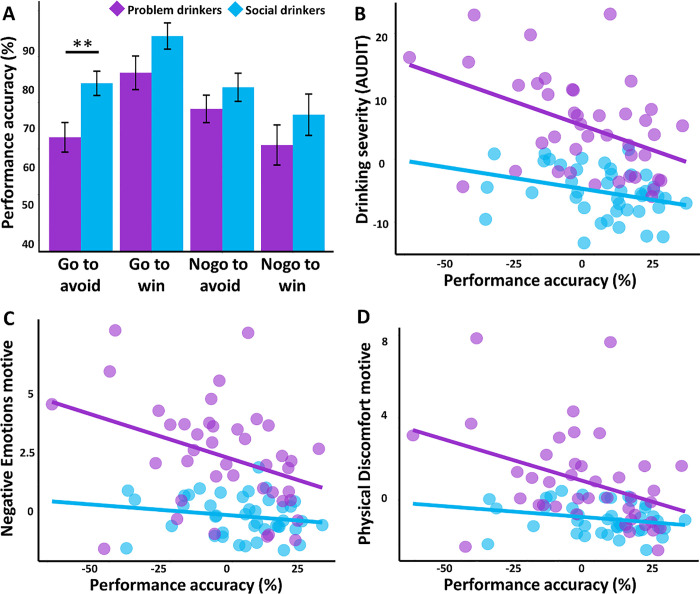
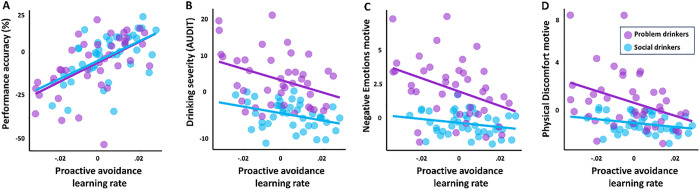
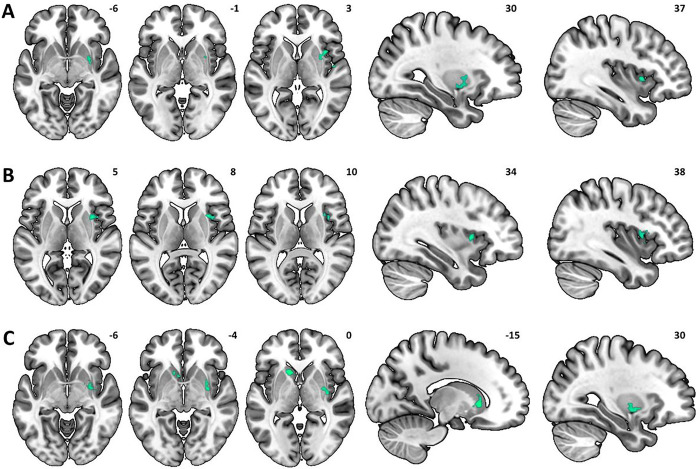
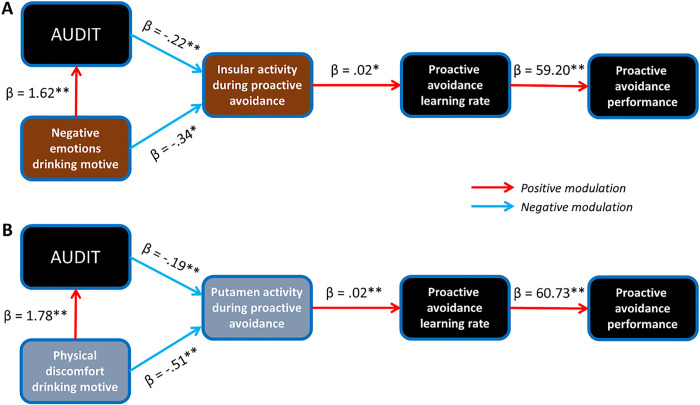
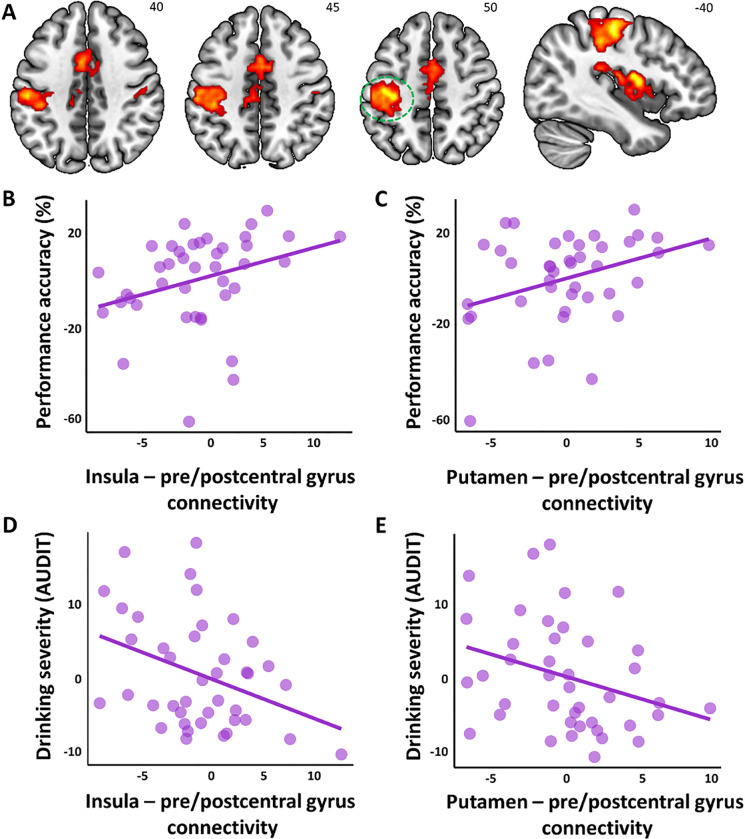
Physical pain and negative emotions represent two distinct drinking motives that contribute to harmful alcohol use. Proactive avoidance which can reduce problem drinking in response to these motives appears to be impaired in problem drinkers. However, proactive avoidance and its underlying neural deficits have not been assessed experimentally. How these deficits inter-relate with drinking motives to influence alcohol use also remains unclear. The current study leveraged neuroimaging data collected in forty-one problem and forty-one social drinkers who performed a probabilistic learning go/nogo task that involved proactive avoidance of painful outcomes. We characterized the regional brain responses to proactive avoidance and identified the neural correlates of drinking to avoid physical pain and negative emotions. Behavioral results confirmed problem drinkers' proactive avoidance deficits in learning rate and performance accuracy, both which were associated with greater alcohol use. Imaging findings in problem drinkers showed that negative emotions as a drinking motive predicted attenuated right insula activation during proactive avoidance. In contrast, physical pain motive predicted reduced right putamen response. These regions' activations as well as functional connectivity with the somatomotor cortex also demonstrated a negative relationship with drinking severity and positive relationship with proactive avoidance performance. Path modeling further delineated the pathways through which physical pain and negative emotions, along with alcohol use severity, influenced the neural and behavioral measures of proactive avoidance. Taken together, the current findings provide experimental evidence for proactive avoidance deficits in problem drinkers and establish the link between their neural underpinnings and alcohol misuse.
Conflict of interest statement
Competing Interests: The authors declare no conflicts of interest.
Figures
References
-
- Moos RH, Brennan PL, Fondacaro MR, Moos BS. Approach and avoidance coping responses among older problem and nonproblem drinkers. Psychol Aging 1990; 5: 31–40. - PubMed
-
- Hasking P, Lyvers M, Carlopio C. The relationship between coping strategies, alcohol expectancies, drinking motives and drinking behaviour. Addict Behav 2011; 36: 479–487. - PubMed
-
- Townshend JM, Duka T. Avoidance of alcohol-related stimuli in alcohol-dependent inpatients. Alcohol Clin Exp Res 2007; 31: 1349–1357. - PubMed
-
- Stormark KM, Field NP, Hugdahl K, Horowitz M. Selective processing of visual alcohol cues in abstinent alcoholics: An approach-avoidance conflict? Addict Behav 1997; 22: 509–519. - PubMed
-
- Chung T, Langenbucher J, Labouvie E, Pandina RJ, Moos RH. Changes in alcoholic patients’ coping responses predict 12-month treatment outcomes. J Consult Clin Psychol 2001; 69: 92–100. - PubMed
Publication types
Grants and funding
LinkOut - more resources
Full Text Sources