


Conceptual design of a generic data harmonization process for OMOP common data model
- PMID: 38408983
- PMCID: PMC10895818
- DOI: 10.1186/s12911-024-02458-7
Conceptual design of a generic data harmonization process for OMOP common data model
Abstract
Background: To gain insight into the real-life care of patients in the healthcare system, data from hospital information systems and insurance systems are required. Consequently, linking clinical data with claims data is necessary. To ensure their syntactic and semantic interoperability, the Observational Medical Outcomes Partnership (OMOP) Common Data Model (CDM) from the Observational Health Data Sciences and Informatics (OHDSI) community was chosen. However, there is no detailed guide that would allow researchers to follow a generic process for data harmonization, i.e. the transformation of local source data into the standardized OMOP CDM format. Thus, the aim of this paper is to conceptualize a generic data harmonization process for OMOP CDM.
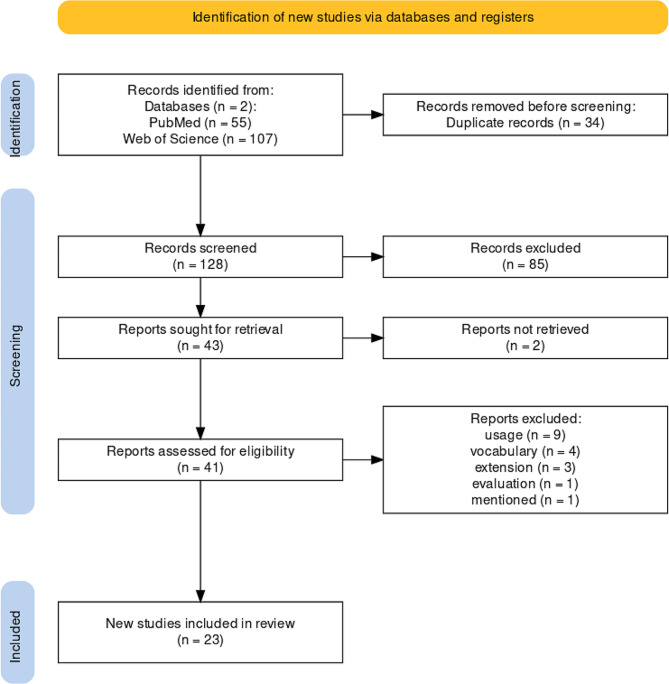
Methods: For this purpose, we conducted a literature review focusing on publications that address the harmonization of clinical or claims data in OMOP CDM. Subsequently, the process steps used and their chronological order as well as applied OHDSI tools were extracted for each included publication. The results were then compared to derive a generic sequence of the process steps.
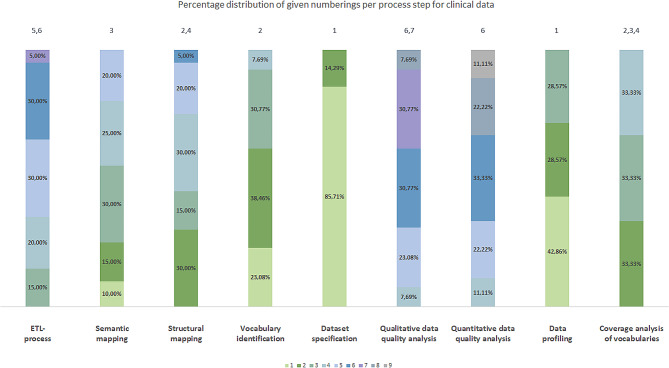
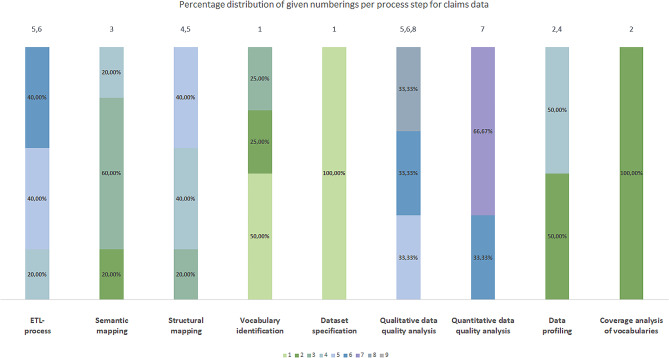
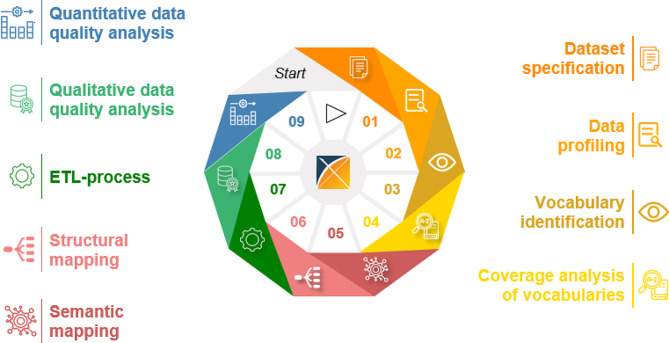
Results: From 23 publications included, a generic data harmonization process for OMOP CDM was conceptualized, consisting of nine process steps: dataset specification, data profiling, vocabulary identification, coverage analysis of vocabularies, semantic mapping, structural mapping, extract-transform-load-process, qualitative and quantitative data quality analysis. Furthermore, we identified seven OHDSI tools which supported five of the process steps.
Conclusions: The generic data harmonization process can be used as a step-by-step guide to assist other researchers in harmonizing source data in OMOP CDM.
Keywords: Claims data; Clinical data; Data harmonization; Interoperability; OHDSI; OMOP.
© 2024. The Author(s).
Conflict of interest statement
The authors declare no competing interests.
Figures


References
-
- Thun S, Dewenter H. Syntaktische und semantische Interoperabilität. In: Müller-Mielitz S, Lux T, editors. E-Health-Ökonomie [Internet]. Wiesbaden: Springer Fachmedien; 2017 [cited 2023 Mar 14]. p. 669–82. 10.1007/978-3-658-10788-8_34.
-
- Kumar G, Basri S, Imam AA, Khowaja SA, Capretz LF, Balogun AO. Data harmonization for heterogeneous datasets: a systematic literature review. Appl Sci. 2021;11(17):8275. doi: 10.3390/app11178275. - DOI
Publication types
MeSH terms
LinkOut - more resources
Full Text Sources
Miscellaneous
