


Sleep disorders and associated factors among medical students in the Middle East and North Africa: a systematic review and meta-analysis
- PMID: 38409132
- PMCID: PMC10897338
- DOI: 10.1038/s41598-024-53818-2
Sleep disorders and associated factors among medical students in the Middle East and North Africa: a systematic review and meta-analysis
Abstract
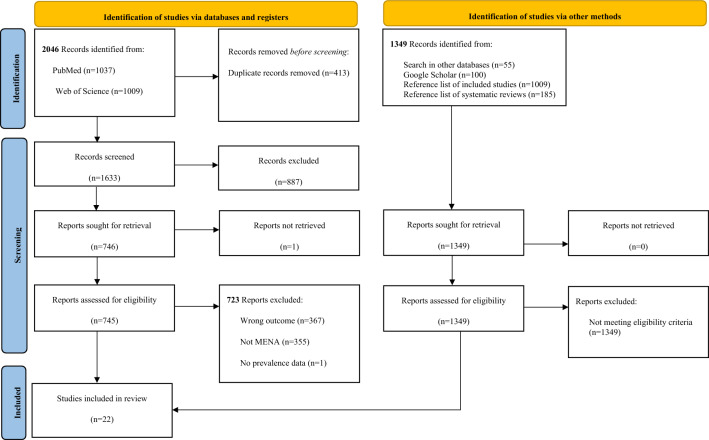
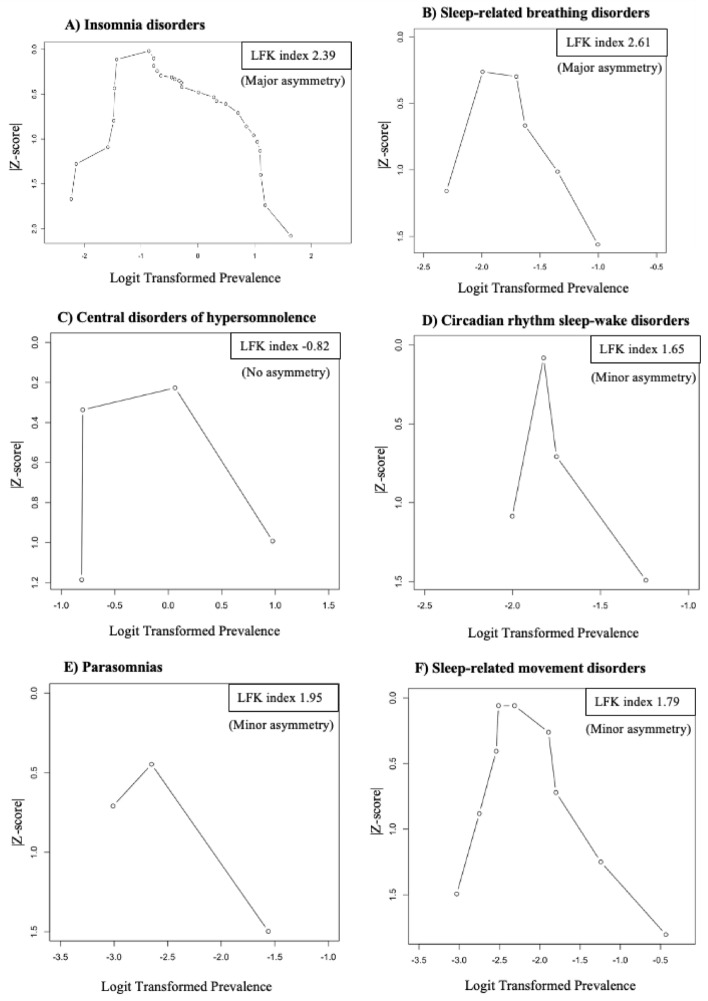
Sleep disturbances like poor and insufficient sleep are common among medical students in the Middle East and North Africa (MENA) countries; however, the extent of medically defined sleep disorders (SDs) remains unclear. This meta-analysis determines SD prevalence and identifies associated factors among medical students in the MENA. PubMed, Web of Science, Google Scholar, and reference lists of included studies were searched (latest search: June 2022). Meta-analyses included 22 studies and were performed using random-effect models. Included studies used self-reported screening tools for assessing SDs and then estimated the proportion of participants at high risk of developing a SD. Central disorders of hypersomnolence were the most prevalent SD [prevalencepooled range: 30.9% (Jordan) to 62.5% (Saudi Arabia)], followed by insomnia disorders [prevalencepooled range: 30.4% (Jordan) to 59.1% (Morocco)], circadian rhythm sleep-wake disorders [prevalencepooled range: 13.5% (Jordan) to 22.4% (Saudi Arabia)], sleep-related breathing disorders [prevalencepooled range: 12.2% (Jordan) to 22.5% (Pakistan)], sleep-related movement disorders [prevalencepooled range: 5.9% (Egypt) to 30.6% (Saudi Arabia)], and parasomnias [prevalencepooled range: 5.6% (Jordan) to 17.4% (Saudi Arabia)]. Female sex, studying in the latter academic years, having anxiety, excessive internet use, and poor academic performance were significantly associated with SDs. SDs are prevalent among MENA medical students. Implementing student-centered interventions targeting high risk groups in medical schools should be considered to improve students' health and wellbeing.
© 2024. The Author(s).
Conflict of interest statement
The authors declare no competing interests.
Figures
References
-
- Sateia MJ. International classification of sleep disorders-third edition: highlights and modifications. Chest. 2014;146(5):1387–1394. - PubMed
-
- Hypersomnia Foundation. International classification of sleep disorders (ICSD) 2022 [Available from: https://www.hypersomniafoundation.org/glossary/international-classificat...
-
- American Academy of Sleep Medicine . The International Classification of Sleep Disorders – Third Edition (ICSD-3) 3. American Academy of Sleep Medicine; 2014.
-
- American Sleep Association. Sleep disorders – ICD-10 codes and names (2015).
-
- Karna B, Sankari A, Tatikonda G. Sleep Disorder. [Updated 2022 Nov 26]. 2022. In: StatPearls. Treasure Island (FL): Karna B, Sankari A, Tatikonda G. Sleep Disorder. [Updated 2022 Jul 19], in StatPearls [Internet]. Treasure Island (FL) (StatPearls Publishing, 2022). Available from: https://www.ncbi.nlm.nih.gov/books/NBK560720/?report=classic. Available from: https://www.ncbi.nlm.nih.gov/books/NBK560720/?report=classic
Publication types
MeSH terms
LinkOut - more resources
Full Text Sources
Medical
Research Materials
