


Evaluation of fifteen processing methods of hellgrammites based on the flavor characteristics
- PMID: 38410265
- PMCID: PMC10894185
- DOI: 10.1007/s13197-023-05850-9
Evaluation of fifteen processing methods of hellgrammites based on the flavor characteristics
Abstract
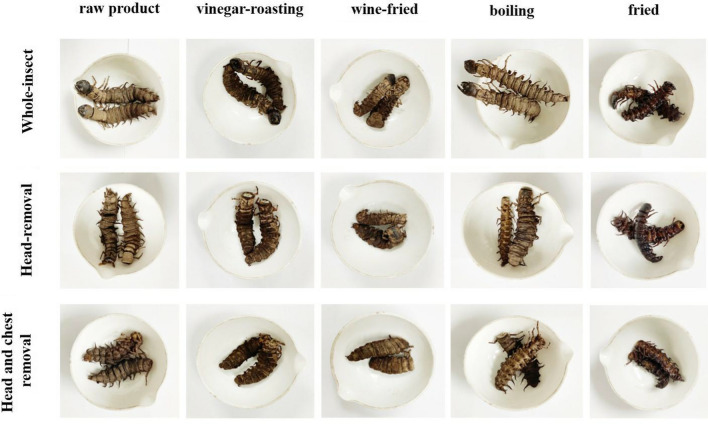
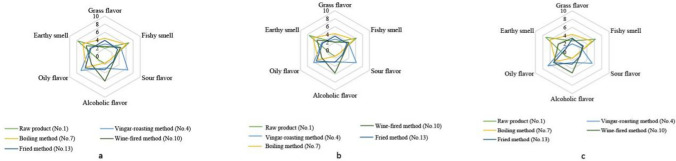
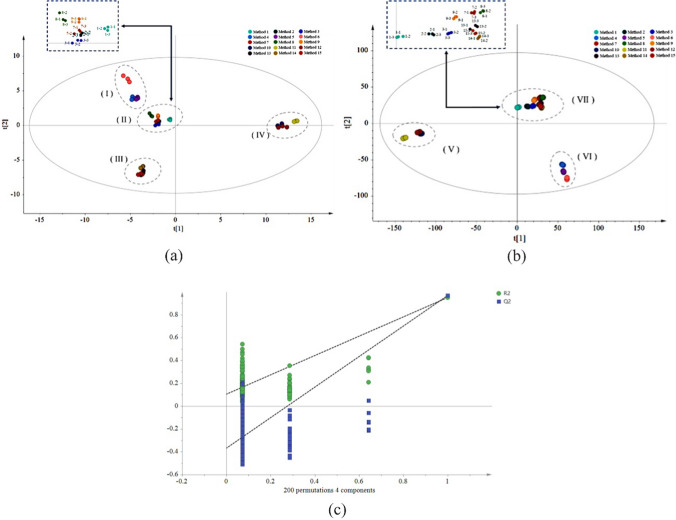
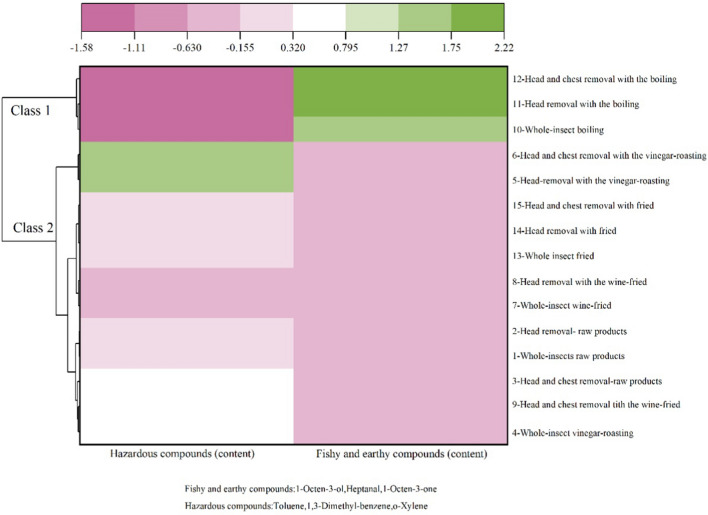
To investigate suitable processing methods for improve the flavor while maintaining quality, hellgrammites were subjected to fifteen different processing methods. The samples were tested by sensory evaluation and were analyzed using HS-SPME-GC-MS. The sensory evaluation revealed that five methods for head and chest removal, three wine-fried methods, and three vinegar-roasting methods significantly reduced the levels of hexanal (3129.05 ± 45.77 μg/kg) and heptanal (436.72 ± 7.42 μg/kg), compounds responsible for fishy and earthy flavors, compared to raw samples. The latter two methods exhibited increased aroma flavor. PCA and OPLS-DA analyses suggested that acids, alcohols, and esters played a crucial role in flavor modification. Notably, vinegar-roasting methods demonstrated the highest acid content and had a substantial impact on volatile compounds. Additionally, boiling methods effectively reduced the levels of hazardous compounds, such as toluene and 1,3-Dimethyl-benzene. However, other methods did not exhibit similar efficacy in reducing hazardous compounds. The accumulation of hazardous compounds showed a decreasing trend in the whole insect, head removal, and head and chest removal groups. Moreover, the relative odor activity value consistently identified aldehyde compounds, including hexanal and heptanal, as the main contributors to aroma. Overall, boiling and head and chest removal procedures were suggested as precautionary measures during the initial processing of hellgrammites-based food products. The vinegar-roasting and wine-fried methods could be employed to impart desired flavors, aligning with consumers' preferences. These findings lay the foundation for standardizing processing techniques and ensuring the quality control of products derived from hellgrammites.
Keywords: Flavor; HS-SPME-GC–MS; Hellgrammites; Processing methods; Volatile components.
© Association of Food Scientists & Technologists (India) 2023. Springer Nature or its licensor (e.g. a society or other partner) holds exclusive rights to this article under a publishing agreement with the author(s) or other rightsholder(s); author self-archiving of the accepted manuscript version of this article is solely governed by the terms of such publishing agreement and applicable law.
Conflict of interest statement
Conflict of interestThe authors declare that they have no known competing financial interests or personal relationships that could have appeared to influence the work reported in this paper.
Figures
References
LinkOut - more resources
Full Text Sources
Miscellaneous