


Spontaneous expression of the CIC::DUX4 fusion oncoprotein from a conditional allele potently drives sarcoma formation in genetically engineered mice
- PMID: 38413794
- PMCID: PMC11027086
- DOI: 10.1038/s41388-024-02984-8
Spontaneous expression of the CIC::DUX4 fusion oncoprotein from a conditional allele potently drives sarcoma formation in genetically engineered mice
Abstract
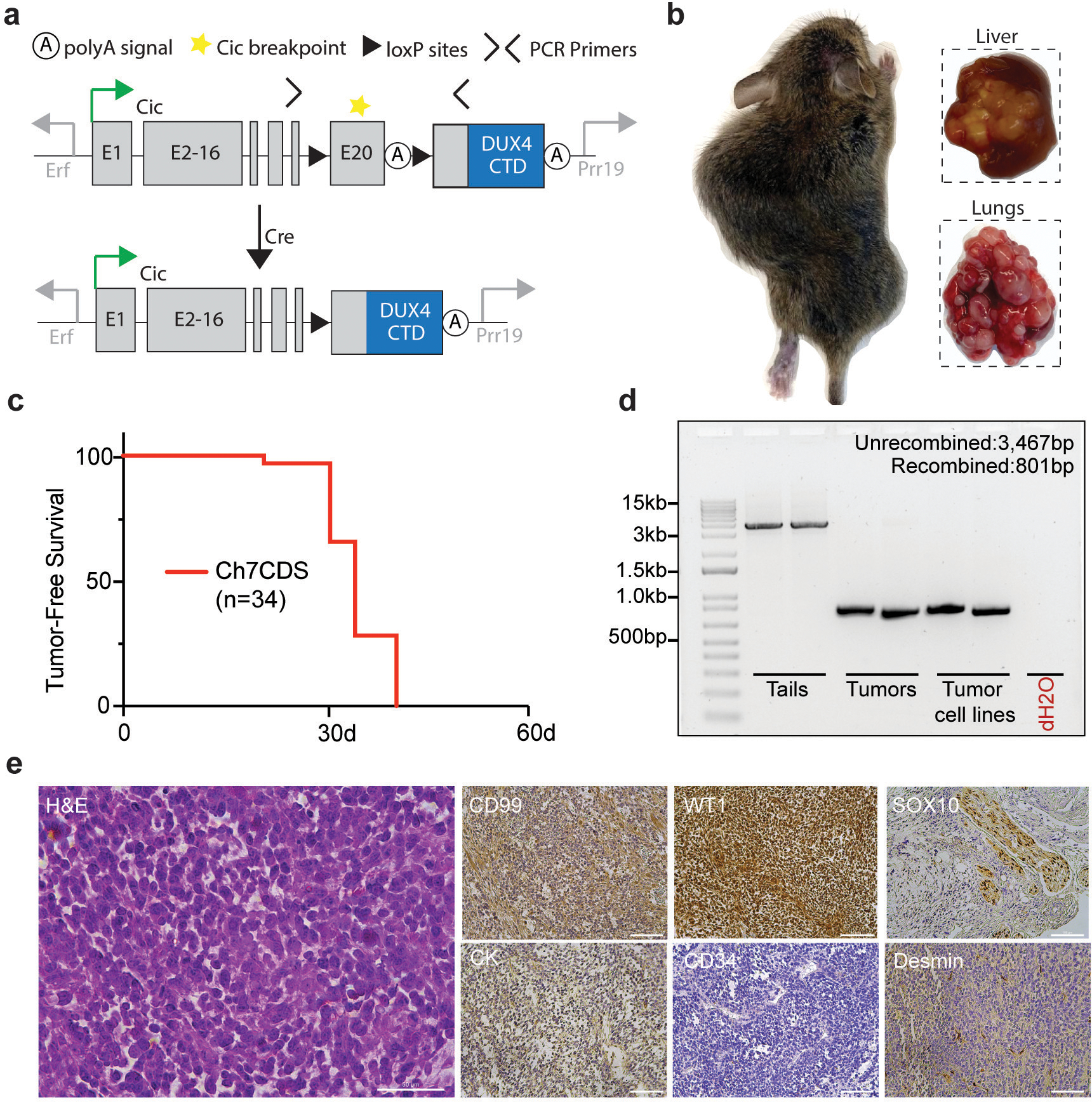
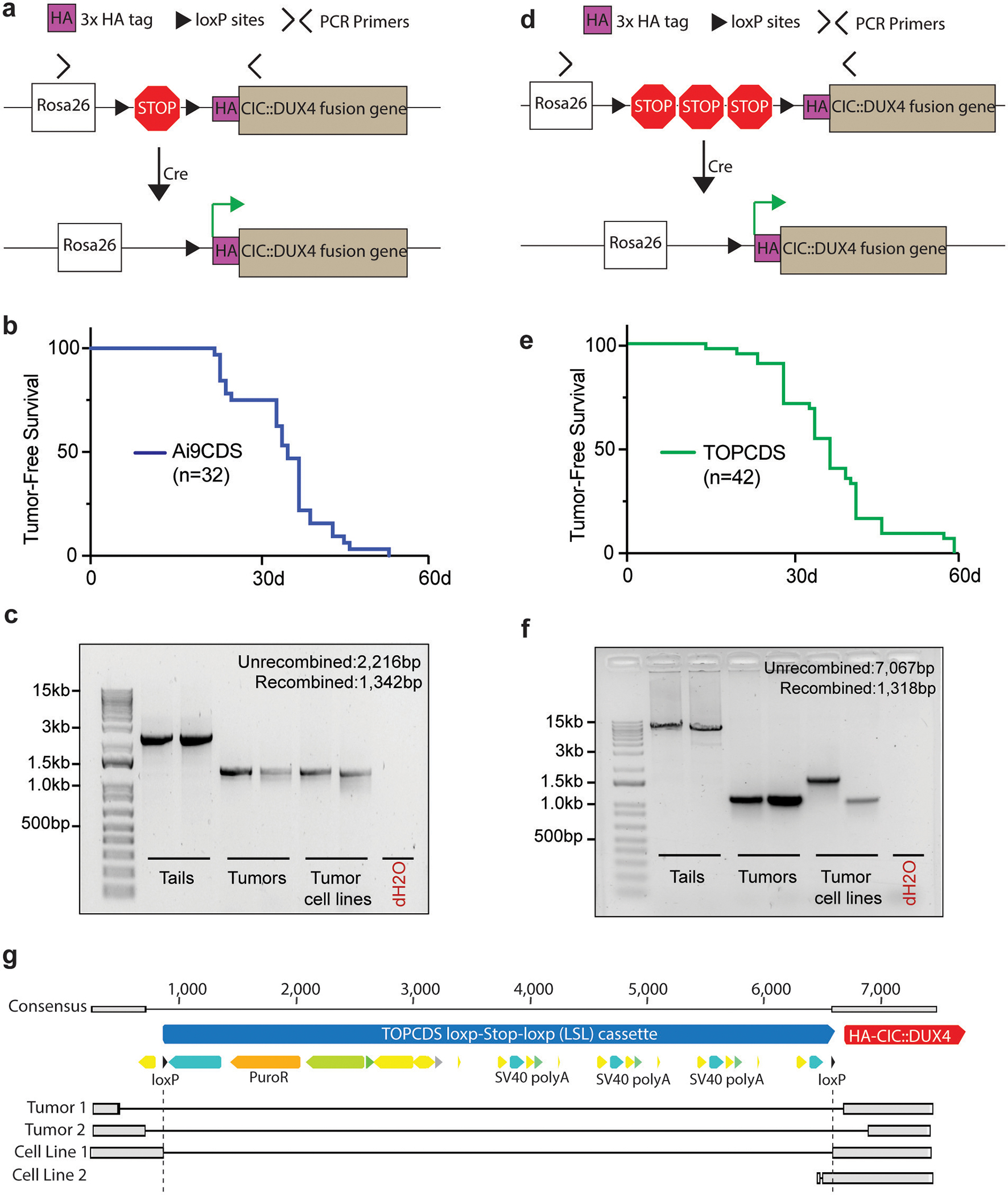
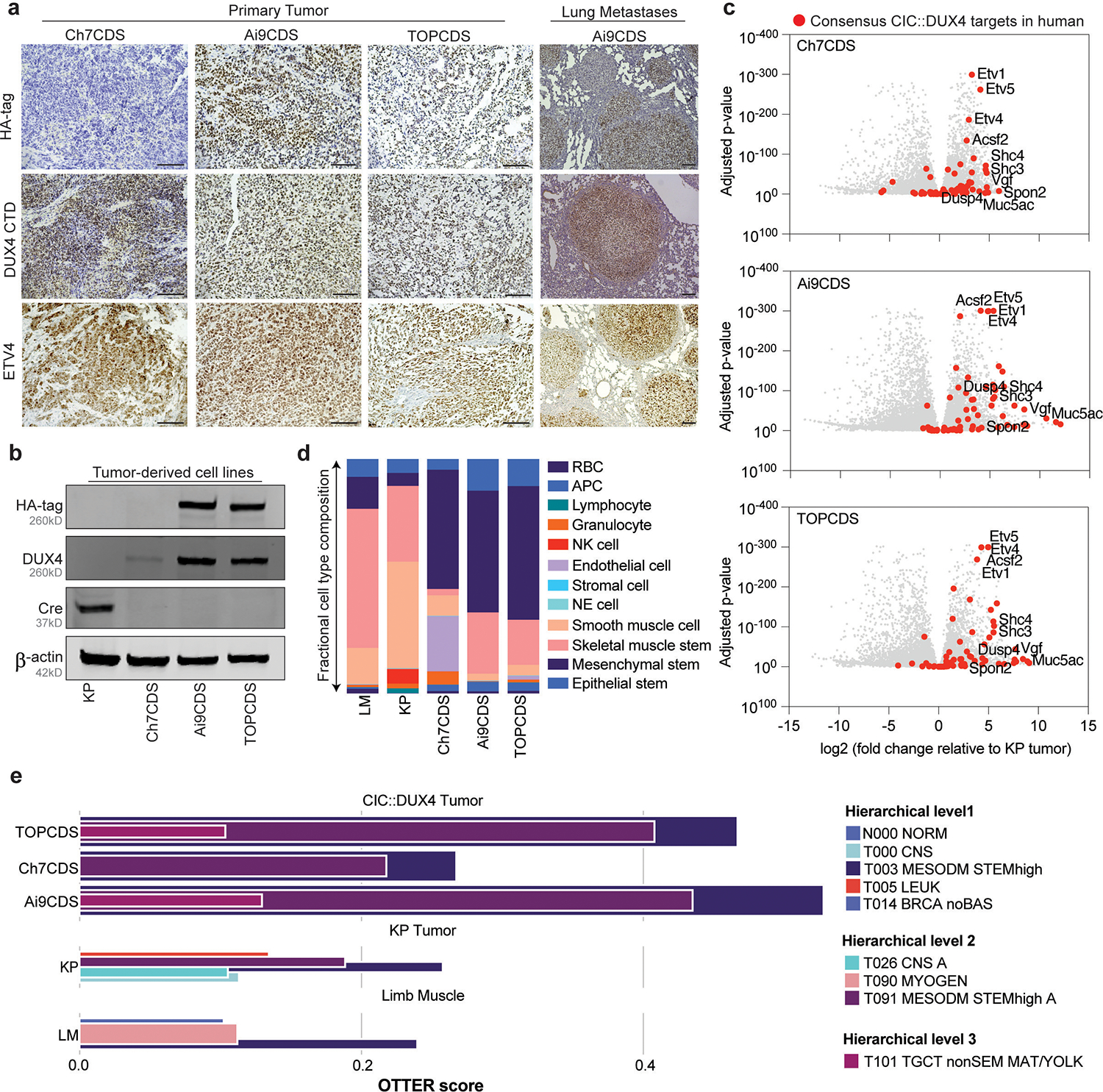
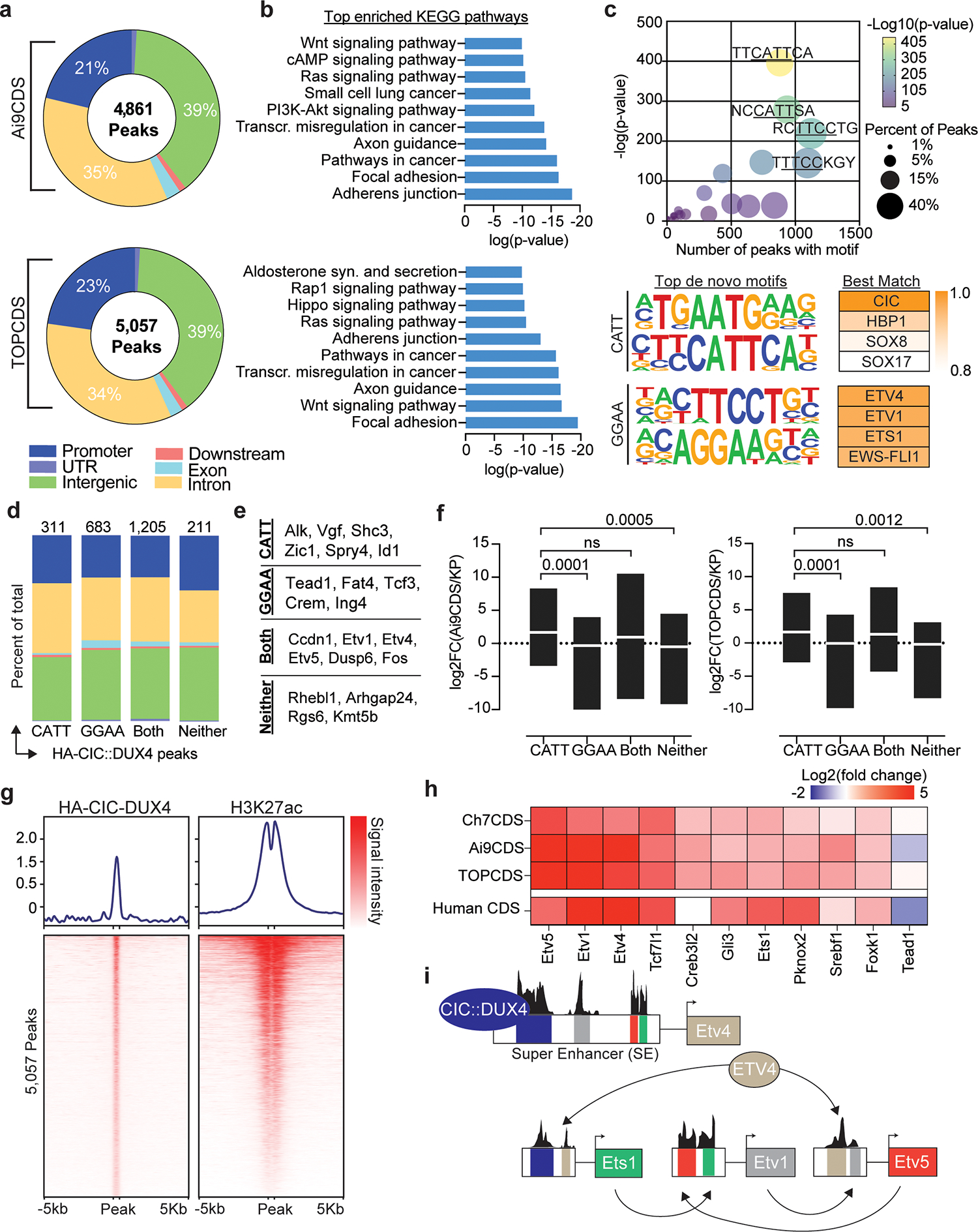
CIC::DUX4 sarcoma (CDS) is a rare but highly aggressive undifferentiated small round cell sarcoma driven by a fusion between the tumor suppressor Capicua (CIC) and DUX4. Currently, there are no effective treatments and efforts to identify and translate better therapies are limited by the scarcity of patient tumor samples and cell lines. To address this limitation, we generated three genetically engineered mouse models of CDS (Ch7CDS, Ai9CDS, and TOPCDS). Remarkably, chimeric mice from all three conditional models developed spontaneous soft tissue tumors and disseminated disease in the absence of Cre-recombinase. The penetrance of spontaneous (Cre-independent) tumor formation was complete irrespective of bi-allelic Cic function and the distance between adjacent loxP sites. Characterization of soft tissue and presumed metastatic tumors showed that they consistently expressed the CIC::DUX4 fusion protein and many downstream markers of the disease credentialing the models as CDS. In addition, tumor-derived cell lines were generated and ChIP-seq was preformed to map fusion-gene specific binding using an N-terminal HA epitope tag. These datasets, along with paired H3K27ac ChIP-sequencing maps, validate CIC::DUX4 as a neomorphic transcriptional activator. Moreover, they are consistent with a model where ETS family transcription factors are cooperative and redundant drivers of the core regulatory circuitry in CDS.
© 2024. The Author(s), under exclusive licence to Springer Nature Limited.
Conflict of interest statement
Additional Information
Conflict of Interest
DGK is a cofounder of and stockholder in XRAD Therapeutics, which is developing radiosensitizers. DGK is a member of the scientific advisory board and owns stock in Lumicell Inc, a company commercializing intraoperative imaging technology. None of these affiliations represents a conflict of interest with respect to the work described in this manuscript. DGK is a coinventor on a patent for a handheld imaging device and is a coinventor on a patent for radiosensitizers. XRAD Therapeutics, Merck, Bristol Myers Squibb, and Varian Medical Systems have provided research support to DGK, but this did not support the research described in this manuscript. The other authors have no conflicting financial interests.
Figures
Update of
-
Expression of the CIC-DUX4 fusion oncoprotein mimics human CIC-rearranged sarcoma in genetically engineered mouse models.bioRxiv [Preprint]. 2023 Sep 28:2023.09.26.559519. doi: 10.1101/2023.09.26.559519. bioRxiv. 2023. Update in: Oncogene. 2024 Apr;43(16):1223-1230. doi: 10.1038/s41388-024-02984-8. PMID: 37808628 Free PMC article. Updated. Preprint.
-
Expression of the CIC-DUX4 fusion oncoprotein mimics human CIC-rearranged sarcoma in genetically engineered mouse models.Res Sq [Preprint]. 2023 Oct 29:rs.3.rs-3487637. doi: 10.21203/rs.3.rs-3487637/v1. Res Sq. 2023. Update in: Oncogene. 2024 Apr;43(16):1223-1230. doi: 10.1038/s41388-024-02984-8. PMID: 37961185 Free PMC article. Updated. Preprint.
References
-
- Yoshimoto M, Graham C, Chilton-MacNeill S, Lee E, Shago M, Squire J et al. Detailed cytogenetic and array analysis of pediatric primitive sarcomas reveals a recurrent CIC-DUX4 fusion gene event. Cancer Genet Cytogenet 2009; 195: 1–11. - PubMed
-
- Kawamura-Saito M, Yamazaki Y, Kaneko K, Kawaguchi N, Kanda H, Mukai H et al. Fusion between CIC and DUX4 up-regulates PEA3 family genes in Ewing-like sarcomas with t(4;19)(q35;q13) translocation. Hum Mol Genet 2006; 15: 2125–2137. - PubMed
MeSH terms
Substances
Grants and funding
LinkOut - more resources
Full Text Sources
Medical
Molecular Biology Databases
Miscellaneous
