


The emerging roles of sphingosine 1-phosphate and SphK1 in cancer resistance: a promising therapeutic target
- PMID: 38419070
- PMCID: PMC10903003
- DOI: 10.1186/s12935-024-03221-8
The emerging roles of sphingosine 1-phosphate and SphK1 in cancer resistance: a promising therapeutic target
Abstract
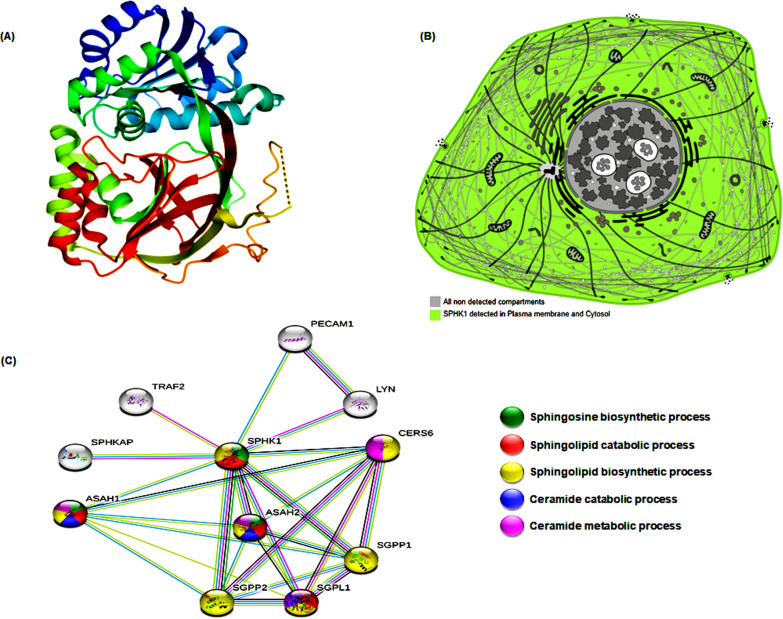
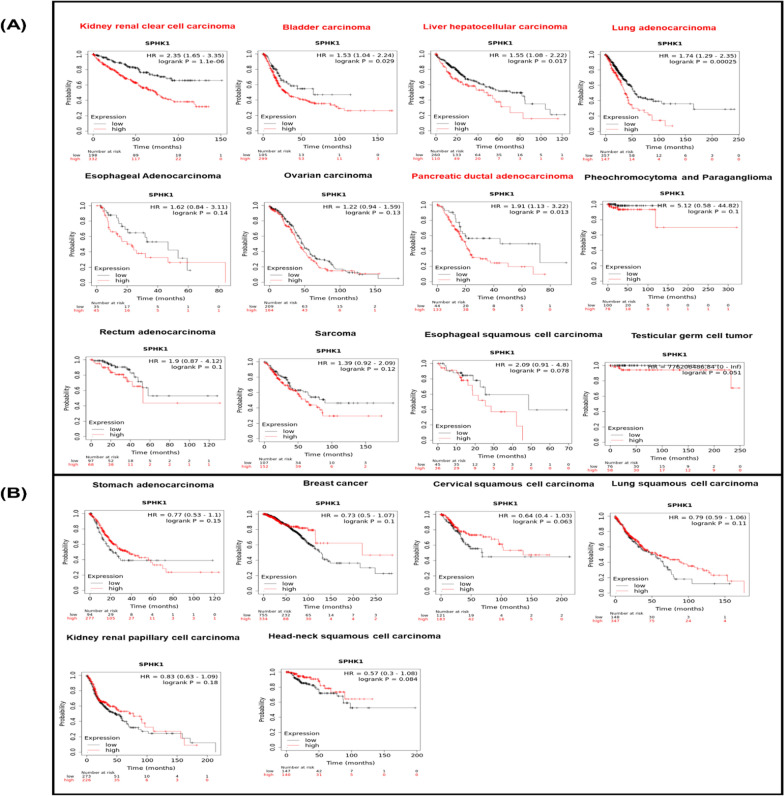
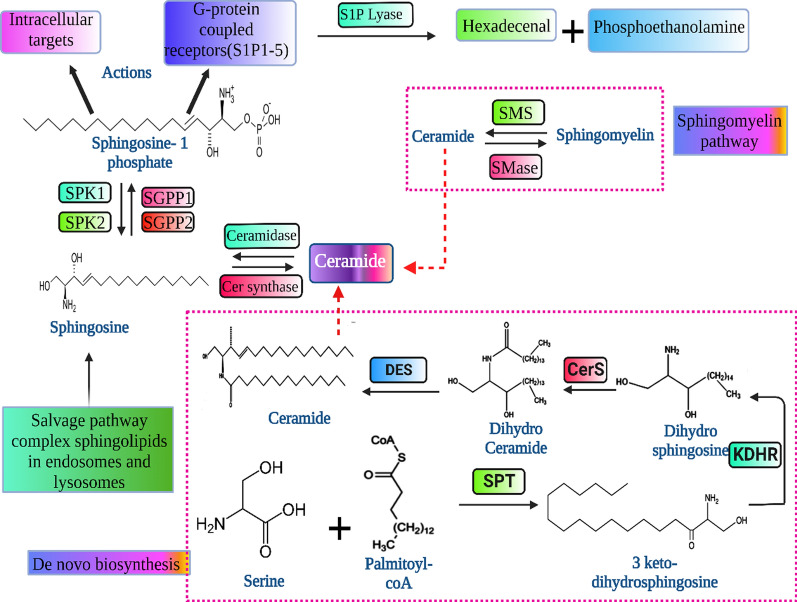
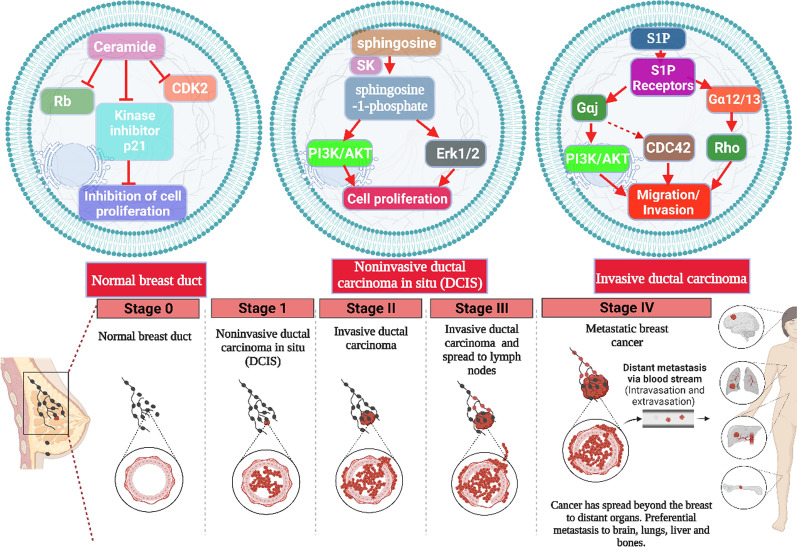
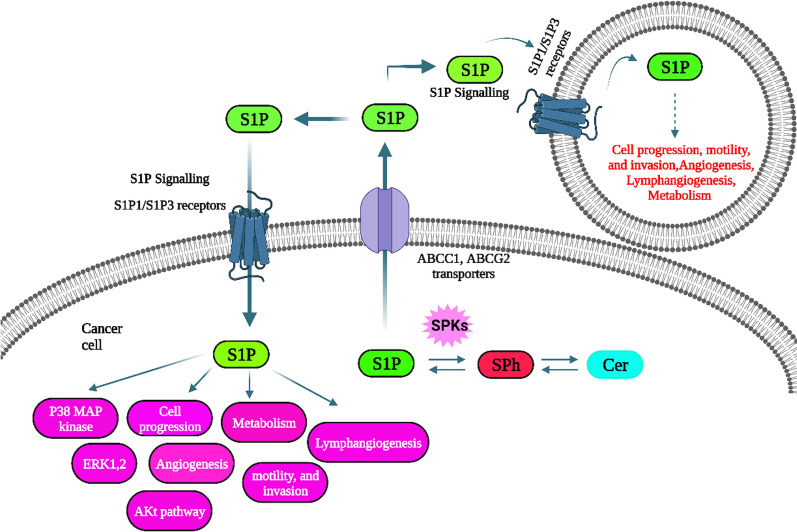
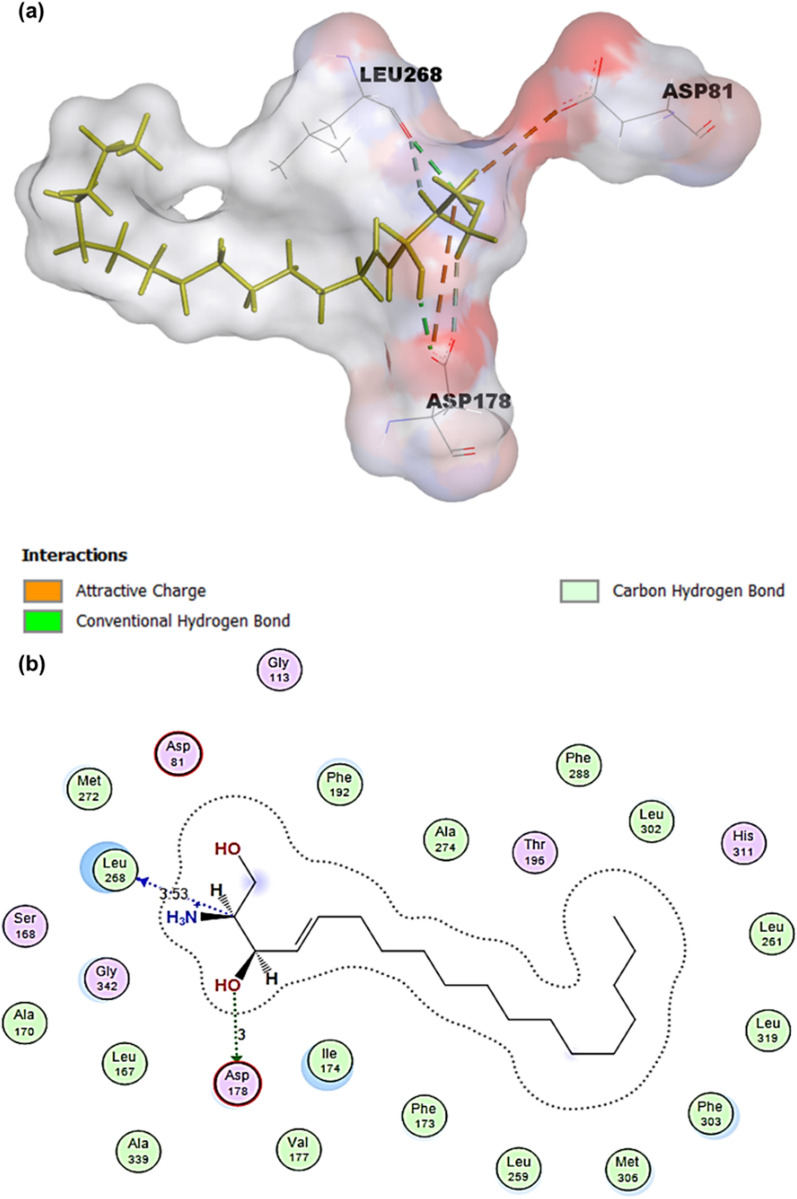
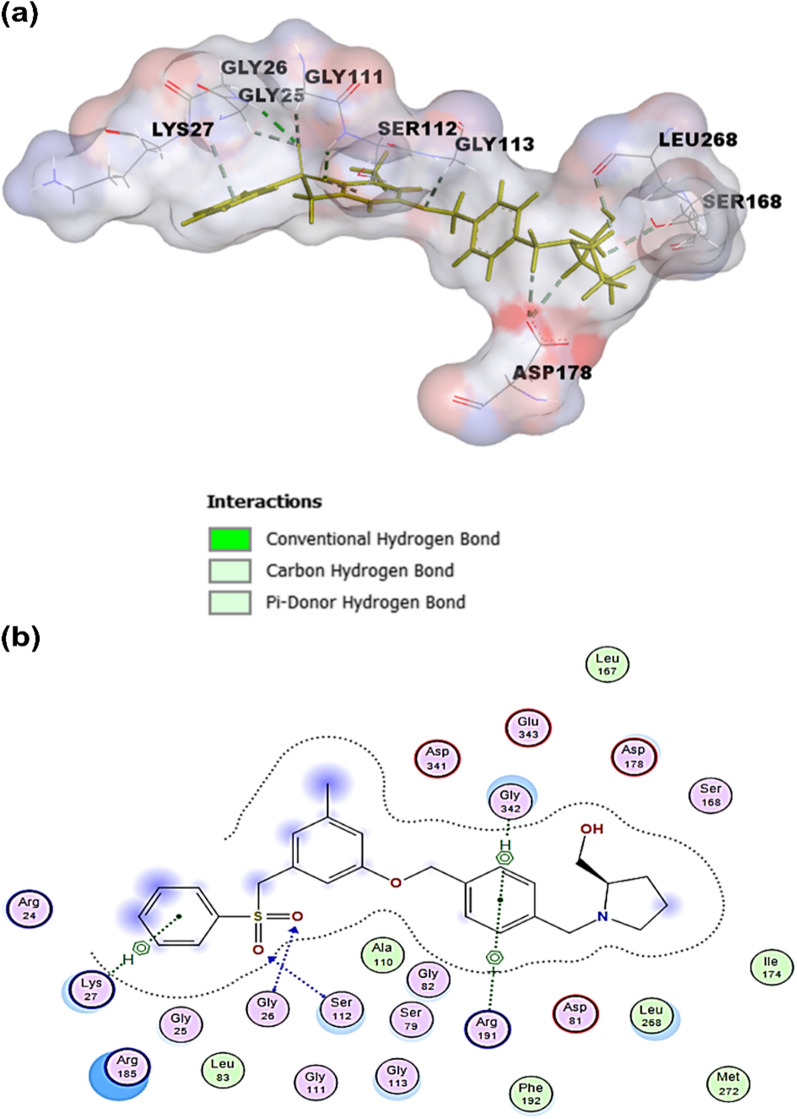
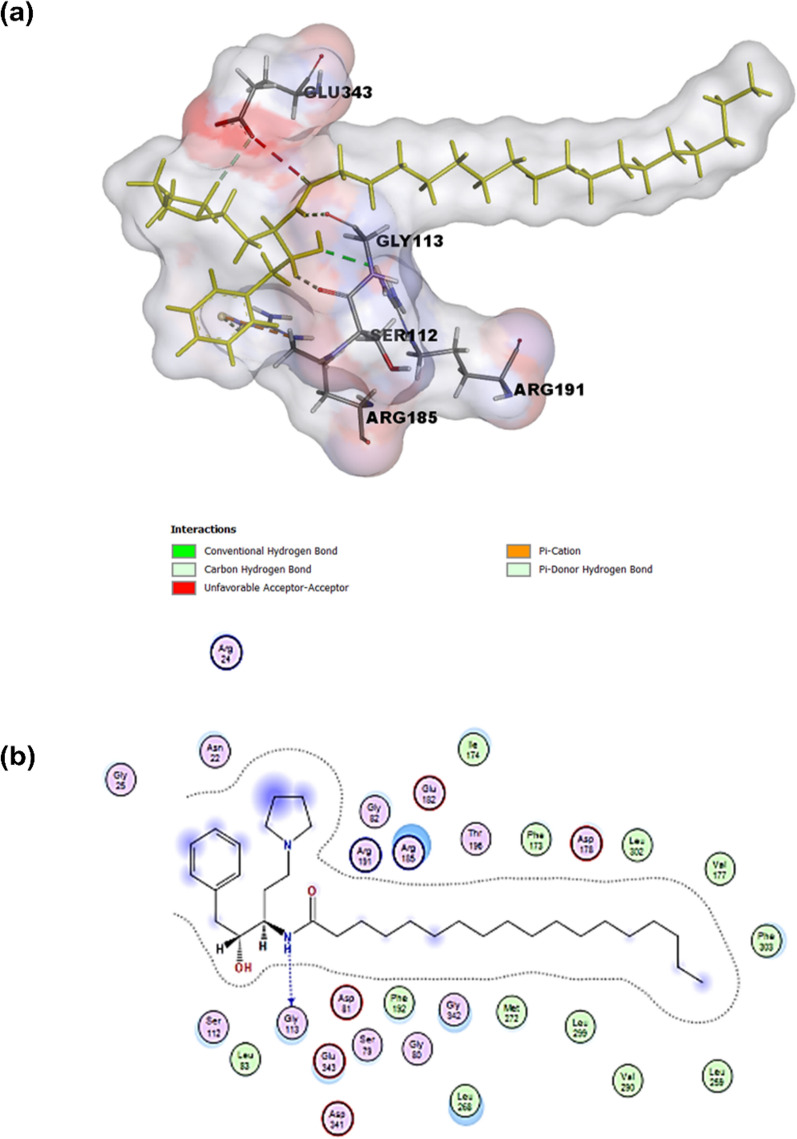
Cancer chemoresistance is a problematic dilemma that significantly restrains numerous cancer management protocols. It can promote cancer recurrence, spreading of cancer, and finally, mortality. Accordingly, enhancing the responsiveness of cancer cells towards chemotherapies could be a vital approach to overcoming cancer chemoresistance. Tumour cells express a high level of sphingosine kinase-1 (SphK1), which acts as a protooncogenic factor and is responsible for the synthesis of sphingosine-1 phosphate (S1P). S1P is released through a Human ATP-binding cassette (ABC) transporter to interact with other phosphosphingolipids components in the interstitial fluid in the tumor microenvironment (TME), provoking communication, progression, invasion, and tumor metastasis. Also, S1P is associated with several impacts, including anti-apoptotic behavior, metastasis, mesenchymal transition (EMT), angiogenesis, and chemotherapy resistance. Recent reports addressed high levels of S1P in several carcinomas, including ovarian, prostate, colorectal, breast, and HCC. Therefore, targeting the S1P/SphK signaling pathway is an emerging therapeutic approach to efficiently attenuate chemoresistance. In this review, we comprehensively discussed S1P functions, metabolism, transport, and signaling. Also, through a bioinformatic framework, we pointed out the alterations of SphK1 gene expression within different cancers with their impact on patient survival, and we demonstrated the protein-protein network of SphK1, elaborating its sparse roles. Furthermore, we made emphasis on different machineries of cancer resistance and the tight link with S1P. We evaluated all publicly available SphK1 inhibitors and their inhibition activity using molecular docking and how SphK1 inhibitors reduce the production of S1P and might reduce chemoresistance, an approach that might be vital in the course of cancer treatment and prognosis.
Keywords: Cancer; Chemoresistance; Recurrence; S1P; SphK1; TME.
© 2024. The Author(s).
Conflict of interest statement
All authors consent to publication. The authors declare that they have no competing interests.
The authors declare that they have no known competing financial interests or personal relationships that could have appeared to influence the work reported in this paper.
Figures
References
-
- Alkafaas SS, Diab T, Shalaby T, Hessien M. Dexamethasone improves the responsiveness of hepatoma cells for both free and solvent containing paclitaxel in vitro. Egypt J Biochem Mol Biol. 2019;37:110.
-
- Elsalahaty MI, Alkafaas SS, Bashir AO, El-Tarabily KA, El-Saadony MT, Yousef EH. Revealing the Association Between Vitamin D Metabolic Pathway Gene Variants and Lung Cancer Risk: A Systematic Review and Meta-Analysis. Front in Genet. 2024;15:1302527. doi: 10.3389/fgene.2024.1302527. - DOI - PMC - PubMed
Publication types
LinkOut - more resources
Full Text Sources
