


Generation of Fel d 1 chain 2 genome-edited cats by CRISPR-Cas9 system
- PMID: 38424152
- PMCID: PMC10904870
- DOI: 10.1038/s41598-024-55464-0
Generation of Fel d 1 chain 2 genome-edited cats by CRISPR-Cas9 system
Abstract
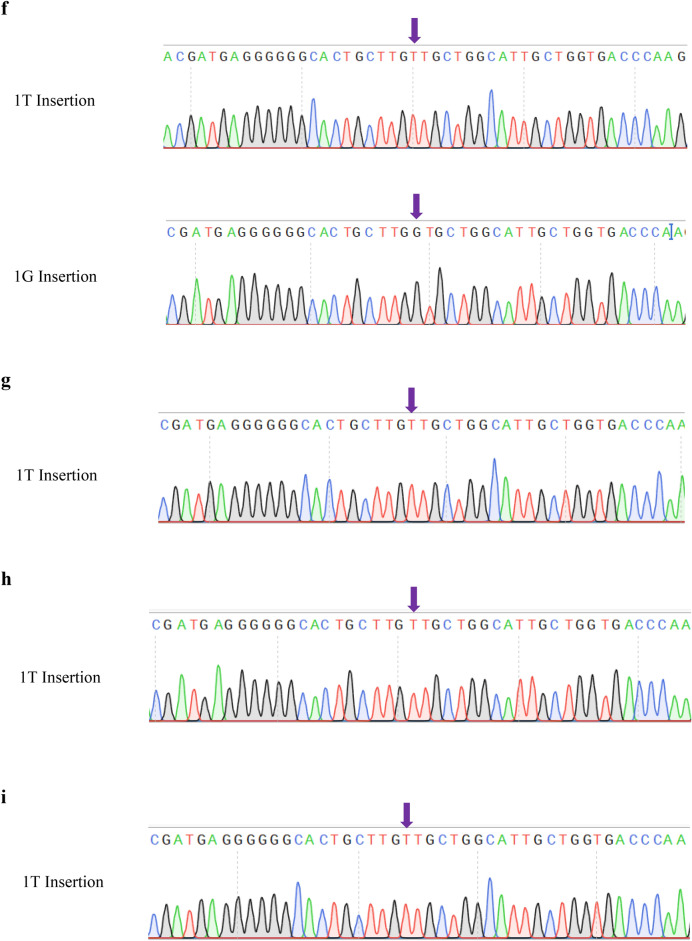
Allergens from domestic cats (Felis catus) cause allergy-related health problems worldwide. Fel d 1 is a major allergen that causes severe allergic reactions in humans, including rhinitis, conjunctivitis, and life-threatening asthma. Therefore, patients with cat allergies anticipate hypoallergenic cats. We successfully generated Fel d 1 chain 2 (CH2) genome-edited cats using the CRISPR-Cas9 system in this study. T7 endonuclease 1 assay and Sanger sequencing were used to confirm the mutation in CH2 genome-edited cats. Fel d 1 level in CH2 genome-edited cats were assessed by enzyme-linked immunosorbent assay (ELISA). Remarkably, ELISA showed that the level of Fel d 1 in the CH2 homozygous genome-edited cat (Name: Alsik) was extremely low compared with that in wild type domestic cats and could be hypoallergenic cats. Additionally, we successfully cloned the CH2 homozygous genome-edited cat using cytoplasm injection clone technology. The cloned CH2 homozygous genome-edited cat was verified using microsatellite analysis. Creating hypoallergenic cats using the CRISPR-Cas9 system is a significant step forward because these cats can safely approach allergic patients.
Keywords: Allergen; CH2; CRISPR-Cas9; Fel d 1; Genome-edited cats; Hypoallergenic cats.
© 2024. The Author(s).
Conflict of interest statement
The authors declare no competing interests.
Figures


References
-
- Pongrácz P, Szapu JS. The socio-cognitive relationship between cats and humans – Companion cats (Felis catus) as their owners see them. Appl. Anim. Behav. Sci. 2018;207:57–66. doi: 10.1016/j.applanim.2018.07.004. - DOI
MeSH terms
Substances
LinkOut - more resources
Full Text Sources
Medical
Research Materials
Miscellaneous
