


Prevalence and Clinical Characteristics of Sleeping Paralysis: A Systematic Review and Meta-Analysis
- PMID: 38425633
- PMCID: PMC10902800
- DOI: 10.7759/cureus.53212
Prevalence and Clinical Characteristics of Sleeping Paralysis: A Systematic Review and Meta-Analysis
Abstract
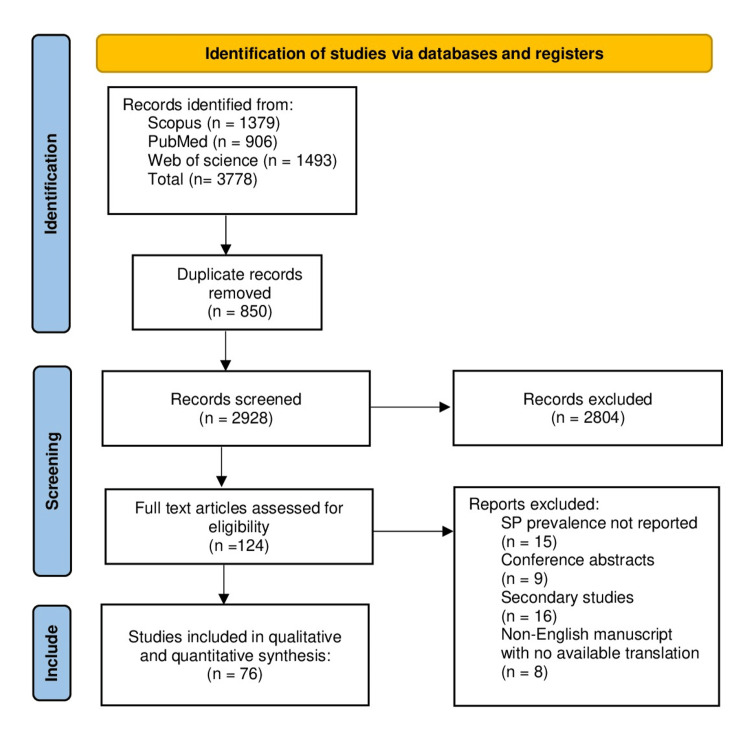
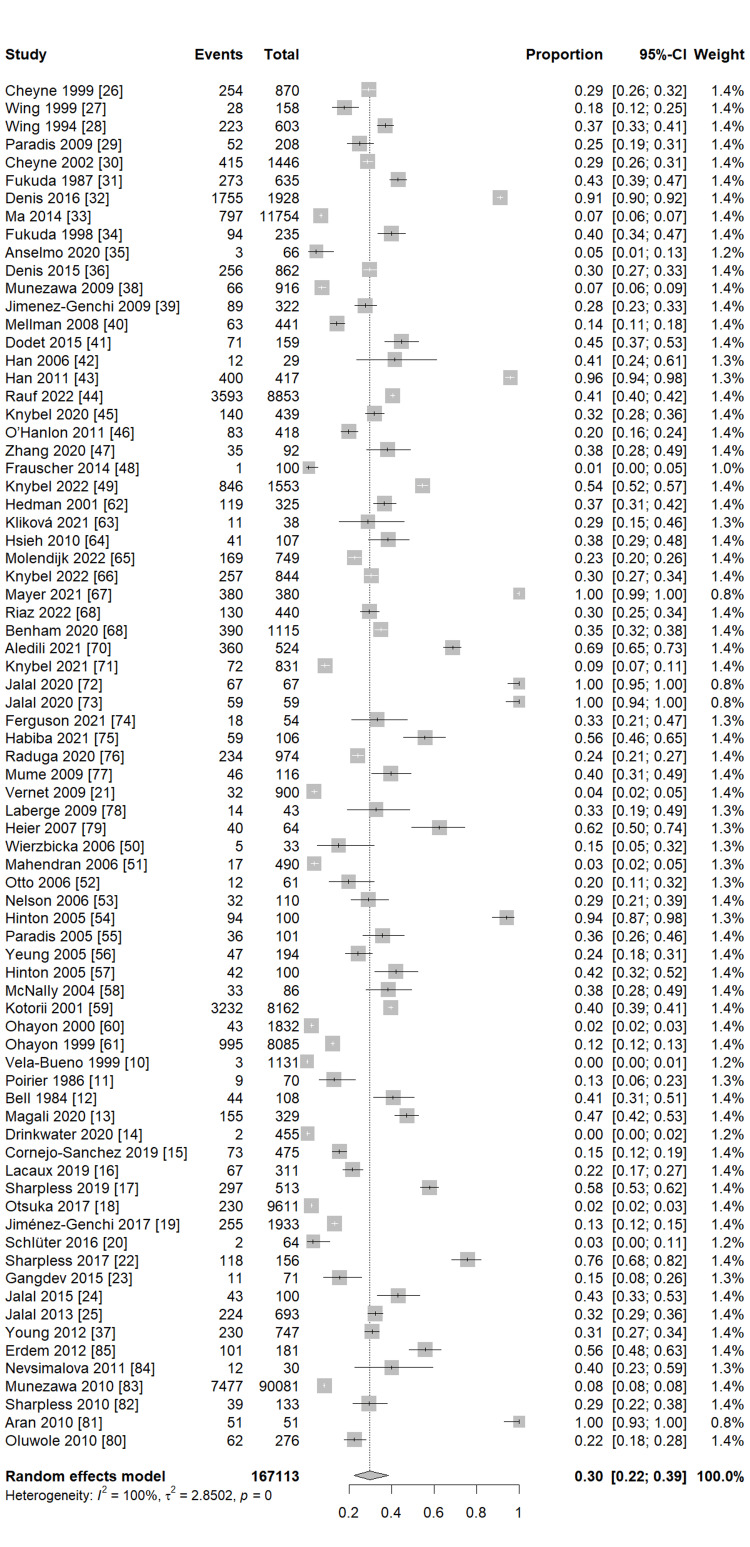
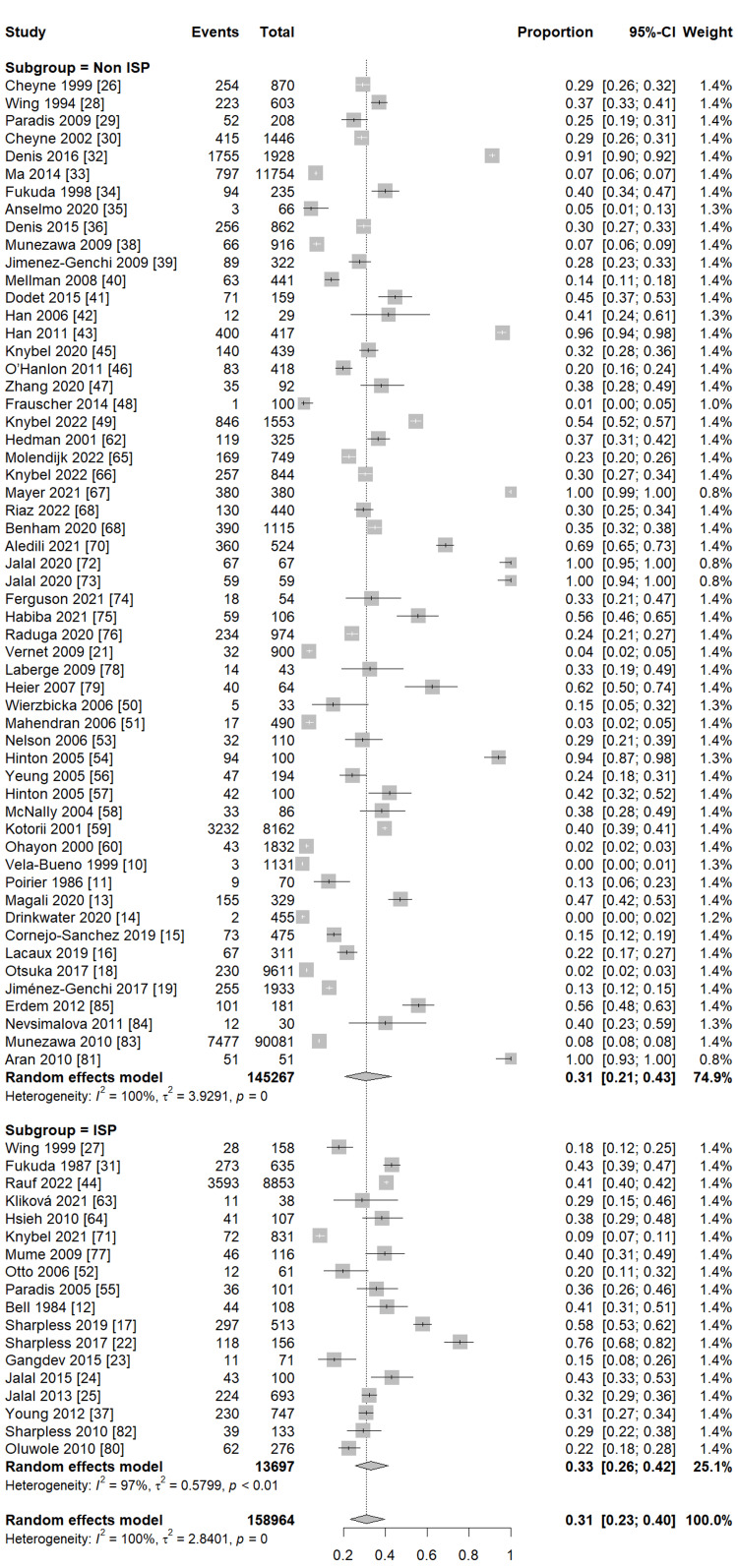
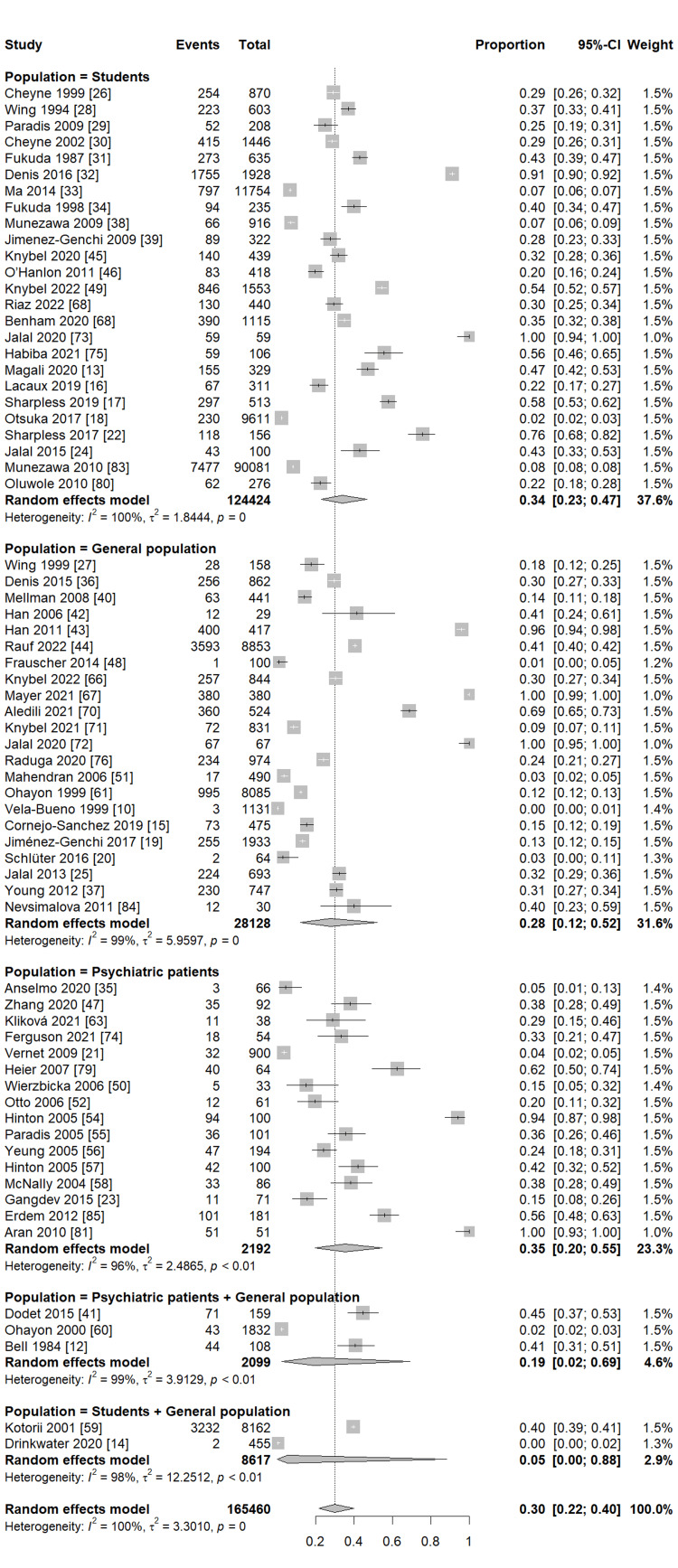
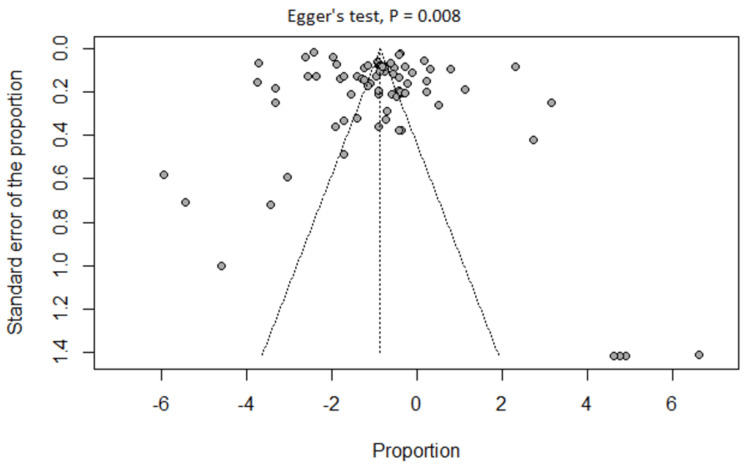
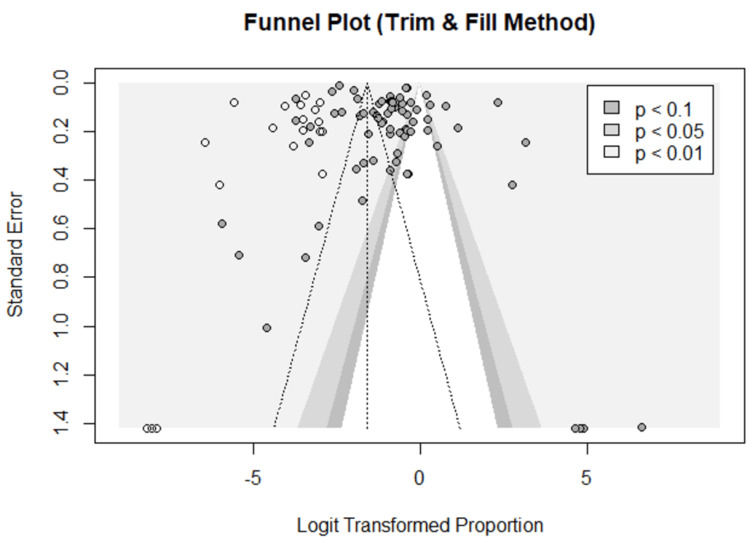
Sleep paralysis (SP) is a mixed state of consciousness and sleep, combining features of rapid eye movement (REM) sleep with those of wakefulness. The exact cause of SP is unknown, and its prevalence varies among the studies. We aim to identify SP's global prevalence, the affected population's characteristics, and the SP's clinical picture. We searched three databases (PubMed, Scopus, and Web of Science (WoS)) using a unique search strategy to identify eligible studies. All observational studies identifying the prevalence or frequency of sleeping paralysis were included. No exclusions are made based on country, race, or questionnaire. The analysis was performed using the latest version of R software (R Core Team, Vienna, Austria). The analysis included 76 studies from 25 countries with 167,133 participants. The global prevalence of SP was 30% (95% CI (22%, 39%)). There were similar frequencies of isolated SP and SP (33%, 95% CI (26%, 42%), I2 = 97%, P <0.01; 31%, 95% CI (21%, 43%), I2 = 100%, P = 0, respectively). A subgroup analysis showed that the majority of those who experienced SP were psychiatric patients (35%, 95% CI (20%, 55%), I2 = 96%, P <0.01). The prevalence among non-psychiatric patients was among students (34%, 95% CI (23%, 47%), I2 = 100%, P = 0). Auditory and visual hallucinations were reported in 24.25% of patients. Around 4% had only visual hallucinations. Meta-regression showed no association between the frequency of SP and sex. Publication bias was detected among the included studies through visual inspection of funnel plot asymmetry. Our findings revealed that 30% of the population suffered from SP, especially psychiatric patients and students. The majority of SP cases lacked associated hallucinations, while a noteworthy proportion experienced combined visual and auditory hallucinations.
Keywords: hallucinations; isolated sleep paralysis; isp; prevalence; ptsd; sleeping paralysis; sp.
Copyright © 2024, Hefnawy et al.
Conflict of interest statement
The authors have declared that no competing interests exist.
Figures
References
-
- Farooq M, Anjum F. StatPearls [Internet] Treasure Island (FL): StatPearls Publishing; 2024. Sleep paralysis. - PubMed
-
- Hypnagogic and hypnopompic hallucinations during sleep paralysis: neurological and cultural construction of the night-mare. Cheyne JA, Rueffer SD, Newby-Clark IR. Conscious Cogn. 1999;8:319–337. - PubMed
Publication types
LinkOut - more resources
Full Text Sources