


Gait retraining targeting foot pronation: A systematic review and meta-analysis
- PMID: 38427634
- PMCID: PMC10906845
- DOI: 10.1371/journal.pone.0298646
Gait retraining targeting foot pronation: A systematic review and meta-analysis
Abstract
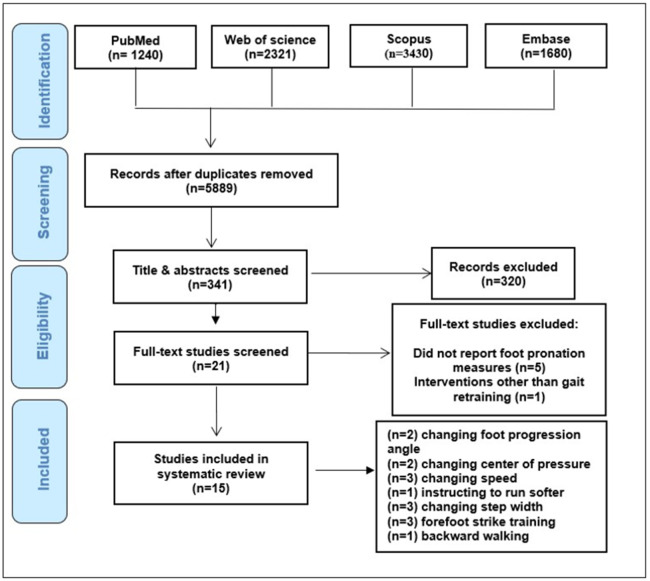
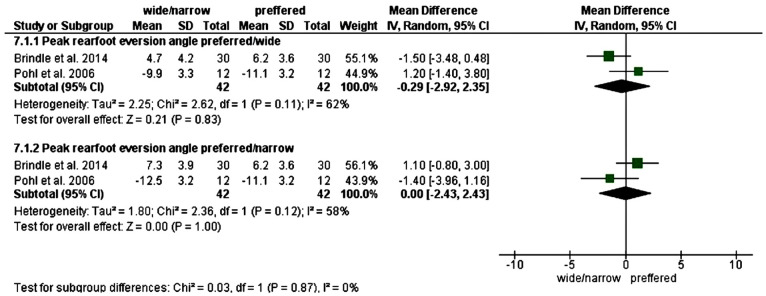
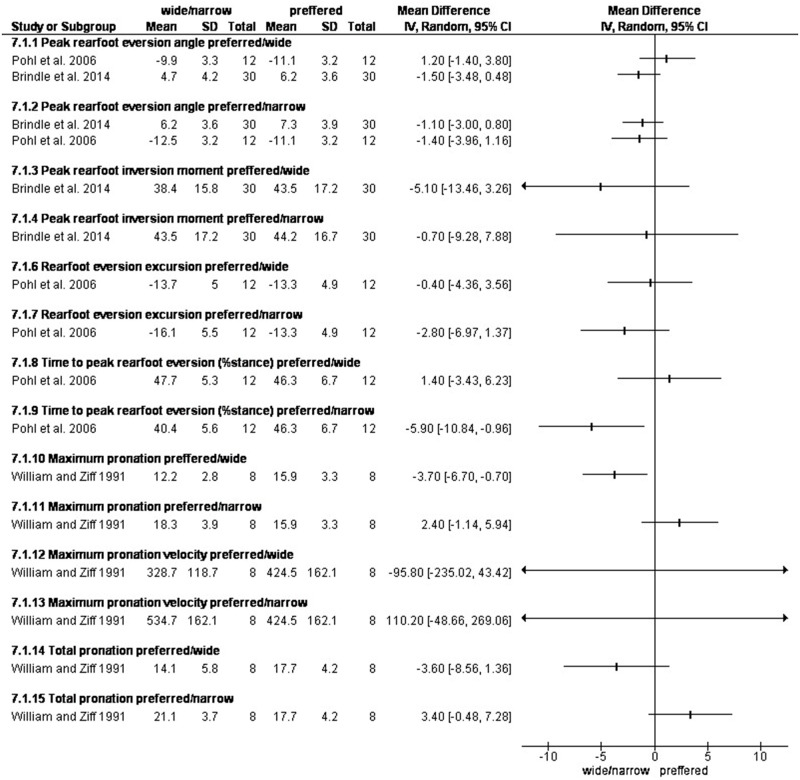
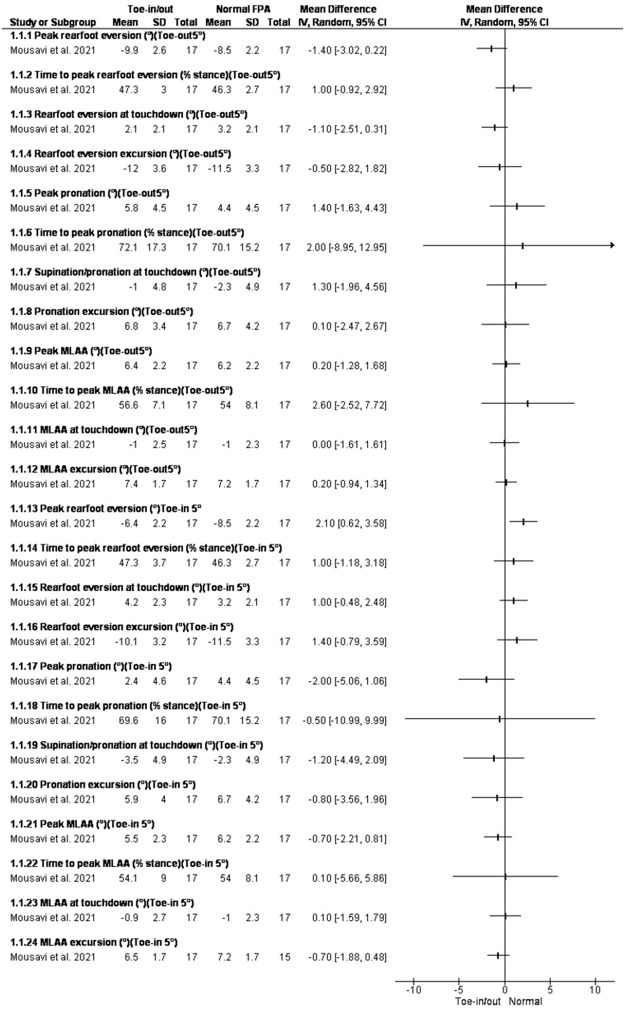
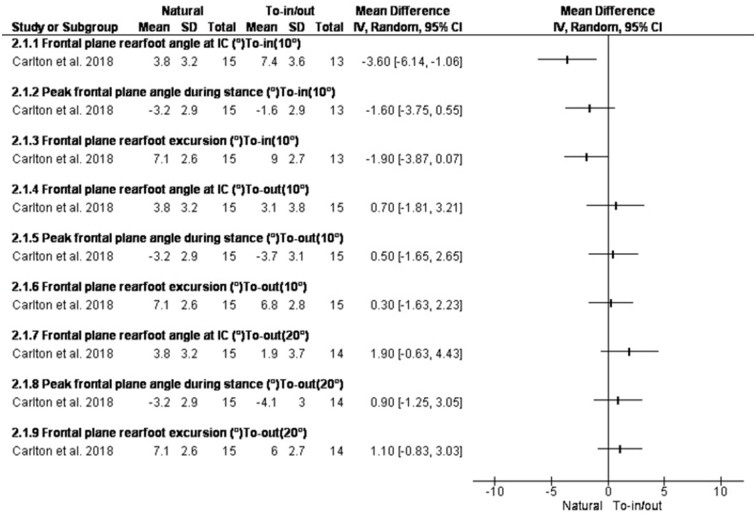
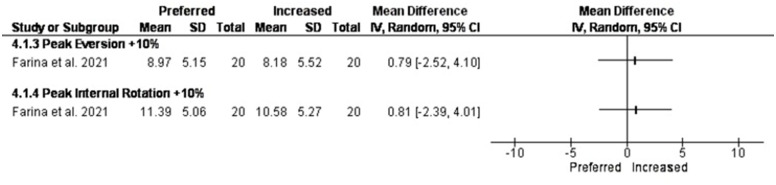
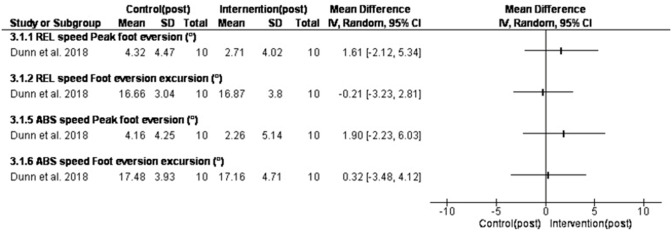
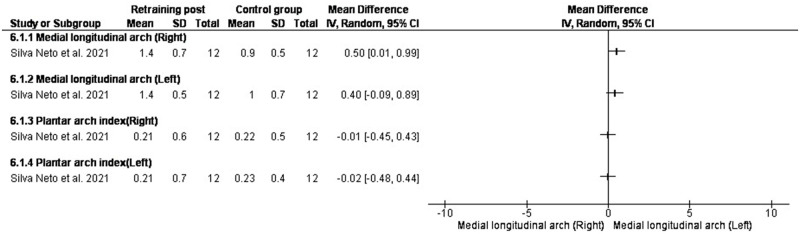
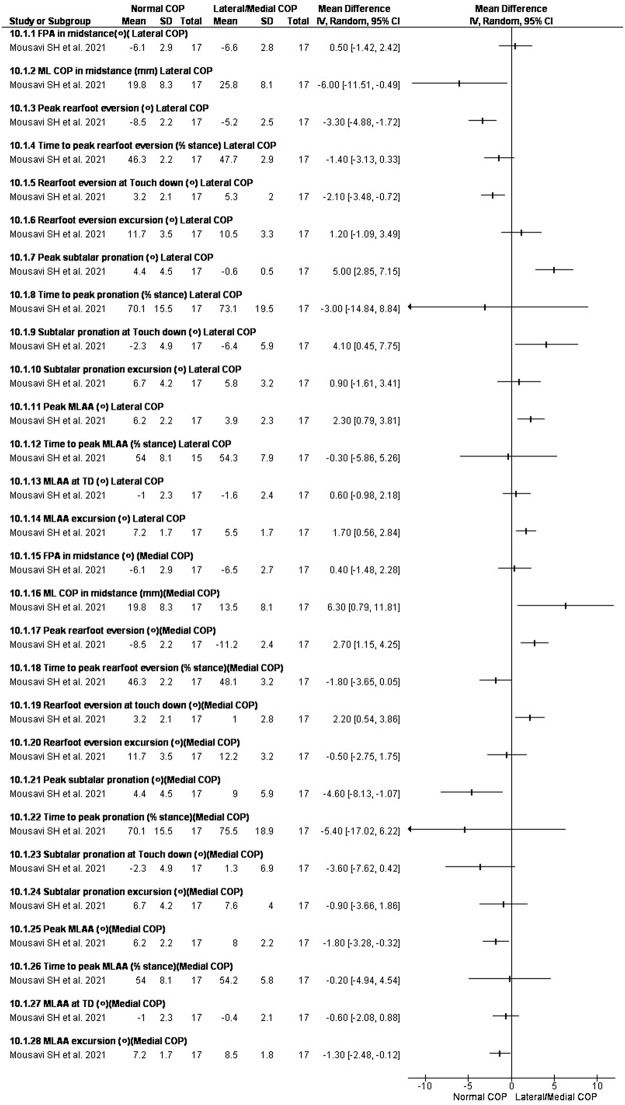
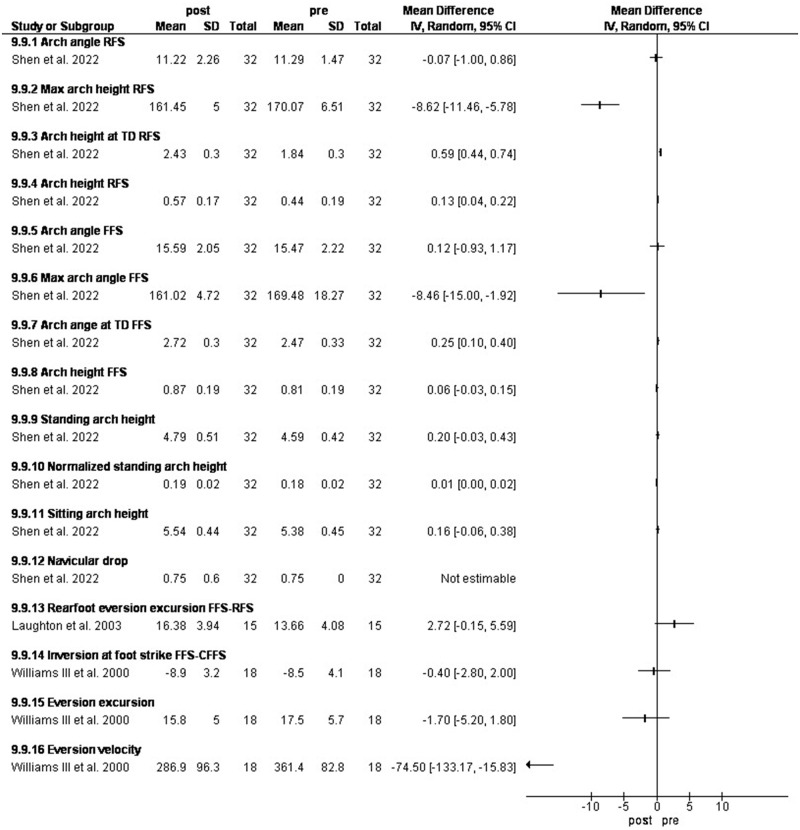
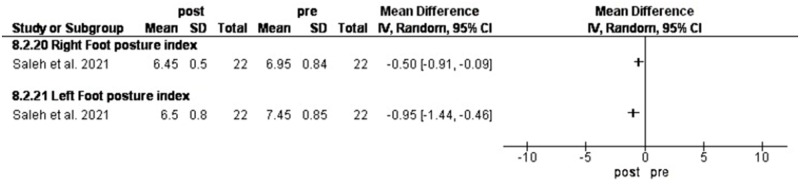
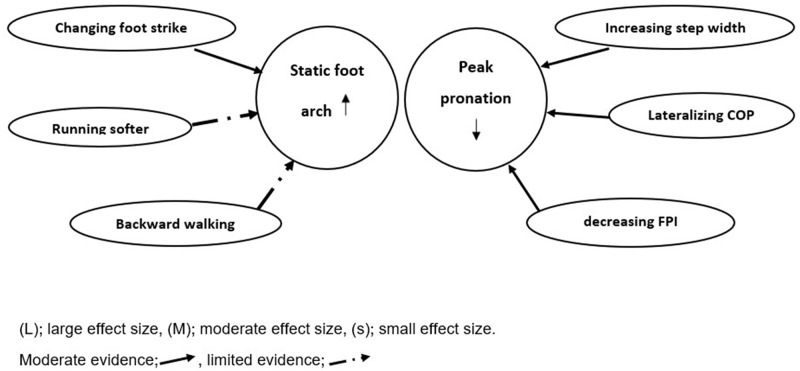
Foot pronation is a prevalent condition known to contribute to a range of lower extremity injuries. Numerous interventions have been employed to address this issue, many of which are expensive and necessitate specific facilities. Gait retraining has been suggested as a promising intervention for modifying foot pronation, offering the advantage of being accessible and independent of additional materials or specific time. We aimed to systematically review the literature on the effect of gait retraining on foot pronation. We searched four databases including PubMed, Web of Science, Scopus and Embase from their inception through 20 June 2023. The Downs and Black appraisal scale was applied to assess quality of included studies. Two reviewers screened studies to identify studies reporting the effect of different methods of gait-retraining on foot pronation. Outcomes of interest were rearfoot eversion, foot pronation, and foot arch. Two authors separately extracted data from included studies. Data of interest were study design, intervention, variable, sample size and sex, tools, age, height, weight, body mass index, running experience, and weekly distance of running. Mean differences and 95% confidence intervals (CI) were calculated with random effects model in RevMan version 5.4. Fifteen studies with a total of 295 participants were included. The results of the meta-analysis showed that changing step width does not have a significant effect on peak rearfoot eversion. The results of the meta-analysis showed that changing step width does not have a significant effect on peak rearfoot eversion. Results of single studies indicated that reducing foot progression angle (MD 2.1, 95% CI 0.62, 3.58), lateralizing COP (MD -3.3, 95% CI -4.88, -1.72) can effectively reduce foot pronation. Overall, this study suggests that gait retraining may be a promising intervention for reducing foot pronation; Most of the included studies demonstrated significant improvements in foot pronation following gait retraining. Changing center of pressure, foot progression angle and forefoot strike training appeared to yield more favorable outcomes. However, further research is needed to fully understand its effectiveness and long-term benefits.
Copyright: © 2024 Mousavi et al. This is an open access article distributed under the terms of the Creative Commons Attribution License, which permits unrestricted use, distribution, and reproduction in any medium, provided the original author and source are credited.
Conflict of interest statement
The authors have declared that no competing interests exist.
Figures
References
-
- Hazari A, Maiya AG, Nagda TV, Hazari A, Maiya AG, Nagda TV. Kinematics and Kinetics of Ankle and Foot Complex. Concept Biomech Kinesiol. 2021; 165–180.
-
- Frank D. Atypical Pronation of the Sub-Talar Joint: Its Implications on the Lower Limb. 2017.
Publication types
MeSH terms
LinkOut - more resources
Full Text Sources
Medical
