


Imported allergens in Italy: an emerging issue
- PMID: 38433225
- PMCID: PMC10910788
- DOI: 10.1186/s13052-024-01595-z
Imported allergens in Italy: an emerging issue
Abstract
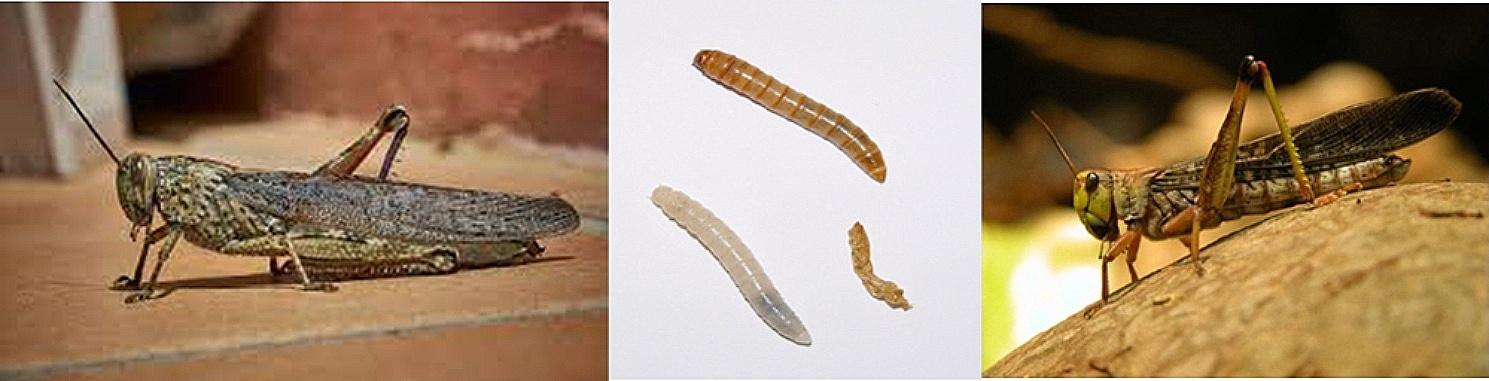
Imported allergens are involved in many allergic reactions, with unexpected and unusual implications. They can be involved in developing asthma, allergic rhinoconjunctivitis, Hymenoptera venom allergies and food allergies. Imported allergens can be implied in respiratory allergies attributable to commercial practices and accidental diffusion through air currents that have introduced non-native species in new geographical contexts. Ambrosia artemisiifolia L., a plant native to North America and currently in the western part of Lombardy, represents an example. Moreover, a variation in the pollen concentration in the Northwest Tuscany area and Trentino Alto-Adige was observed. Cannabis sativa is another imported allergen used frequently by adolescents. Regarding potential imported food allergens, there is no validated list. Imported food allergens derive from ethnic foods, referring to Mexican/Latin American, Chinese/Japanese, Southeast Asian, Arab/Middle Eastern and African cuisine. Four insect flours were recently introduced to the European and Italian markets (Acheta domesticus, Alphitobius diaperinus, Tenebrio molitor and Locusta migratoria). The association between the accidental introduction through commercial traffic, climate change, and the absence of natural enemies in the destination ecosystem is related to the introduction of a specific Hymenoptera, Vespa velutina, in Italy and Europe. External events attributable to human activities, such as climate change and the introduction of non-native plants, foods and Hymenoptera through trade, have contributed to the issue of imported allergens. Making the correct diagnosis and guiding the diagnostic and therapeutic path in this particular context represent the concerns of the pediatric allergist.
Keywords: Ambrosia artemisiifolia; Asian Wasp Velutina; Cannabis sativa; Ethnic food; Imported allergens.
© 2024. The Author(s).
Conflict of interest statement
The authors declare that the article was written in the absence of any commercial or financial relationships that could be construed as a potential conflict of interest.
Figures
References
-
- Dougherty JM, Alsayouri K, Sadowski A, Allergy. Feb 8. In: StatPearls; 2023. - PubMed
-
- Lei DK, Grammer LC. An overview of allergens. Allergy Asthma Proc. 2019;40(6):362–365. 10.2500/aap.2019.40.4247. - PubMed
-
- Chapman DS, Makra L, Albertini R, Bonini M, Páldy A, Rodinkova V, et al. Modelling the introduction and spread of non-native species: international trade and climate change drive ragweed invasion. Glob Chang Biol. 2016 Sep;22(9):3067–79. 10.1111/gcb.13220. - PubMed
-
- D’Amato G, Liccardi G, D’Amato M, Holgate S. Environmental risk factors and allergic bronchial asthma. Clin Exp Allergy. 2005 Sep;35(9):1113–24. 10.1111/j.1365-2222.2005.02328.x. - PubMed
Publication types
MeSH terms
Substances
Grants and funding
LinkOut - more resources
Full Text Sources
Medical
